
What is Etching and Aquatint?
- Show All
- Established
- Discoveries
- Show All
Artworks Related to Etching and Aquatint
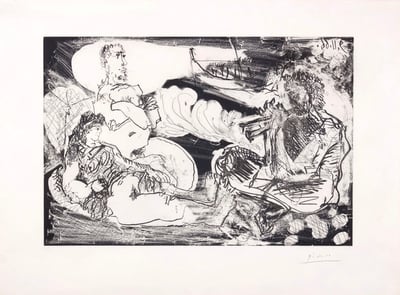
Pablo Picasso
Le Joueur de Diaule, 1966
Limited Edition Print
Etching and Aquatint
Currently Not Available
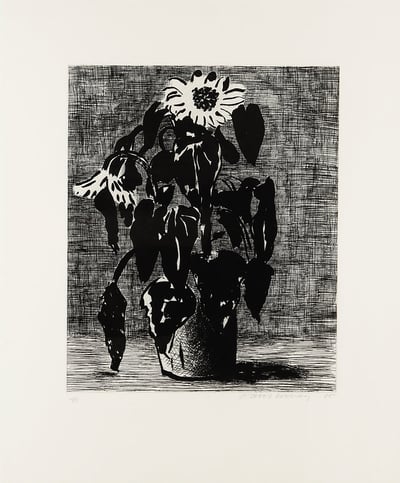
David Hockney
Sunflower I, 1995
Limited Edition Print
Etching and Aquatint
GBP 29,000 - 35,000

Miquel Barceló
Lanzarote 62, 2002
Limited Edition Print
Etching and Aquatint
EUR 8,950
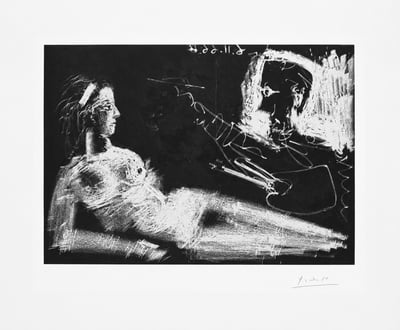
Pablo Picasso
Peintre et modèle au bandeau, 1966
Limited Edition Print
Etching and Aquatint
EUR 18,000
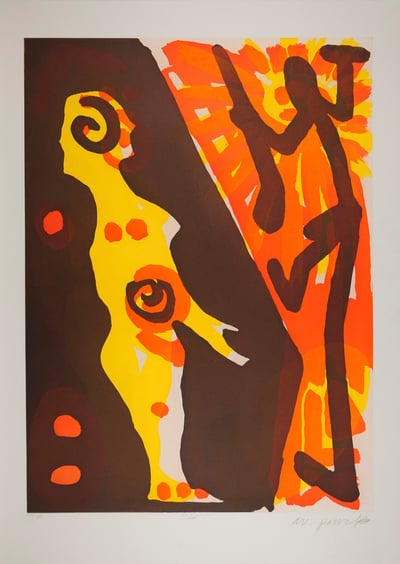
A.R. Penck
Serie I Rächer, 1991
Limited Edition Print
Etching and Aquatint
EUR 2,800
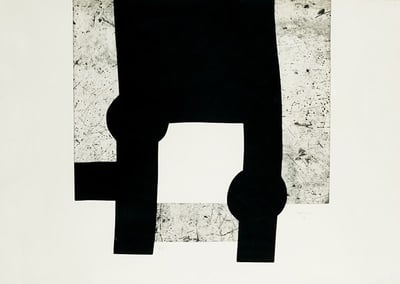
Eduardo Chillida
Medecins Du Monde, 1992
Limited Edition Print
Etching and Aquatint
EUR 23,500
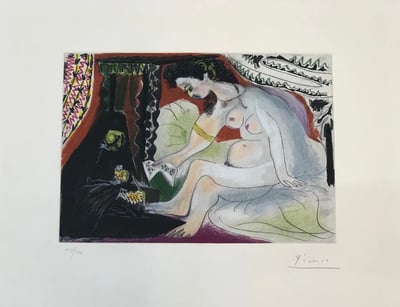
Pablo Picasso
Bethsabée, 1966
Limited Edition Print
Etching and Aquatint
EUR 22,350
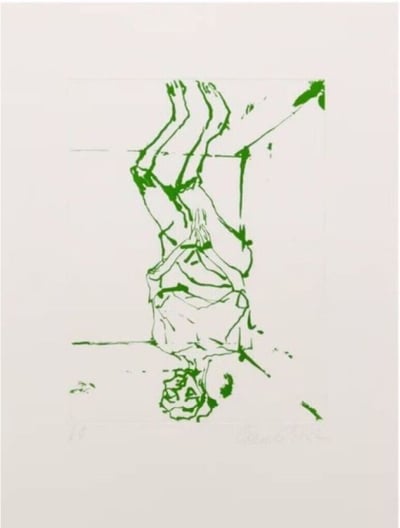
Georg Baselitz
Serpentine - green, 2022
Limited Edition Print
Etching and Aquatint
Inquire For Price
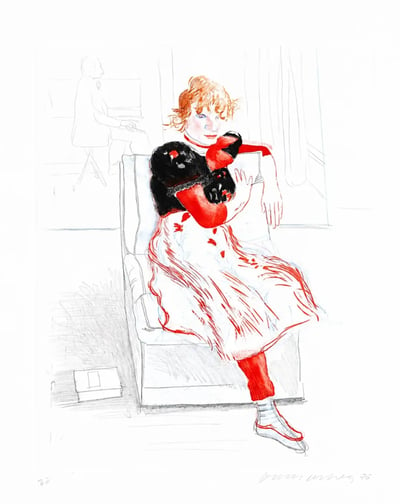
David Hockney
Celia Observing, 1976
Limited Edition Print
Etching and Aquatint
GBP 33,000 - 40,000
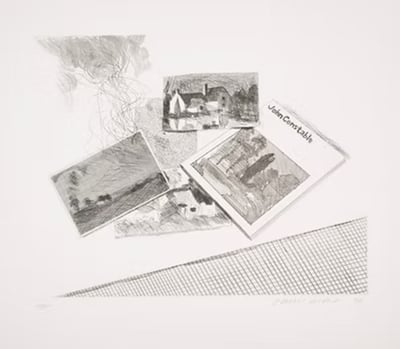
David Hockney
For John Constable, 1976
Limited Edition Print
Etching and Aquatint
GBP 9,500 - 12,300
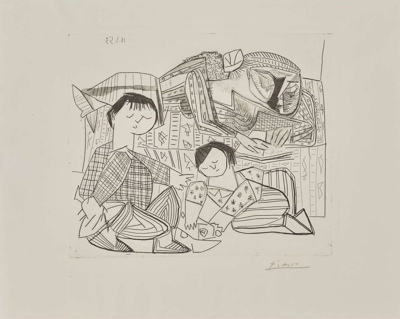
Pablo Picasso
Mere et Enfants, 1961
Limited Edition Print
Etching and Aquatint
GBP 20,000
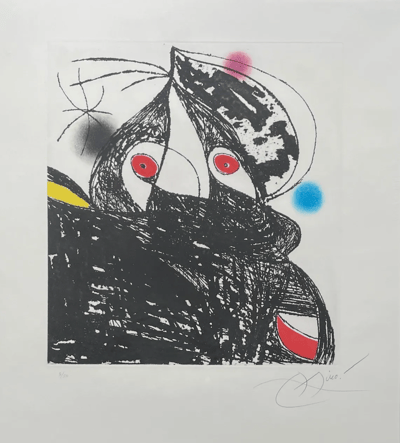
Joan Miró
Personnage Romantique, 1975
Limited Edition Print
Etching and Aquatint
EUR 9,000
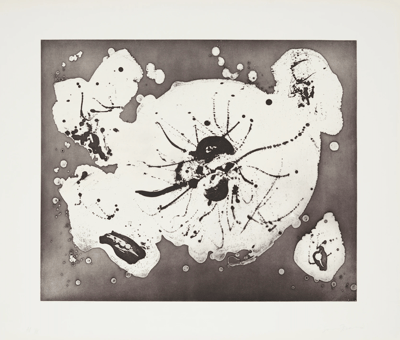
Sam Francis
Island Plate, 1973
Limited Edition Print
Etching and Aquatint
Inquire For Price
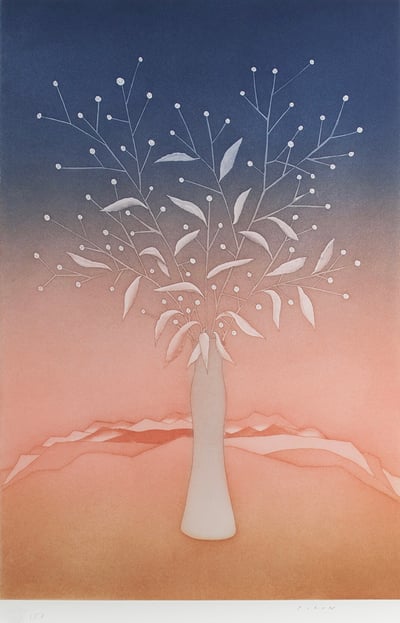
Jean-Michel Folon
Tennis tree
Limited Edition Print
Etching and Aquatint
EUR 4,200

Victor Vasarely
Hommage a Bach III, ca. 1980
Limited Edition Print
Etching and Aquatint
Inquire For Price
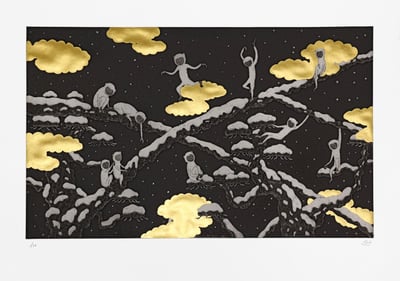
Atsushi Kaga
After Tohaku, 2026
Limited Edition Print
Etching and Aquatint
EUR 7,000
Related Articles

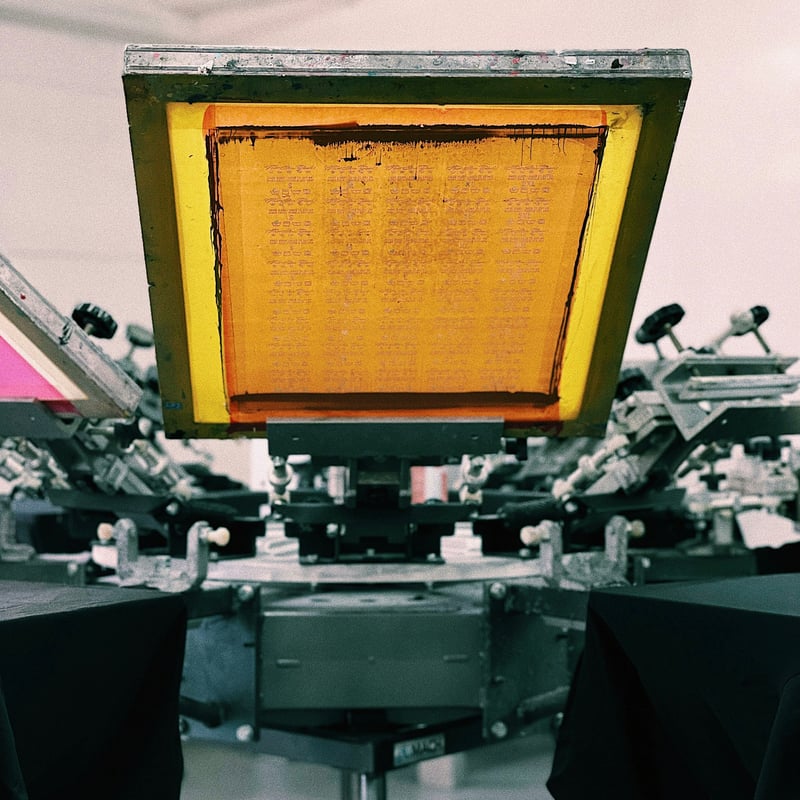

Wax is a solid material derived from plant, animal, and petroleum sources. It is used to protect paints from wear, create sculptures, make wax crayons and colored pencils, and for encaustic painting. In encaustic painting, colored beeswax is shaped with special tools to create textured, raised surfaces.

Art Intervention refers to art created with the intention of interacting with an existing situation, structure, artwork, audience, or institution. This form of art gained popularity in the 1960s as artists sought to provoke change within political and social contexts. The concept of Artist-in-Residence programs was influenced by the ideas and practices of this movement.

Neue Wilden is the term German artists used for Neo-Expressionism. In the 1970s and 80s, expressive painting re-emerged in Germany, with artists embracing intense colors and broad brushstrokes. The movement grew in opposition to minimal and conceptual art, favoring a return to raw, emotional expression through bold and dynamic painting techniques.
Can't find your Answer?
Thank you! Your question has been sent — we'll get back to you shortly.
