
What is appropriation?
- Show All
- Established
- Discoveries
- Show All
Artworks Related to Appropriation
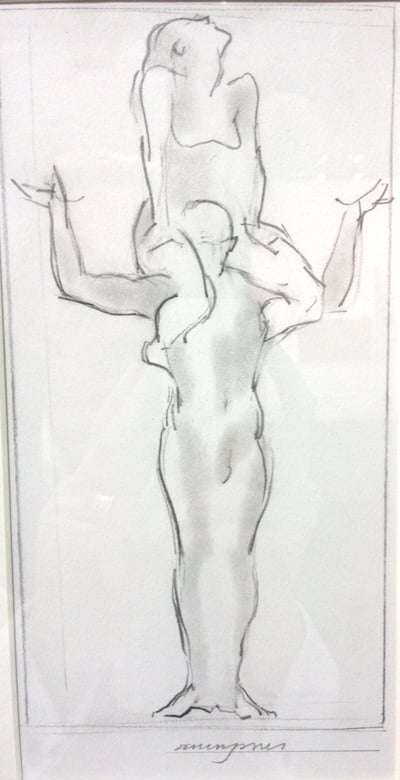
Allen Jones
Cascade, 1999
Drawing / Watercolor
Pencil
EUR 8,500
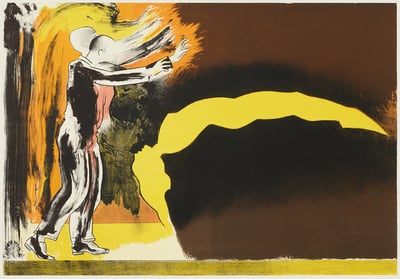
Allen Jones
Just Like That, 2012
Limited Edition Print
Lithograph
EUR 2,500
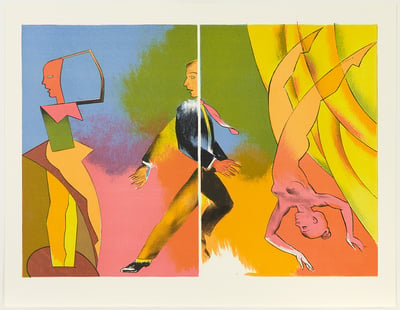
Allen Jones
Split Performance, 2012
Limited Edition Print
Lithograph
EUR 2,500
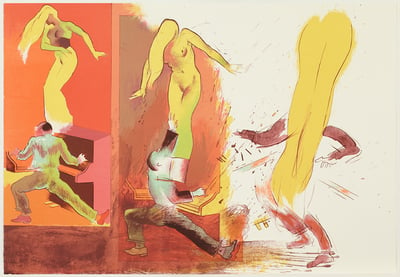
Allen Jones
Second Thought, 2012
Limited Edition Print
Lithograph
EUR 2,500
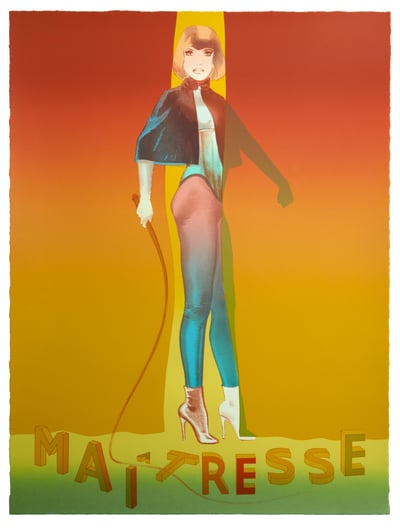
Allen Jones
Maitresse I, 2016
Limited Edition Print
Screen-print
EUR 2,800
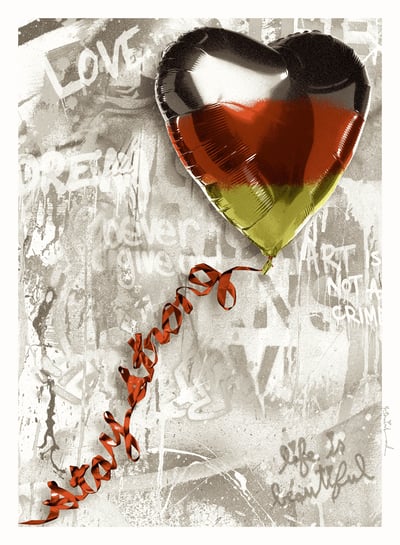
Mr. Brainwash
Stay Strong Germany, 2020
Limited Edition Print
Silkscreen
EUR 1,600
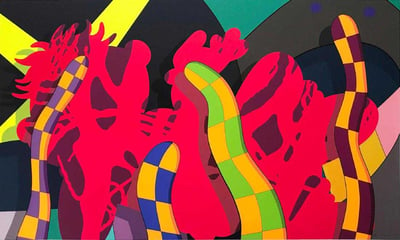
KAWS
Lost time, 2017
Limited Edition Print
Serigraph
Inquire For Price
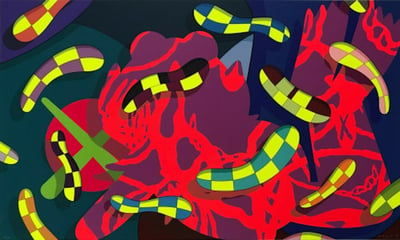
KAWS
Alone again, 2018
Limited Edition Print
Serigraph
Inquire For Price
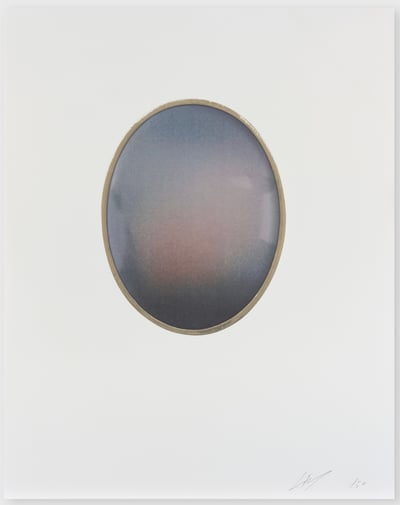
Luc Tuymans
Xphone, 2011
Limited Edition Print
Mixed Media
EUR 4,850
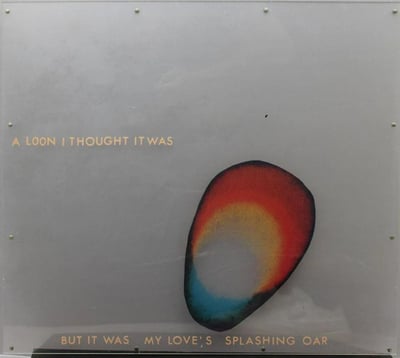
Robert Rauschenberg
Opal Gospel Panel III, 1971
Limited Edition Print
Screen-print
USD 2,400

Robert Rauschenberg
Opal Gospel Panel I, 1971
Limited Edition Print
Screen-print
USD 1,850
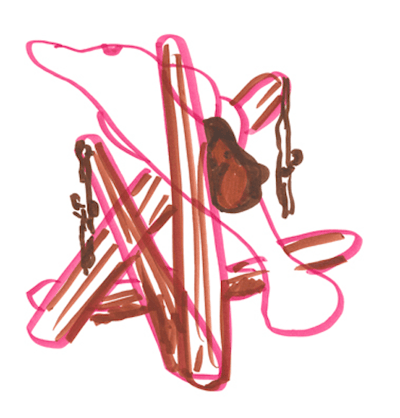
Jeff Koons
Dolphin Saddle, 2009
Limited Edition Print
Lithograph
GBP 10,700

Thomas Ruff
Tripe 09, 2018
Photography
Inkjet print
EUR 2,500 - 3,000
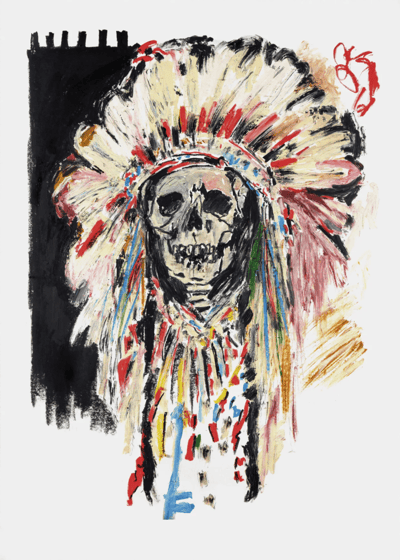
Wes Lang
For the good times, 2020
Limited Edition Print
Archival Print
Currently Not Available
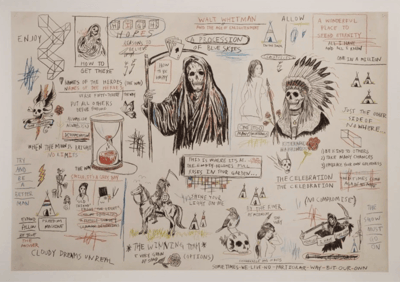
Wes Lang
Standing on the moon, 2013
Limited Edition Print
Archival Print
Currently Not Available

Shepard Fairey
Demagogue, 2016
Limited Edition Print
Offset Print
Currently Not Available
Related Articles

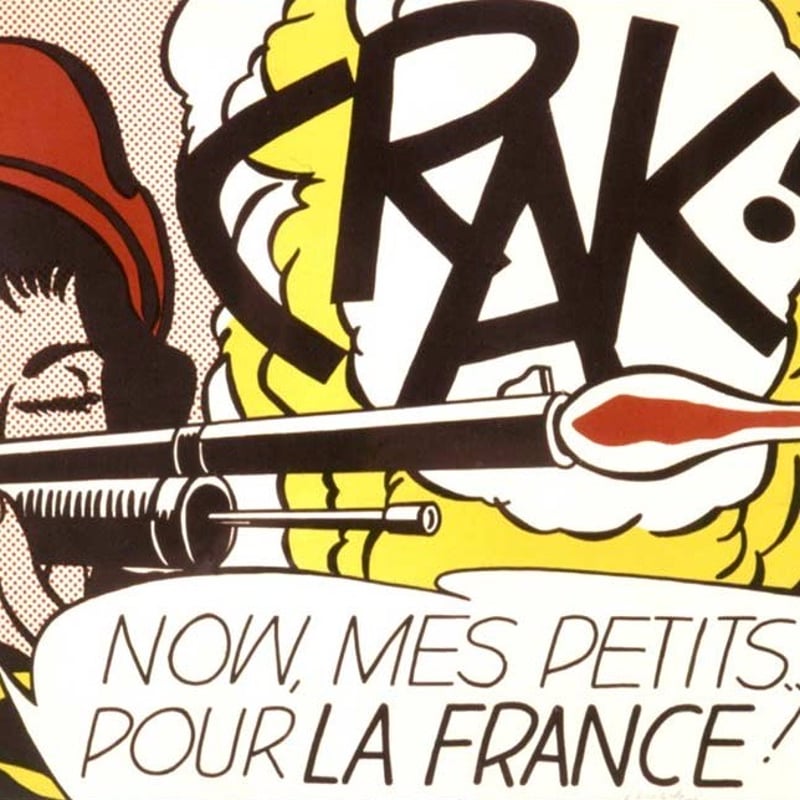
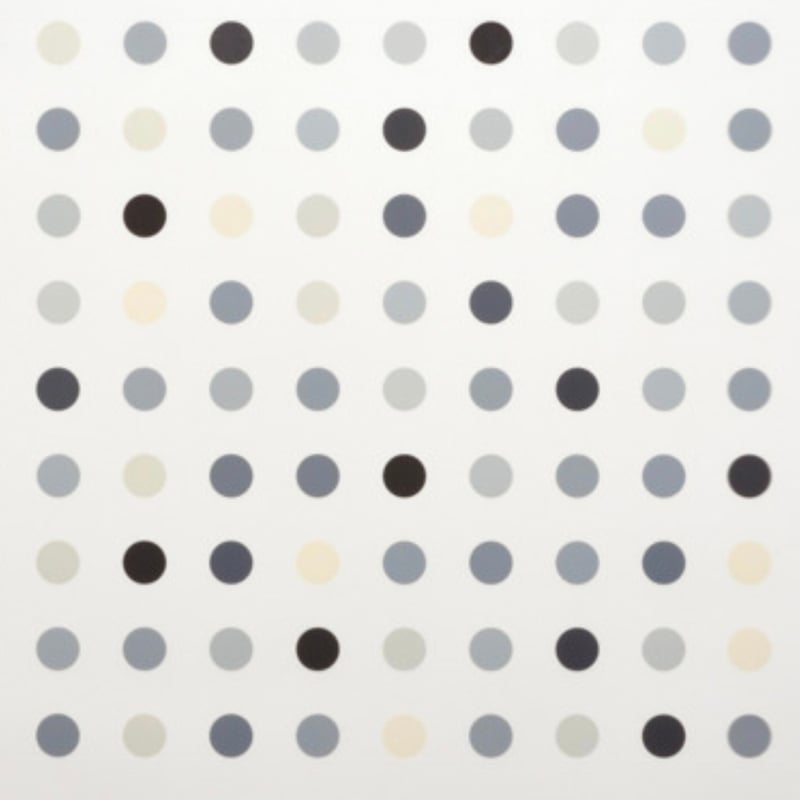

Shock Art is an art movement that uses disturbing images, scents, or sounds to provoke a strong, often shocked, reaction from viewers. It is often regarded as a form of social commentary, with critics and supporters debating whether its impact is positive or negative. Shock Art frequently employs taboo, obscene, or outrageous elements to challenge societal norms and provoke critical thought.
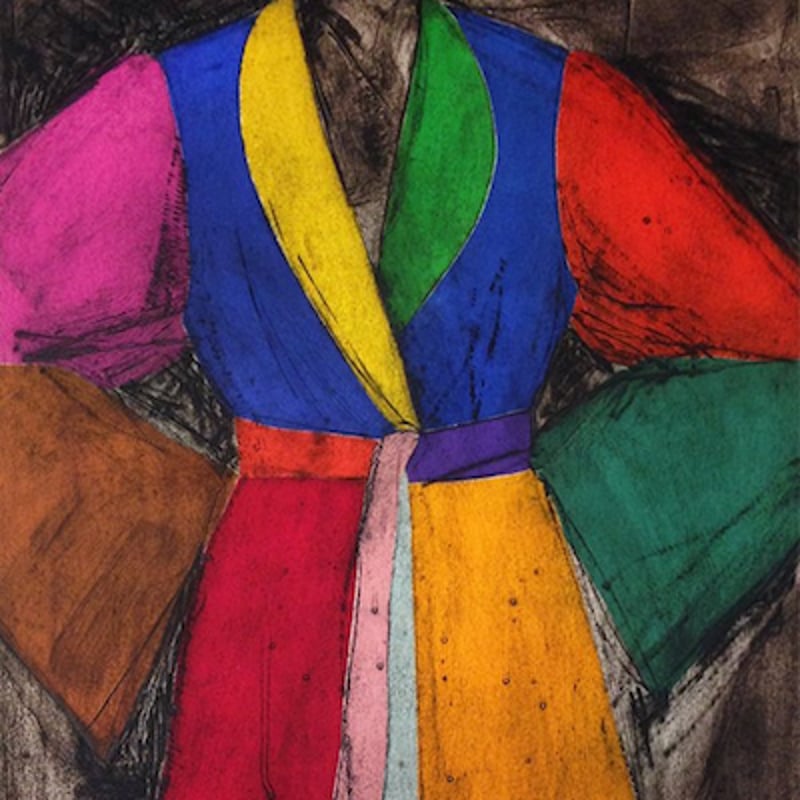
Neo-Dada is a minor visual and audio art movement with intents similar to those of Dada artwork. While it revives some of Dada's objectives, Neo-Dada emphasizes the importance of the produced artwork rather than the concept behind it. The movement is considered the foundation of Pop Art, Nouveau Réalisme, and Fluxus. Neo-Dada is known for its use of absurdist contrasts, popular imagery, and modern materials, blending high and low culture in a way that challenges traditional artistic conventions.
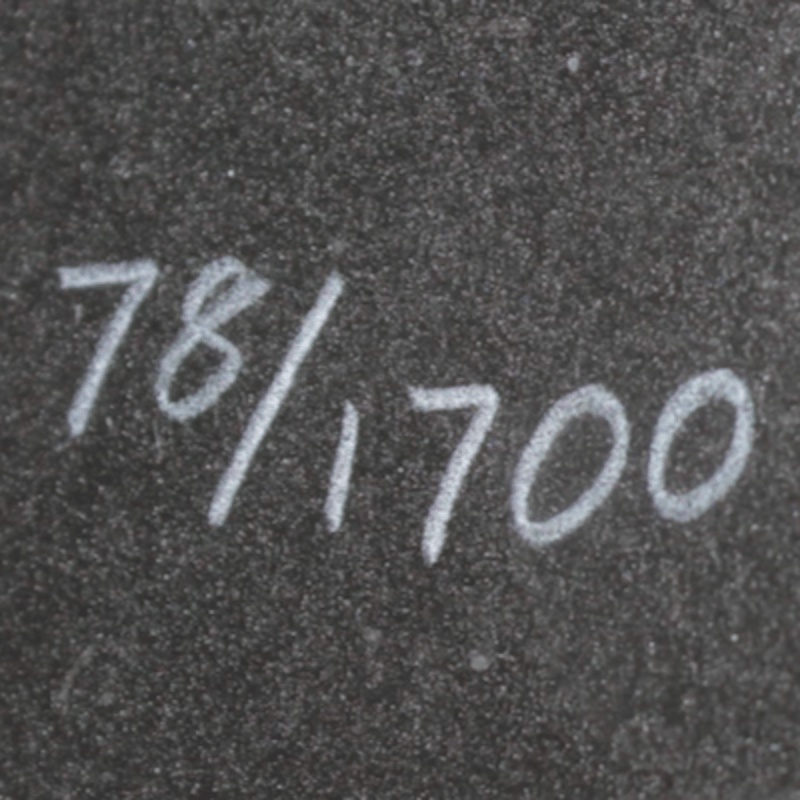
In art, an edition refers to the total number of identical or closely similar items produced as a set. This often applies to prints, such as lithographs, where multiple copies are made from a single original. An edition can also refer to works that are closely related to the original version of an artwork, such as variations or replicas.
Can't find your Answer?
Thank you! Your question has been sent — we'll get back to you shortly.
