
What is appropriation?
- Show All
- Established
- Discoveries
- Show All
Artworks Related to Appropriation
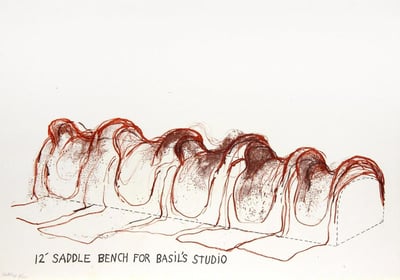
Jim Dine
12' Saddle Bench for Basil's Studio, 1968
Limited Edition Print
Lithograph
Inquire For Price
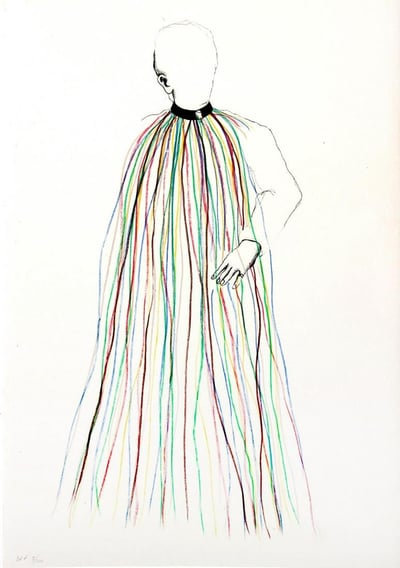
Jim Dine
Dorian Gray in Multi-Colored Vinyl Stripe Cape, 1968
Limited Edition Print
Lithograph
USD 1,430
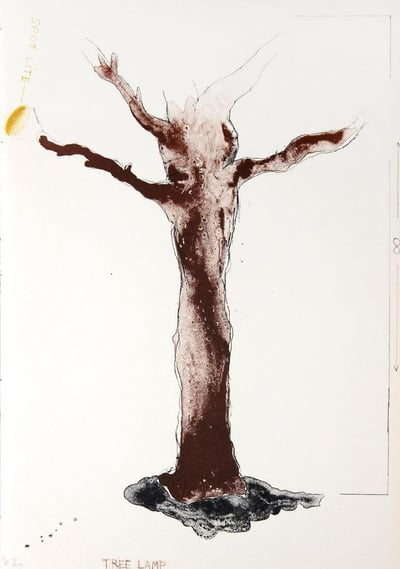
Jim Dine
Tree Lamp, 1968
Limited Edition Print
Lithograph
Inquire For Price
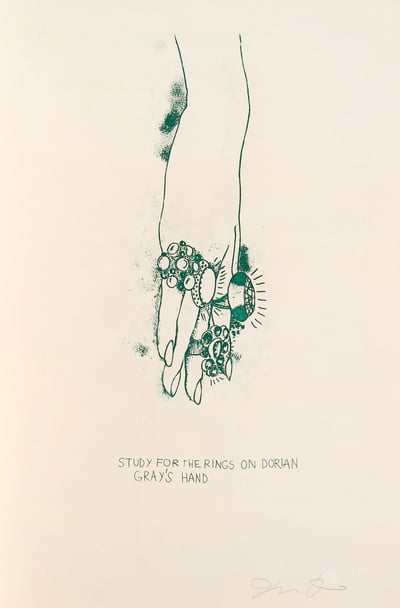
Jim Dine
Study for the Rings on Dorian Gray's Hand, 1968
Limited Edition Print
Lithograph
USD 1,990
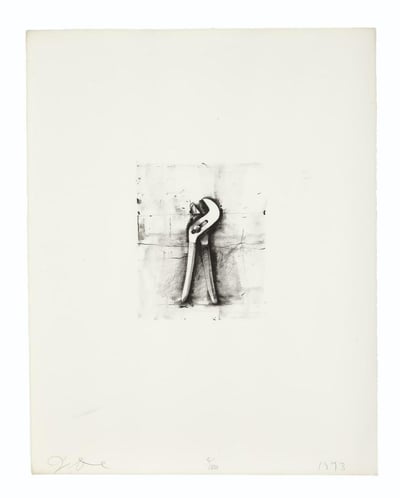
Jim Dine
Adjustable Wrench, 1973
Limited Edition Print
Lithograph
USD 1,990
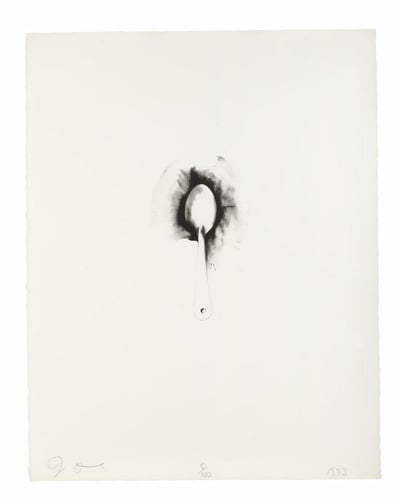
Jim Dine
Spoon, 1973
Limited Edition Print
Lithograph
USD 1,990
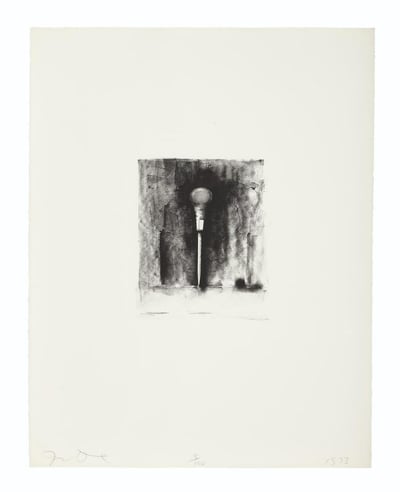
Jim Dine
Awl, 1973
Limited Edition Print
Lithograph
Inquire For Price
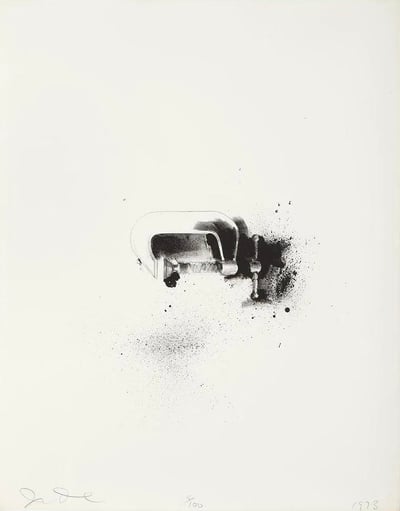
Jim Dine
C-Clamp, 1973
Limited Edition Print
Lithograph
Inquire For Price
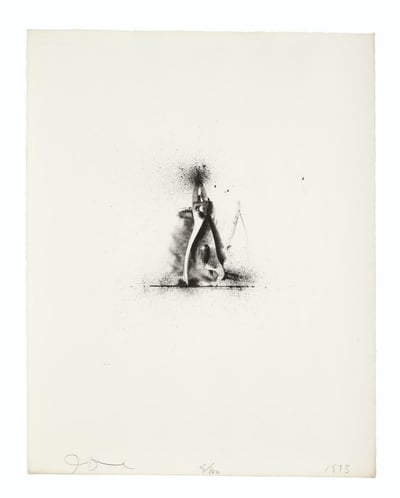
Jim Dine
Pliers and Adjustable Wrench, 1973
Limited Edition Print
Lithograph
Inquire For Price
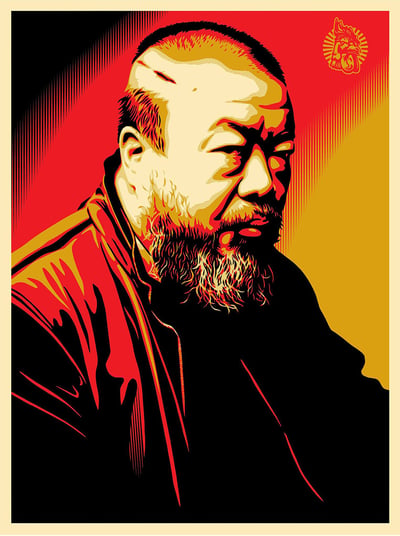
Shepard Fairey
Tribute to Ai Weiwei, 2014
Limited Edition Print
Screen-print
EUR 1,875
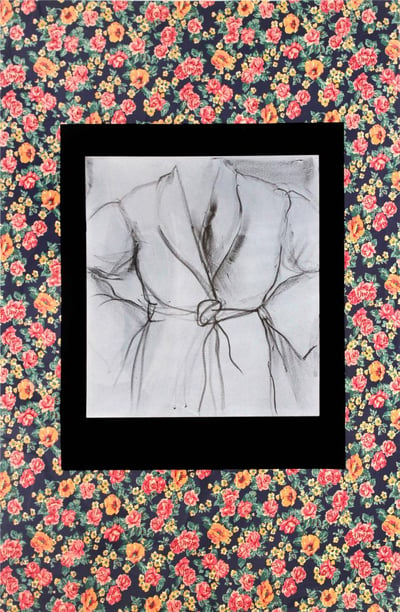
Jim Dine
The Robe goes to Town, 1983
Limited Edition Print
Mixed Media
USD 4,850
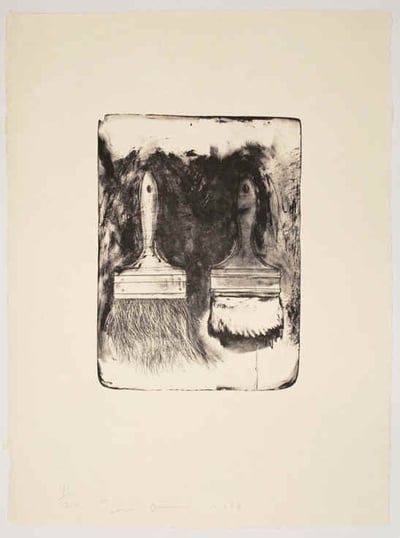
Jim Dine
Brush Drawn on Stones #5, 2010
Limited Edition Print
Lithograph
USD 4,000
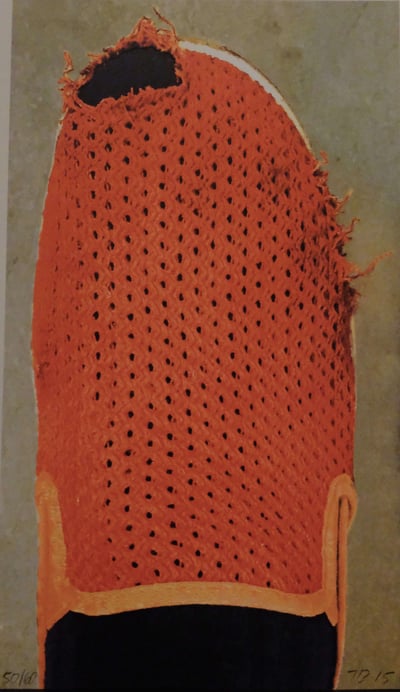
John Baldessari
Red Slipper, 2015
Limited Edition Print
Lithograph
USD 6,600
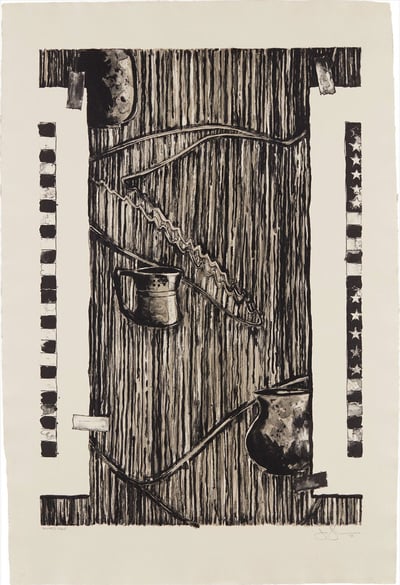
Jasper Johns
Ventriloquist, 1990
Limited Edition Print
Lithograph
USD 10,000 - 15,000
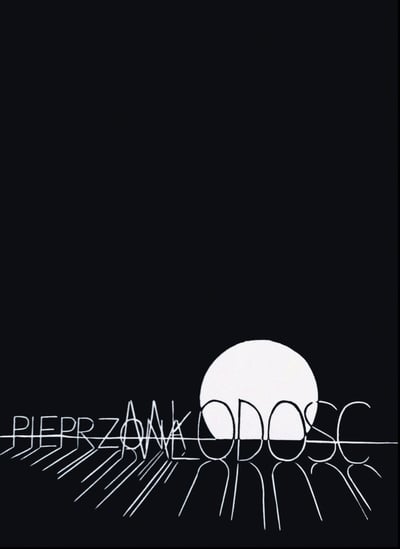
Wilhelm Sasnal
Damned Youth, 2011
Limited Edition Print
Linocut
Currently Not Available
James Rosenquist
Horse Blinders (North), 1972
Limited Edition Print
Mixed Media
USD 5,500
Related Articles

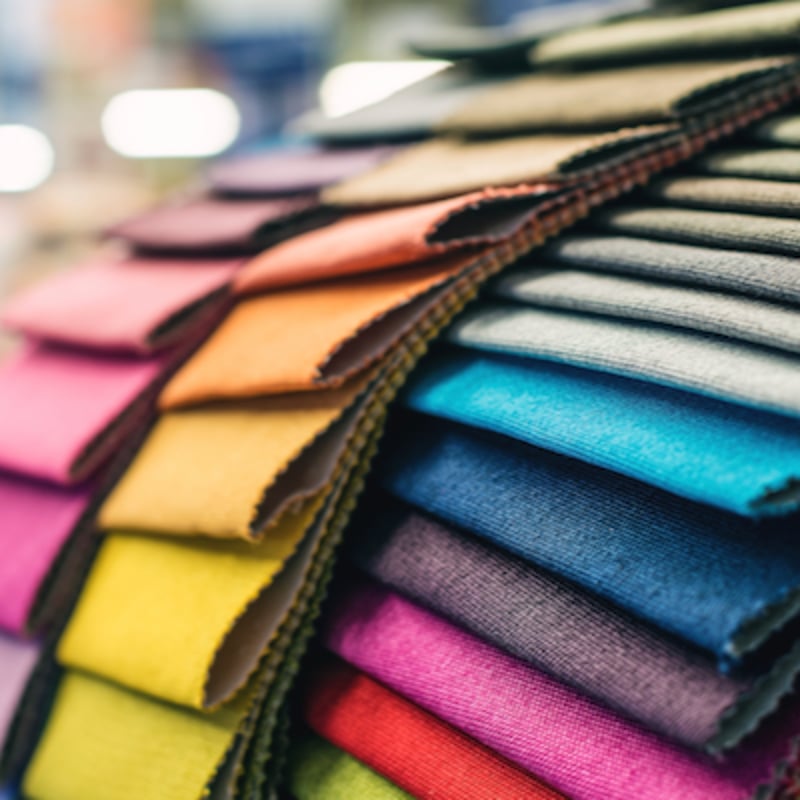
Textile refers to a flexible material made by weaving, felting, crocheting, knitting, or knotting long strands of natural or synthetic yarn or thread. Textile artists often create their own materials or use selected textiles in fabric art compositions, incorporating a wide range of textures and patterns.
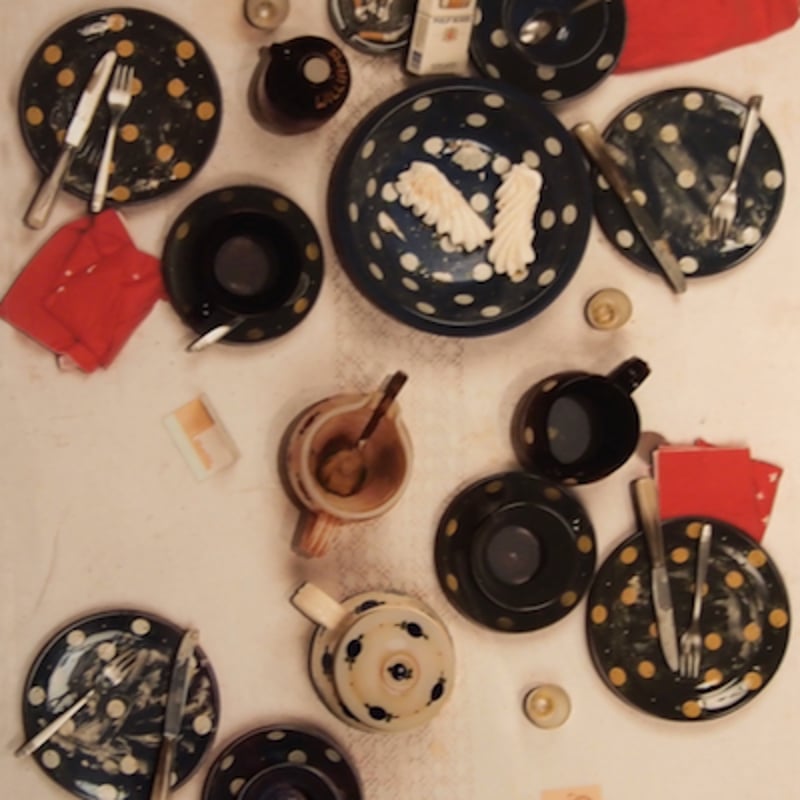
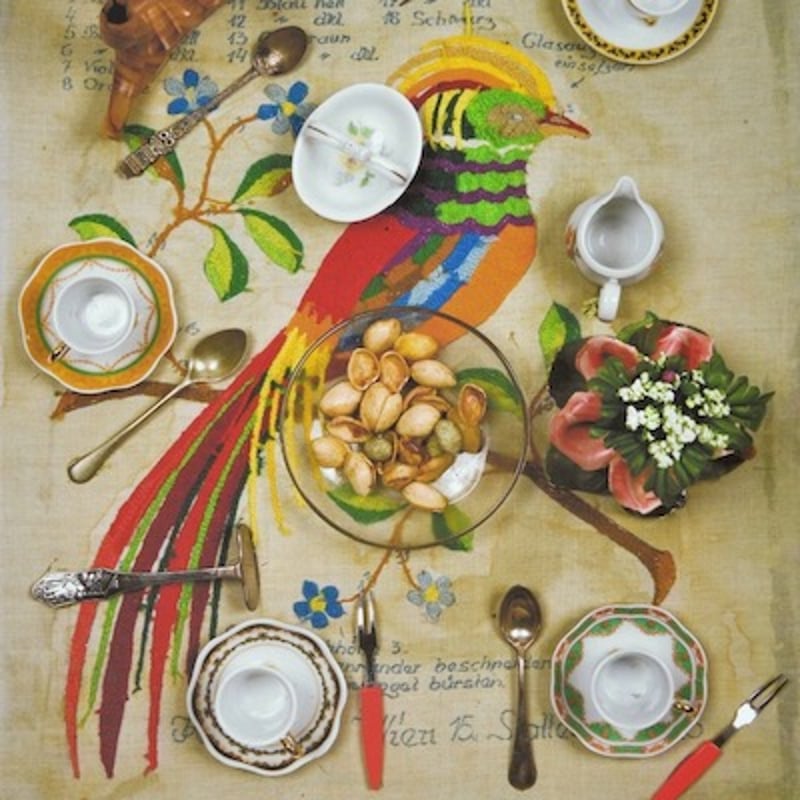
Nouveau Réalisme is an artistic movement founded in 1960 by art critic Pierre Restany and painter Yves Klein during a collective exhibition at a gallery in Milan. Restany wrote the original manifesto in April 1960, proclaiming the movement. In October of that year, nine artists, including Martial Raysse, Yves Klein, Daniel Spoerri, Jean Tinguely, Arman, Pierre Restany, and three Ultra-Lettrists—Jacques de la Villeglé, François Dufrêne, and Raymond Hains—signed the declaration. In 1961, the movement expanded to include Mimmo Rotella, Niki de Saint Phalle, Gérard Deschamps, and César. The movement emphasized a return to reality in art, often incorporating everyday objects and exploring the boundaries between art and life.
EAT (Experiments in Art and Technology) was a movement formed to foster collaborations between engineers and artists. It facilitated direct, person-to-person connections between these two groups. The movement was originally launched in 1967 by artists Robert Whitman and Robert Rauschenberg, along with engineers Fred Waldhauer and Billy Klüver. EAT carried out various projects and activities that expanded the role of artists in contemporary society, encouraging the integration of art and technology.
Can't find your Answer?
Thank you! Your question has been sent — we'll get back to you shortly.
