
What is appropriation?
- Show All
- Established
- Discoveries
- Show All
Artworks Related to Appropriation
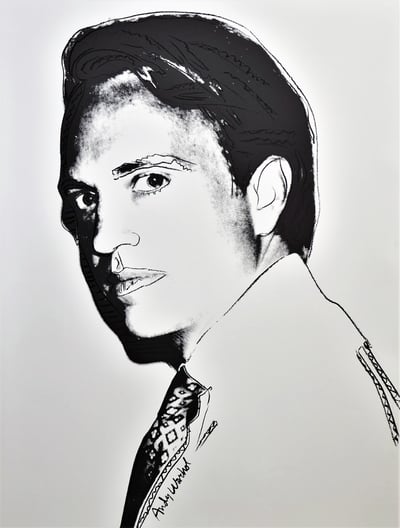
Andy Warhol
Carter Burden, 1977
Limited Edition Print
Silkscreen
EUR 29,000
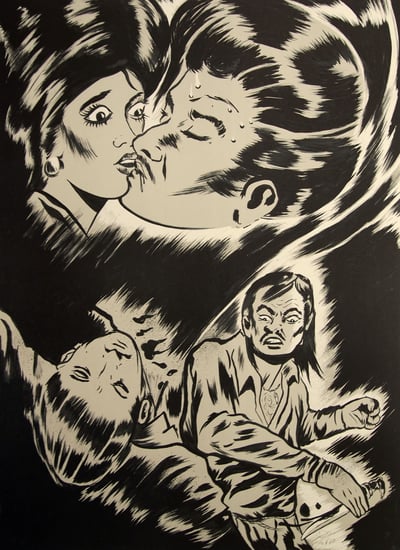
Dr Lakra
Beso, 2009
Limited Edition Print
Lithograph
EUR 750
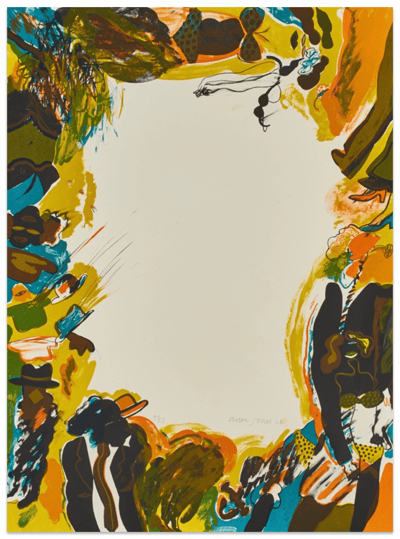
Allen Jones
Untitled from Concerning Marriages series, Plate H, 1964
Limited Edition Print
Lithograph
USD 2,400
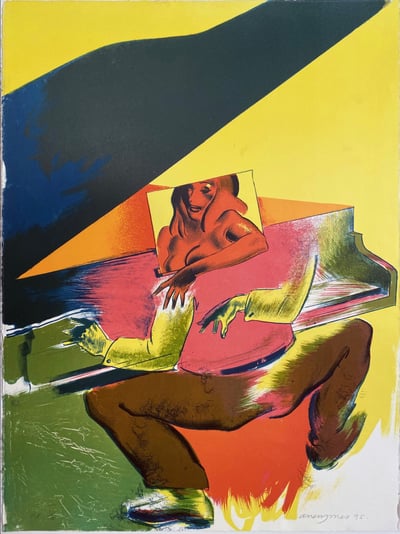
Allen Jones
Playtime, 1995
Limited Edition Print
Lithograph
USD 2,750
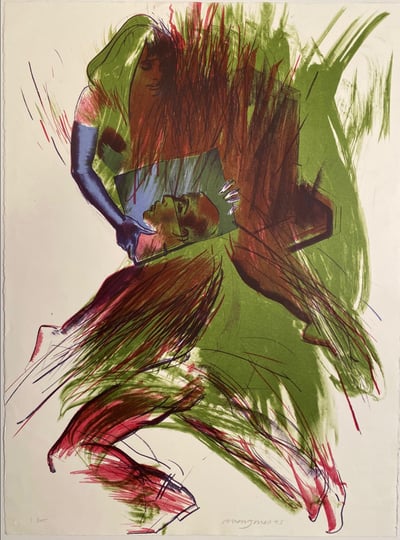
Allen Jones
No Strings, 1995
Limited Edition Print
Lithograph
USD 2,750
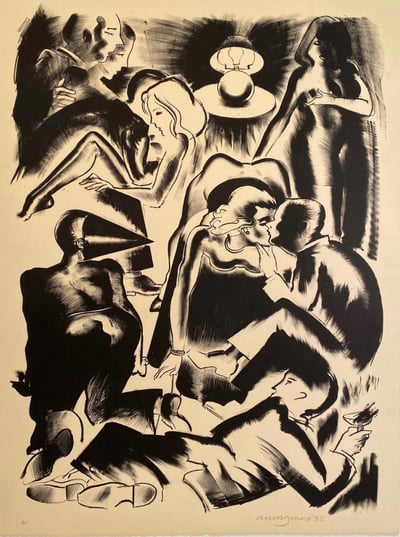
Allen Jones
High Society, 1985
Limited Edition Print
Lithograph
USD 2,250
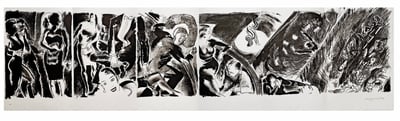
Allen Jones
Greasepaint, 1988
Limited Edition Print
Lithograph
USD 4,250
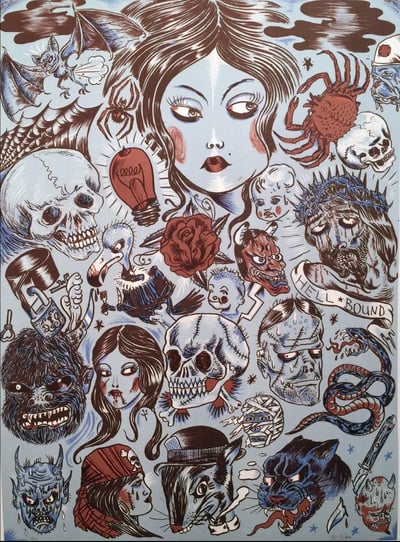
Dr Lakra
Untitled Blue, 2008
Limited Edition Print
Lithograph
USD 2,750
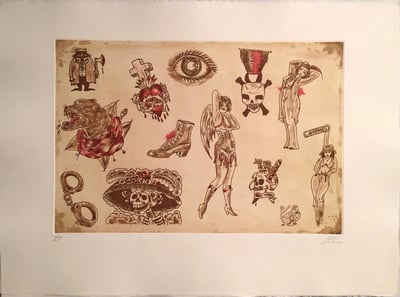
Dr Lakra
Untitled, #3, 2008
Limited Edition Print
Etching
USD 2,500
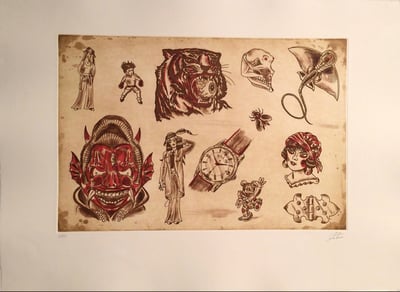
Dr Lakra
Untitled, #6, 2008
Limited Edition Print
Etching
USD 2,500
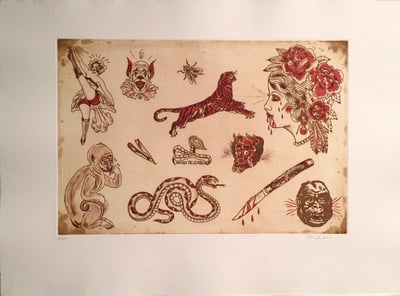
Dr Lakra
Untitled, #7, 2008
Limited Edition Print
Etching
USD 2,500
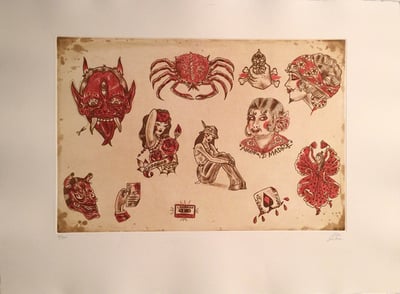
Dr Lakra
Untitled, #8, 2008
Limited Edition Print
Etching
USD 2,500
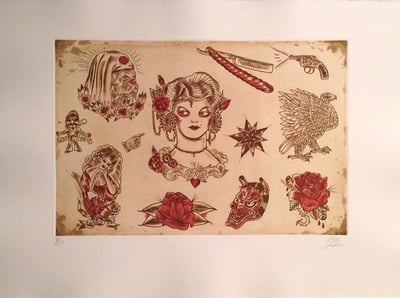
Dr Lakra
Untitled, #5, 2008
Limited Edition Print
Etching
USD 2,500
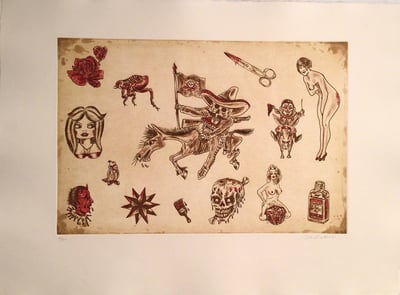
Dr Lakra
Untitled, #9, 2008
Limited Edition Print
Etching
USD 2,500
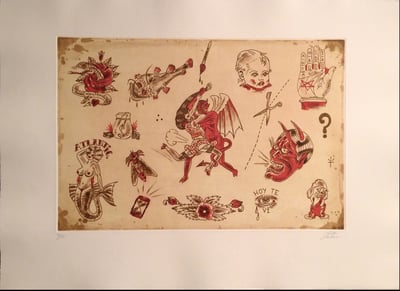
Dr Lakra
Untitled, #10, 2008
Limited Edition Print
Etching
USD 2,500
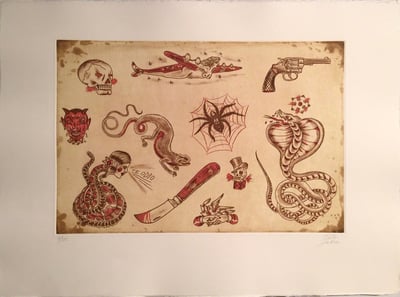
Dr Lakra
Untitled, #2, 2008
Limited Edition Print
Etching
USD 2,500
Related Articles



Neue Wilden is the term German artists used for Neo-Expressionism. In the 1970s and 80s, expressive painting re-emerged in Germany, with artists embracing intense colors and broad brushstrokes. The movement grew in opposition to minimal and conceptual art, favoring a return to raw, emotional expression through bold and dynamic painting techniques.

Pixel Art is a form of digital art created by placing individual pixels, similar to assembling a mosaic where each small piece contributes to a larger image. The style is often associated with nostalgia, as it draws on the techniques used in early video game graphics. Pixel art has seen a resurgence in popularity, both as a nod to retro aesthetics and as a distinct artistic style in modern digital art.
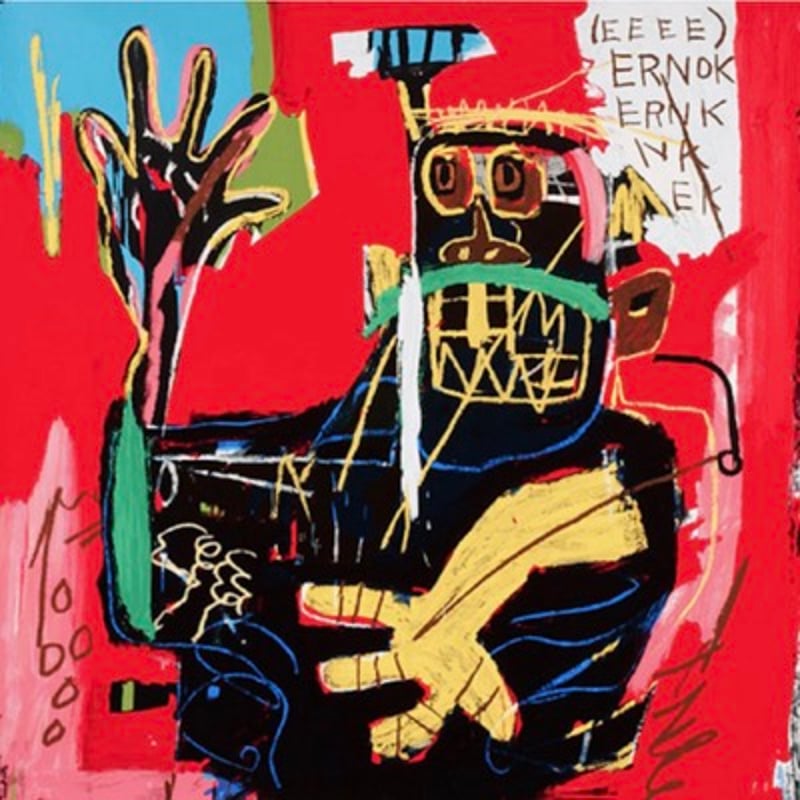
In 1981, Patti Astor opened the first art gallery in New York City's East Village, helping to launch the careers of various artists and musicians. The gallery started small but quickly gained popularity, contributing to the emergence of art movements such as Neo-Expressionism and Street Art in the area. The East Village became a hub for these new artistic expressions. However, the gallery closed in 1985 due to waning interest.
Can't find your Answer?
Thank you! Your question has been sent — we'll get back to you shortly.
