
What is appropriation?
- Show All
- Established
- Discoveries
- Show All
Artworks Related to Appropriation

Claes Oldenburg
Profiterole, 1989
Sculpture / Object
Mixed Media
Currently Not Available

Thomas Ruff
Q.i.C., 2021
Limited Edition Print
Mixed Media
EUR 1,050

KAWS
You Should Know I Know, 2015
Limited Edition Print
Screen-print
USD 17,750

Damien Hirst
Eternal Rest, 2009
Limited Edition Print
Etching
USD 5,400
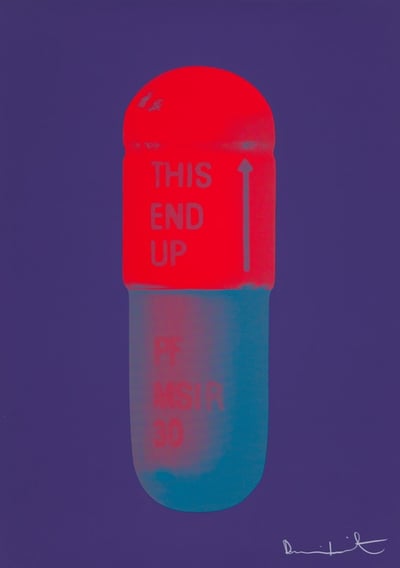
Damien Hirst
The Cure (violet/electric red/powder blue), 2014
Limited Edition Print
Silkscreen
USD 14,250
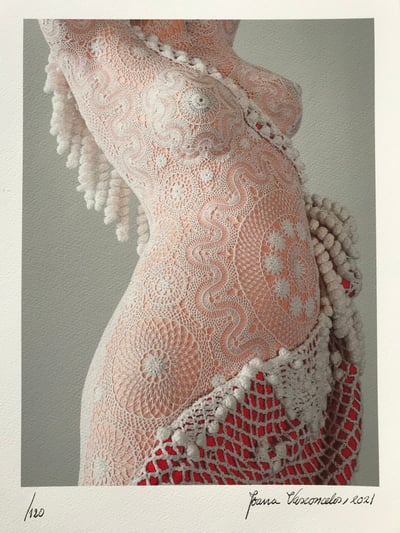
Joana Vasconcelos
Naked, 2021
Photography
Digital Print on paper
EUR 420
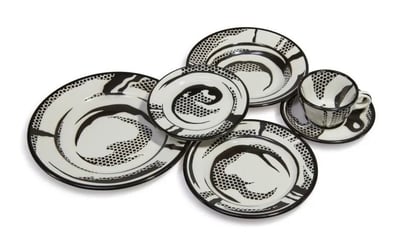
Roy Lichtenstein
Dinnerware: One Setting, 1966
Sculpture / Object
Ceramic
USD 4,300

James Rosenquist
Somewhere to Light, 1966
Limited Edition Print
Screen-print
USD 6,600

Vik Muniz
Butterflies, after Odilon Redon , 2006
Limited Edition Print
Mixed Media
USD 40,000 - 50,000
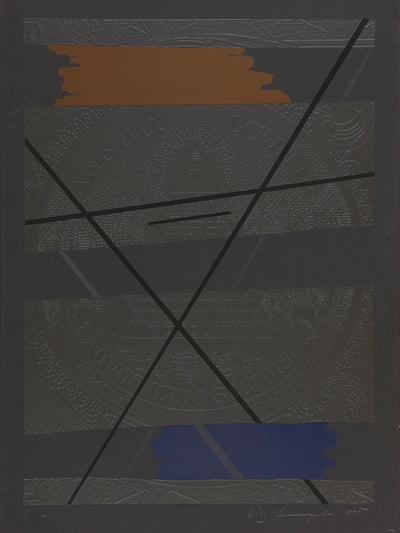
Allan D'Arcangelo
Beginnings, 1975
Limited Edition Print
Mixed Media
USD 1,500

Mr. Brainwash
Love Splash, 2010
Limited Edition Print
Screen-print
USD 5,900
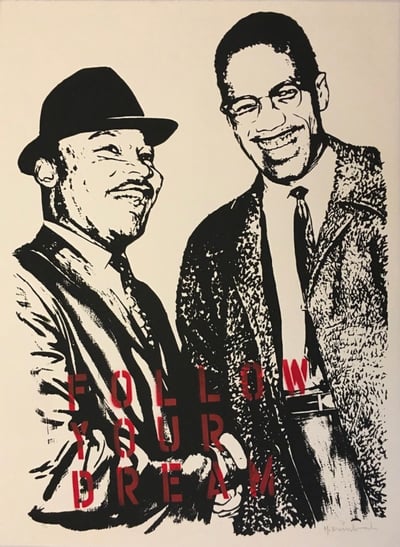
Mr. Brainwash
Follow Your Dream (Martin Luther King Jr. and Malcolm X), 2008
Limited Edition Print
Screen-print
USD 4,325
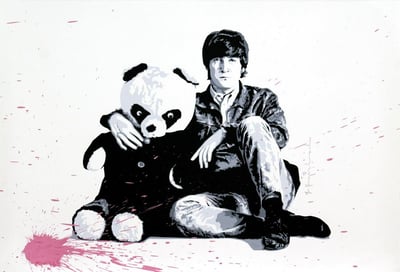
Mr. Brainwash
All You Need Is Love (Lennon), 2010
Limited Edition Print
Silkscreen
USD 4,735
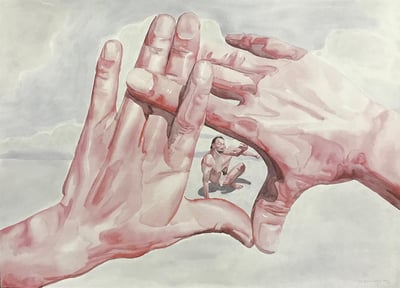
Yue Minjun
Untitled (Smile-ism No. 9), 2006
Limited Edition Print
Lithograph
USD 3,750
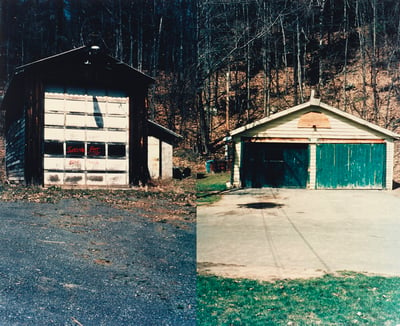
Richard Prince
Untitled (from Upstate - garage), 1998
Photography
Photograph
USD 6,000

Richard Prince
Untitled (from Upstate - nudes), 1998
Photography
Photograph
USD 9,500
Related Articles

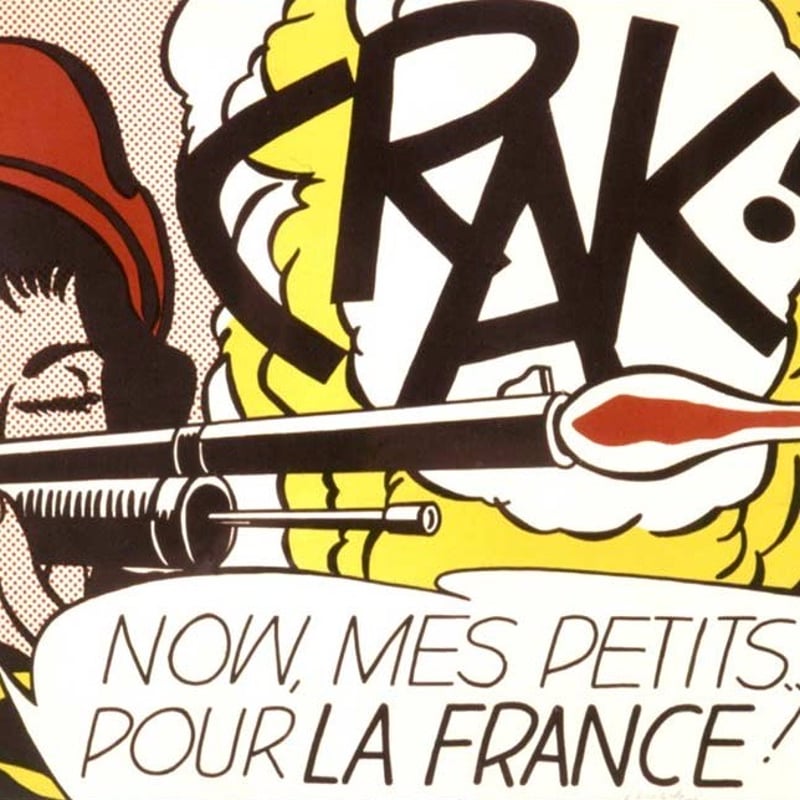
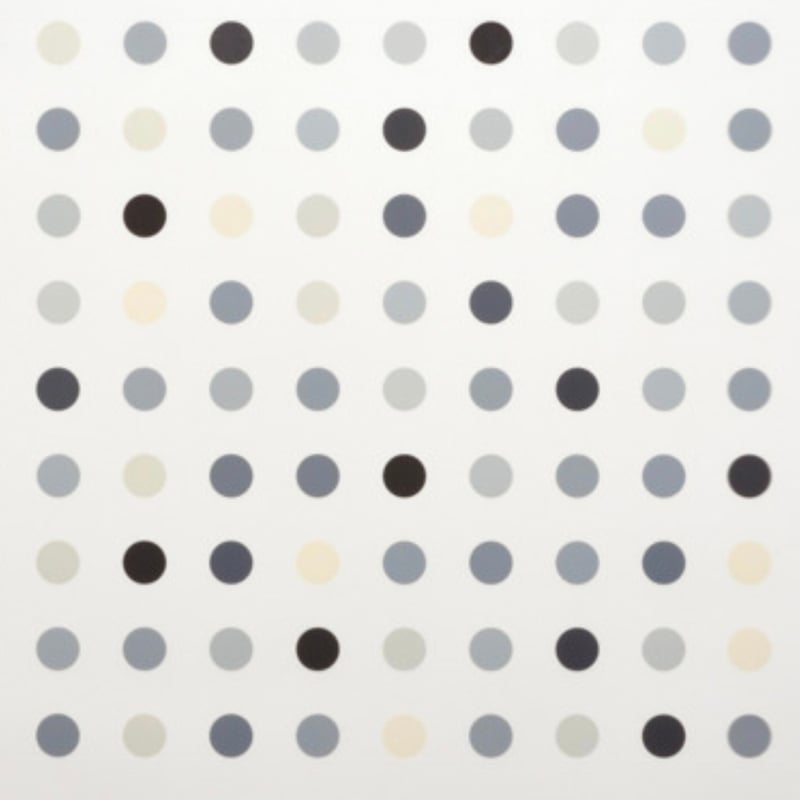
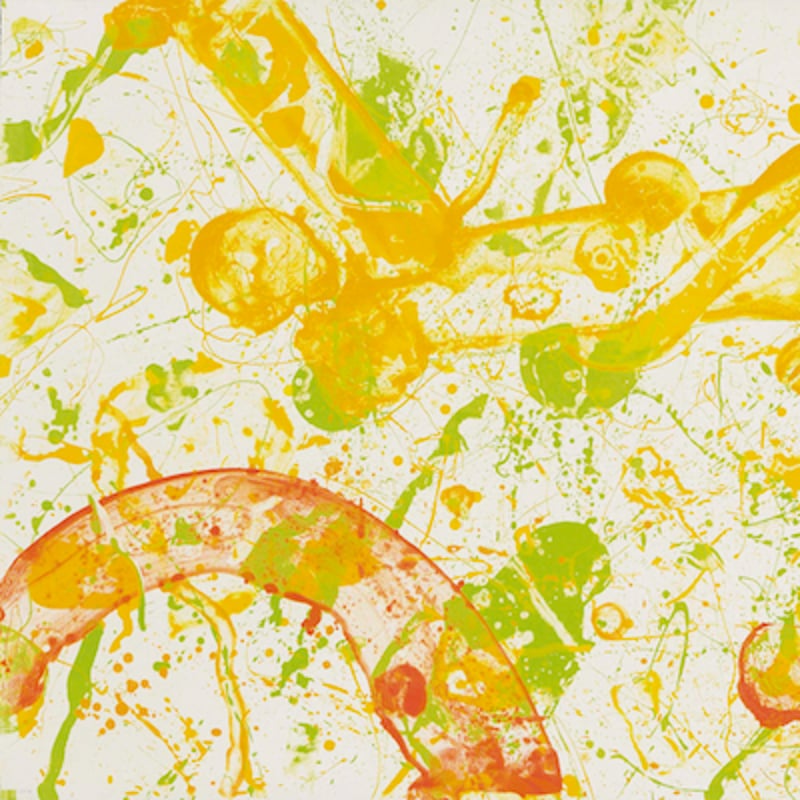
Tachisme is a French abstract painting style that gained popularity between 1940 and 1950, often seen as the European counterpart to Abstract Expressionism. However, there are stylistic differences between the two. Tachisme, which emerged from Art Informel, rejected geometric abstraction in favor of more intuitive and spontaneous expression. It was a reaction against the structured forms of Cubism and is closely related to Informalism. Tachisme emphasizes gestural brushwork, irregular forms, and a focus on the process of painting itself.
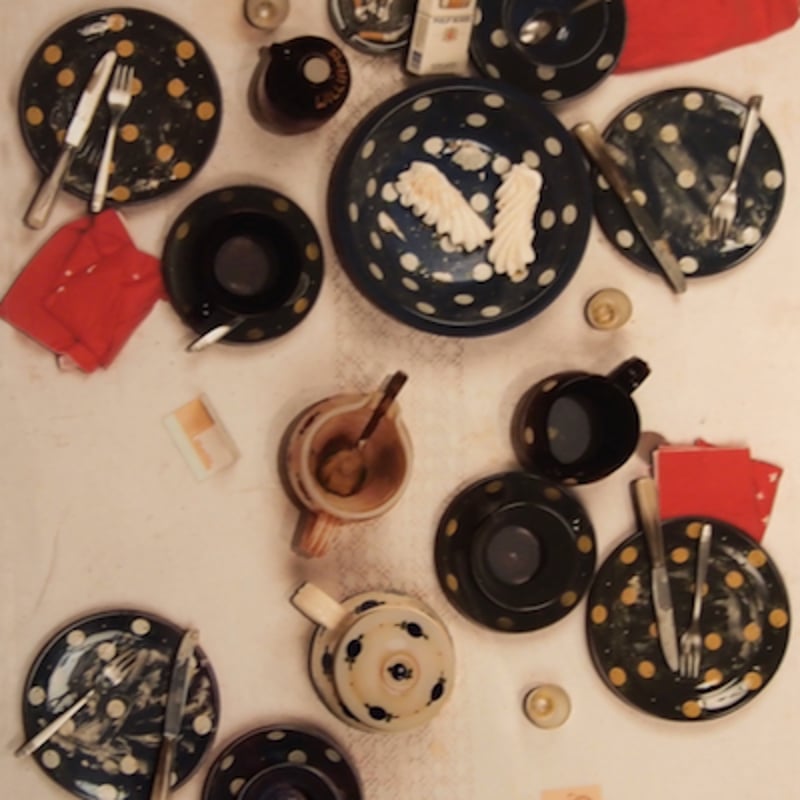
Nouveau Réalisme is an artistic movement founded in 1960 by art critic Pierre Restany and painter Yves Klein during a collective exhibition at a gallery in Milan. Restany wrote the original manifesto in April 1960, proclaiming the movement. In October of that year, nine artists, including Martial Raysse, Yves Klein, Daniel Spoerri, Jean Tinguely, Arman, Pierre Restany, and three Ultra-Lettrists—Jacques de la Villeglé, François Dufrêne, and Raymond Hains—signed the declaration. In 1961, the movement expanded to include Mimmo Rotella, Niki de Saint Phalle, Gérard Deschamps, and César. The movement emphasized a return to reality in art, often incorporating everyday objects and exploring the boundaries between art and life.

A pigment print is a type of print that uses ink colored with pigment particles. Pigment ink is commonly used in inkjet printing because it is more durable and resistant to fading compared to dye-based ink, which is more vibrant but less stable over time.
Can't find your Answer?
Thank you! Your question has been sent — we'll get back to you shortly.
