
What is appropriation?
- Show All
- Established
- Discoveries
- Show All
Artworks Related to Appropriation

Damien Hirst
Six Pills (Large), 2008
Limited Edition Print
C-Print
USD 17,700

Barbara Kruger
Untitled (Flag), 2020
Tapestry
Mixed Media
GBP 1,800

John Baldessari
Dustin Hoffman, 2018
Limited Edition Print
Embossing
Currently Not Available
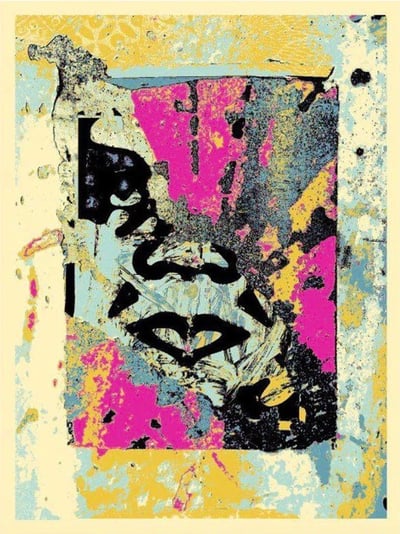
Shepard Fairey
Enhanced Disintegration (Pink), 2019
Limited Edition Print
Screen-print
GBP 1,000

Richard Prince
Instagram New Portraits - Queen Elizabeth II , 2015
Limited Edition Print
Offset Print
GBP 4,790
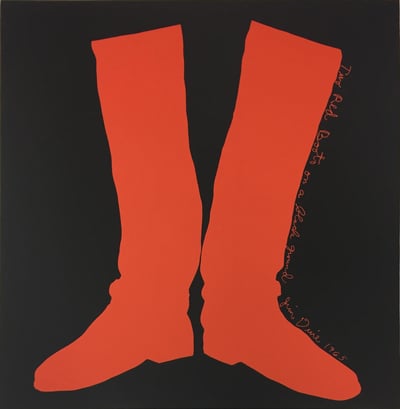
Jim Dine
Two Red Boots on a Black Ground, 1968
Limited Edition Print
Silkscreen
USD 1,350
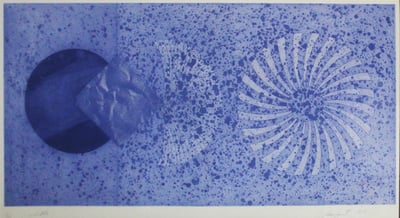
James Rosenquist
The Book Disappears for the Fast Student 2nd State, 1978
Limited Edition Print
Etching and Aquatint
USD 1,100
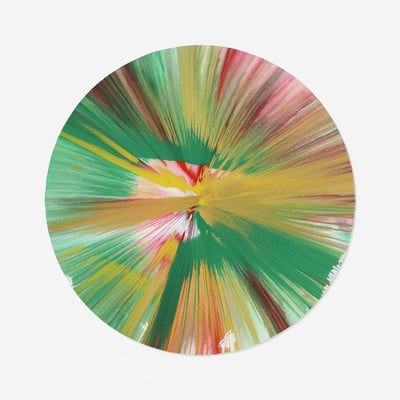
Damien Hirst
Circle Spin Painting, 2009
Painting
Acrylic on paper
USD 6,800
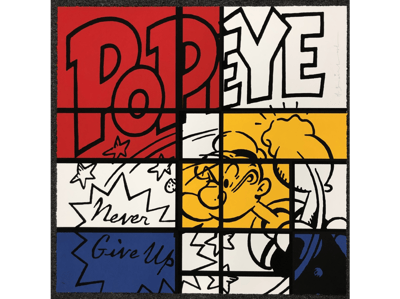
Mr. Brainwash
Mondrian, 2019
Limited Edition Print
Screen-print
Currently Not Available
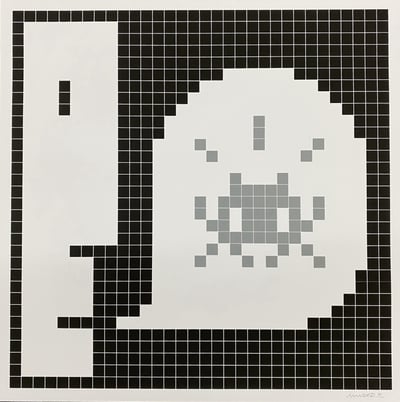
Invader
Alert (Gray), 2021
Limited Edition Print
Screen-print
GBP 5,400

Gerhard Richter
Cage: P19-3, 2020
Limited Edition Print
Mixed Media
GBP 13,500 - 17,000
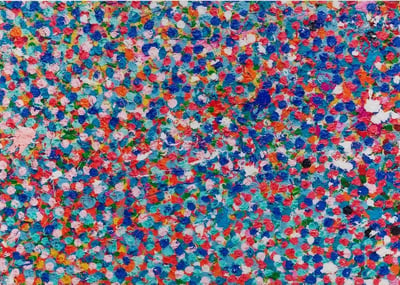
Damien Hirst
H4-8 Keukenhof, 2020
Limited Edition Print
Mixed Media
GBP 13,000 - 15,000

Jeff Koons
Balloon Swan (Magenta), 2019
Sculpture / Object
Porcelain
USD 11,900

Sigmar Polke
Tisch mit umgekippter Kanne I, 1970
Limited Edition Print
Screen-print
Currently Not Available

Huang Yan
Chinese Shanshui Tattoo, 1999
Photography
Photograph
EUR 3,670
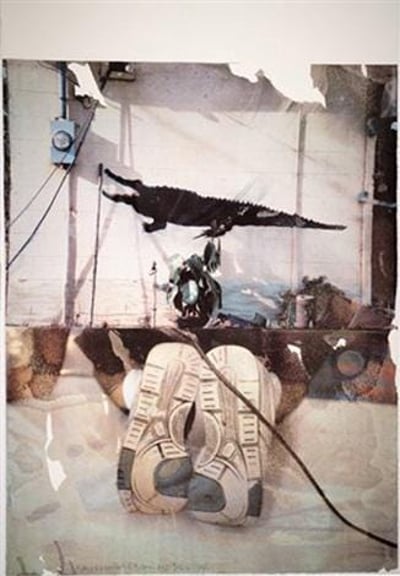
Robert Rauschenberg
Tribute 21 (Environment), 1994
Limited Edition Print
Lithograph
Inquire For Price
Related Articles




Environmental art is a collective term that refers to a wide range of artistic practices and works that engage with historical and ecological themes. The term often encompasses ecological concerns, although it is not exclusively defined by them. Environmental art acknowledges and appreciates the early history of the environmental art movement, including works with activist themes and those celebrating the connection between nature and the artist through the use of natural materials.
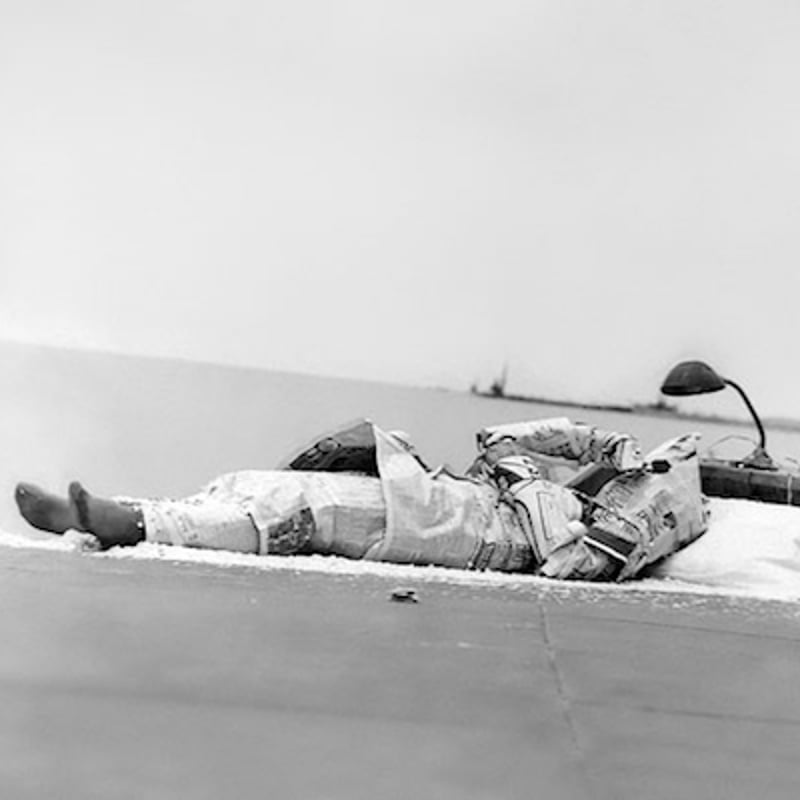
A Happening is a term used to describe artistic and theatrical events held by artists in the 1950s and 60s. These events were typically staged in gallery installations or planned environments and often involved audience participation, along with elements like lighting, sounds, and slide projections. Happenings were a precursor to performance art, which later included the active participation of the artists themselves.
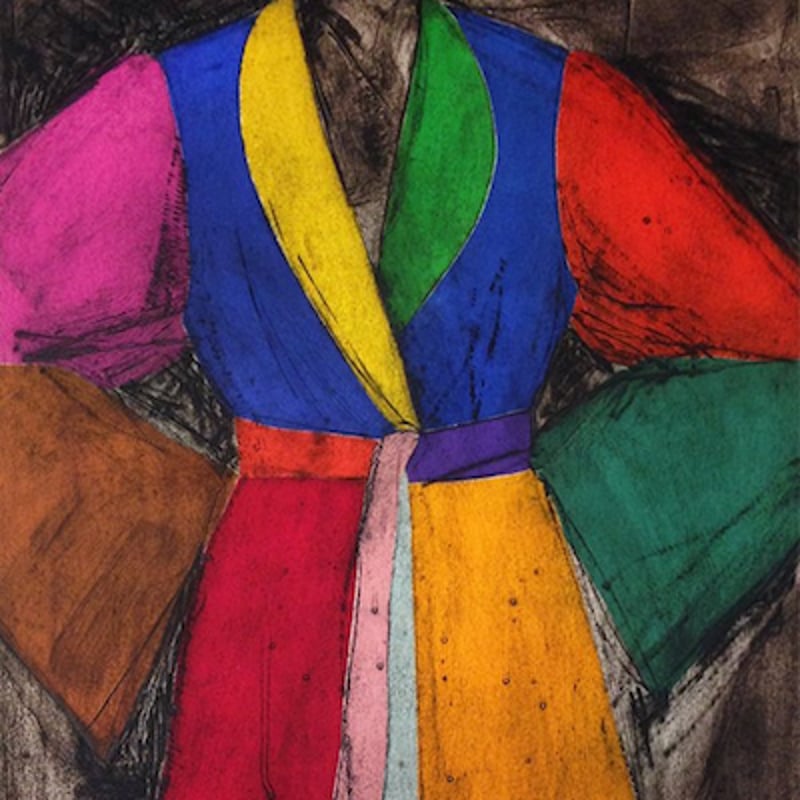
Neo-Dada is a minor visual and audio art movement with intents similar to those of Dada artwork. While it revives some of Dada's objectives, Neo-Dada emphasizes the importance of the produced artwork rather than the concept behind it. The movement is considered the foundation of Pop Art, Nouveau Réalisme, and Fluxus. Neo-Dada is known for its use of absurdist contrasts, popular imagery, and modern materials, blending high and low culture in a way that challenges traditional artistic conventions.
Can't find your Answer?
Thank you! Your question has been sent — we'll get back to you shortly.
