
Lithograph on Rives BFK paper - Sheet: 43 1/4 x 31 1/2 in. (109.8 x 80 cm)
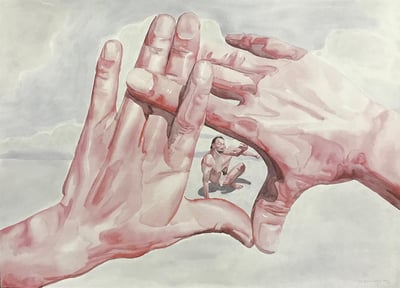
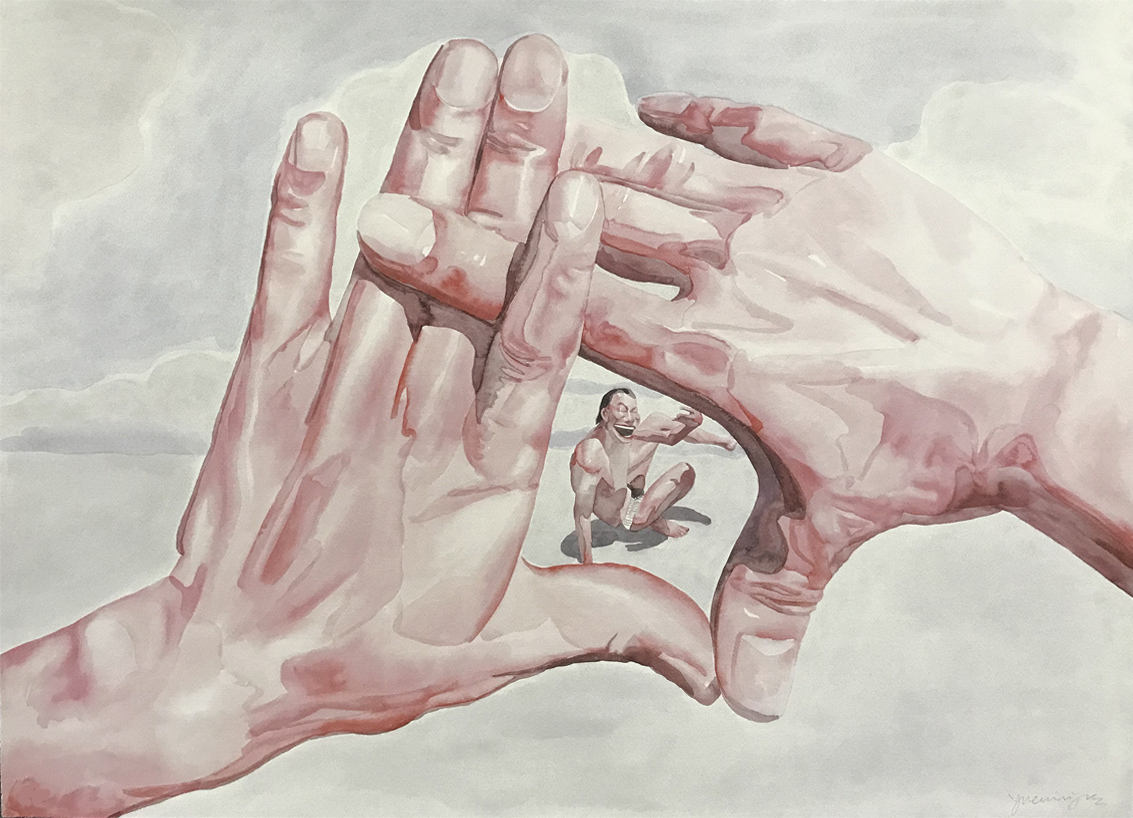
Yue Minjun’s Untitled (Smile-ism No. 9) (2006) is a lithograph that epitomizes his signature surrealism and exploration of human expression. In this work, two large, pale hands form a frame around a small, seated figure, who mirrors the smile and gestures often seen in Minjun’s other self-referential pieces. The hands dominate the foreground, while the figure within the “frame” appears isolated, accentuating a sense of introspection and irony. Known for his exaggerated, laughing self-portraits, Minjun’s work often critiques social and existential themes. The subtle color palette and the expression of the isolated figure evoke a contemplative atmosphere. Printed on Rives BFK paper, the sheet measures 109.8 x 80 cm and is part of a limited edition of 45.
Artwork Copyright © Yue MinjunYue Minjun (China, 1962) is a renowned contemporary artist celebrated for his satirical self-portraits featuring exaggerated laughter. His works, rooted in Cynical Realism, critique societal norms and political issues with humor and irony. Using bold colors and repetitive imagery, Yue’s paintings are iconic representations of post-Tiananmen Chinese art.
Artwork Copyright © Yue MinjunUntitled (Smile-ism No. 9), 2006
Form
Medium
Size
- Inches
- Centimeters
Edition
Price
- USD
- EUR
- GBP
- CHF
- Authenticity Guaranteed
- Insured Shipping
- Online Since 2005
●Inventory 10098
●Hand signed
●Comes with gallery invoice and certificate
●Sell Us a Similar Artwork. Learn more.
Lithograph on Rives BFK paper - Sheet: 43 1/4 x 31 1/2 in. (109.8 x 80 cm)
Yue Minjun’s Untitled (Smile-ism No. 9) (2006) is a lithograph that epitomizes his signature surrealism and exploration of human expression. In this work, two large, pale hands form a frame around a small, seated figure, who mirrors the smile and gestures often seen in Minjun’s other self-referential pieces. The hands dominate the foreground, while the figure within the “frame” appears isolated, accentuating a sense of introspection and irony. Known for his exaggerated, laughing self-portraits, Minjun’s work often critiques social and existential themes. The subtle color palette and the expression of the isolated figure evoke a contemplative atmosphere. Printed on Rives BFK paper, the sheet measures 109.8 x 80 cm and is part of a limited edition of 45.
Artwork Copyright © Yue MinjunYue Minjun (China, 1962) is a renowned contemporary artist celebrated for his satirical self-portraits featuring exaggerated laughter. His works, rooted in Cynical Realism, critique societal norms and political issues with humor and irony. Using bold colors and repetitive imagery, Yue’s paintings are iconic representations of post-Tiananmen Chinese art.
Artwork Copyright © Yue Minjun- Recently Added
- Price (Low-High)
- Price (High-Low)
- Year (Low-High)
- Year (High-Low)
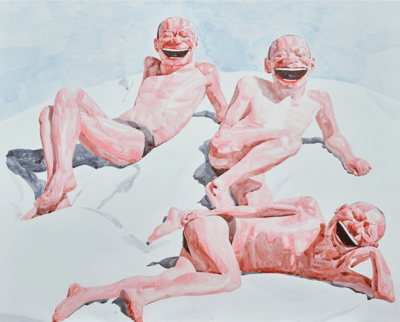
Yue Minjun
Untitled (Smile-ism No.25), 2006
Limited Edition Print
Lithograph
USD 6,500
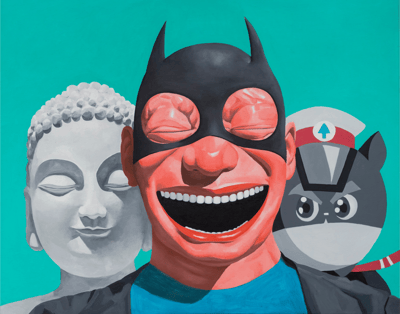
Yue Minjun
The Three Musketeers, 2019-2022
Limited Edition Print
Screen-print
USD 2,300
Yue Minjun
Untitled (Smile-ism No. 9), 2006
Limited Edition Print
Lithograph
USD 3,750
Related Artists


Related Articles
Popular, Collecting - July 23, 2025
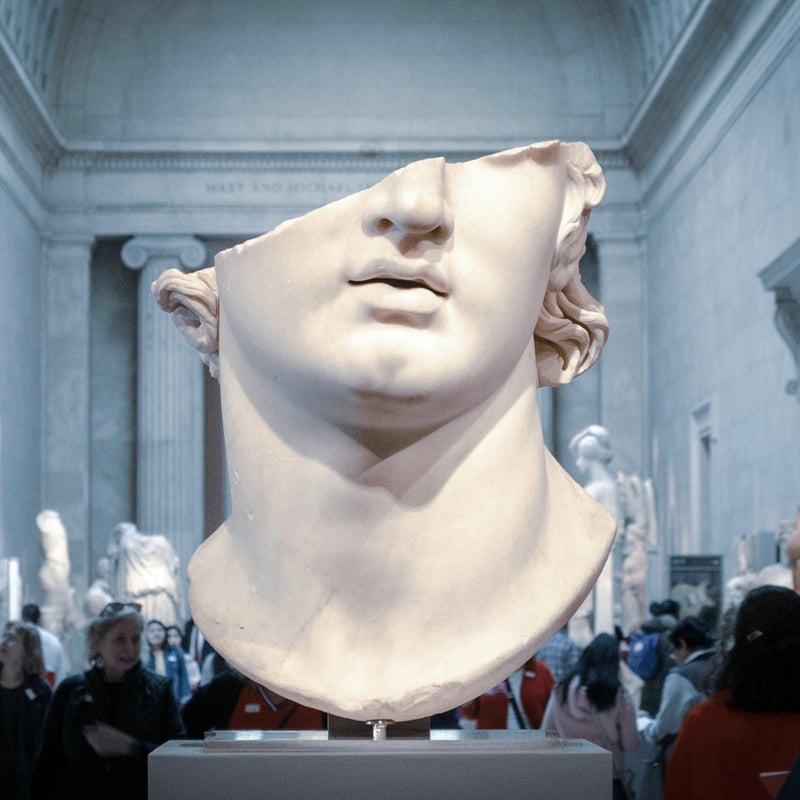
Sculpture Care and Display: From Plinths to Pedestals in Your Home
Learn how to display and care for sculpture at home—from lighting tips to material care—so your art can truly shine in any space.Read More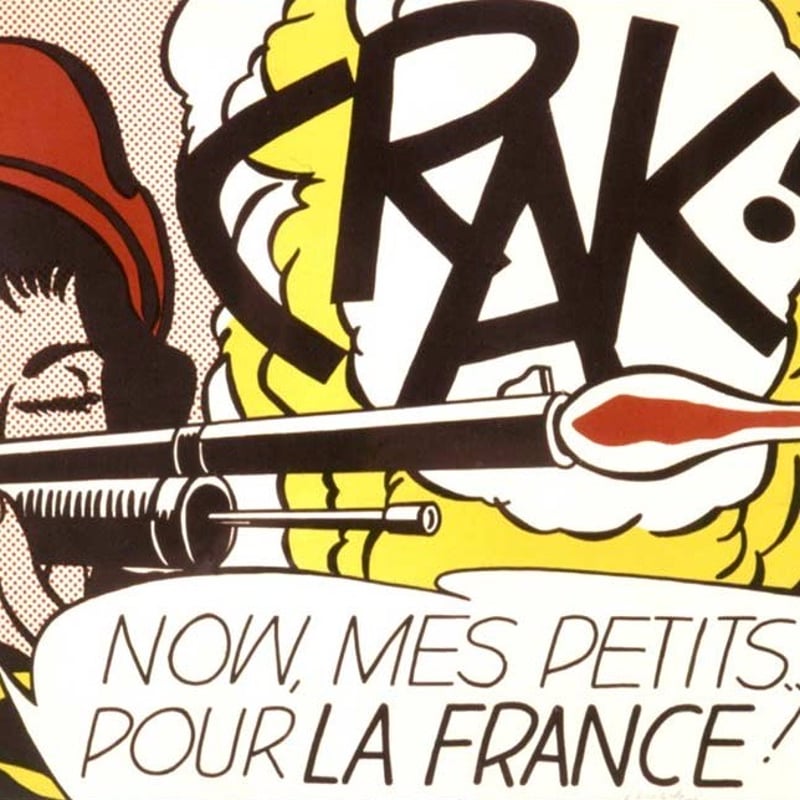
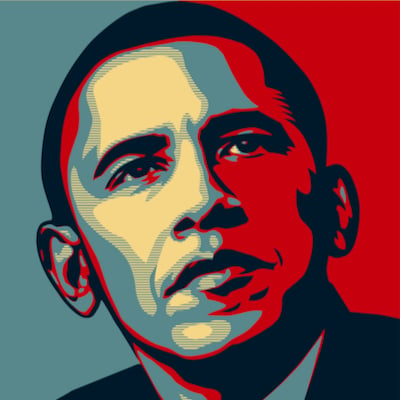
Artwork by Shepard Fairey
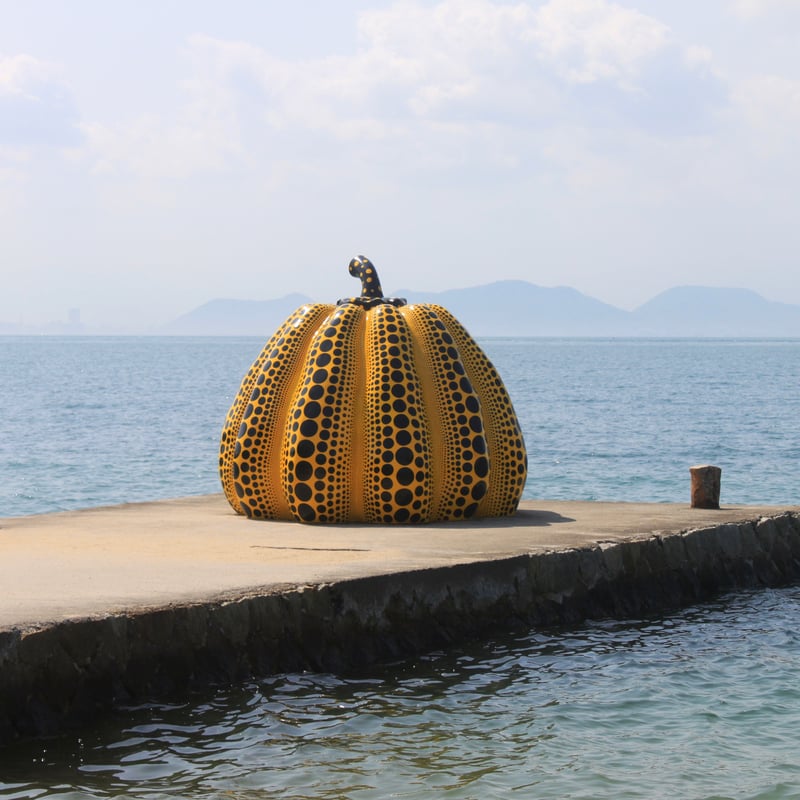
What is appropriation?
Appropriation in art involves using pre-existing images or objects with little or no modification. This technique has played a significant role across various art forms, including visual arts, music, performance, and literature. In visual arts, appropriation refers to the practice of adopting, sampling, recycling, or borrowing elements—or even entire forms—of existing visual culture, integrating them into new works to create meaning or critique.
Yue Minjun
Untitled (Smile-ism No. 9), 2006
80 x 109.8 cm


