
What is appropriation?
- Show All
- Established
- Discoveries
- Show All
Artworks Related to Appropriation
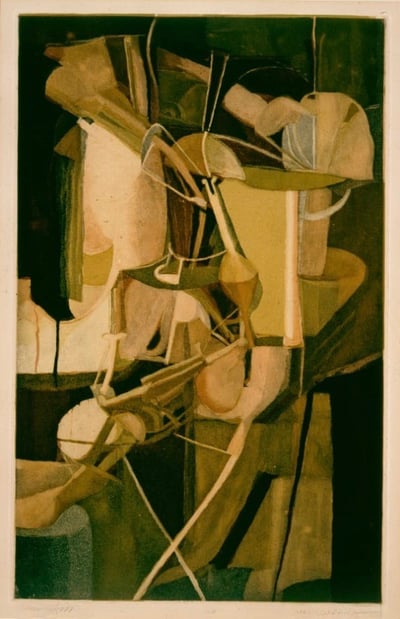
Marcel Duchamp
La Mariée (The bride), 1934
Limited Edition Print
Aquatint
Currently Not Available
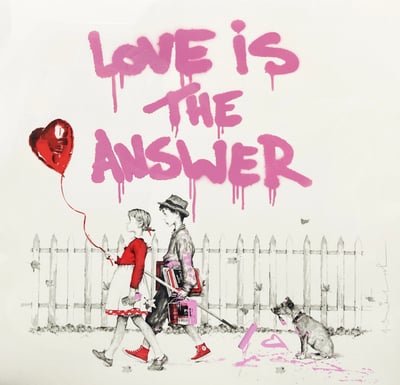
Mr. Brainwash
Love is the Answer (Pink), 2022
Limited Edition Print
Screen-print
USD 2,810
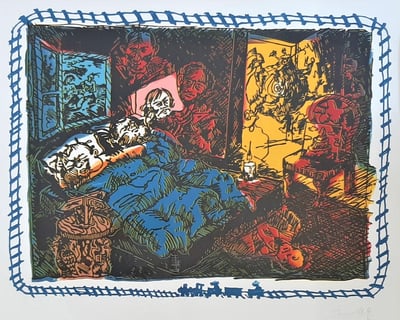
Jorg Immendorf
Surrealistisches Tribunal, 1998
Limited Edition Print
Linocut
EUR 2,300

Jim Dine
Hammers diptych, 1970
Limited Edition Print
Lithograph
Inquire For Price

Mr. Brainwash
Rolls Royce, 2017
Limited Edition Print
Screen-print
Inquire For Price
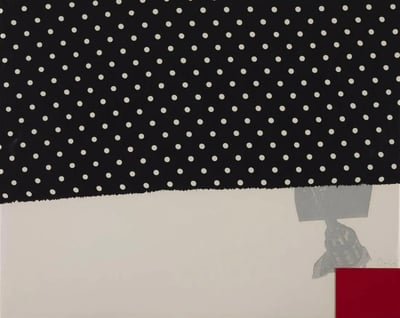
Jim Dine
Tool Box II, 1966
Limited Edition Print
Screen-print
USD 1,350

Claes Oldenburg
Rolling Collar and Tie, 1991
Limited Edition Print
Lithograph
USD 1,550
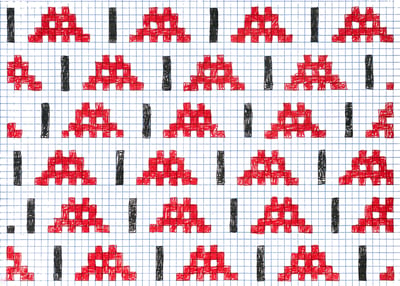
Invader
Homeworks, 2006
Limited Edition Print
Screen-print
USD 34,700

KAWS
Separated, 2021
Limited Edition Print
Lithograph
USD 9,200
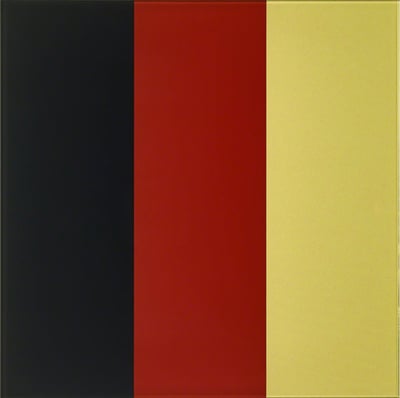
Gerhard Richter
Schwarz-Rot-Gold IV, 2015
Limited Edition Print
Silkscreen
Currently Not Available

Mr. Brainwash
Rubik's Victory, 2020
Limited Edition Print
Screen-print
USD 1,200
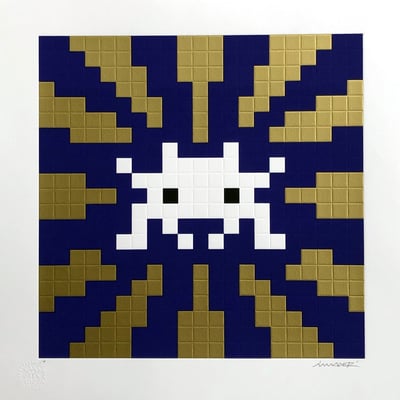
Invader
Sunset (Gold & Blue), 2018
Limited Edition Print
Screen-print
Currently Not Available

Mr. Brainwash
My First Concert, 2010
Limited Edition Print
Screen-print
EUR 1,550
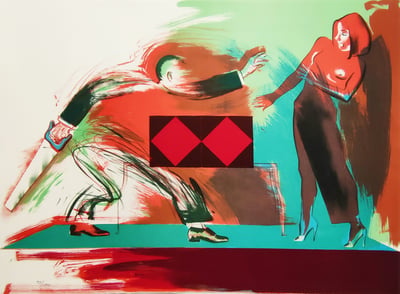
Allen Jones
Trick or Treat, 2000
Limited Edition Print
Lithograph
EUR 1,000
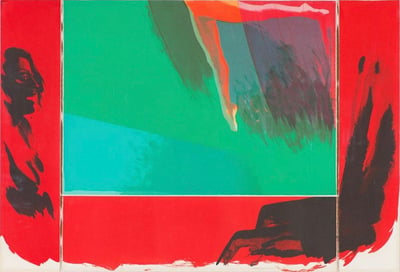
Allen Jones
Box, 1980
Limited Edition Print
Lithograph
USD 1,400
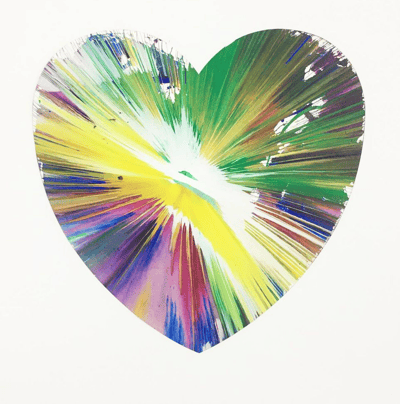
Damien Hirst
Heart Spin Painting (Green, yellow, purple), 2009
Painting
Acrylic on paper
USD 8,700
Related Articles


A Biennial is an art exhibition held every two years, typically on a large scale with international participants. The first and most famous example is the Venice Biennale, established in 1895 and held in the Giardini, a public park in Venice. Over time, the event has grown to include thirty permanent pavilions, each representing different countries. Biennials have become significant events in the contemporary art world, offering a platform for artists to showcase their work to a global audience.

Woodcut is a printing technique where an image is carved into the surface of a woodblock using gouges, with the remaining flat surface holding the ink for printing. The areas cut away by the artist do not carry ink, while the uncut areas do, producing the desired print. The carving follows the wood's grain, unlike wood engraving, where the block is cut across the end-grain. Ink is applied to the surface with a roller, ensuring only the flat, uncarved areas receive ink, leaving the recessed, non-printing areas clean.
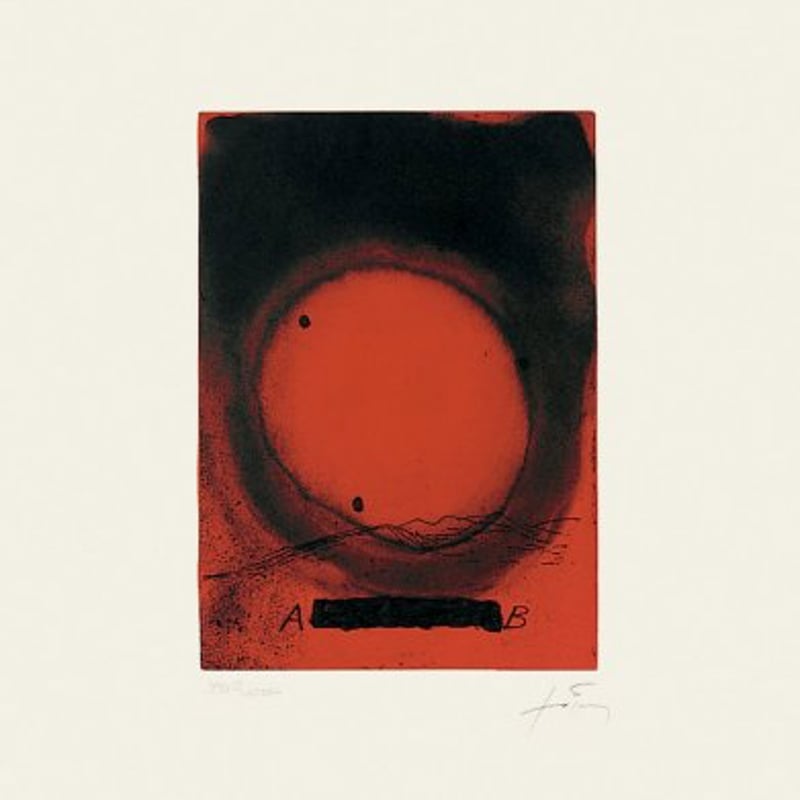
A movement and style in art that originated in Italy during the 1960s. It integrates elements of minimalism, performance art, and conceptual art by using everyday or seemingly worthless materials, such as newspapers, stones, or rags. The goal was to challenge and subvert the commercialization of art.
Can't find your Answer?
Thank you! Your question has been sent — we'll get back to you shortly.
