
What is appropriation?
- Show All
- Established
- Discoveries
- Show All
Artworks Related to Appropriation
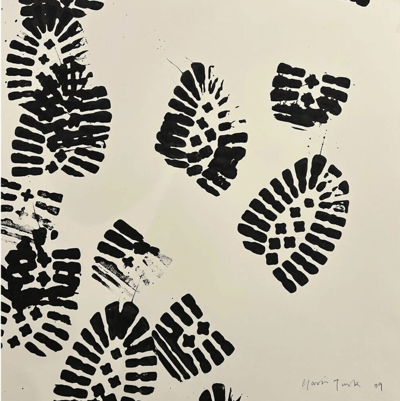
Gavin Turk
Boot, 2009
Painting
Acrylic on paper
Inquire For Price
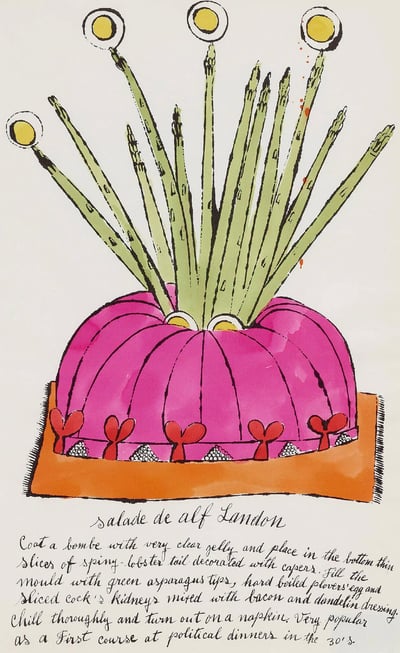
Andy Warhol
Salade de alf Landon (Wild Raspberries IV.128A), 1959
Limited Edition Print
Offset Print
Inquire For Price
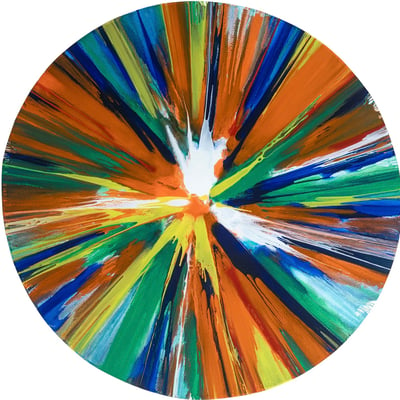
Damien Hirst
Spin Painting, Requiem at the Pinchuk Art Centre, Ukraine, 2009
Limited Edition Print
Acrylic on paper
USD 4,690
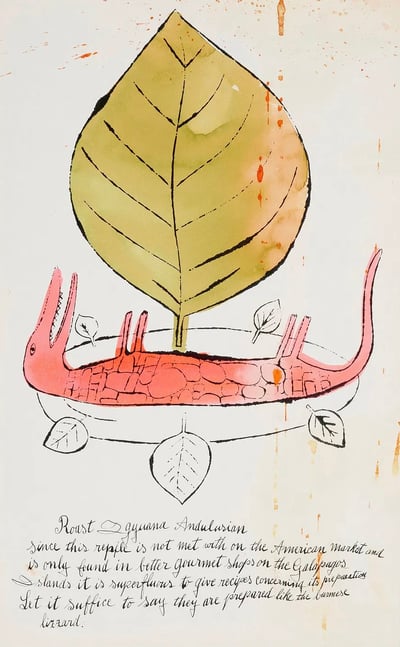
Andy Warhol
Wild Raspberries IV.136A (Roast Iguana), 1959
Limited Edition Print
Offset Print
Inquire For Price
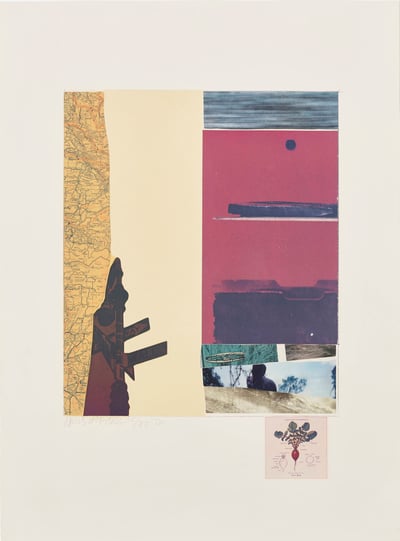
Robert Rauschenberg
XI (from Horsefeathers Thirteen), 1972
Limited Edition Print
Mixed Media
Inquire For Price
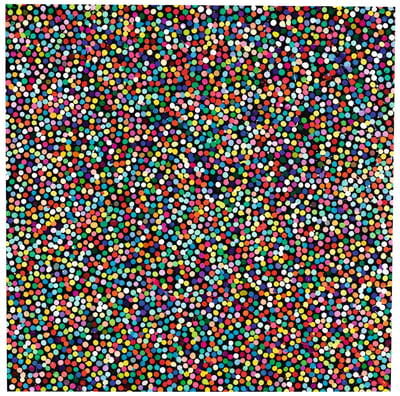
Damien Hirst
Savoy H5-8, 2018
Limited Edition Print
Giclée printing
Currently Not Available
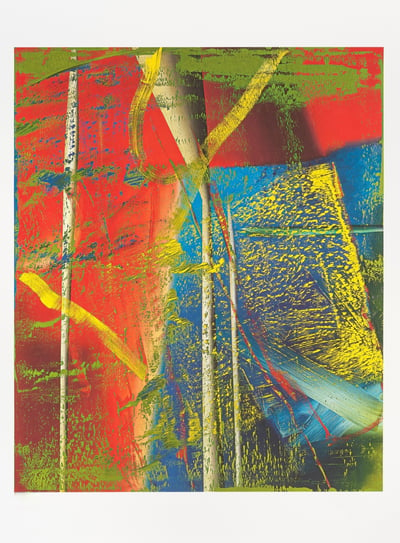
Gerhard Richter
Juno, 1983 (Werk 528), 1982/2025
Limited Edition Print
Mixed Media
EUR 1,880
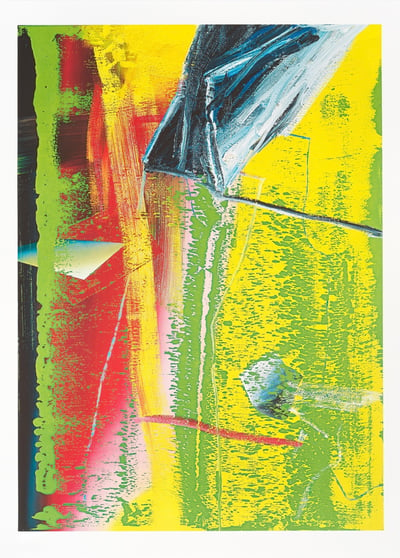
Gerhard Richter
Abstraktes Bild, 1982 (Werk 503), 1982/2025
Limited Edition Print
Mixed Media
EUR 1,880
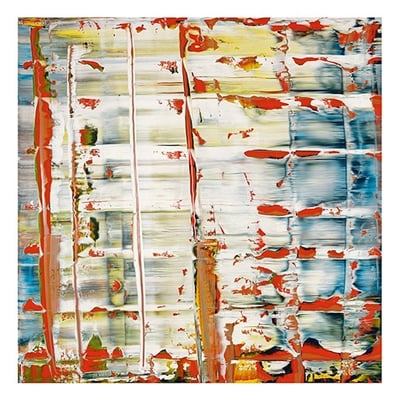
Gerhard Richter
Abstraktes Bild, 1992/2023
Limited Edition Print
Mixed Media
EUR 1,880
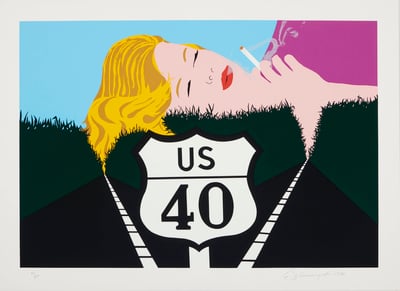
Allan D'Arcangelo
Smoke Dreams, 1980
Limited Edition Print
Screen-print
Inquire For Price
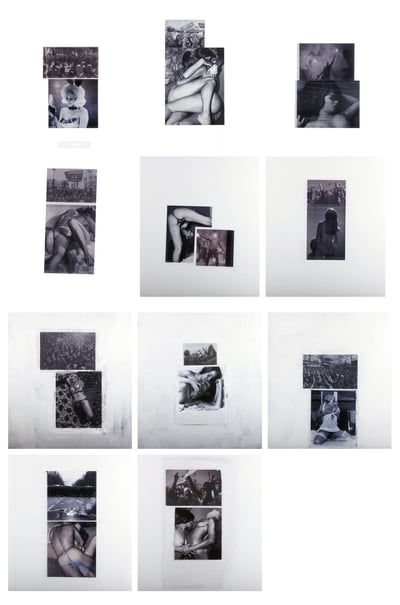
Richard Prince
Protest porfolio, 2014
Photography
Inkjet print
EUR 12,000
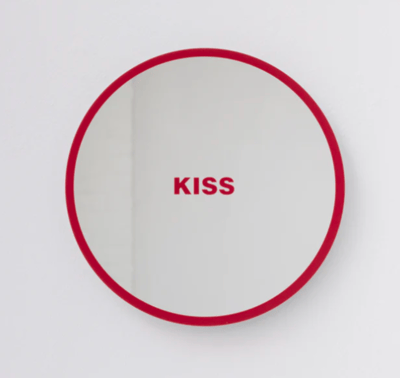
Barbara Kruger
Untitled (2Kiss), 2024
Sculpture / Object
Mixed Media
EUR 1,850

KAWS
Holiday UK (set of two), 2011
Sculpture / Object
Ceramic
EUR 2,500
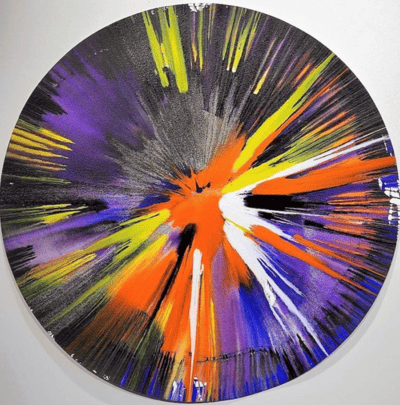
Damien Hirst
Circle Spin, 2009
Painting
Acrylic on paper
EUR 5,000
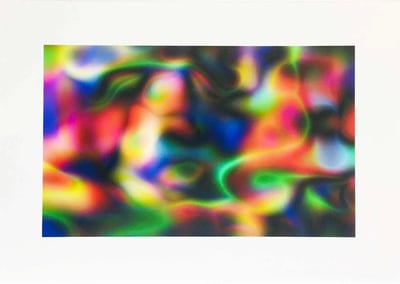
Thomas Ruff
Substrat 21 III, 2003-2019
Photography
C-Print
EUR 1,750
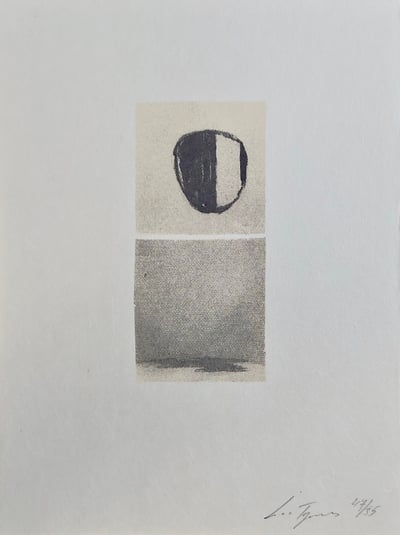
Luc Tuymans
Het versluierd beeld, 2001
Limited Edition Print
Screen-print
EUR 2,400
Related Articles

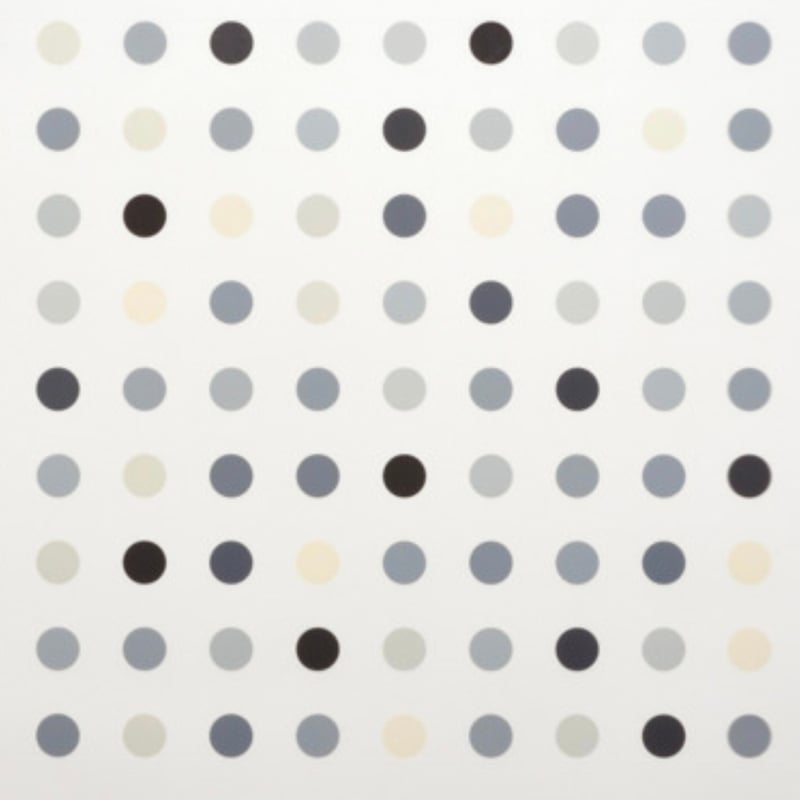

Process Art is an artistic movement and creative approach where the focus is on the act of creation rather than the final product. The term process in this context refers to the various stages of art-making, including gathering, sorting, associating, and organizing materials and actions. This movement emphasizes the artistic journey and the human expression involved in creating art, rather than the finished piece itself. Process Art is driven by inherent motivation, intentionality, and the rationale behind the actions, viewing the creative process as the true artwork.
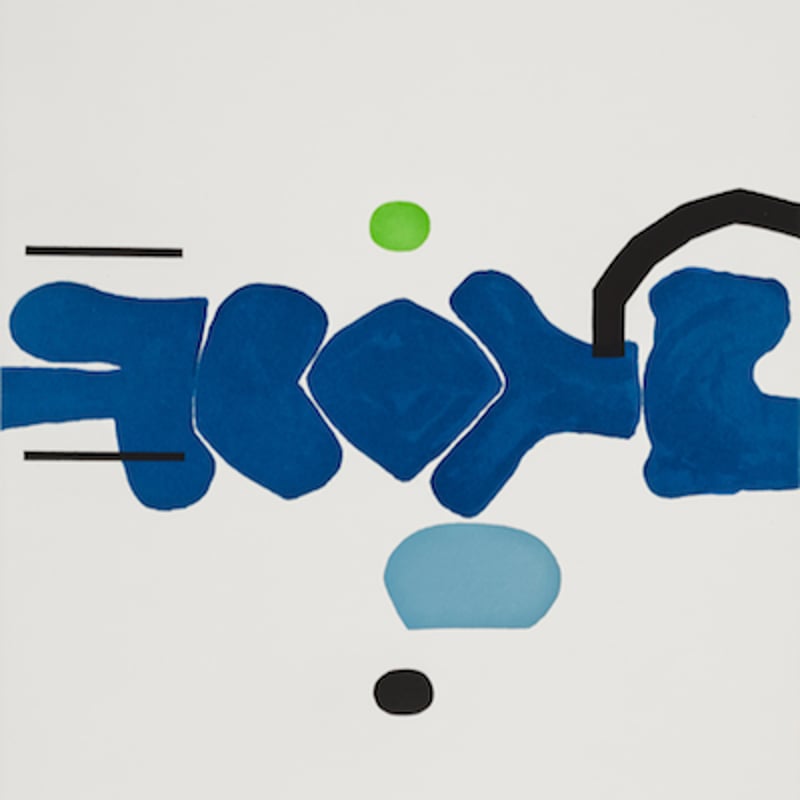
Constructivism is an architectural and artistic philosophy of Russian origin that emerged as a rejection of the idea of autonomous art. The movement advocated for art to serve practical social purposes. Since its inception in 1919, Constructivism has evolved and significantly impacted 20th-century art movements, influencing major trends such as De Stijl and Bauhaus.
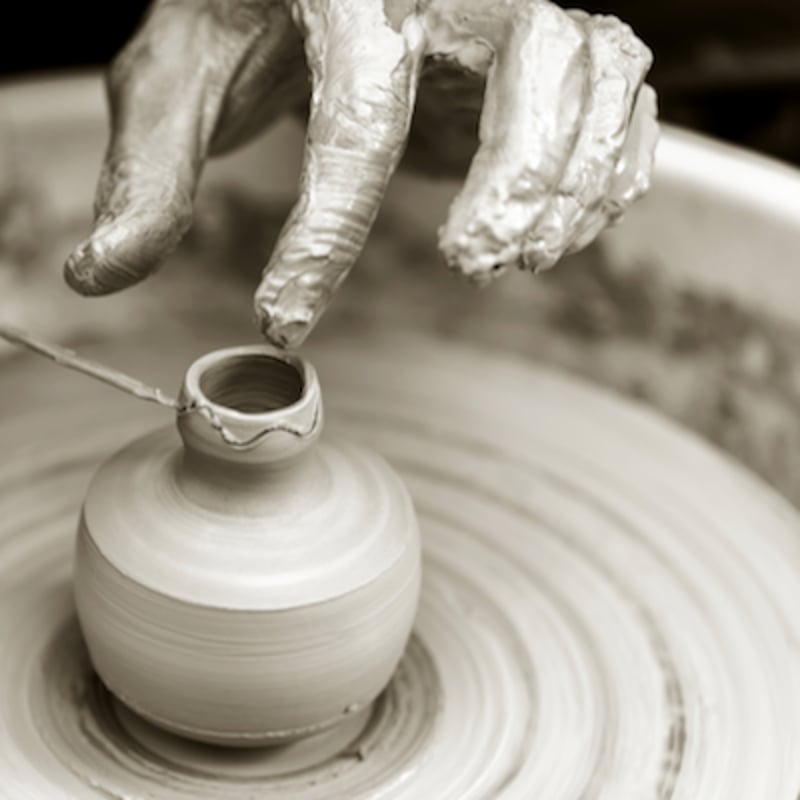
Ceramics is an art form that involves creating objects from clay. The clay is shaped, molded, and formed by hand or with specialized tools, then baked (or fired) in a high-temperature oven called a kiln. Decorative colors and special glazes can be applied to the surface, which are then fired again to finish the piece.
Can't find your Answer?
Thank you! Your question has been sent — we'll get back to you shortly.
