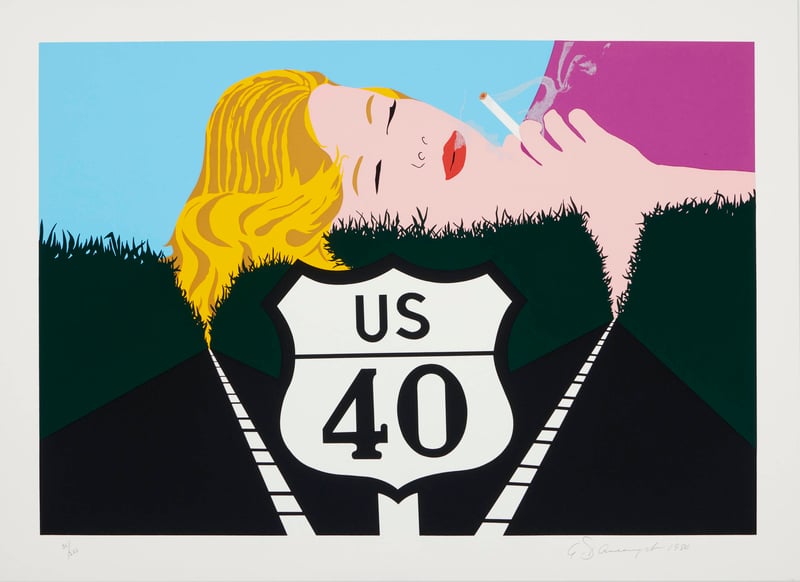
Smoke Dreams, 1980
Form
Medium
Size
- Inches
- Centimeters
Edition
Price
- Authenticity Guaranteed
- Insured Shipping
- Online Since 2005
Allan D'Arcangelo
Smoke Dreams, 1980
Limited Edition Print
Screen-print
Inquire For Price
Allan D'Arcangelo
Beginnings, 1975
Limited Edition Print
Mixed Media
USD 1,500
Allan D'Arcangelo
Title Unknown, 1966
Limited Edition Print
Lithograph
USD 2,400
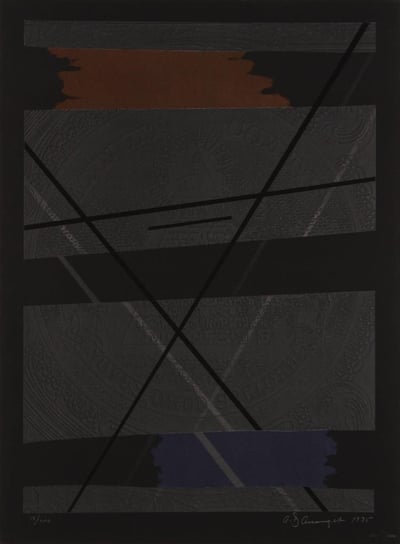
Allan D'Arcangelo
Beginning, 1975
Limited Edition Print
Lithograph
Inquire For Price
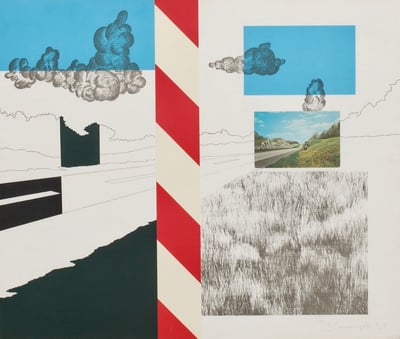
Allan D'Arcangelo
Super Highway, 1969
Limited Edition Print
Silkscreen
USD 1,800
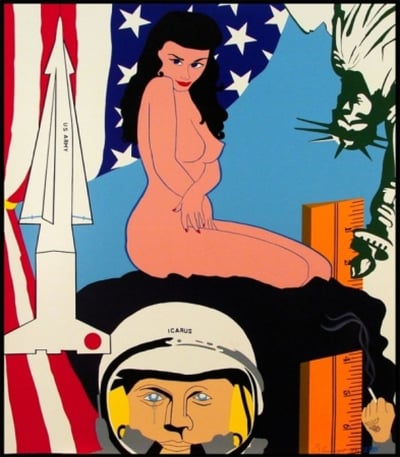
Allan D'Arcangelo
Icarus
Limited Edition Print
Serigraph
USD 4,500
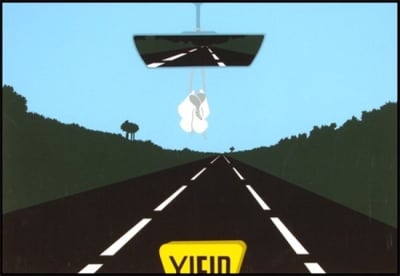
Allan D'Arcangelo
The Holy Famil, 1980
Limited Edition Print
Serigraph
USD 2,800
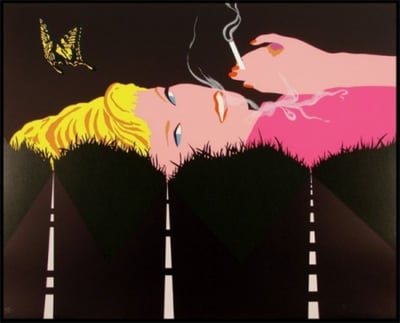
Allan D'Arcangelo
Smoking Blond, 1990
Limited Edition Print
Serigraph
USD 4,000
Related Artists

Related Articles
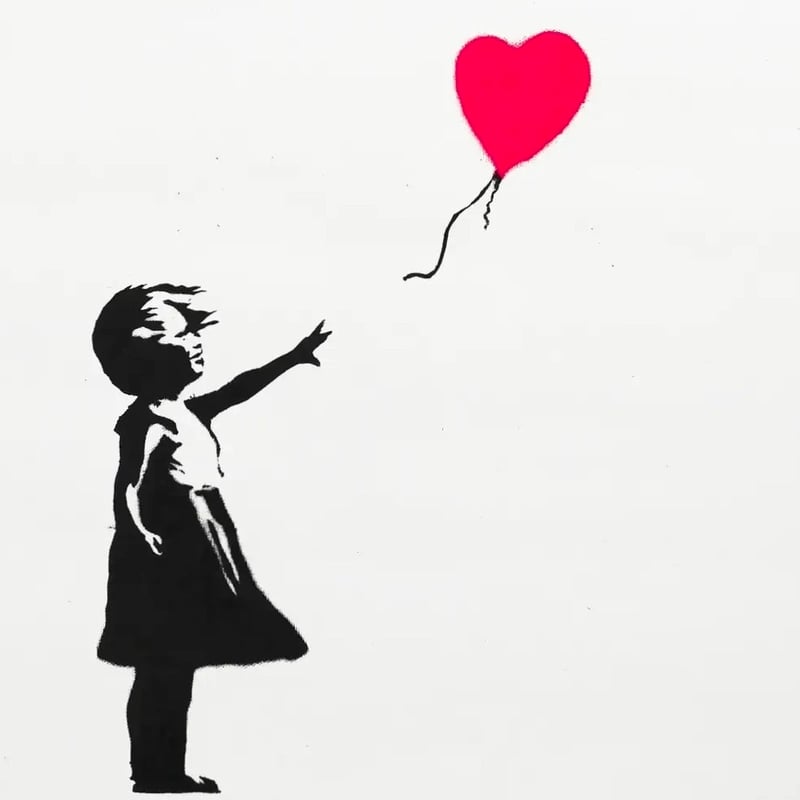
Popular, Artists, Collecting - August 25, 2026
Banksy’s Girl with Balloon, 2004: Signed vs Unsigned Prints
Compare Banksy’s 2004 Girl with Balloon signed and unsigned screenprints, edition sizes, Pest Control authentication, rare proofs and auction history.Read More
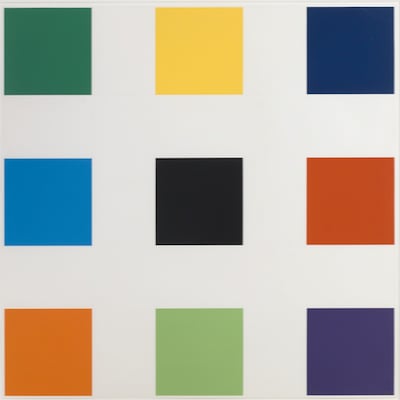
What is Hard Edge Art?
Hard Edge art is a style of abstract painting that became popular in the 1960s. It features areas of color separated by crisp, sharp edges that are painted with geometric precision. The term hard-edge painting was coined by art critic Jules Langsner to describe this approach, which contrasts with the softer, more fluid forms of other abstract styles.

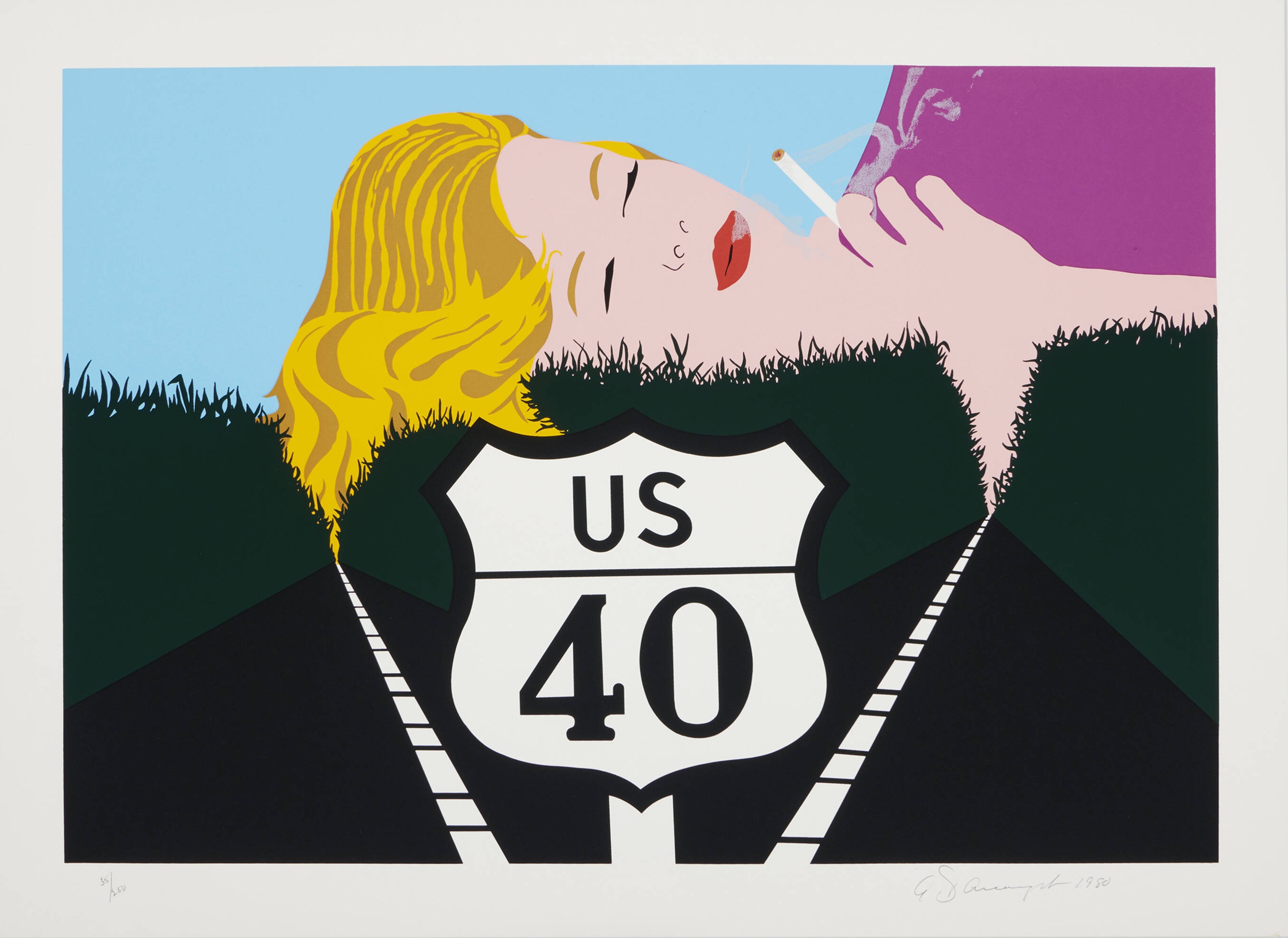
Allan D'Arcangelo
Smoke Dreams, 1980
66 x 91 cm


