
What is appropriation?
- Show All
- Established
- Discoveries
- Show All
Artworks Related to Appropriation
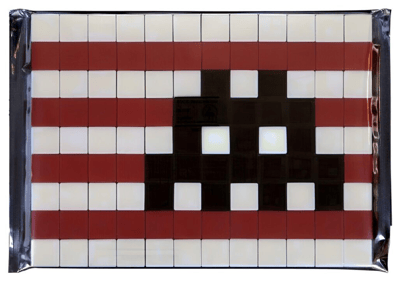
Invader
Invasion Tile Kit #18 L.A, 2018
Ceramics
Ceramic
Inquire For Price
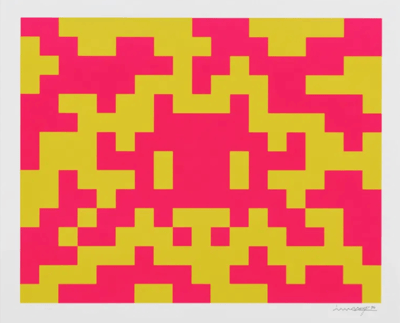
Invader
Camo M-2C-M1, 2024
Limited Edition Print
Screen-print
Inquire For Price
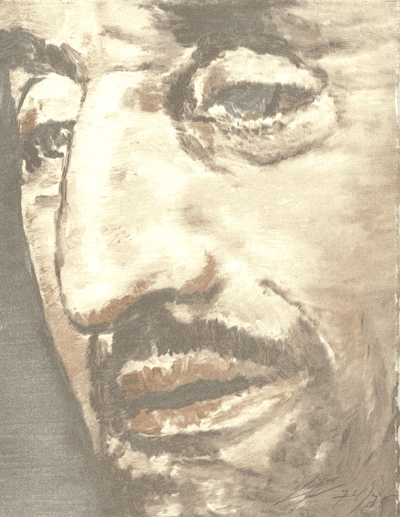
Luc Tuymans
The Nose/Le Nez, 2014
Limited Edition Print
Lithograph
USD 3,960
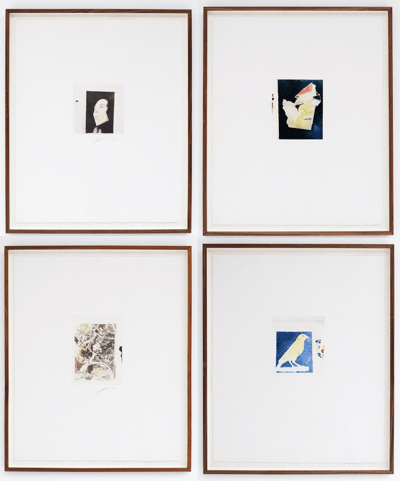
Luc Tuymans
Isabel, Diorama, Scramble, Twenty Seventeen, 2017
Limited Edition Print
Etching
USD 10,000 - 14,000
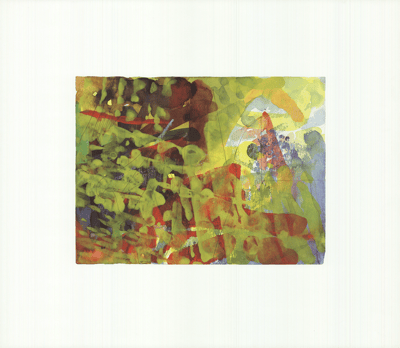
Gerhard Richter
IBM (G.EL.2, 18.1.1984), 1987
Limited Edition Print
Offset Print
USD 7,000 - 10,000
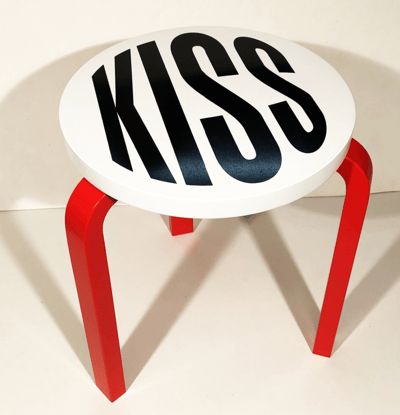
Barbara Kruger
Untitled (Kiss), 2019
Sculpture / Object
Wood
USD 3,500 - 6,000

Jasper Johns
The Season, 1990
Limited Edition Print
Etching
USD 14,000 - 17,000

Jim Dine
Pinocchio (Lincoln Center), 2008
Limited Edition Print
Mixed Media
USD 5,000 - 8,000
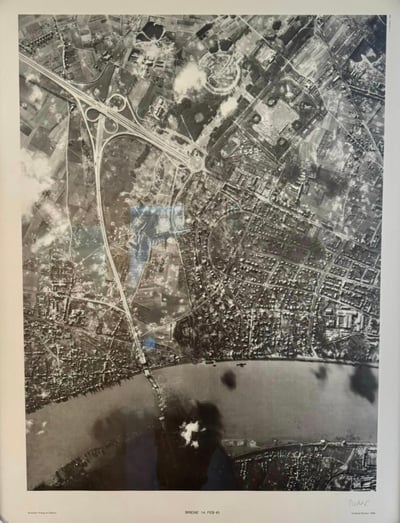
Gerhard Richter
Bridge 14 FEB 45 (III), 2000
Limited Edition Print
Offset Print
GBP 12,000 - 16,000

Gavin Turk
Merlot Damask, 2011
Limited Edition Print
Mixed Media
Inquire For Price

Gavin Turk
Knob, 1997
Limited Edition Print
Silkscreen
GBP 5,000 - 8,000
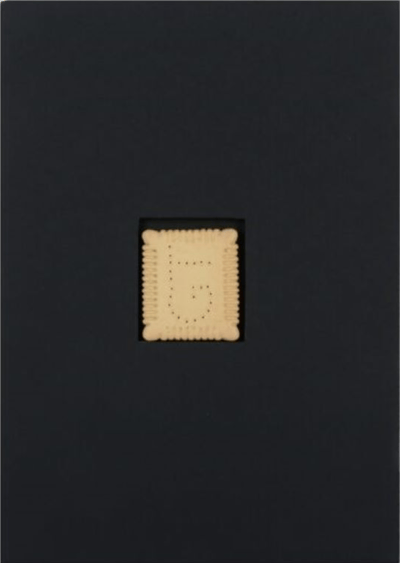
Gavin Turk
GT Biscuit, 2015
Sculpture / Object
Resin
Inquire For Price

Gavin Turk
Cycle Line, 2018
Limited Edition Print
Mixed Media
GBP 2,100
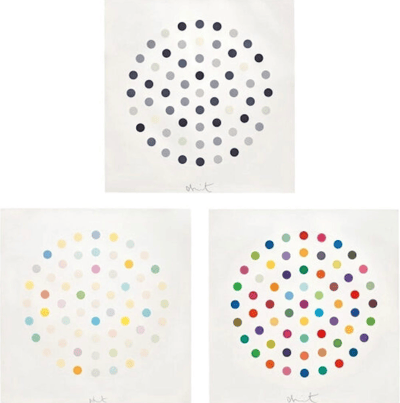
Damien Hirst
Cinchonidine, Ciclopirox Olamine and Cineole, 2004
Limited Edition Print
Etching
Inquire For Price
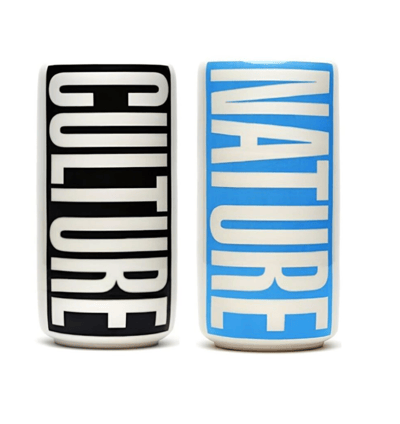
Barbara Kruger
Untitled (Vase), 2020
Sculpture / Object
Ceramic
GBP 1,800
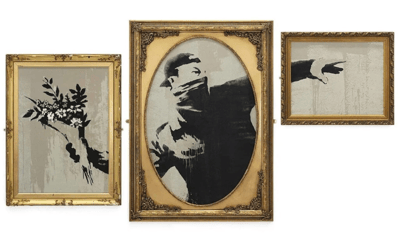
Banksy
Thrower Triptych (VIP), 2019
Limited Edition Print
Screen-print
Inquire For Price
Related Articles


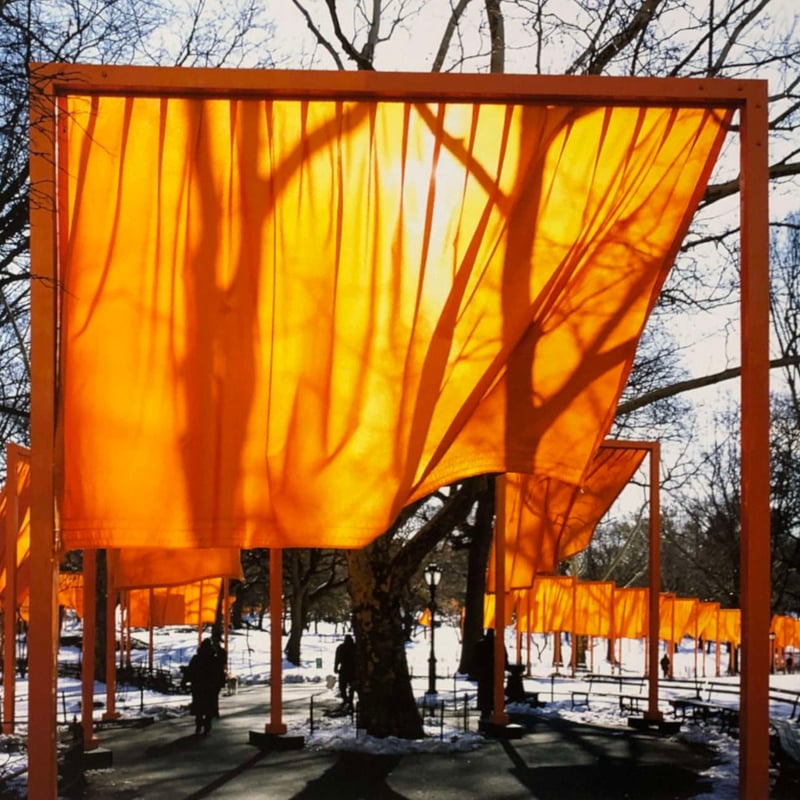
Ephemeral art is a type of art that occurs only once and typically lasts for a very short period. It cannot be displayed as a traditional work of art in a gallery or museum. Examples of ephemeral art include performances, happenings, sound sculptures, flyers, and mass-produced items. This art form emphasizes the transient nature of the experience, existing only in the moment and often leaving no lasting physical trace.

Authenticity refers to the qualities that define an original artwork as genuine, created by the artist under the original circumstances. A reproduction lacks authenticity because it was not made by the original artist and does not share the same context or creation process. The authenticity of an original artwork can be questioned when reproductions exist, which can diminish its value. Authenticity is often established through provenance, expert analysis, and documentation, ensuring the artwork's originality.
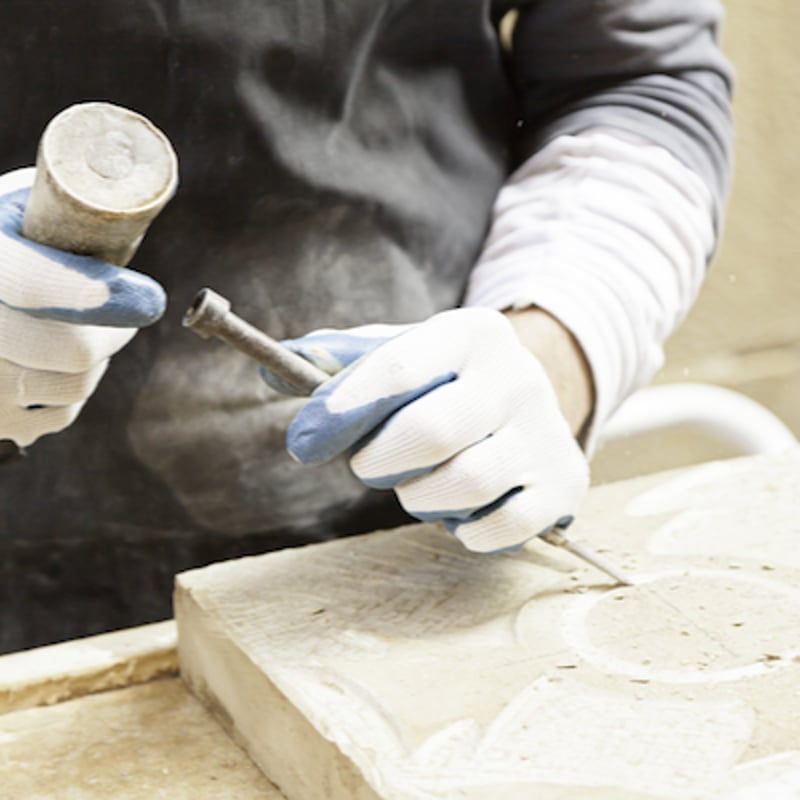
Stone is a hard, natural material found in the ground and used for various artistic purposes, such as carving statues, creating jewelry, and assembling mosaics. Artists and rock collectors often seek out interesting stones to cut, polish, and incorporate into their artwork.
Can't find your Answer?
Thank you! Your question has been sent — we'll get back to you shortly.
