
Switzerland consistently underscores its position as a central axis in the global contemporary art realm. The country is home to prestigious museums such as the Kunsthaus Zürich and the Fondation (...) read more
Art Glossary
Definitions of Art Forms, Mediums, and Movements
Image View
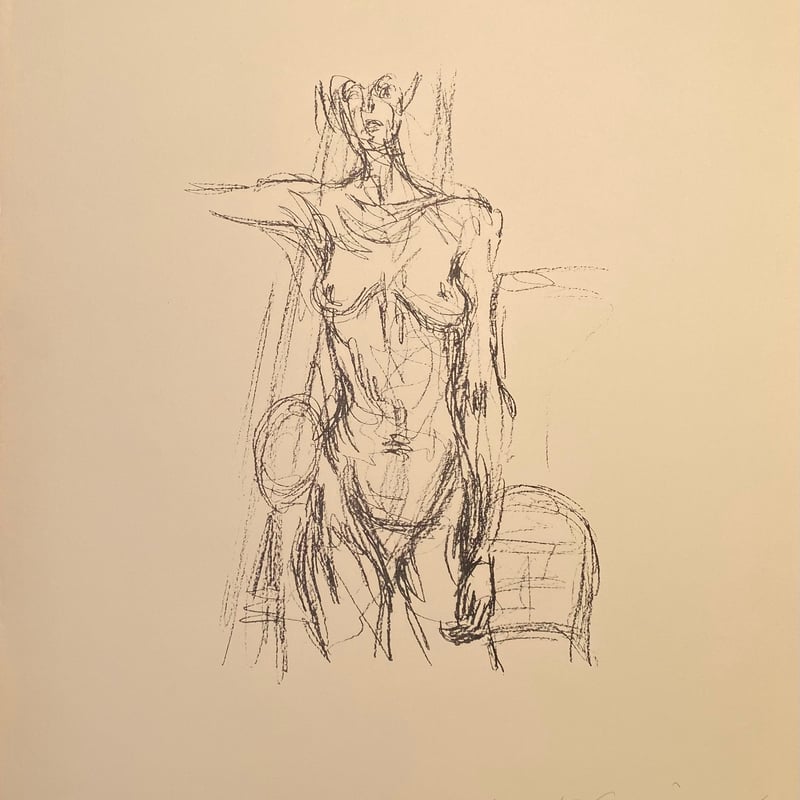
Artwork Copyright © Alberto Giacometti

Systems Art refers to a group of artists who, during the late 1960s and early 1970s, used the frameworks of conceptualism and minimalism to create art that was responsive to its environment. (...) read more
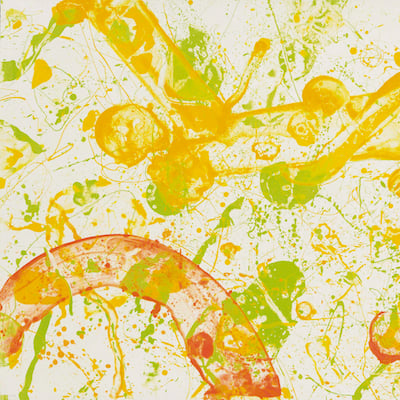
Tachisme is a French abstract painting style that gained popularity between 1940 and 1950, often seen as the European counterpart to Abstract Expressionism. However, there are stylistic differences (...) read more

Tapestry is a heavy, handwoven textile featuring intricate designs or images woven directly into the fabric. Created by skilled weavers using materials like wool, linen, cotton, silk, and sometimes (...) read more

Tapestry is a woven form of textile. It is generally heavy, and the completed work has a decorative pattern, design or realistic depiction of a portrait or real life activities. Tapestries were hung (...) read more

Tempera is a paint traditionally made by mixing colored pigments with egg yolk. It dries quickly and is highly durable, with some examples dating back to 100 AD still in existence. Modern tempera (...) read more

Textile refers to a flexible material made by weaving, felting, crocheting, knitting, or knotting long strands of natural or synthetic yarn or thread. Textile artists often create their own materials (...) read more

Transavanguardia is the Italian version of Neo-Expressionism, referring to an art movement that emerged in Italy and other parts of Western Europe during the 1970s and 1980s. The term translates to (...) read more

A triennial is a large-scale art exhibition that takes place every three years. These exhibitions often feature the latest artistic developments, works, and emerging artists on an international (...) read more

A triptych is an artwork divided into three sections or panels, often hinged together, allowing it to be displayed open or folded shut. It is a type of polyptych, a term for multi-panel artworks. (...) read more
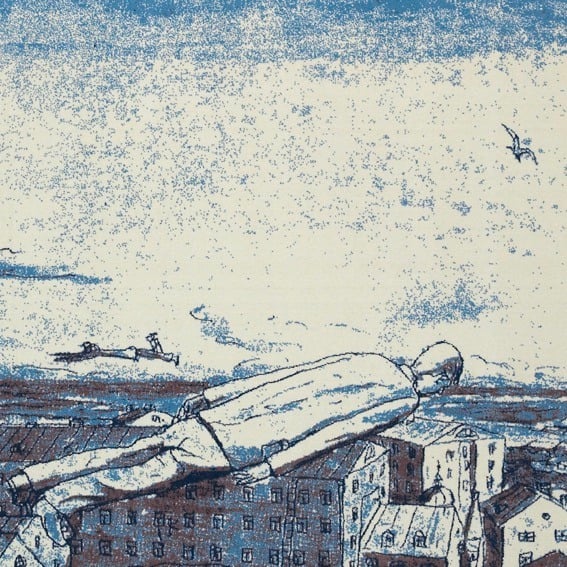
Ukraine's contemporary art scene reflects a captivating blend of rich heritage and forward-thinking dynamism. Artists such as Pavlo Makov and Anatoly Kryvolap are creating bold, innovative works that (...) read more

The Uncanny is a concept described by psychologist Sigmund Freud as the eerie or unsettling feeling that arises when something familiar is presented in a strange or unfamiliar way. Surrealist (...) read more
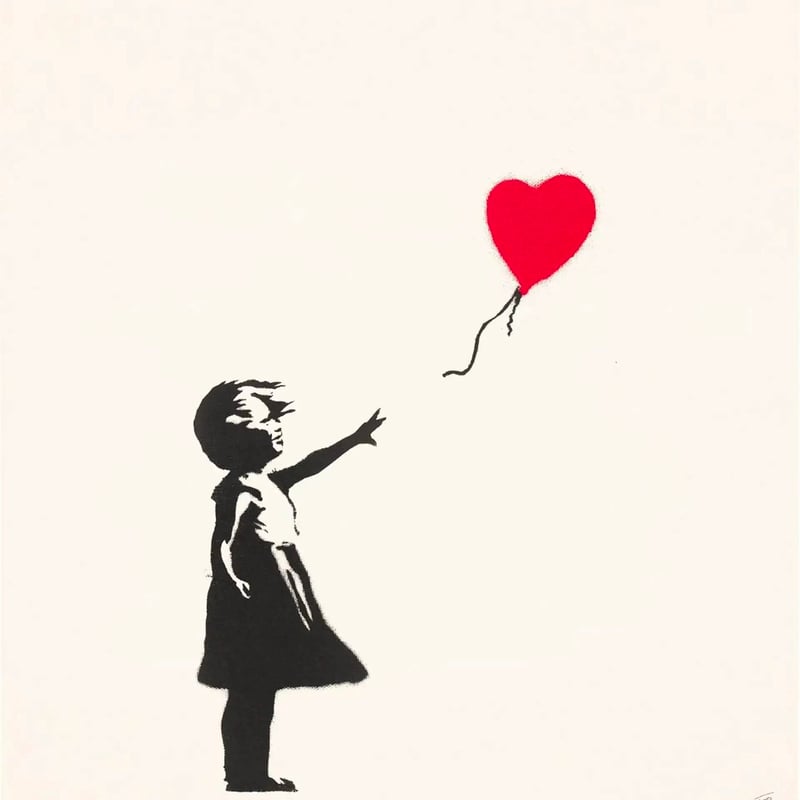
Immerse yourself in the pulsating energy of the United Kingdom's contemporary art landscape. Steeped in history yet invigorated by cutting-edge experimentation, it is home to notable institutions (...) read more
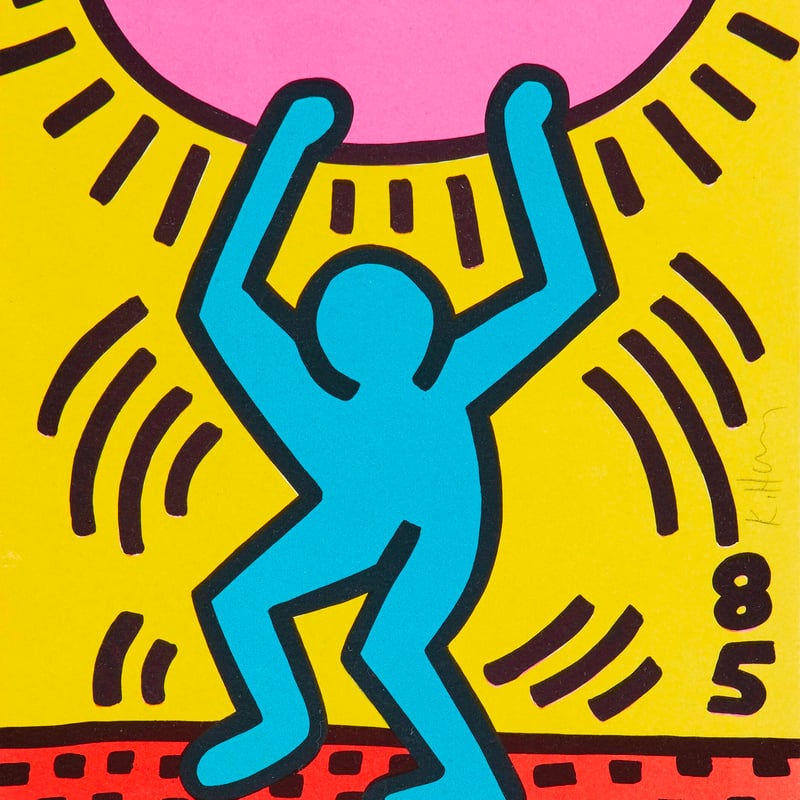
The contemporary art scene in the United States is a dynamic fusion of diverse traditions and avant-garde explorations, resonating across the global art spectrum. Institutions like the Museum of (...) read more
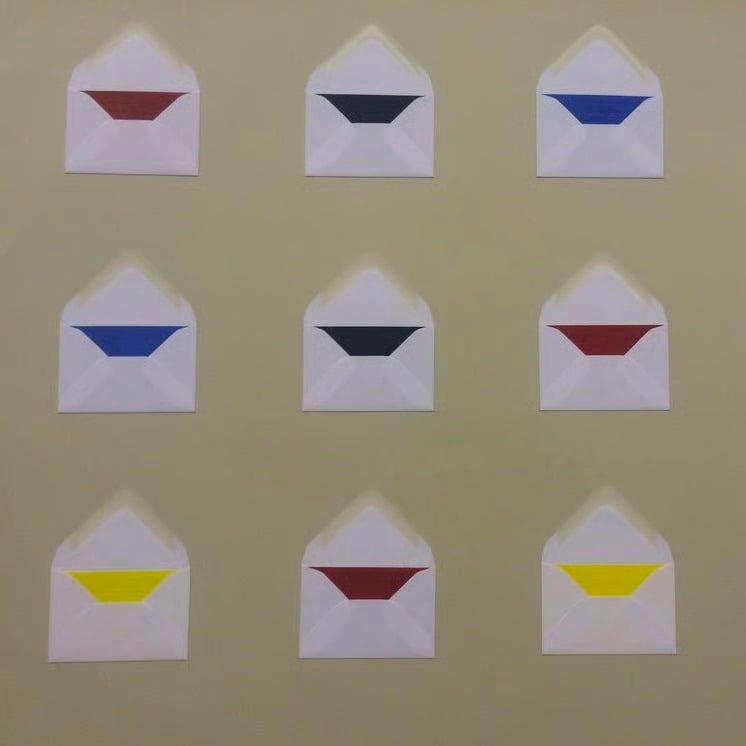
Contemporary Art in Uruguay is a dynamic and evolving field, reflecting the country's rich cultural heritage and innovative spirit. Uruguayan artists, through various mediums such as painting, (...) read more
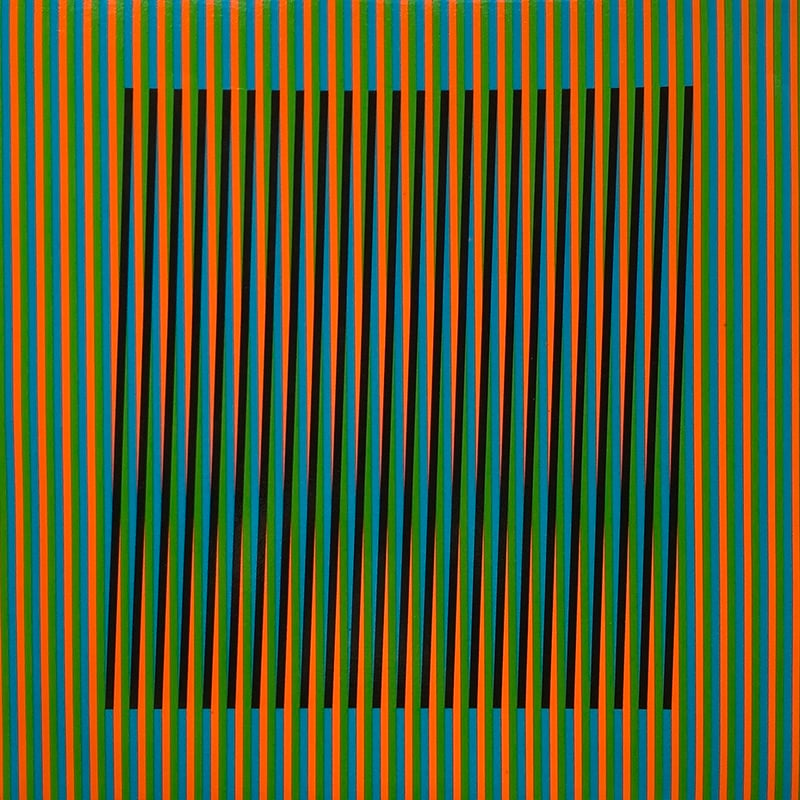
Venezuela's contemporary art is a vibrant testament to the country's resilience and creativity amidst a backdrop of social and political turbulence. Artists like Carlos Cruz-Diez and Jesús Rafael (...) read more
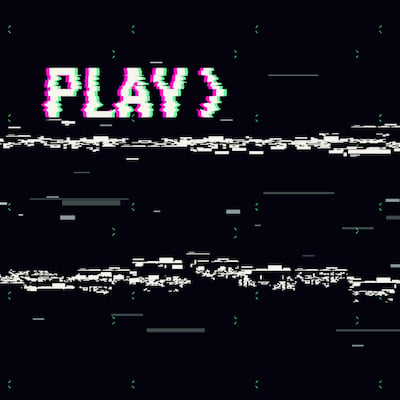
Video art is an art form that uses video and audio data, primarily featuring moving images. It emerged in the late 1960s and early 1970s with the advent of new technology and consumer video equipment (...) read more
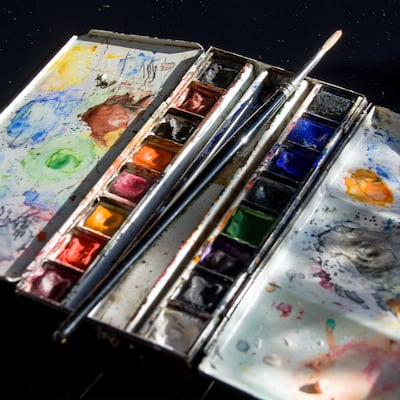
Watercolor refers to both the medium and the resulting artwork created using pigments suspended in a water-soluble vehicle. Watercolors are known for their luminous, transparent appearance because (...) read more
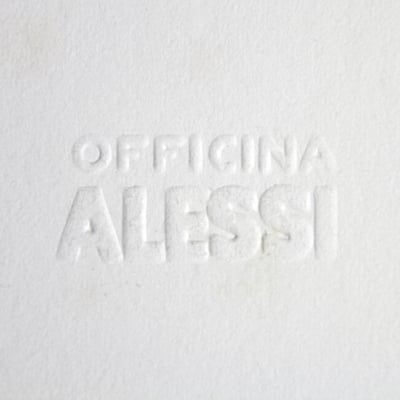
A watermark is an image or pattern embedded into a sheet of paper during the papermaking process. Each papermaker includes a faint trademark, which becomes visible when the paper is held up to a (...) read more

Wax is a solid material derived from plant, animal, and petroleum sources. It is used to protect paints from wear, create sculptures, make wax crayons and colored pencils, and for encaustic painting. (...) read more
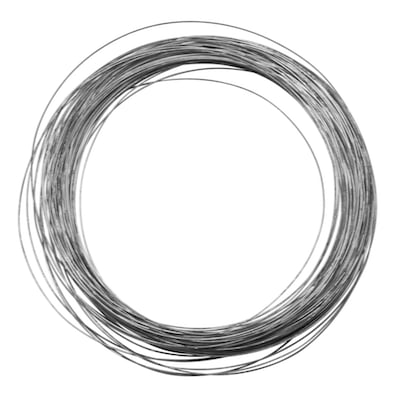
Wire is a single strand or rod of flexible metal. It has been used since ancient times to make chains and jewelry decorations. Wire comes in various thicknesses and can be bent, braided, and cut (...) read more
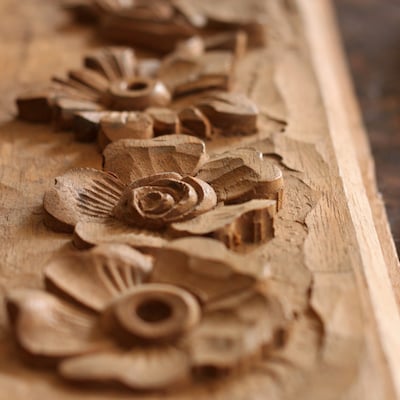
Wood is one of the most ancient and versatile materials used in creating art. It has served as a base for paintings, brush handles, pens, and pencils, as well as for easels, wood engraving, woodcut, (...) read more
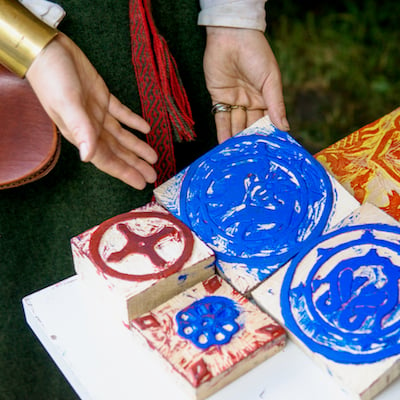
Woodblock printing is a technique that uses a carved wooden surface to create an image on materials such as paper or cloth. Ink or paint is applied thinly to the carved surface, which is then pressed (...) read more
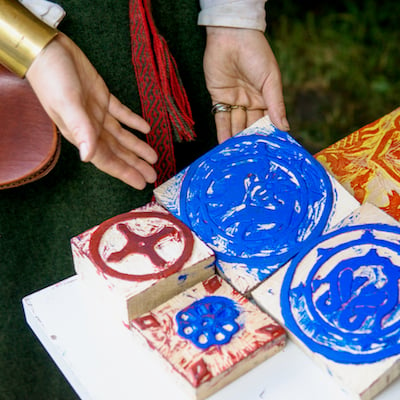
Woodcut is a printing technique where an image is carved into the surface of a woodblock using gouges, with the remaining flat surface holding the ink for printing. The areas cut away by the artist (...) read more