Catalogued in the book Rufino Tamayo, Catalogue Raisonné Gráfica / Prints 1925-1991.
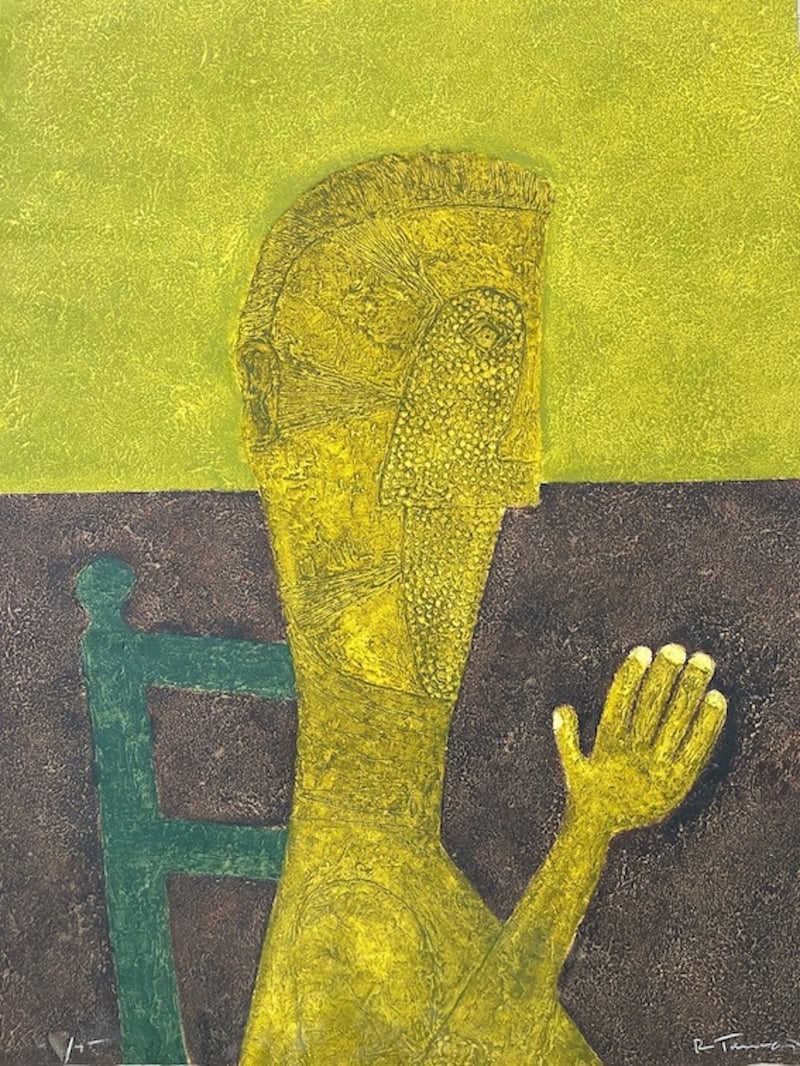
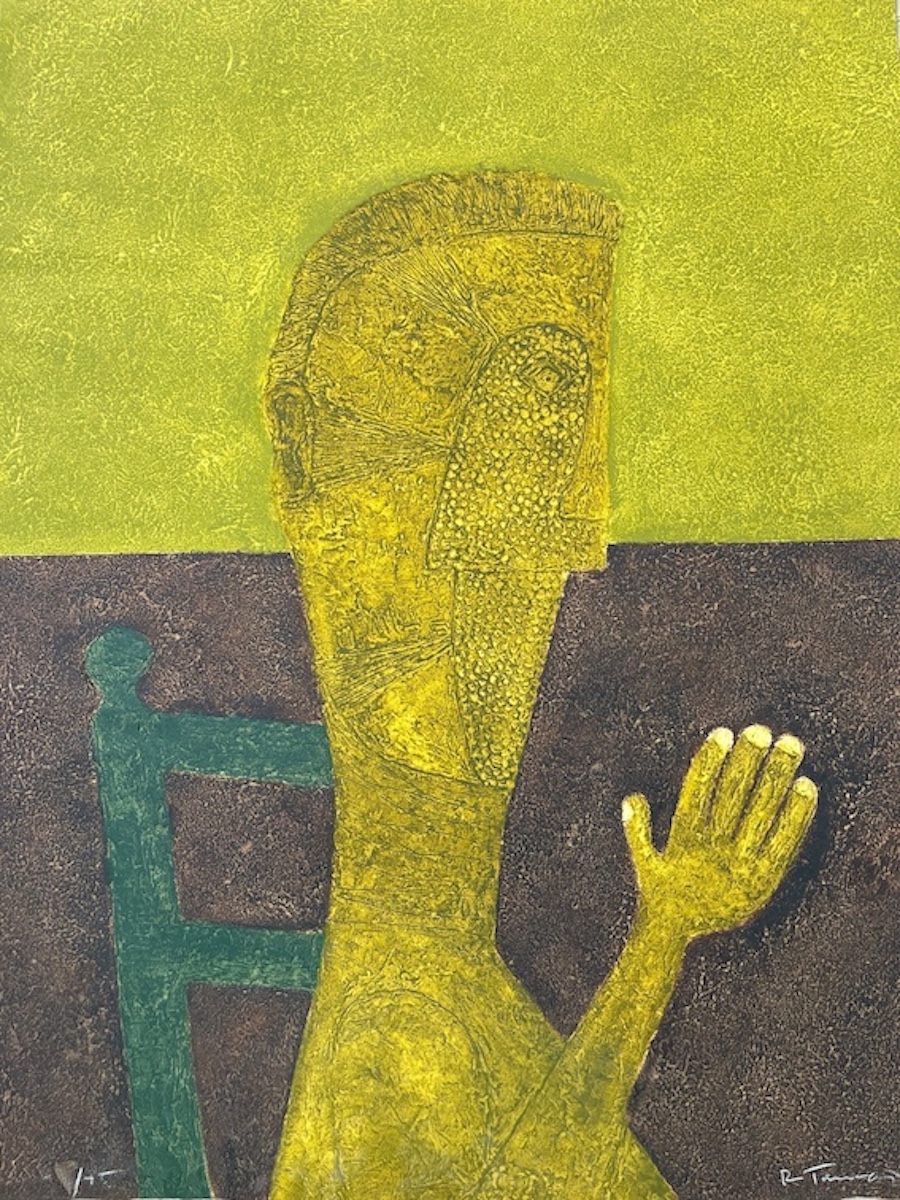
Rufino Tamayo’s Personaje sentado (Seated Figure, 1976) is an etching that exemplifies the artist’s distinctive fusion of modernist abstraction and symbolic figuration. The composition presents a solitary seated figure rendered in luminous yellow-green tones against a simplified background divided into fields of color. The elongated form, textured surface, and mask-like facial features lend the figure a timeless, almost archetypal presence. Rather than depicting a specific individual, Tamayo creates a universal image of human contemplation and existence. Throughout his career, the Mexican artist combined influences from pre-Columbian art, popular culture, and modern painting, developing a visual language that balances monumentality with intimacy. In Personaje sentado, the restrained composition and rich tonal contrasts evoke both stillness and psychological depth, hallmarks of Tamayo’s mature work.
Rufino Tamayo (Mexico, 1899–1991) blended modernism with Mexican heritage, creating bold, color-driven paintings and prints. Influenced by Zapotec culture, he avoided political narratives, focusing instead on universal themes and textured surfaces. His innovative use of color and form helped redefine 20th-century Mexican art beyond muralism.
Personaje sentado, 1976
Form
Medium
Size
- Inches
- Centimeters
Edition
Price
- USD
- EUR
- GBP
- CHF
- Authenticity Guaranteed
- Insured Shipping
- Online Since 2005
Catalogued in the book Rufino Tamayo, Catalogue Raisonné Gráfica / Prints 1925-1991.
Rufino Tamayo’s Personaje sentado (Seated Figure, 1976) is an etching that exemplifies the artist’s distinctive fusion of modernist abstraction and symbolic figuration. The composition presents a solitary seated figure rendered in luminous yellow-green tones against a simplified background divided into fields of color. The elongated form, textured surface, and mask-like facial features lend the figure a timeless, almost archetypal presence. Rather than depicting a specific individual, Tamayo creates a universal image of human contemplation and existence. Throughout his career, the Mexican artist combined influences from pre-Columbian art, popular culture, and modern painting, developing a visual language that balances monumentality with intimacy. In Personaje sentado, the restrained composition and rich tonal contrasts evoke both stillness and psychological depth, hallmarks of Tamayo’s mature work.
Rufino Tamayo (Mexico, 1899–1991) blended modernism with Mexican heritage, creating bold, color-driven paintings and prints. Influenced by Zapotec culture, he avoided political narratives, focusing instead on universal themes and textured surfaces. His innovative use of color and form helped redefine 20th-century Mexican art beyond muralism.

Rufino Tamayo
Figura en negro, 1980
Limited Edition Print
Etching
EUR 4,500

Rufino Tamayo
Personaje en la ventana, 1980
Limited Edition Print
Etching
EUR 3,750

Rufino Tamayo
Cabeza con iniciales, 1975
Limited Edition Print
Mixed Media
EUR 3,750

Rufino Tamayo
Hombre, 1979
Limited Edition Print
Lithograph
EUR 2,300

Rufino Tamayo
Hombre en rosa, 1984
Limited Edition Print
Etching
EUR 4,350
Rufino Tamayo
Femme au Collant Rose, 1969
Limited Edition Print
Lithograph
EUR 2,600

Rufino Tamayo
Personaje sentado, 1976
Limited Edition Print
Etching
EUR 4,375

Rufino Tamayo
Untitled (Textile), 1960s
Tapestry
Tapestry
Inquire For Price
Rufino Tamayo
Monolito, 1981
Sculpture / Object
Mixed Media
Inquire For Price
Rufino Tamayo
Dos Figuras, 1973
Limited Edition Print
Lithograph
USD 5,980
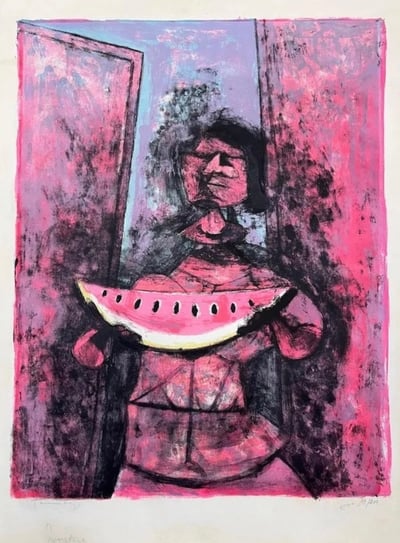
Rufino Tamayo
Mujer con sandia, 1950
Limited Edition Print
Lithograph
EUR 5,000

Rufino Tamayo
Bodegón, 1980
Limited Edition Print
Etching
EUR 5,200

Rufino Tamayo
Torre Blanca, P. 197, 1976
Limited Edition Print
Etching
USD 5,500

Rufino Tamayo
Dos Figuras, P. 205, 1976
Limited Edition Print
Etching
USD 6,600

Rufino Tamayo
Cabeza Sur Fonde Verte, P. 258, 1984
Limited Edition Print
Etching
USD 6,600

Rufino Tamayo
Figura Sobre Azur, 1976
Limited Edition Print
Etching
USD 5,200
Related Artists


Related Articles
Popular, Collecting - March 17, 2026
Why Buy from Composition Gallery
Why buy from Composition Gallery? Since 2005, the gallery offers curated works, clear provenance, fair pricing, and secure international shipping for confident art collecting.Read More
Popular, Artists, Collecting - September 1, 2026
KAWS Companion Editions: Vinyl, Four Foot and Dissected
A collector’s guide to KAWS Companion editions, from the 1999 Bounty Hunter vinyl figure to Four Foot, Dissected, Sorayama and Star Wars releases.Read More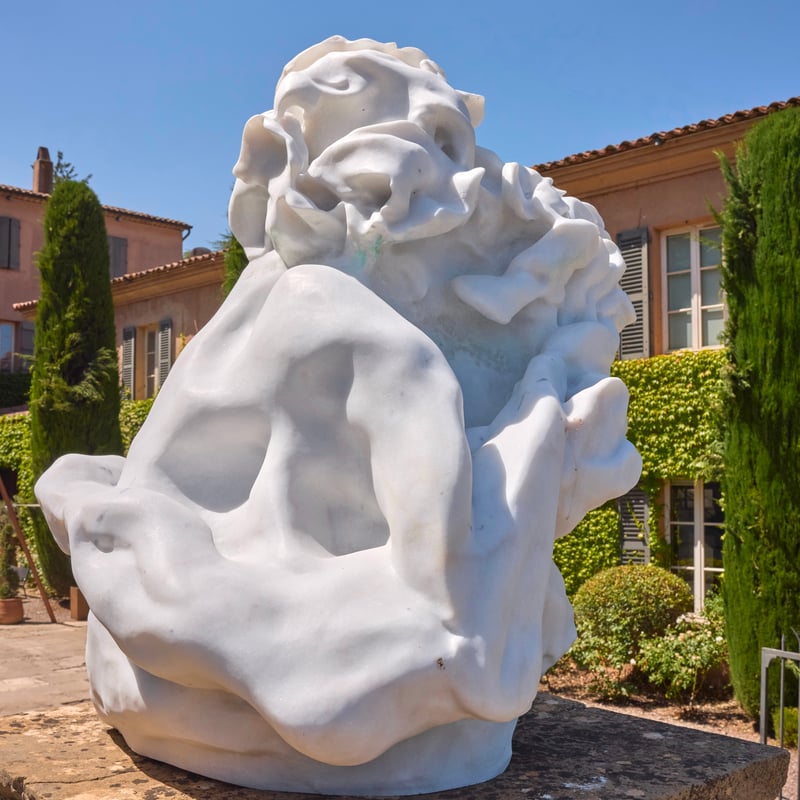
Popular, News, Artists, Collecting - August 12, 2026
In Minor Keys: Finding Intimacy and Identity at the 61st Venice Biennale — and in Your Collection
Explore how Koyo Kouoh’s 61st Venice Biennale vision, In Minor Keys, is shifting contemporary collecting toward quiet introspection, memory, and personal identity.Read More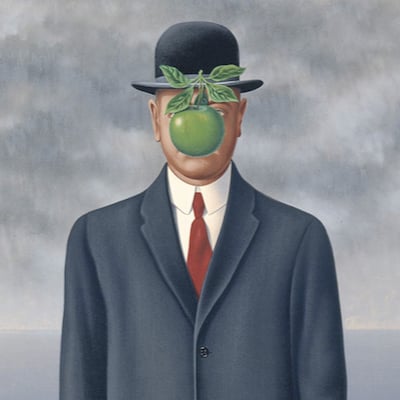
What is Surrealism?
Surrealism began in the 1920s as an art and literary movement with the goal of revealing the unconscious mind and unleashing the imagination by exploring unusual and dream-like imagery. Influenced by Sigmund Freud’s theories of psychoanalysis, Surrealist artists and writers sought to bring the unconscious into rational life, blurring the lines between reality and dreams. The movement aimed to challenge conventional perceptions and express the irrational aspects of the human experience.
Rufino Tamayo
Personaje sentado, 1976
76 x 56 cm


