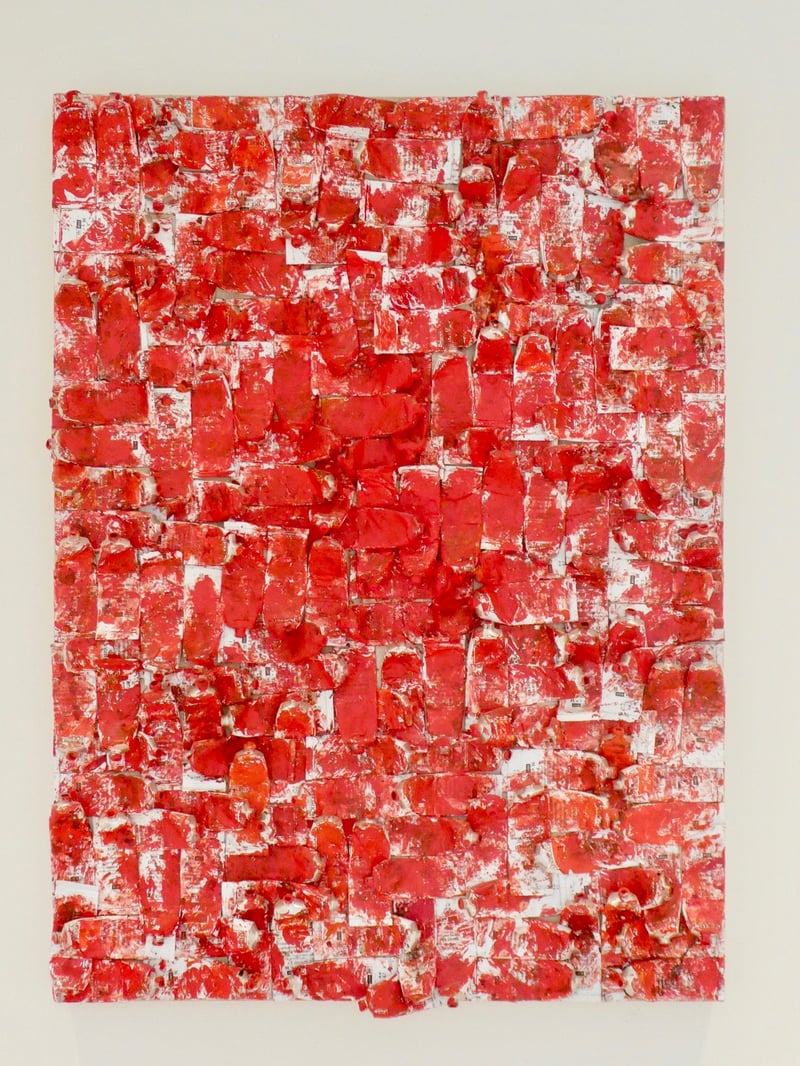
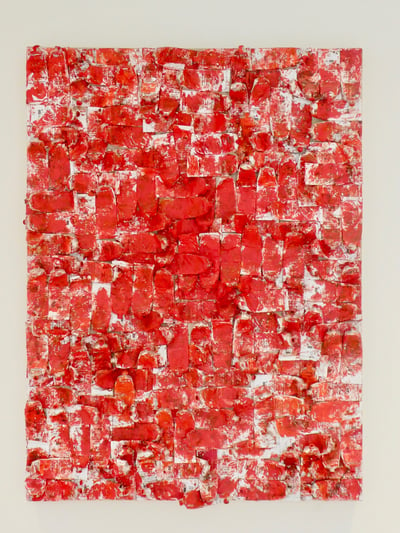
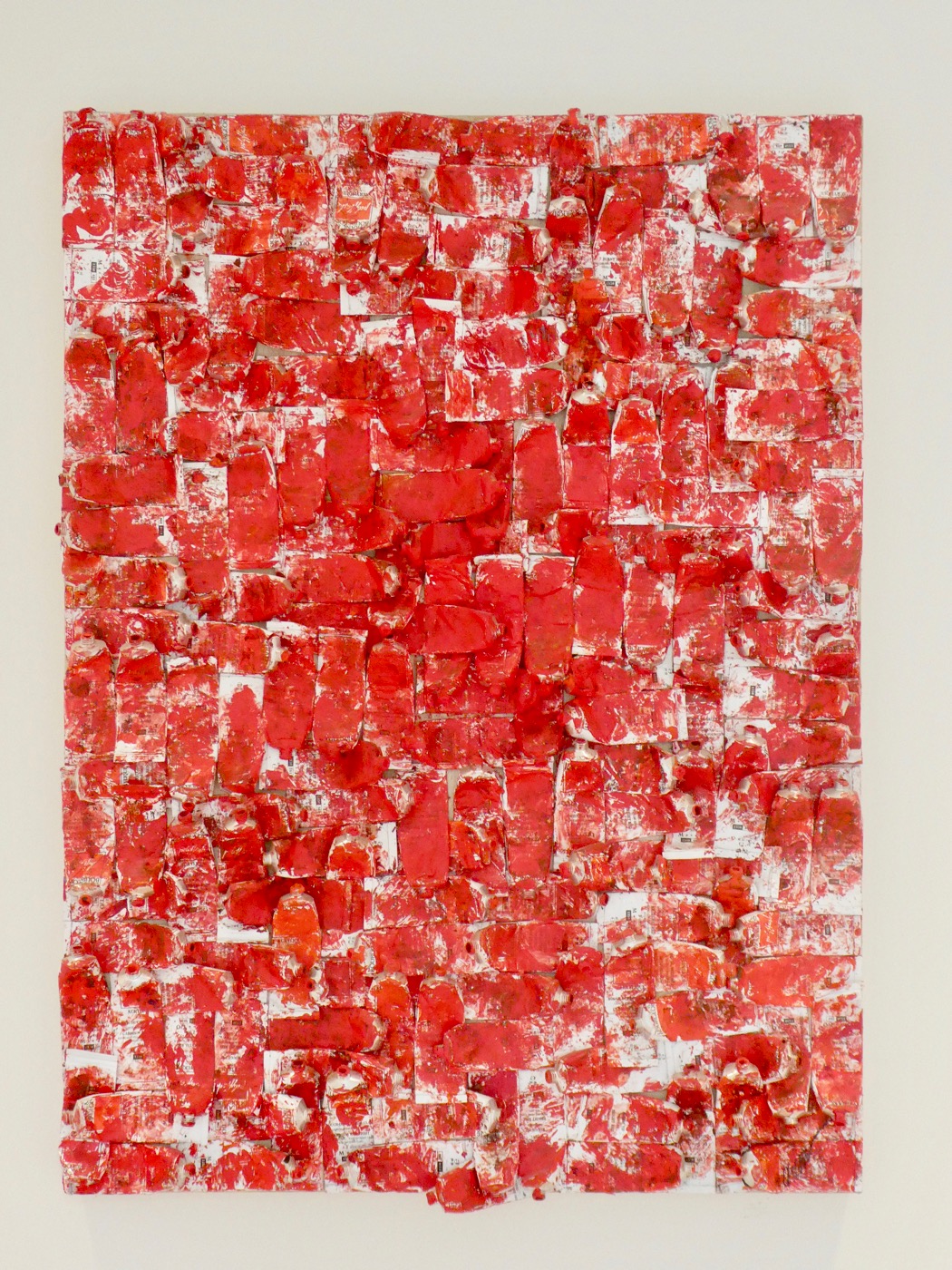
Red Tubes, 1980
Form
Medium
Size
- Inches
- Centimeters
Edition
Price
- USD
- EUR
- GBP
- CHF
- Authenticity Guaranteed
- Insured Shipping
- Online Since 2005
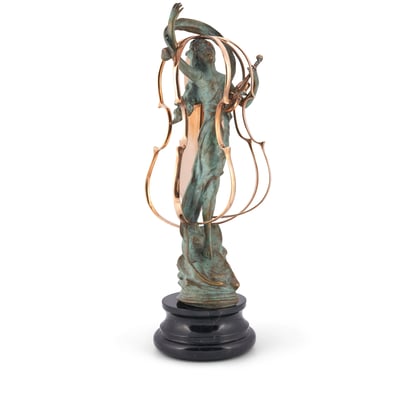
Fernandez Arman
Ofelia, 1996
Sculpture / Object
Bronze
USD 4,950
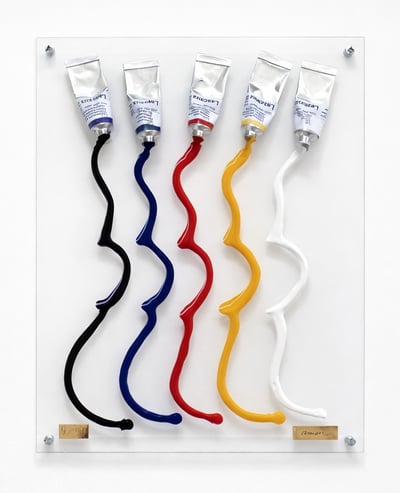
Fernandez Arman
Concerto de peinture, 1991
Sculpture / Object
Acrylic sculpture
EUR 5,000
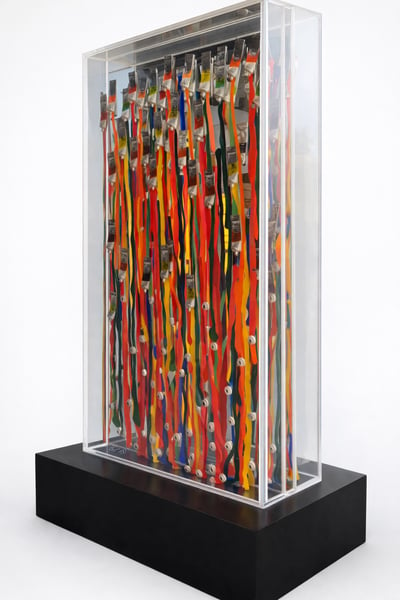
Fernandez Arman
Accumulation de tubes de peinture, 1975
Sculpture / Object
Mixed Media
EUR 12,900
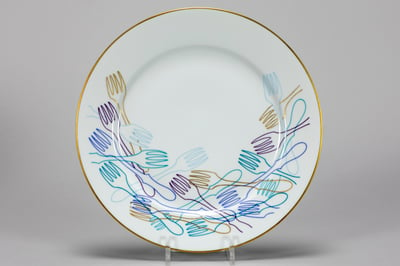
Fernandez Arman
Plate, 1992
Sculpture / Object
Plate
EUR 570
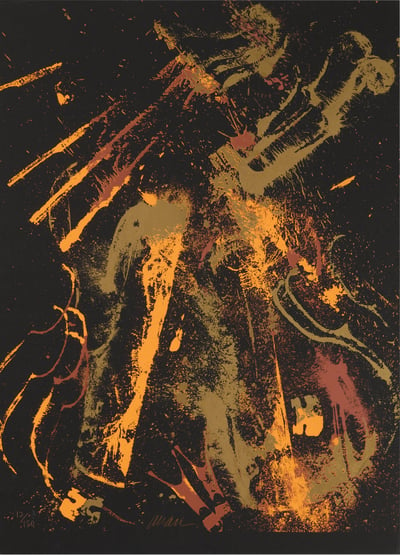
Fernandez Arman
Romanticism in Gold, 1978
Limited Edition Print
Screen-print
Inquire For Price
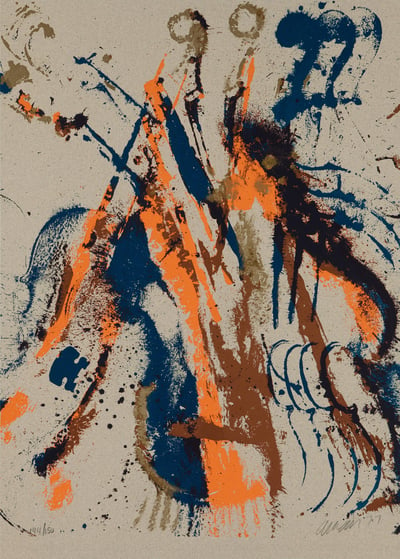
Fernandez Arman
Grey Mood Variation, 1977
Limited Edition Print
Screen-print
Inquire For Price
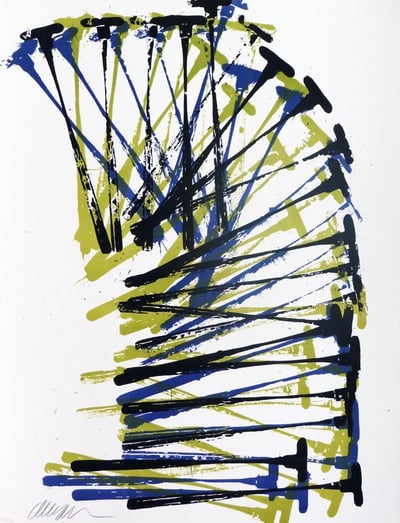
Fernandez Arman
Aesculapius hammer, 1977
Limited Edition Print
Lithograph
EUR 640
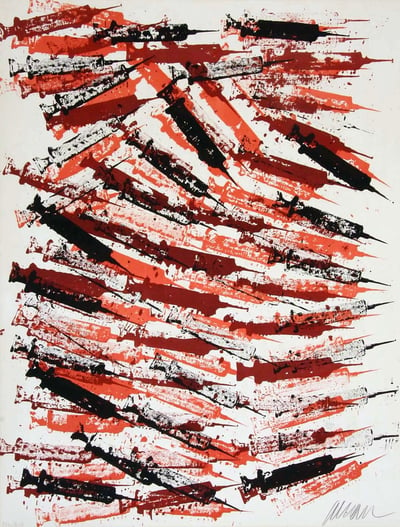
Fernandez Arman
Hypored, 1977
Limited Edition Print
Lithograph
EUR 640
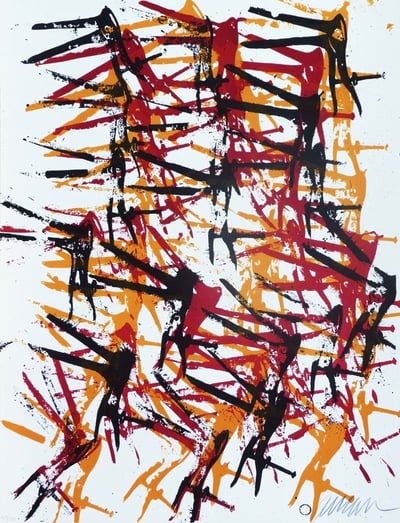
Fernandez Arman
Inside story, 1977
Limited Edition Print
Lithograph
EUR 640
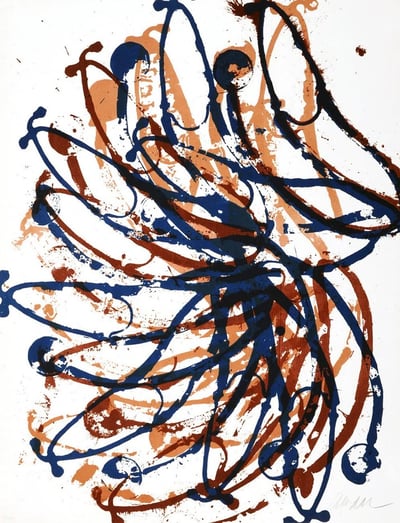
Fernandez Arman
Rien ne bat plus, 1977
Limited Edition Print
Lithograph
EUR 640
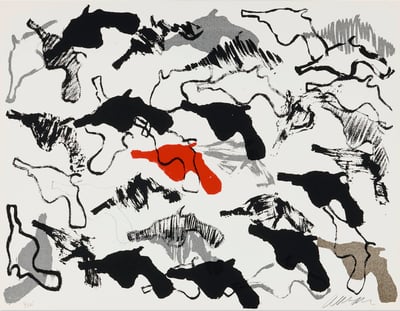
Fernandez Arman
Boom Boom, 1966
Limited Edition Print
Screen-print
Inquire For Price

Fernandez Arman
Candy, 1970
Sculpture / Object
Assemblage
EUR 14,850
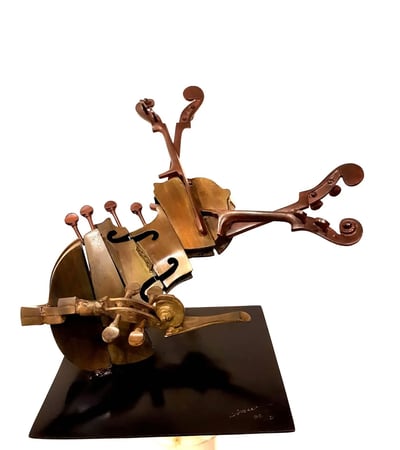
Fernandez Arman
Violin, 1999
Sculpture / Object
Bronze
EUR 25,000 – 35,000
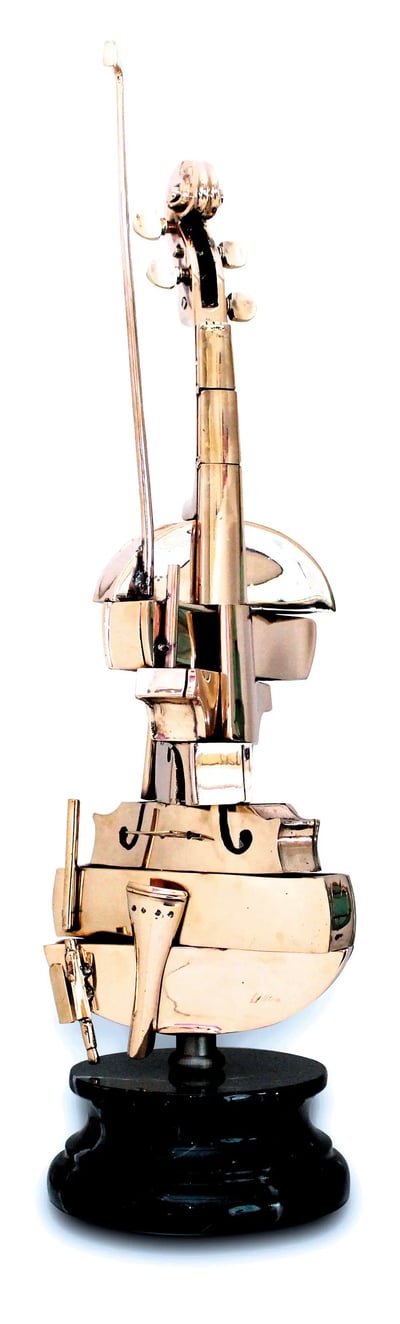
Fernandez Arman
Violon Spiralé, 2001-2002
Sculpture / Object
Bronze
EUR 17,000 – 20,000
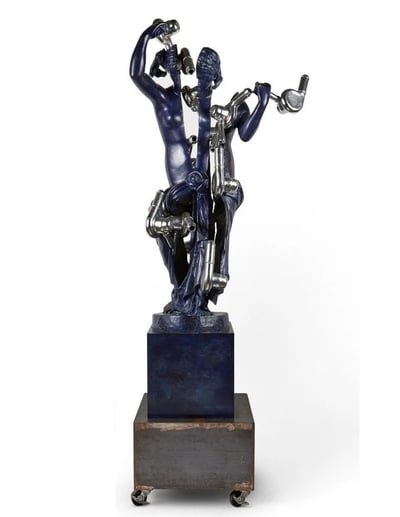
Fernandez Arman
Venus Hairspray, 1996
Sculpture / Object
Bronze
USD 28,000
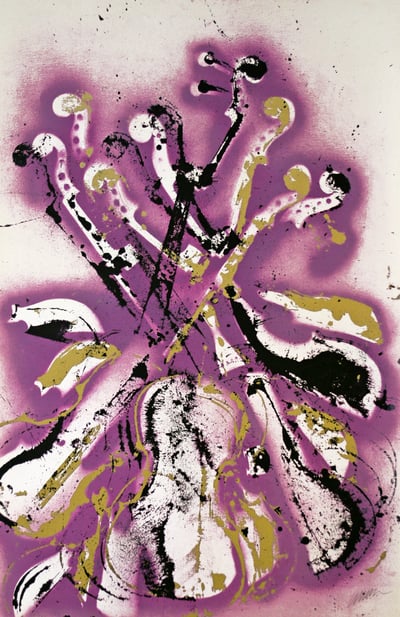
Fernandez Arman
Untitled (Allegro Vivaldi), 1978
Limited Edition Print
Silkscreen
EUR 1,290
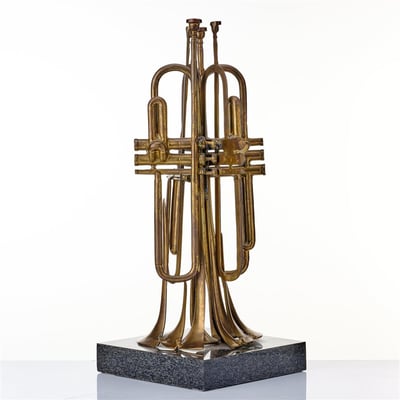
Fernandez Arman
Trompettes découpées, 1989
Sculpture / Object
Bronze
EUR 9,500
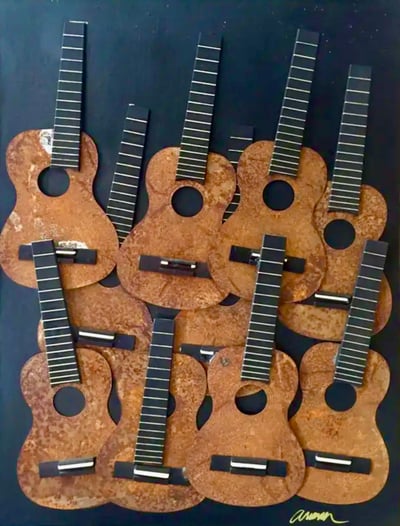
Fernandez Arman
Cavaquinho, 2002
Sculpture / Object
Metal
EUR 5,970
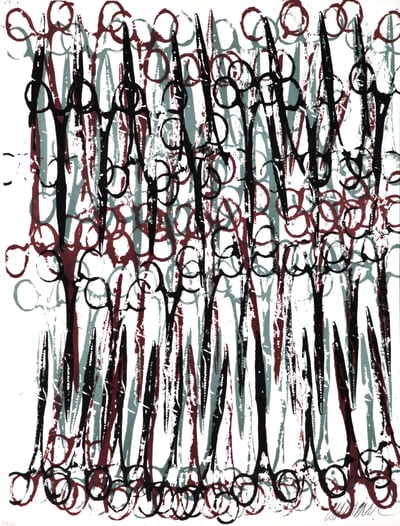
Fernandez Arman
Gothic, 1977
Limited Edition Print
Lithograph
Inquire For Price
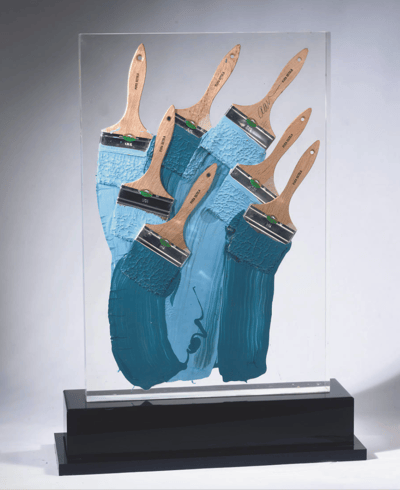
Fernandez Arman
Paintbrushes, 1990
Sculpture / Object
Assemblage
EUR 14,500
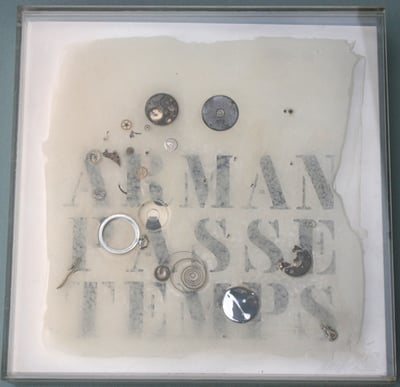
Fernandez Arman
Passe Temps, 1971
Limited Edition Print
Mixed Media
EUR 4,000
Fernandez Arman
Red Tubes, 1980
Painting
Mixed Media
EUR 34,000
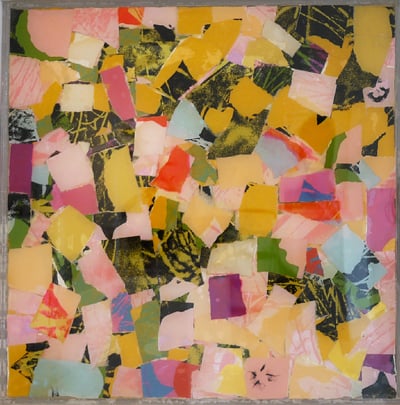
Fernandez Arman
What Happened To The Flowers - homage to Warhol, 1970
Sculpture / Object
Mixed Media
USD 45,000 – 50,000
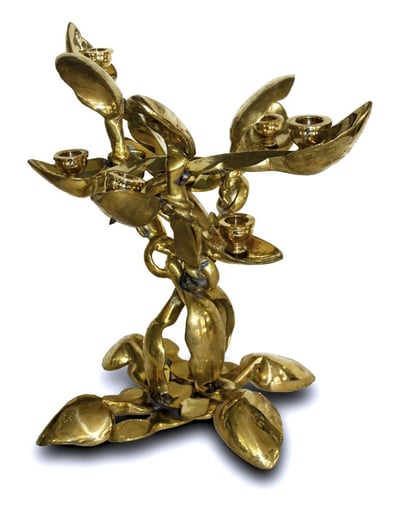
Fernandez Arman
Candélabre africain, 2003
Sculpture / Object
Bronze
EUR 6,000
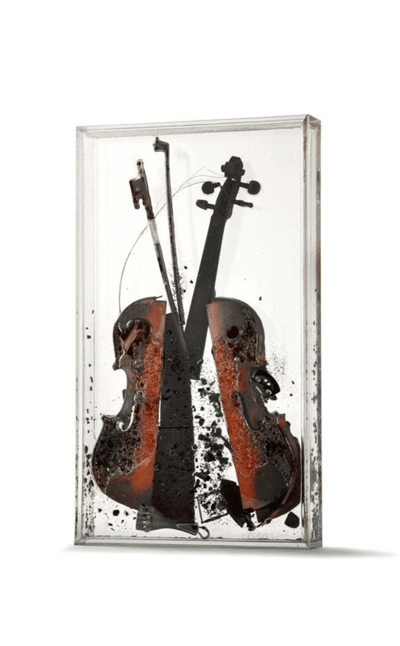
Fernandez Arman
Colere de Paganini / Paganini's Anger, 2004
Sculpture / Object
Mixed Media
EUR 14,500
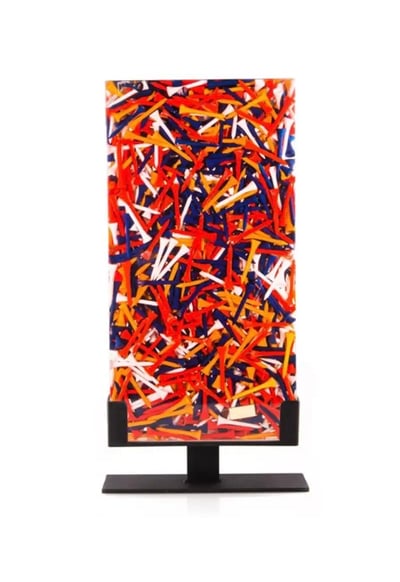
Fernandez Arman
Accumulation, Tee, 1994
Sculpture / Object
Assemblage
Currently Not Available

Fernandez Arman
Venus au Violon, 1991
Sculpture / Object
Bronze
Currently Not Available
Related Artists
Related Articles
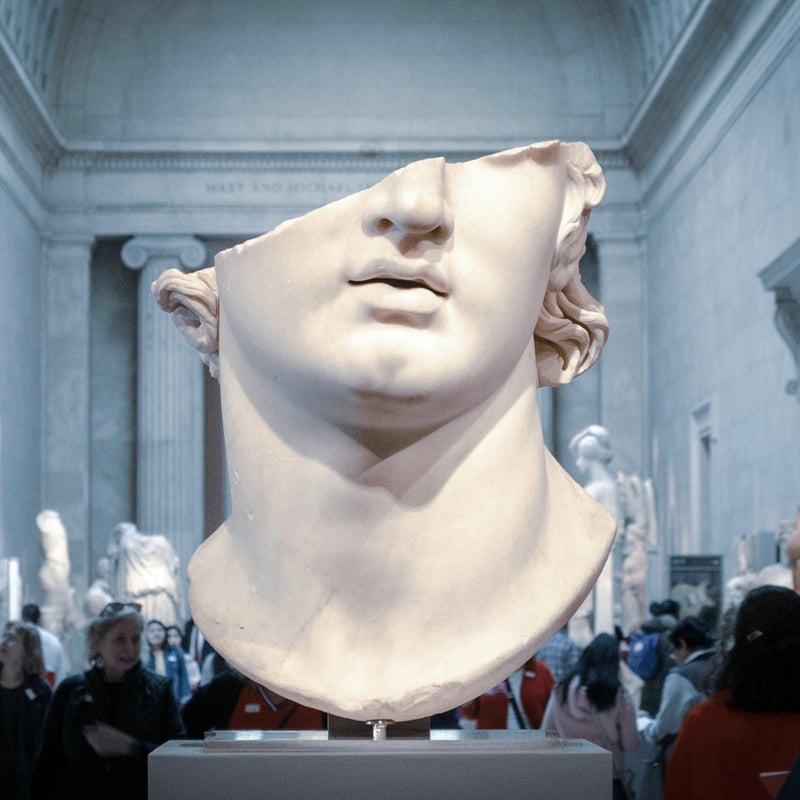
Popular, Collecting - July 23, 2025
Sculpture Care and Display: From Plinths to Pedestals in Your Home
Learn how to display and care for sculpture at home—from lighting tips to material care—so your art can truly shine in any space.Read More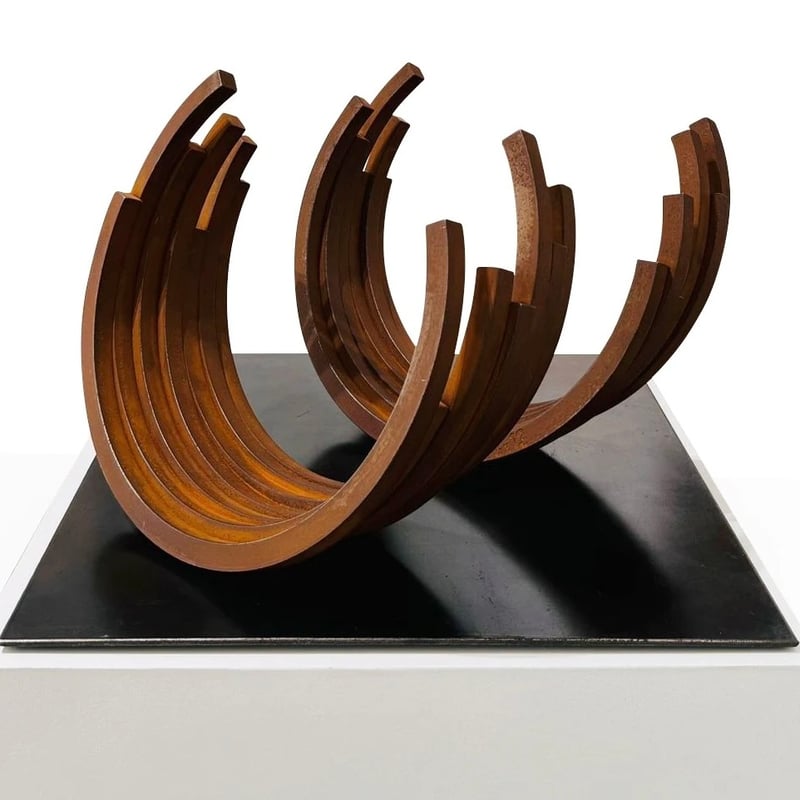

What is Art Nucleare?
Arte Nucleare was the name of an artist group founded in Milan in 1951. The group aimed to create art that responded to the dangers and technologies of the nuclear age. Their works often utilized automatic techniques and depicted devastated landscapes and mushroom clouds, reflecting the anxieties of a world on the brink of nuclear catastrophe.

Fernandez Arman
Red Tubes, 1980
80 x 60 x 4 cm


