
What is Contemporary art from India?
- Show All
- Established
- Discoveries
- Show All
Artworks Related to Contemporary art from India
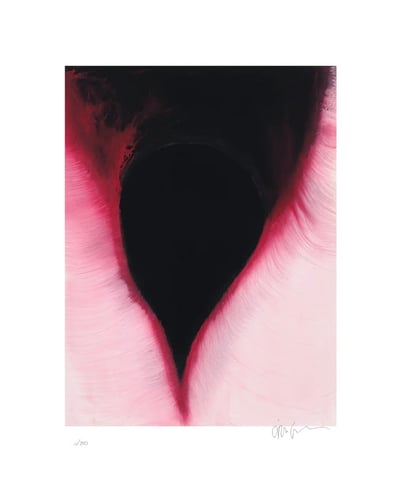
Anish Kapoor
The Dark, 2026
Limited Edition Print
Giclée printing
EUR 2,000
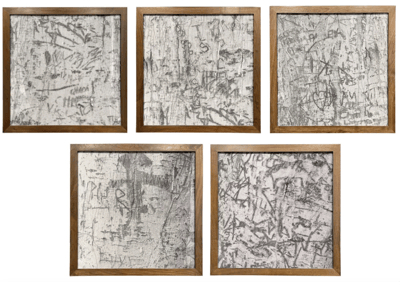
Sterling Ruby
Curving (Tree), 2006
Limited Edition Print
C-Print
USD 23,500
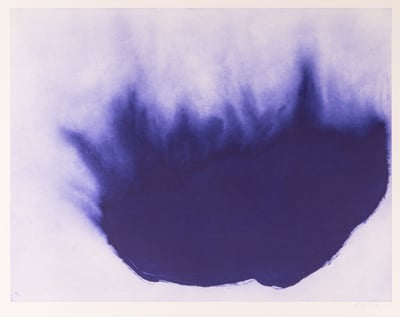
Anish Kapoor
Composition No 3, from 12 Etchings, 2007
Limited Edition Print
Etching
USD 15,000
Anish Kapoor
Untitled 02, 2007
Limited Edition Print
Etching
EUR 9,000
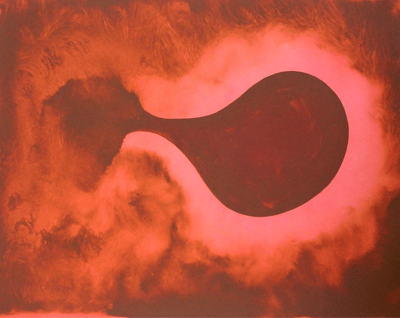
Anish Kapoor
Untitled 09, 2007
Limited Edition Print
Etching
EUR 9,000
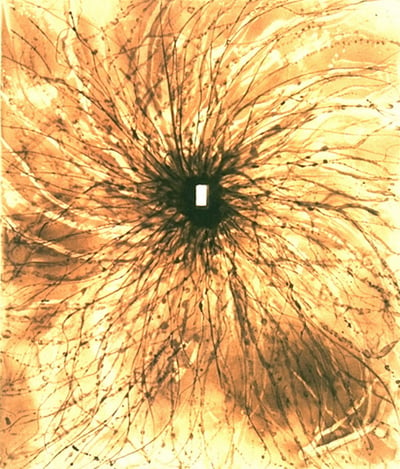
Anish Kapoor
Door, 1991
Limited Edition Print
Aquatint
EUR 9,000
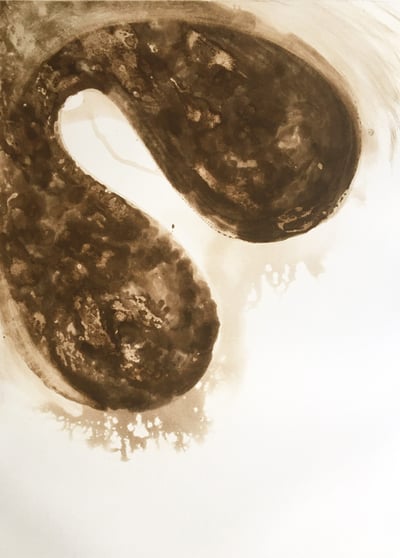
Anish Kapoor
Untitled (12), 1988
Limited Edition Print
Aquatint
EUR 11,500
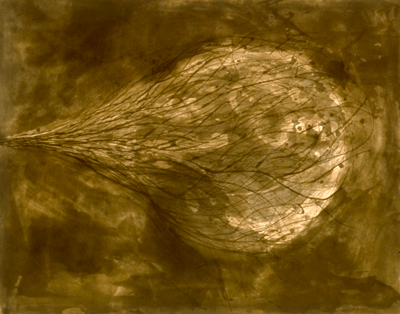
Anish Kapoor
Untitled (III), 1988
Limited Edition Print
Aquatint
EUR 11,500
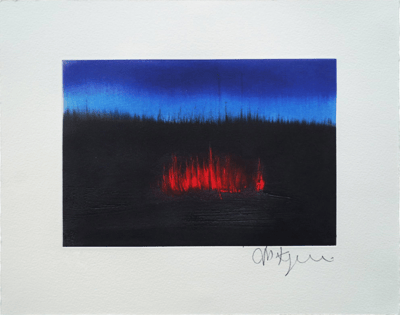
Anish Kapoor
Scorched Earth, 2021
Limited Edition Print
Etching
GBP 5,000 - 6,000
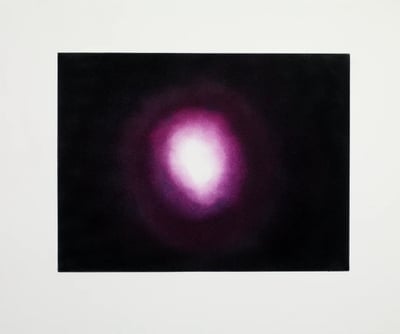
Anish Kapoor
Glow for Maggie, 2020
Limited Edition Print
Etching
EUR 5,000
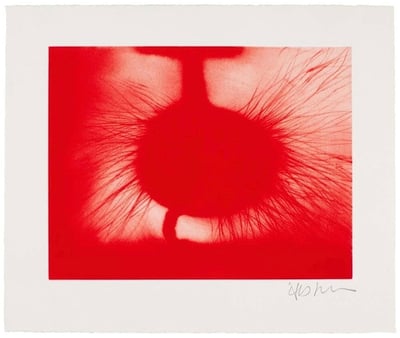
Anish Kapoor
Untitled (Red Pulse), 2014
Limited Edition Print
Etching
GBP 5,300
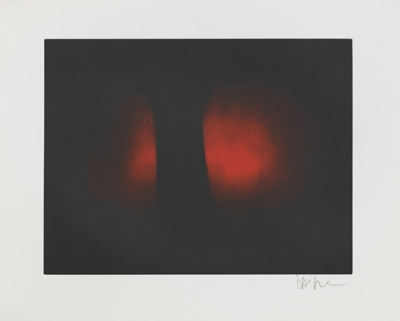
Anish Kapoor
Untitled (red on dark background), 2015
Limited Edition Print
Etching
GBP 5,300
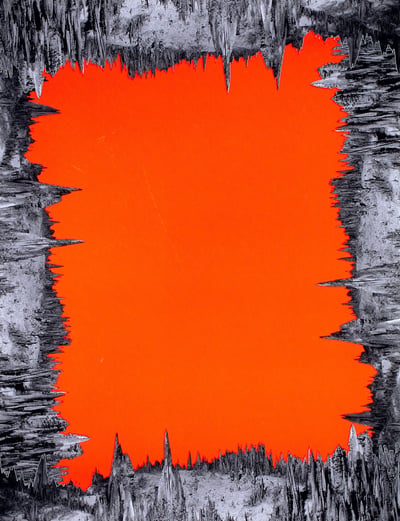
Sterling Ruby
Deep Orange, 2016
Limited Edition Print
Mixed Media
Currently Not Available
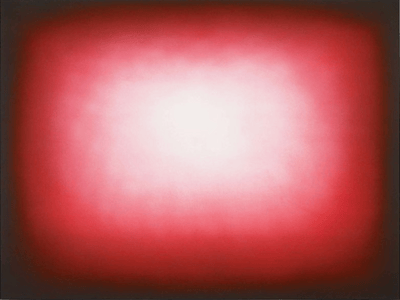
Anish Kapoor
Red shadows 2, 2016
Limited Edition Print
Etching
Currently Not Available

Anish Kapoor
Breathing Blue, 2020
Limited Edition Print
Digital Print on paper
GBP 5,300
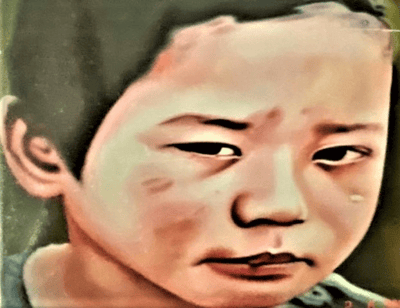
Riyas Komu
Last Landscape 1, 2008
Painting
Oil on canvas
USD 53,750
Related Articles

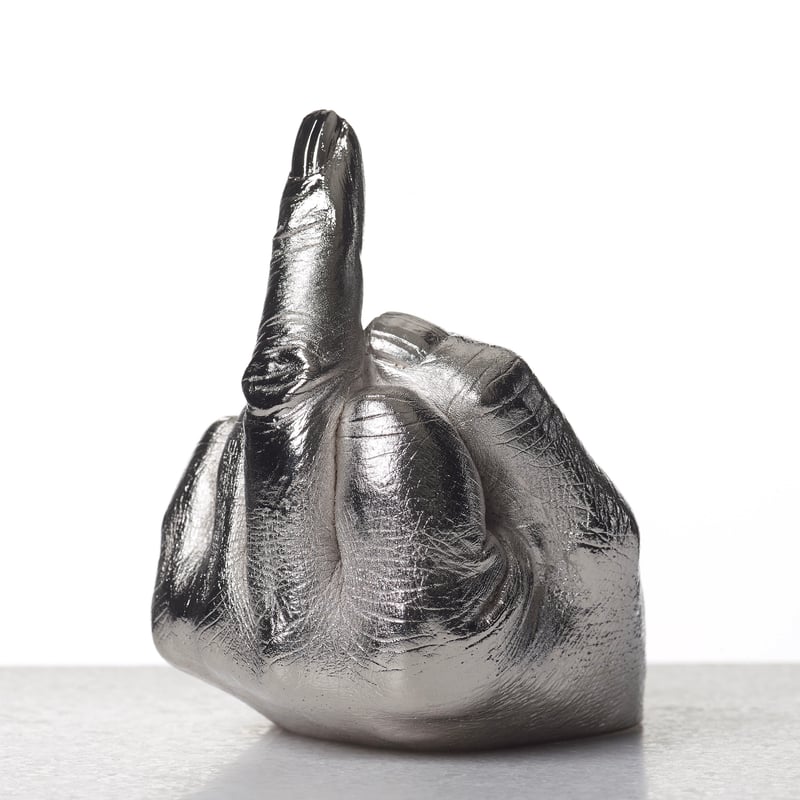

Transavanguardia is the Italian version of Neo-Expressionism, referring to an art movement that emerged in Italy and other parts of Western Europe during the 1970s and 1980s. The term translates to beyond the avant-garde. Transavanguardia arose as a reaction against the dominance of conceptual art, reintroducing emotion and reviving painting as a primary medium. The movement marked a return to mythic imagery and figurative art, celebrating a rediscovery of traditional forms and themes in a contemporary context.
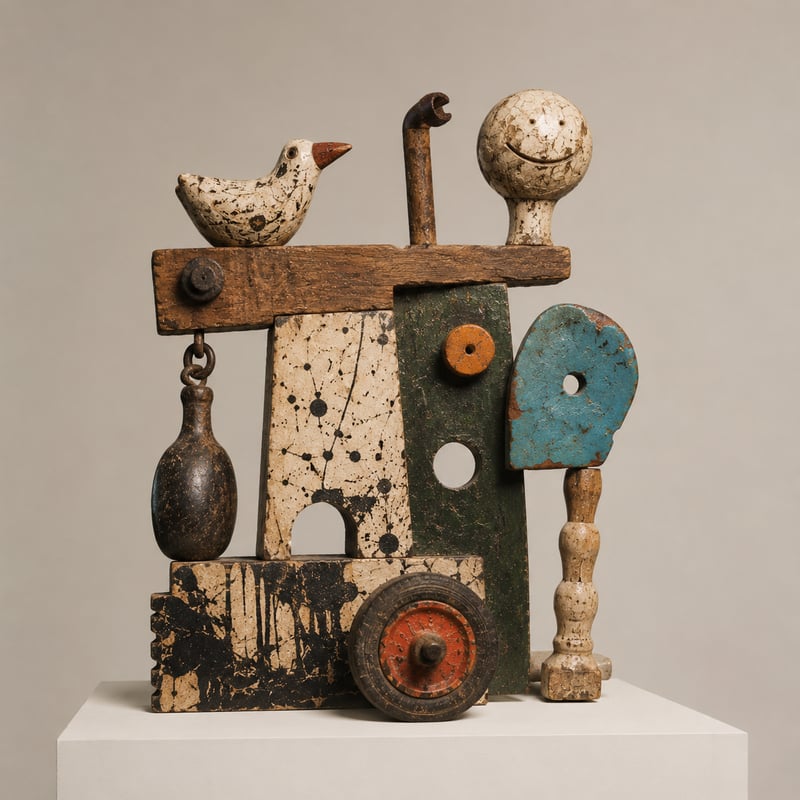
In the 1960s, Funk Art emerged as a reactive movement against Abstract Expressionism. It was widely known as an anti-establishment movement, with the name derived from the jazz term funky. This term carried both positive and negative connotations: in the jazz world, it described passion, quirkiness, and sensuality, but it could also refer to a foul odor. Funk Art was particularly popular in the California Bay Area. While the artists of the Funk Art era shared similar attitudes and styles, they did not see themselves as part of a formal group or movement.

Cubism is an art movement that aimed to depict multiple perspectives of objects or figures within a single picture. Artists Georges Braque and Pablo Picasso pioneered this style around 1907. The name Cubism emerged from their use of geometric shapes and outlines that often resembled cubes, breaking objects down into abstracted forms.
Can't find your Answer?
Thank you! Your question has been sent — we'll get back to you shortly.
