
What is Etching and Aquatint?
- Show All
- Established
- Discoveries
- Show All
Artworks Related to Etching and Aquatint
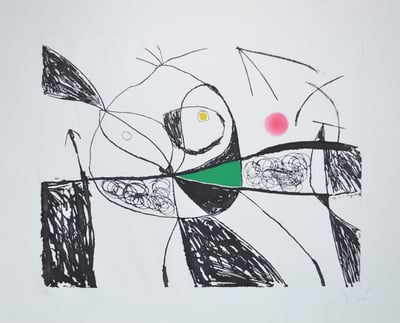
Joan Miró
Serie Mallorca - D618, 1973
Limited Edition Print
Etching and Aquatint
USD 6,200
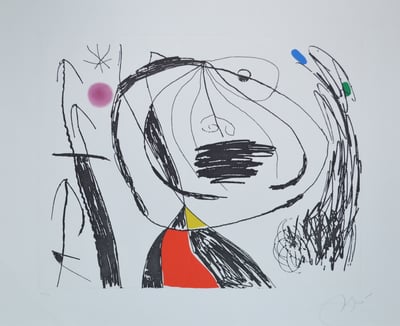
Joan Miró
Série Mallorca 5 - D615, 1973
Limited Edition Print
Etching and Aquatint
USD 6,500
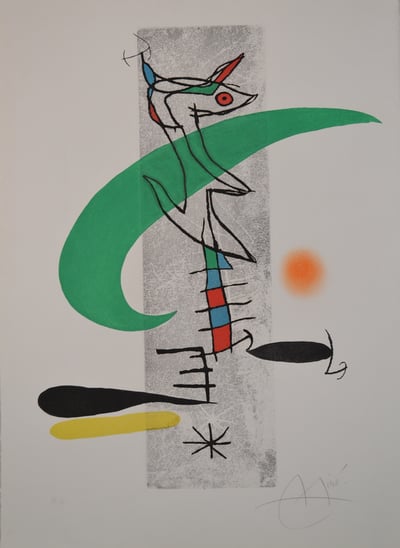
Joan Miró
Translunaire - D659, 1974
Limited Edition Print
Etching and Aquatint
USD 7,200
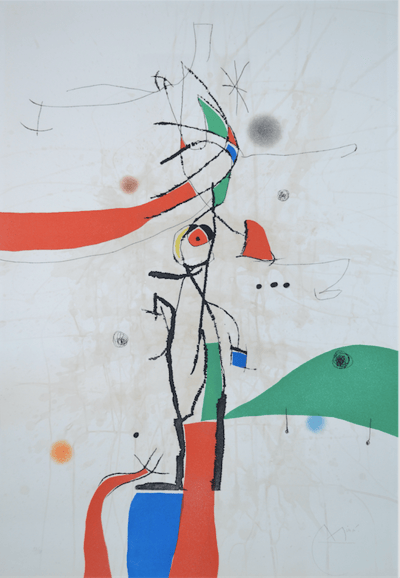
Joan Miró
Demi Mondaine A Sa Fenetre - D742, 1975
Limited Edition Print
Etching and Aquatint
USD 7,200
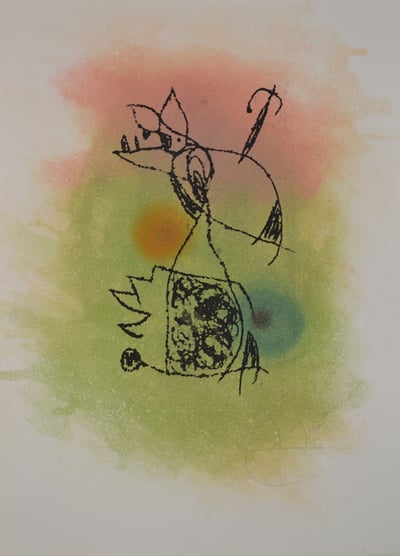
Joan Miró
Le Criquet - D1021, 1978
Limited Edition Print
Etching and Aquatint
USD 6,500
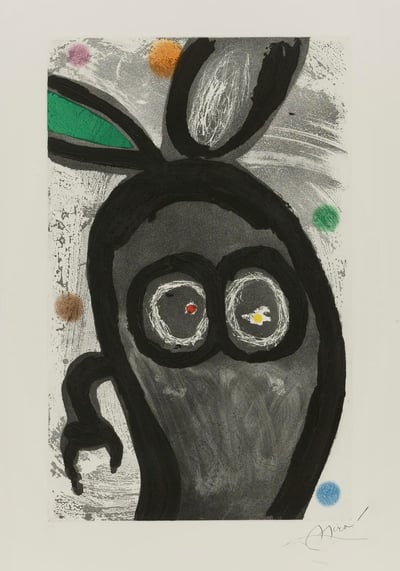
Joan Miró
Le Roi des lapins, 1981
Limited Edition Print
Etching and Aquatint
Currently Not Available
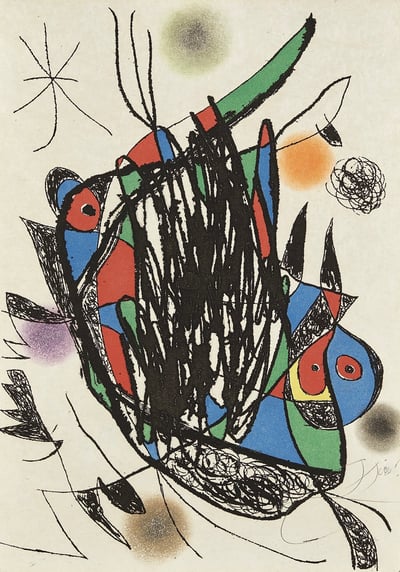
Joan Miró
Passage De L'Egyptienne 5, 1985
Limited Edition Print
Etching and Aquatint
EUR 7,200
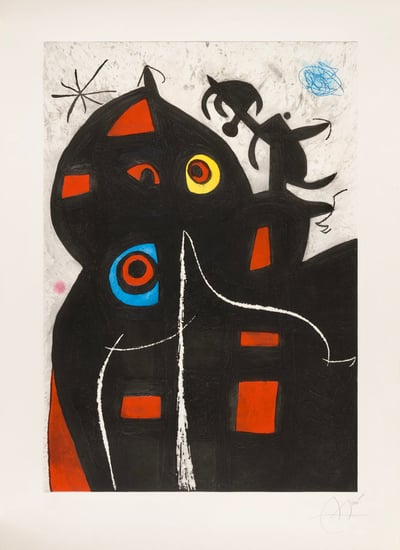
Joan Miró
Pantagruel, 1978
Limited Edition Print
Etching and Aquatint
EUR 30,000
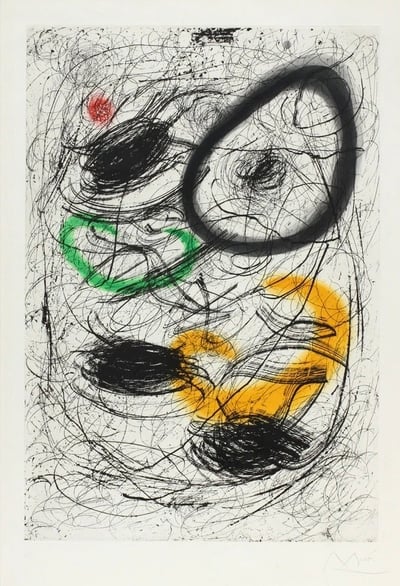
Joan Miró
La chevelure De Bérénice II, 1963
Limited Edition Print
Etching and Aquatint
EUR 6,250
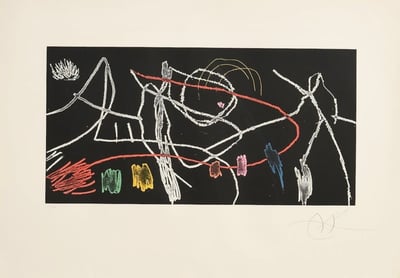
Joan Miró
Gravures Pour Une Exposition , 1973
Limited Edition Print
Etching and Aquatint
EUR 10,800
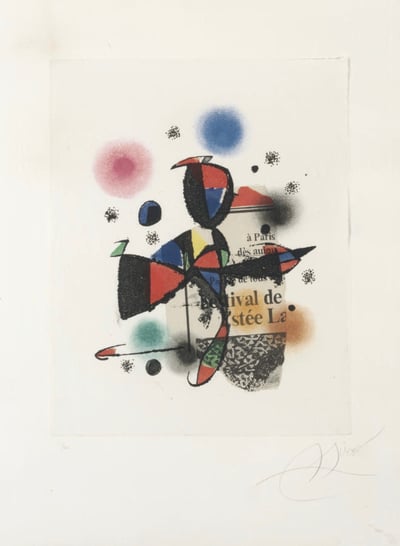
Joan Miró
Gaudi XV, 1979
Limited Edition Print
Etching and Aquatint
Currently Not Available
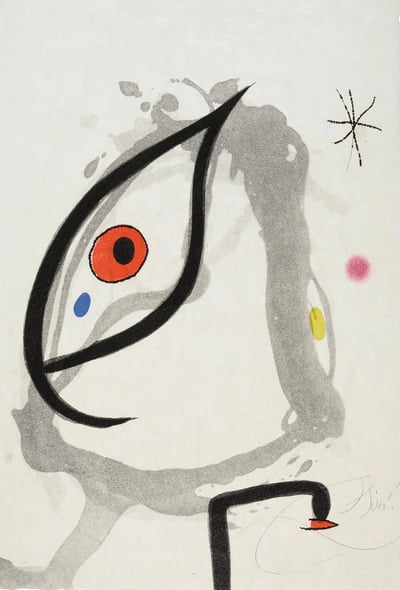
Joan Miró
Passage De L'Egyptienne 4, 1985
Limited Edition Print
Etching and Aquatint
EUR 7,200
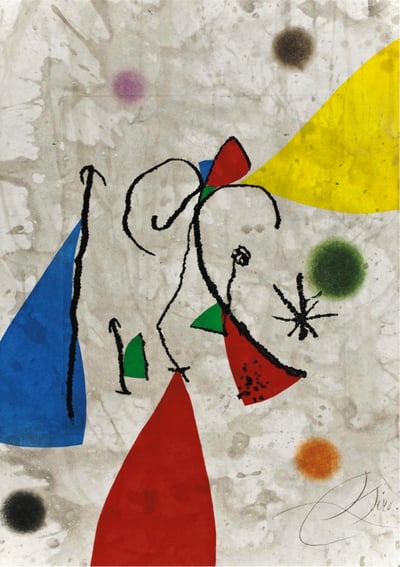
Joan Miró
Passage De L'Egyptienne, 10, 1985
Limited Edition Print
Etching and Aquatint
Currently Not Available

Peter Doig
Boathouse, 2004
Limited Edition Print
Etching and Aquatint
EUR 3,000

Pablo Picasso
Le Cocu Magnifique (noir), 1966
Limited Edition Print
Etching and Aquatint
USD 7,600
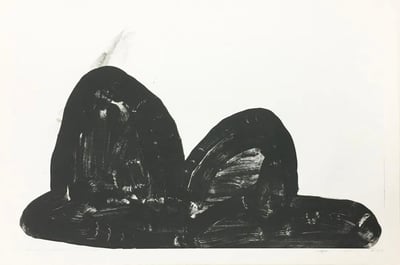
Joel Shapiro
Untitled 1980-1982 II, 1982
Limited Edition Print
Etching and Aquatint
USD 1,650
Related Articles


Process Art is an artistic movement and creative approach where the focus is on the act of creation rather than the final product. The term process in this context refers to the various stages of art-making, including gathering, sorting, associating, and organizing materials and actions. This movement emphasizes the artistic journey and the human expression involved in creating art, rather than the finished piece itself. Process Art is driven by inherent motivation, intentionality, and the rationale behind the actions, viewing the creative process as the true artwork.
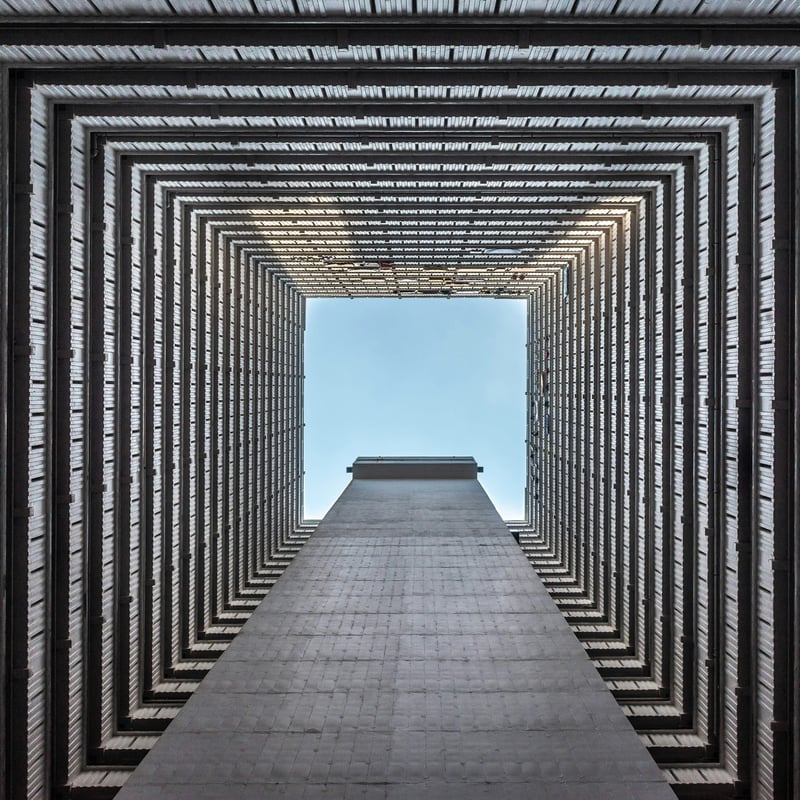
Perspective refers to the techniques artists use to represent three-dimensional objects on a two-dimensional surface. These techniques create the illusion of depth and space, making objects appear as they do in the real world, despite the limitations of a flat surface. Common types of perspective include linear and atmospheric perspective.
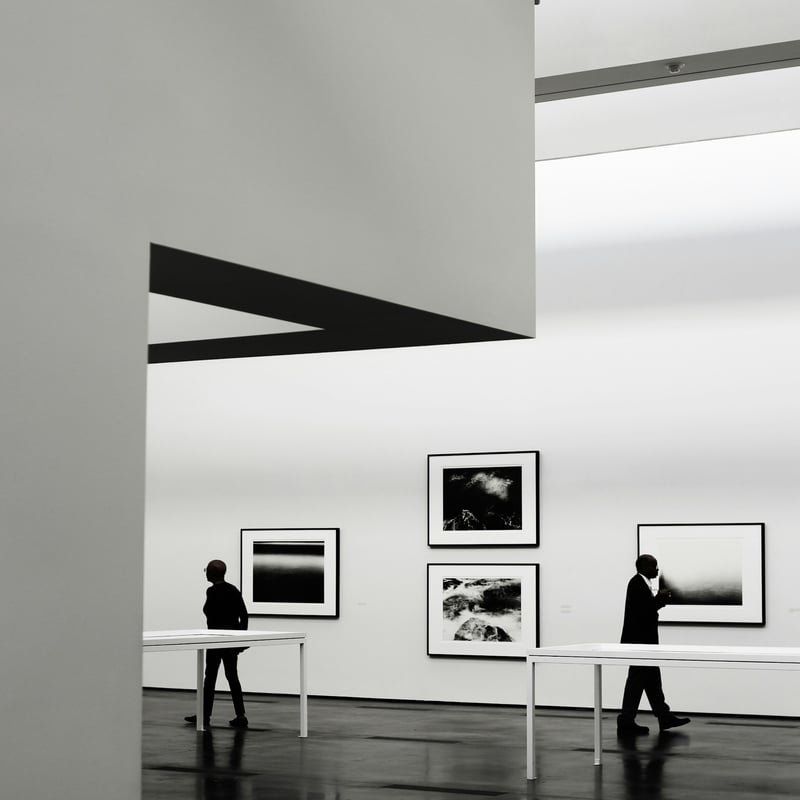
A triennial is a large-scale art exhibition that takes place every three years. These exhibitions often feature the latest artistic developments, works, and emerging artists on an international scale, involving major institutions from around the world. Triennials are significant events in the art world, offering a platform for contemporary art and fostering global cultural exchange.
Can't find your Answer?
Thank you! Your question has been sent — we'll get back to you shortly.
