
What is Etching and Aquatint?
- Show All
- Established
- Discoveries
- Show All
Artworks Related to Etching and Aquatint

Man Ray
La Ballade des dames hors du temps, Natasha, 1971
Limited Edition Print
Etching and Aquatint
EUR 3,125

Ellsworth Kelly
Wall (AXSOM 177), 1976-1979
Limited Edition Print
Etching and Aquatint
USD 9,100
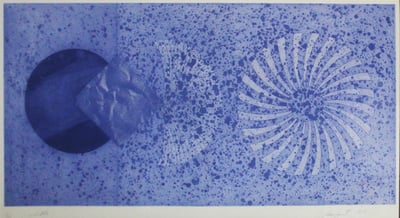
James Rosenquist
The Book Disappears for the Fast Student 2nd State, 1978
Limited Edition Print
Etching and Aquatint
USD 1,100
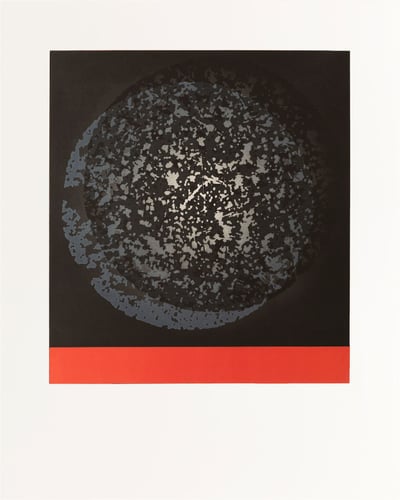
Eva Rothschild
Eclipse (Red), 2021
Limited Edition Print
Etching and Aquatint
EUR 2,000

Eva Rothschild
Eclipse (Black), 2021
Limited Edition Print
Etching and Aquatint
EUR 2,000

Mimmo Paladino
Mathematico 2, 2001
Limited Edition Print
Etching and Aquatint
EUR 1,500

Mimmo Paladino
Mathematico 3, 2001
Limited Edition Print
Etching and Aquatint
EUR 1,500

Mimmo Paladino
Mathematico 4, 2001
Limited Edition Print
Etching and Aquatint
EUR 1,500

Mimmo Paladino
Mathematico 5, 2001
Limited Edition Print
Etching and Aquatint
EUR 1,500
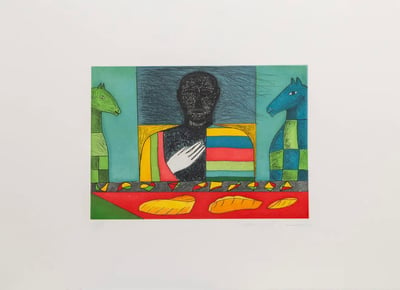
Mimmo Paladino
Mathematico 6, 2001
Limited Edition Print
Etching and Aquatint
EUR 1,500
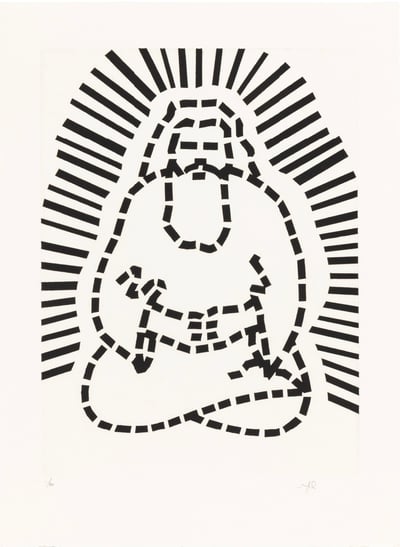
Roy Lichtenstein
Passage Du Nord-ouest, 1992
Limited Edition Print
Etching and Aquatint
USD 10,400
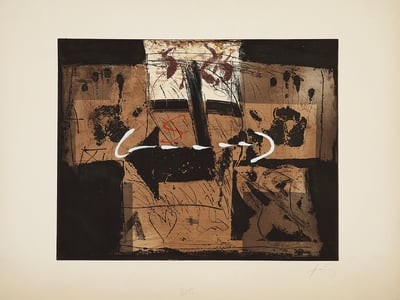
Antoni Tapies
Flecha, 1990
Limited Edition Print
Etching and Aquatint
EUR 3,750
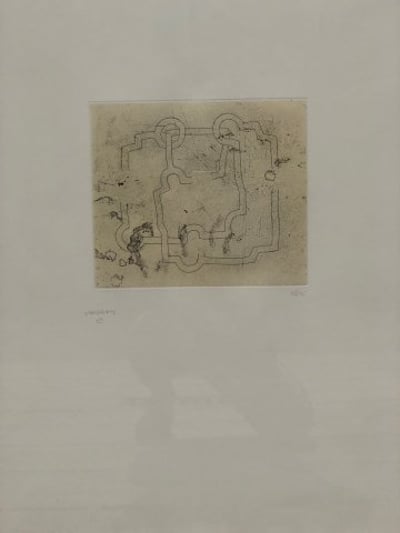
Eduardo Chillida
Bidearte I, 1980
Limited Edition Print
Etching and Aquatint
Currently Not Available
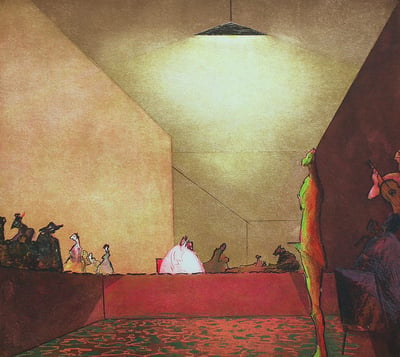
Constant Nieuwenhuys
L'ultima cena, 1980
Limited Edition Print
Etching and Aquatint
EUR 2,990
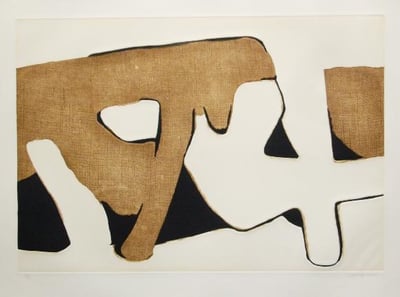
Conrad Marca-Relli
Composition XIV, 1977
Limited Edition Print
Etching and Aquatint
EUR 1,560
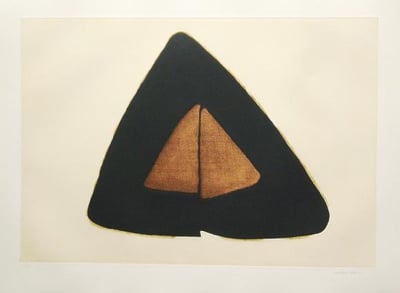
Conrad Marca-Relli
Composition VIII, 1977
Limited Edition Print
Etching and Aquatint
EUR 1,560
Related Articles


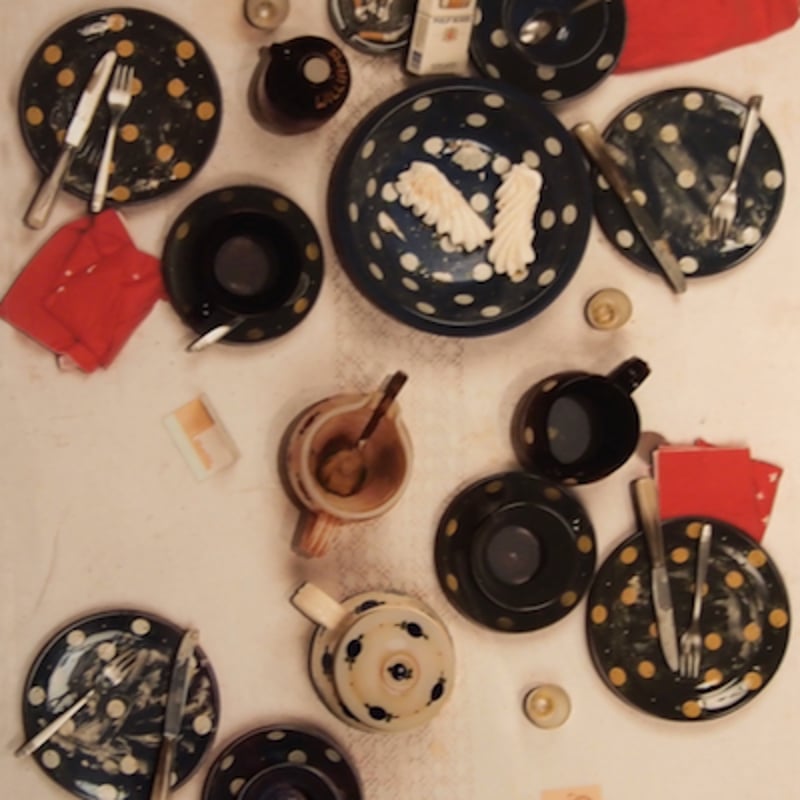
Nouveau Réalisme is an artistic movement founded in 1960 by art critic Pierre Restany and painter Yves Klein during a collective exhibition at a gallery in Milan. Restany wrote the original manifesto in April 1960, proclaiming the movement. In October of that year, nine artists, including Martial Raysse, Yves Klein, Daniel Spoerri, Jean Tinguely, Arman, Pierre Restany, and three Ultra-Lettrists—Jacques de la Villeglé, François Dufrêne, and Raymond Hains—signed the declaration. In 1961, the movement expanded to include Mimmo Rotella, Niki de Saint Phalle, Gérard Deschamps, and César. The movement emphasized a return to reality in art, often incorporating everyday objects and exploring the boundaries between art and life.
Attribute can function as both a noun and a verb. As a noun, it refers to an object, symbol, or animal commonly associated with a specific person, often used in art to identify figures, such as a lion with St. Mark. As a verb, it means to assign a work of art to a particular artist, usually based on stylistic analysis or other evidence, such as attributing a painting to an artist based on its technique and composition.

Transavanguardia is the Italian version of Neo-Expressionism, referring to an art movement that emerged in Italy and other parts of Western Europe during the 1970s and 1980s. The term translates to beyond the avant-garde. Transavanguardia arose as a reaction against the dominance of conceptual art, reintroducing emotion and reviving painting as a primary medium. The movement marked a return to mythic imagery and figurative art, celebrating a rediscovery of traditional forms and themes in a contemporary context.
Can't find your Answer?
Thank you! Your question has been sent — we'll get back to you shortly.
