Details
Artist
Styles
// Filament 2 by Joana Vasconcelos, created in 2014, is an archival print filled with intricate patterns and vibrant colors, echoing organic and cellular forms in a mesmerizing abstract composition. Swirling lines, layered spirals, and flowing shapes create a dynamic visual experience, evoking both microscopic structures and expansive, cosmic imagery. The bright palette includes hues of pink, orange, purple, and green, interwoven with fine detailing that captivates the eye. Vasconcelos’ work explores themes of connectivity and complexity, inviting viewers to delve into a world of interlinked shapes that pulse with life and energy.
Filament 2, 2014
form
Medium
Size
112 x 88.5 cm
- Inches
- Centimeters
Edition
Price
- USD
- EUR
- GBP
Details
Artist
Styles
// Filament 2 by Joana Vasconcelos, created in 2014, is an archival print filled with intricate patterns and vibrant colors, echoing organic and cellular forms in a mesmerizing abstract composition. Swirling lines, layered spirals, and flowing shapes create a dynamic visual experience, evoking both microscopic structures and expansive, cosmic imagery. The bright palette includes hues of pink, orange, purple, and green, interwoven with fine detailing that captivates the eye. Vasconcelos’ work explores themes of connectivity and complexity, inviting viewers to delve into a world of interlinked shapes that pulse with life and energy.
- Recently Added
- Price (low-high )
- Price (high-low )
- Year (low-high )
- Year (high-low )

Joana Vasconcelos
Lady, 2014
Sculpture / Object
Textile
EUR 20,000

Joana Vasconcelos
Lovelace, 2014
Sculpture / Object
Textile
Inquire For Price

Joana Vasconcelos
Filament 2, 2014
Limited Edition Print
Archival Print
USD 1,875

Joana Vasconcelos
Filament 1, 2014
Limited Edition Print
Archival Print
USD 1,875

Joana Vasconcelos
Pandora 2, 2014
Limited Edition Print
Archival Print
USD 1,875

Joana Vasconcelos
Pandora 1, 2014
Limited Edition Print
Archival Print
USD 1,875

Joana Vasconcelos
Naked, 2021
Photography
Digital Print On Paper
EUR 420
Related Artists


Related Articles
Popular, Collecting - July 23, 2025
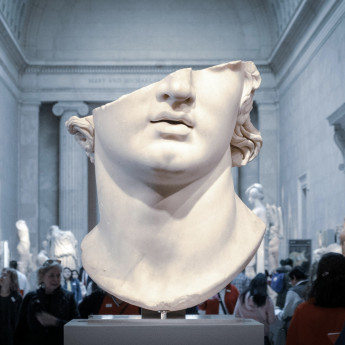
Sculpture Care and Display: From Plinths to Pedestals in Your Home
Learn how to display and care for sculpture at home—from lighting tips to material care—so your art can truly shine in any space. Read More

What is Found Object?
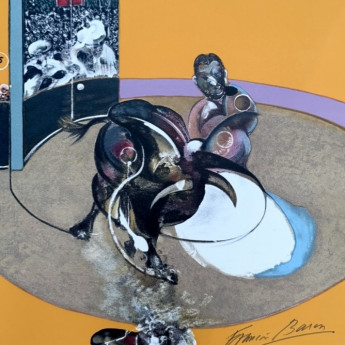
A found object is a term used to describe a man-made or natural object, or a fragment of one, that an artist discovers or purchases and keeps for inspiration or as a work of art. The artist may also modify the object or incorporate it into a collage or assemblage, transforming it into a new piece of art.