
What is appropriation?
- Show All
- Established
- Discoveries
- Show All
Artworks Related to Appropriation

Andy Warhol
Untitled (Mao), from The New York Collection for Stockholm, 1973
Limited Edition Print
Mixed Media
GBP 13,200

KAWS
5 Years Later Companion - grey, 2004
Sculpture / Object
Mixed Media
GBP 6,300
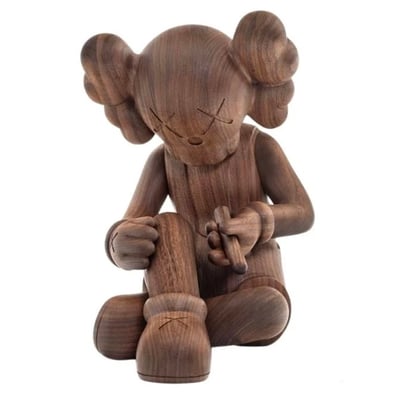
KAWS
Better Knowing, 2023
Sculpture / Object
Wood
Inquire For Price

KAWS
Star Wars Boba Fett Companion, 2013
Sculpture / Object
Mixed Media
GBP 5,700

KAWS
Star Wars Stormtrooper Companion, 2008
Sculpture / Object
Mixed Media
GBP 5,700

Banksy
Precision Bombing, 2000
Limited Edition Print
Mixed Media
GBP 250,000 - 280,000
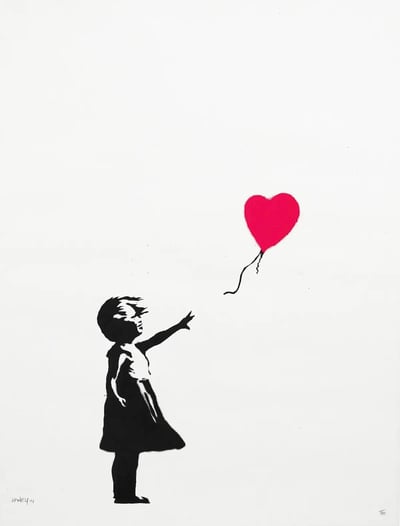
Banksy
Girl With A Balloon, 2004
Limited Edition Print
Screen-print
GBP 240,000 - 270,000
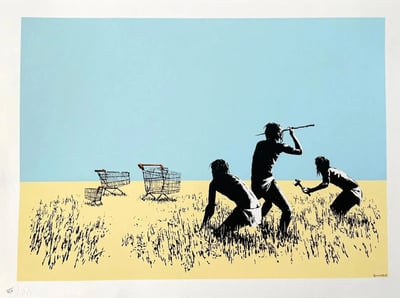
Banksy
Trolley Hunters, 2007
Limited Edition Print
Screen-print
GBP 30,000 - 40,000
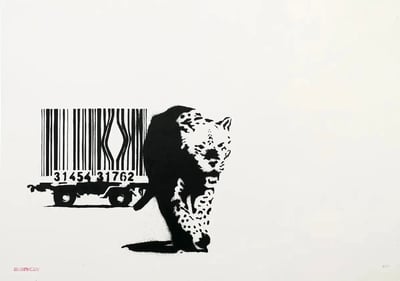
Banksy
Barcode, 2004
Limited Edition Print
Screen-print
GBP 70,000 - 90,000
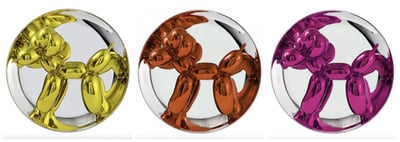
Jeff Koons
Ballon Dogs - set of 3, 2015 -2017
Sculpture / Object
Porcelain
USD 30,000 - 40,000
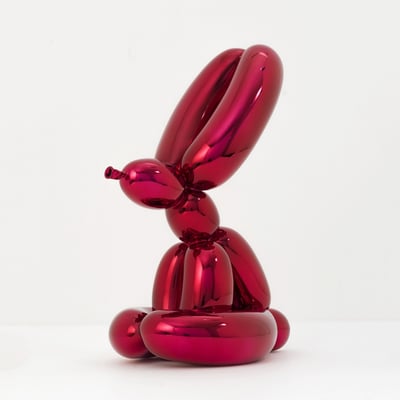
Jeff Koons
Balloon Rabbit (Red), 2017
Sculpture / Object
Porcelain
EUR 20,000 - 30,000
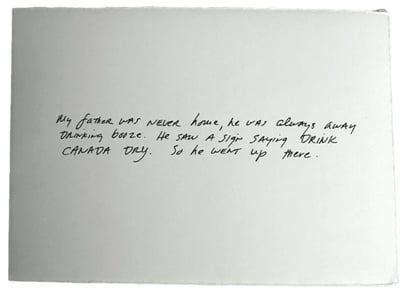
Richard Prince
The Greeting Card Jokes #3: Canada Dry, 2011
Limited Edition Print
Mixed Media
GBP 5,400

Richard Prince
The Greeting Card Jokes #2: The Best Friend, 2011
Limited Edition Print
Mixed Media
GBP 5,400

Richard Prince
Pure Thoughts - Live Free or Die, 2007
Sculpture / Object
Object
GBP 7,750
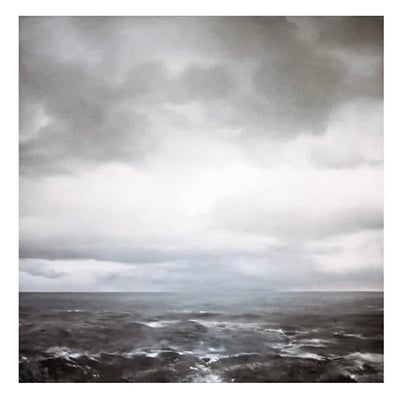
Gerhard Richter
Seestück (bewölkt), 1969/2022
Limited Edition Print
Digital Print on paper
GBP 4,150

Gerhard Richter
Tiger, 1965/2022
Limited Edition Print
Offset Print
GBP 3,180
Related Articles




A plate is a broad, primarily flat vessel used for serving food, but it can also serve ceremonial or decorative purposes. Plates are typically circular, though they can be any shape and made from various water-resistant materials. Most plates have raised edges, either by curving upward or featuring a wider lip. Vessels without a raised edge or with a more rounded profile are often considered bowls or dishes, while very large, plate-shaped vessels might also be classified as dishes.
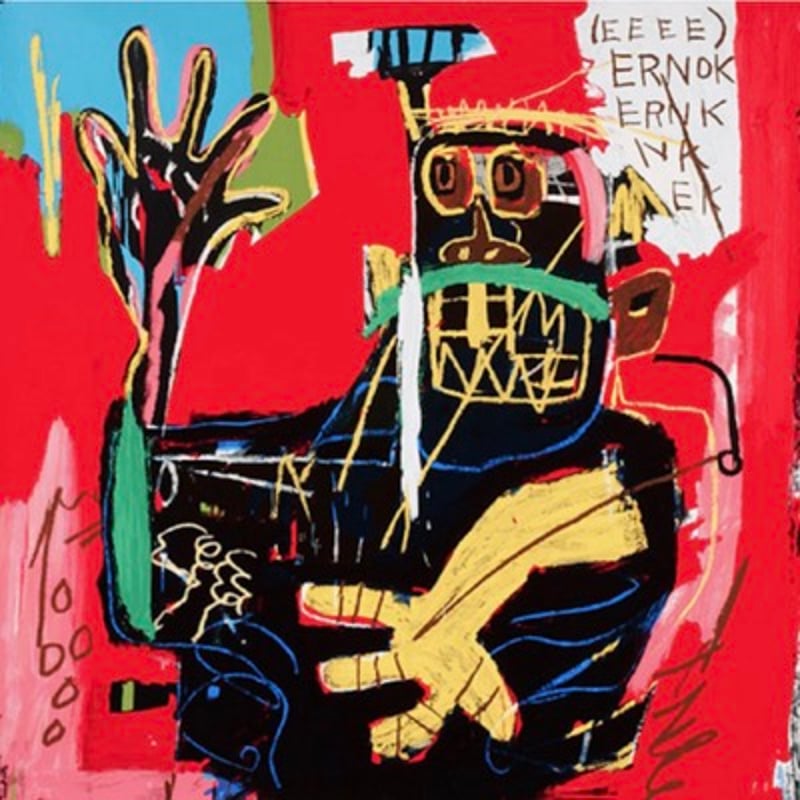
In 1981, Patti Astor opened the first art gallery in New York City's East Village, helping to launch the careers of various artists and musicians. The gallery started small but quickly gained popularity, contributing to the emergence of art movements such as Neo-Expressionism and Street Art in the area. The East Village became a hub for these new artistic expressions. However, the gallery closed in 1985 due to waning interest.

Contemporary art from India dates from 1985 to the present, marking the post-liberalization era. During this period, artists have felt free to create independently of traditional Hindu or social conventions. They often incorporate distinctly Indian materials and objects in their work, reflecting a blend of modern ideas and cultural heritage.
Can't find your Answer?
Thank you! Your question has been sent — we'll get back to you shortly.
