
What is appropriation?
- Show All
- Established
- Discoveries
- Show All
Artworks Related to Appropriation
KAWS
Private Listing
Painting
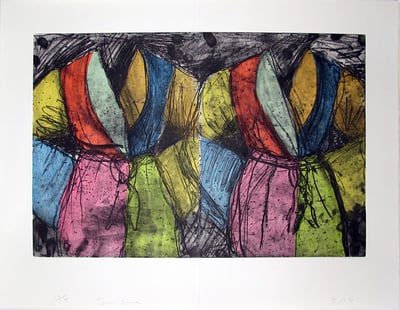
Jim Dine
The Soft Ground, 2014
Limited Edition Print
Mixed Media
USD 12,950
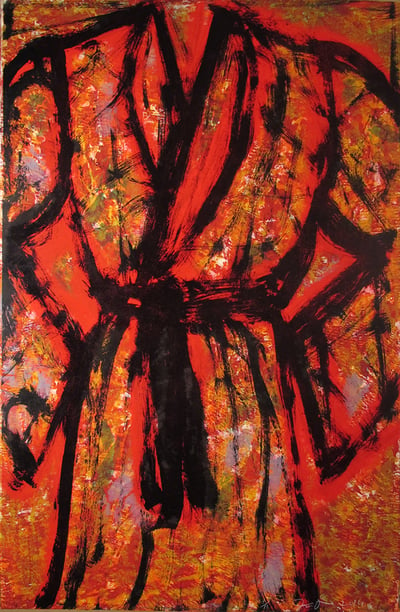
Jim Dine
Zein Robe, 2014
Limited Edition Print
Lithograph
USD 21,000
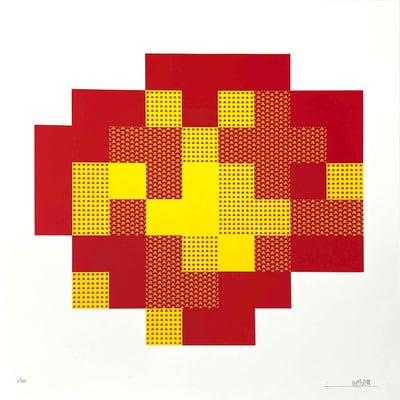
Invader
Explosion, 2015
Limited Edition Print
Screen-print
USD 12,000
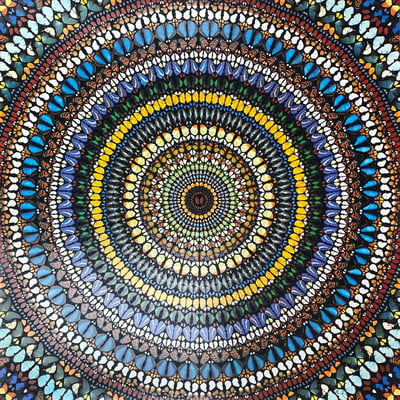
Damien Hirst
Covenant DD, 2013
Limited Edition Print
Screen-print
USD 70,000 - 80,000
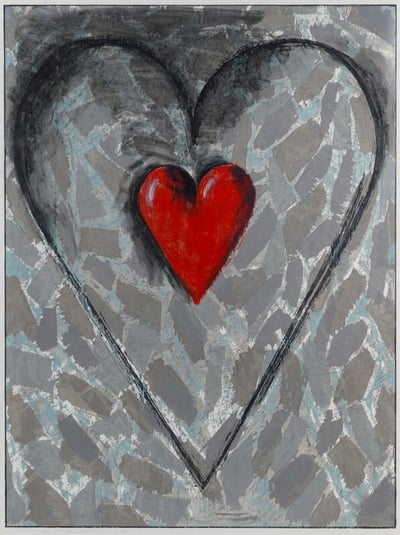
Jim Dine
Gray Fort, 2003
Limited Edition Print
Mixed Media
USD 20,000 - 30,000
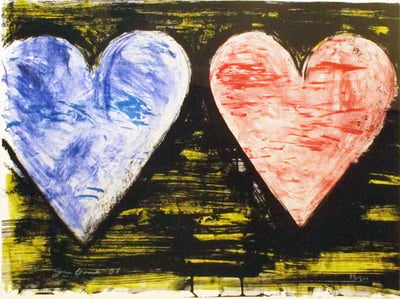
Jim Dine
Two Hearts at Sunset, 2005
Limited Edition Print
Lithograph
USD 4,450
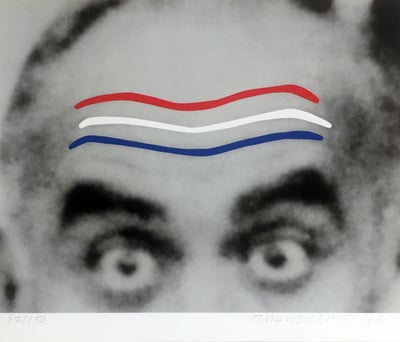
John Baldessari
Raised Eyebrows/Furrowed Foreheads (Red, White and Blue) from the Artist for Obama Portfolio, 2008
Limited Edition Print
Screen-print
USD 1,950
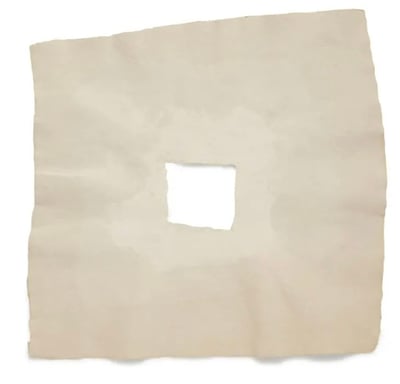
Robert Rauschenberg
Page III, 1974
Limited Edition Print
Mixed Media
Inquire For Price
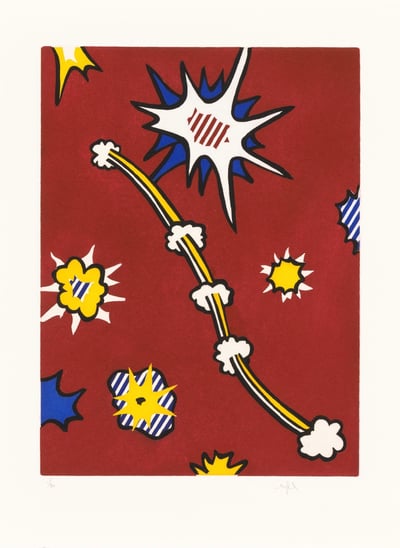
Roy Lichtenstein
De Denver au Montana, Départ 27 Mai 1972 (II), 1991
Limited Edition Print
Etching and Aquatint
USD 12,500
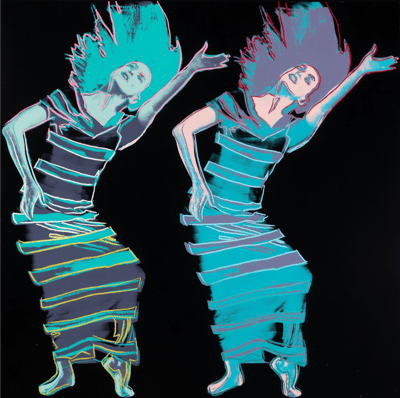
Andy Warhol
Satyric Festival Song, II.387, 1986
Limited Edition Print
Screen-print
USD 50,000 - 60,000
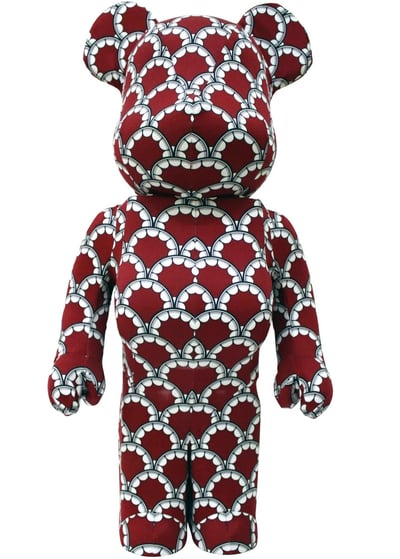
KAWS
KAWS x Bearbrick Anniversary 1000%, 2003
Sculpture / Object
Mixed Media
GBP 18,000

KAWS
KAWS x Bearbrick Chomper 1000%, 2003
Sculpture / Object
Mixed Media
Inquire For Price
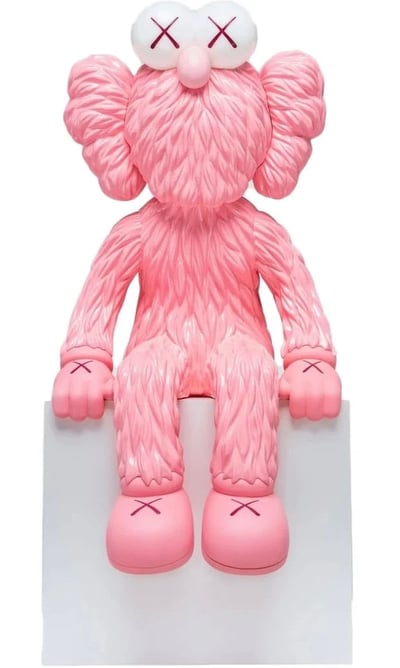
KAWS
Seeing Lamp - pink, 2020
Sculpture / Object
Mixed Media
GBP 60,000 - 70,000
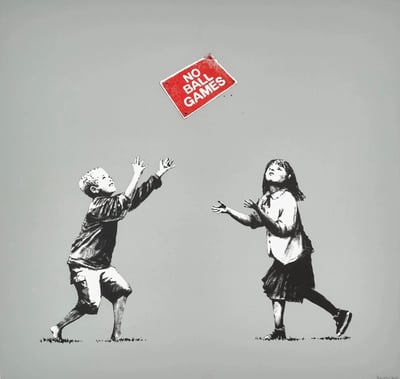
Banksy
No Ball Games - grey, 2009
Limited Edition Print
Screen-print
GBP 70,000 - 80,000
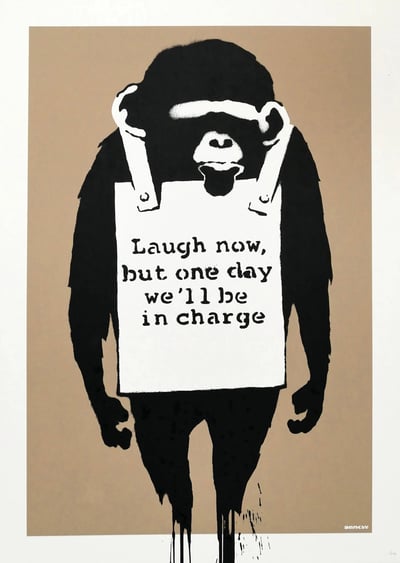
Banksy
Laugh Now (unsigned), 2003
Limited Edition Print
Screen-print
GBP 40,000 - 55,000
Related Articles


Tempera is a paint traditionally made by mixing colored pigments with egg yolk. It dries quickly and is highly durable, with some examples dating back to 100 AD still in existence. Modern tempera paint often uses glue size as a binder instead of egg yolk. Tempera is known for its bright colors and fine, detailed application, making it popular for panel paintings and icons.
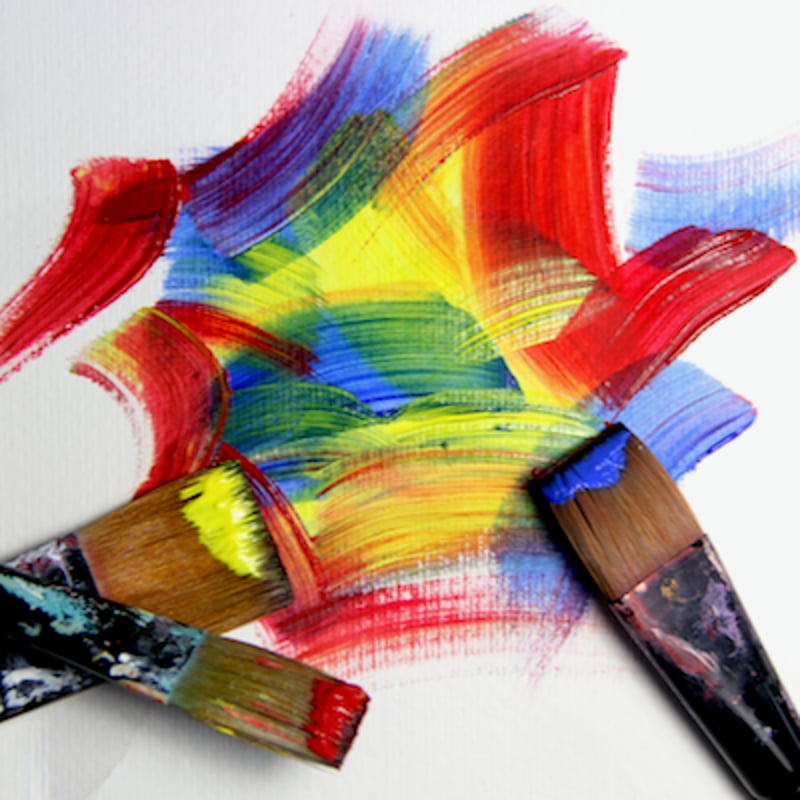
Oil on paper is a technique that allows painters to use economical paper without needing to apply a primer before painting. Artists can combine oil paints with solvents to achieve effects similar to watercolor, such as color washes, spattering, and mingling of colors with thinned paint.
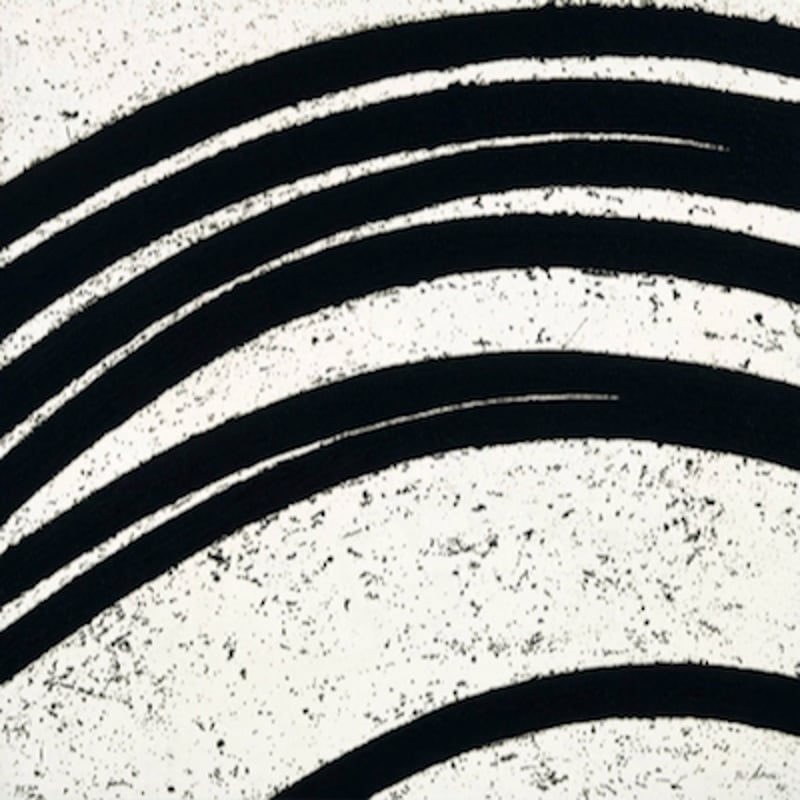
Postminimalism refers to a range of art styles that emerged in the 1960s, following the Minimalism movement. While Minimalism focused on simplicity and impersonality, Postminimalist artists retained some elements of Minimalism but also explored greater expressiveness, experimenting with new materials and techniques. This movement includes various forms of art such as conceptual art, body art, performance art, process art, and site-specific works. Postminimalism represents a shift toward more personal, tactile, and process-oriented approaches to art-making.
Can't find your Answer?
Thank you! Your question has been sent — we'll get back to you shortly.
