
What is appropriation?
- Show All
- Established
- Discoveries
- Show All
Artworks Related to Appropriation
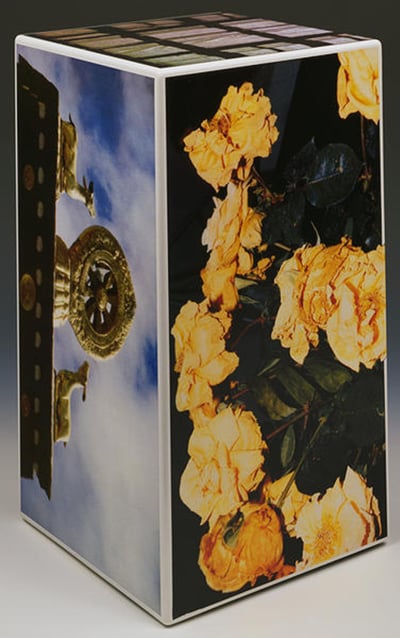
Robert Rauschenberg
Tibetan Keys (Rectangle), 1987
Sculpture / Object
Mixed Media
USD 14,250
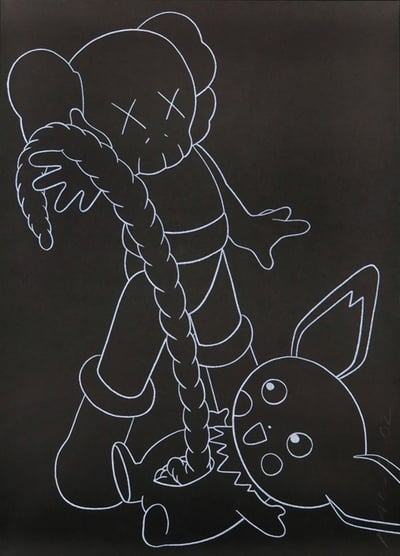
KAWS
Companion vs Pikachu, 2002
Limited Edition Print
Screen-print
Artwork On Hold
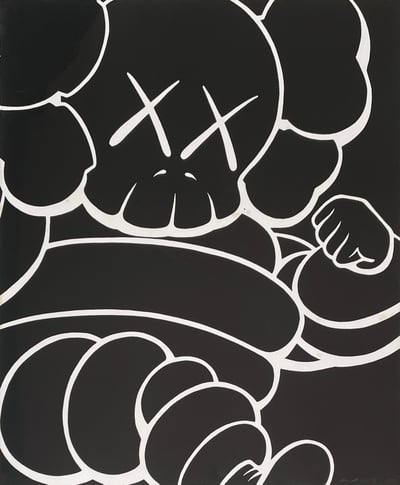
KAWS
Running Chum #1, 2000
Limited Edition Print
Silkscreen
Inquire For Price
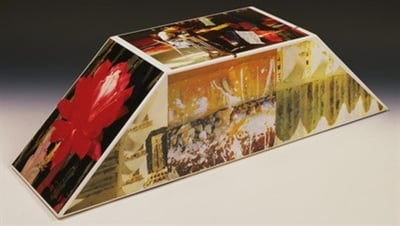
Robert Rauschenberg
Tibetan Keys (Double Bevel), 1987
Sculpture / Object
Mixed Media
USD 16,500
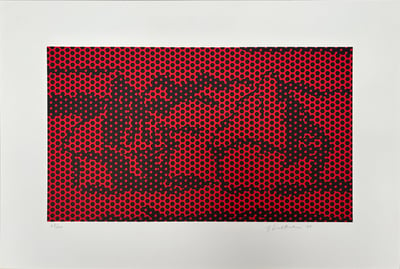
Roy Lichtenstein
Haystack #6, 1969
Limited Edition Print
Lithograph
USD 19,500
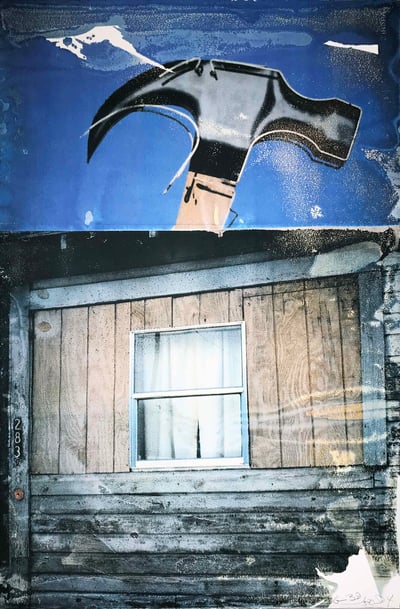
Robert Rauschenberg
Tribute 21: Labor, 1994
Limited Edition Print
Lithograph
USD 6,750
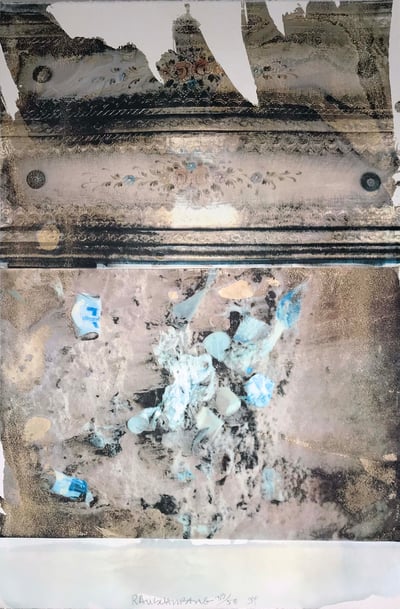
Robert Rauschenberg
Tribute 21: Cinema, 1994
Limited Edition Print
Lithograph
USD 4,950
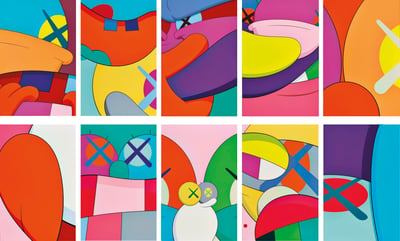
KAWS
No Reply Suite, 2015
Limited Edition Print
Silkscreen
Inquire For Price

Robert Rauschenberg
Relic (Speculations), 1997
Limited Edition Print
Screen-print
USD 11,900
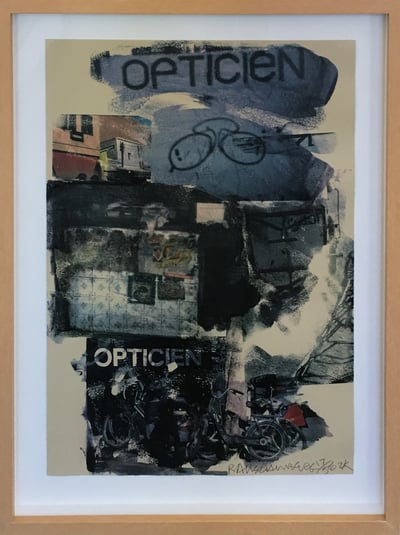
Robert Rauschenberg
Site, 2000
Limited Edition Print
Lithograph
USD 6,750
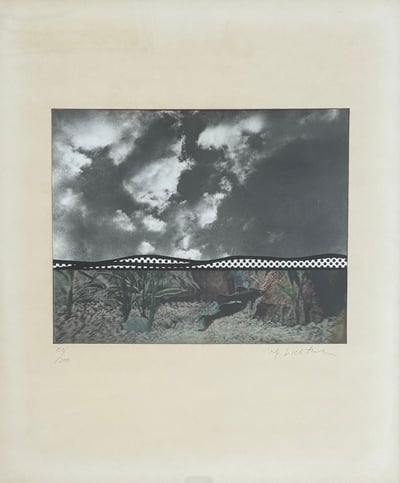
Roy Lichtenstein
Fish and Sky, 1967
Limited Edition Print
Mixed Media
EUR 10,200
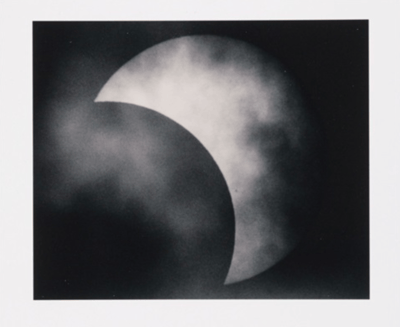
Thomas Ruff
Eclipse, 2004
Limited Edition Print
Photograph
USD 2,550
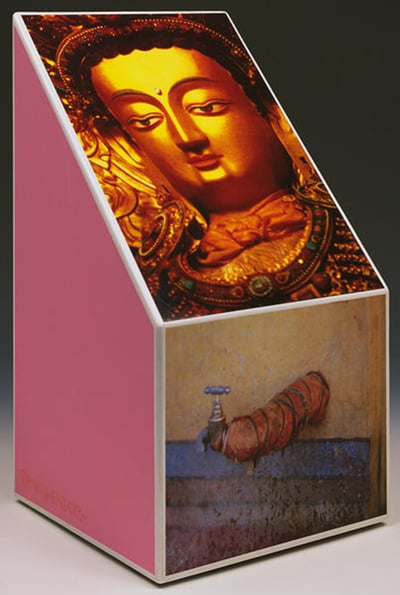
Robert Rauschenberg
Tibetan Keys (Bevel), 1987
Sculpture / Object
Mixed Media
USD 14,250
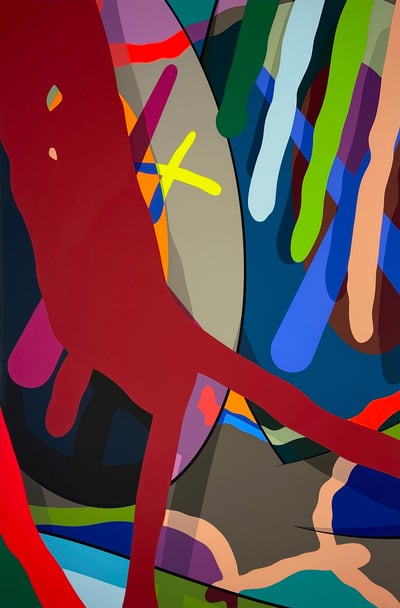
KAWS
Tension #10, 2019
Limited Edition Print
Serigraph
USD 15,500
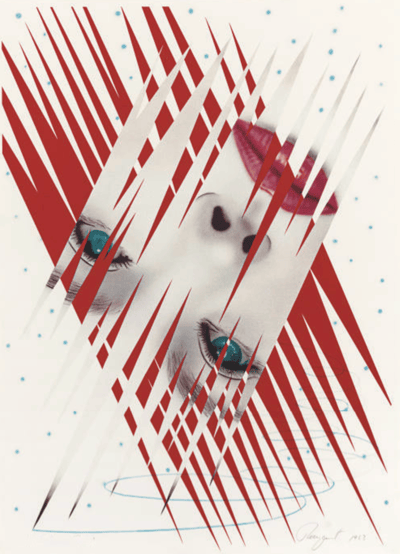
James Rosenquist
Ice Point from Art and Sport, 1983
Limited Edition Print
Lithograph
USD 4,450
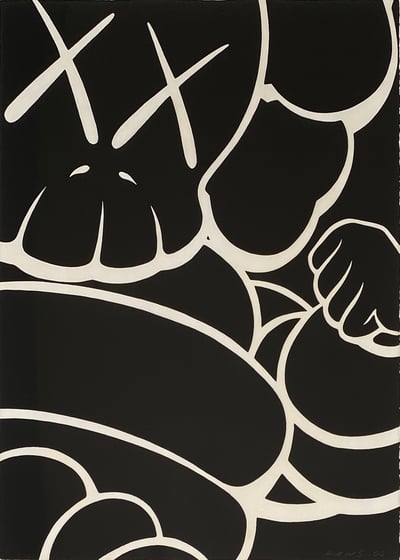
KAWS
Running Chum #2, 2000
Limited Edition Print
Silkscreen
Inquire For Price
Related Articles

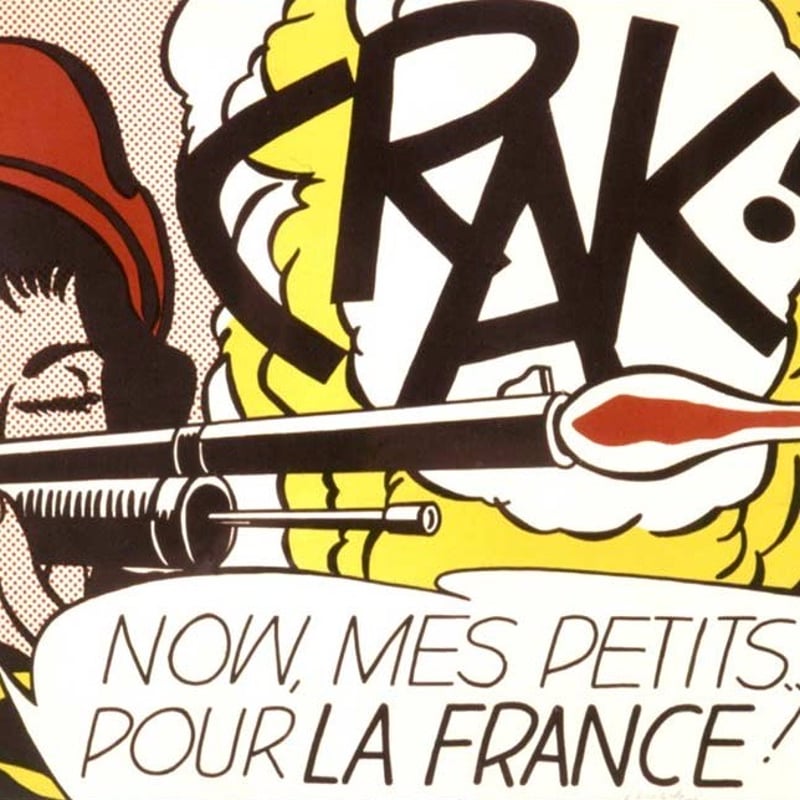

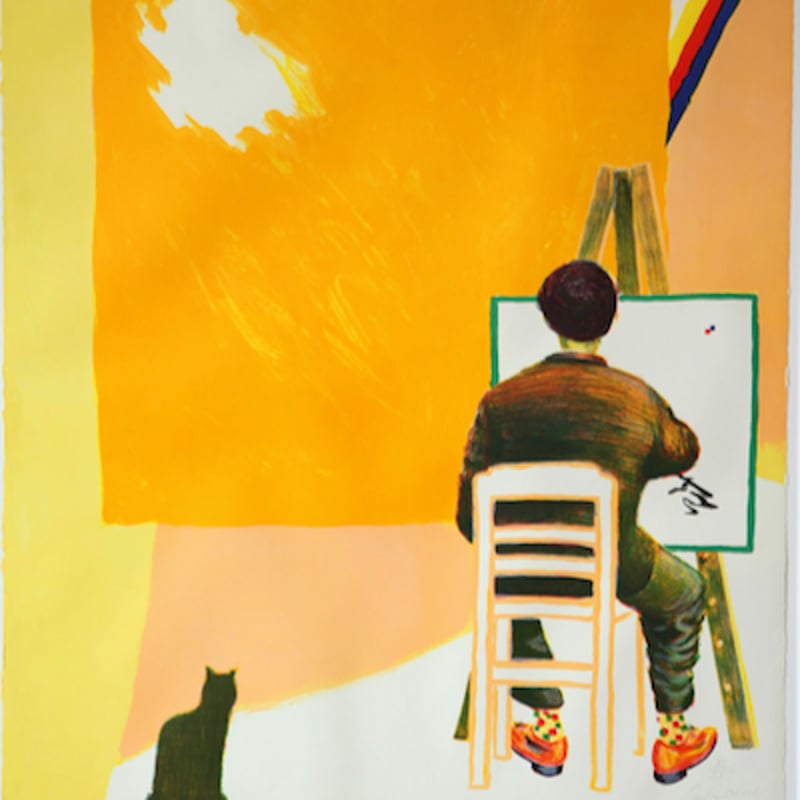
Neo-Figurative Art is a collective term that refers to the revival of figurative art in America and Europe during the 1960s, following a period dominated by abstraction. Michel Ragon, a French art critic, argued that this resurgence of figuration occurred during a critical time of social and political upheaval in both regions.

Animation is the process of displaying a sequence of static images in rapid succession to create the illusion of movement. Each image, or frame, is slightly altered from the previous one, particularly in the moving parts, so when shown together, they form a continuous motion. Traditionally, illustrators drew each frame by hand to produce this effect.
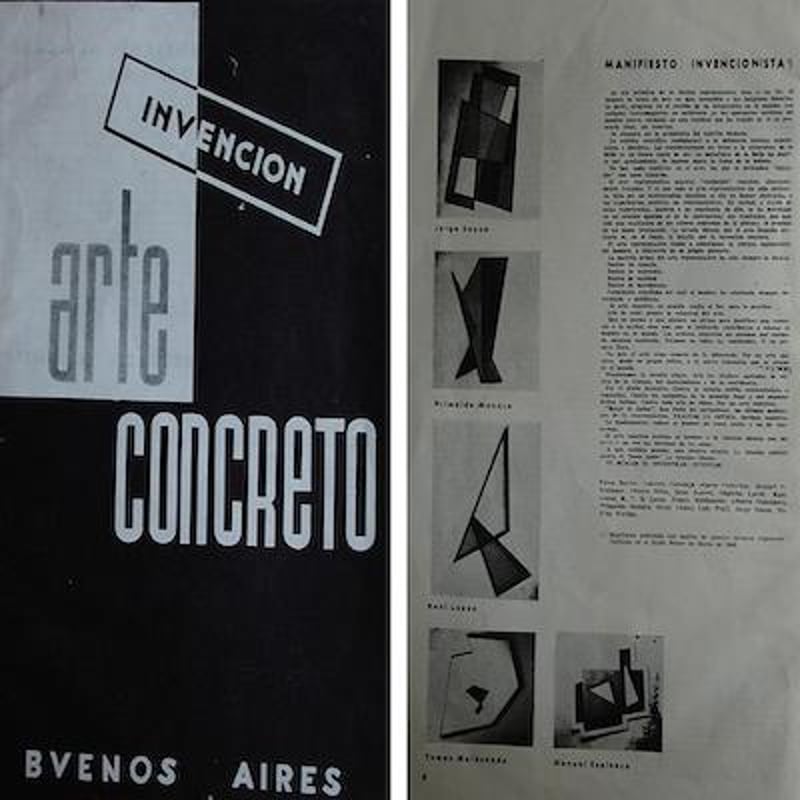
The Manifesto Invencionista was published in 1946, marking the beginning of the concrete art movement in Buenos Aires, Argentina. Written by artist Tomás Maldonado and published by the Asociación Arte Concreto-Invención, the manifesto announced the principles of Concrete Art. Concrete art is purely abstract, with no reference to visual reality, emphasizing geometric forms and the materiality of the artwork itself.
Can't find your Answer?
Thank you! Your question has been sent — we'll get back to you shortly.
