
What is appropriation?
- Show All
- Established
- Discoveries
- Show All
Artworks Related to Appropriation
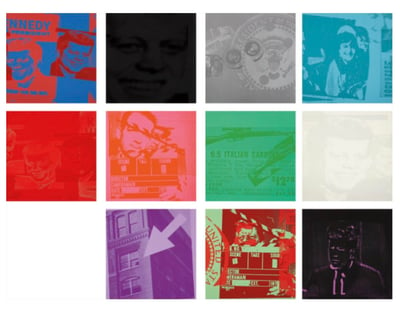
Andy Warhol
Flash (November 22 1963) portfolio, 1968
Limited Edition Print
Screen-print
USD 100,000 - 120,000
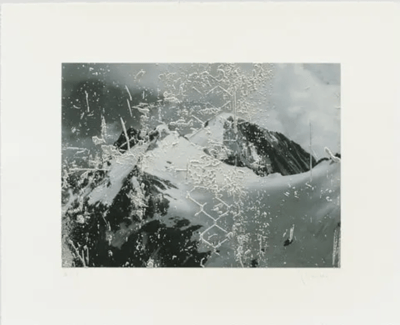
Rudolf Stingel
Untitled, 2023
Limited Edition Print
Digital print on canvas
USD 5,000 - 6,000
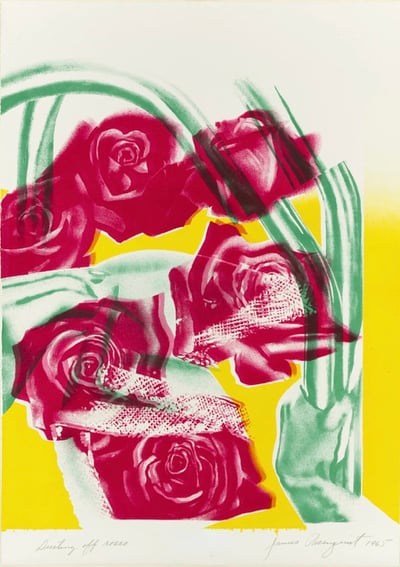
James Rosenquist
Dusting off Roses, 1965
Limited Edition Print
Lithograph
Inquire For Price
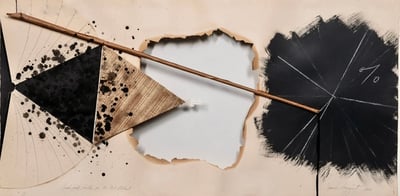
James Rosenquist
Book and Pointer for the fast Student, 1977
Drawing / Watercolor
Collage
Inquire For Price
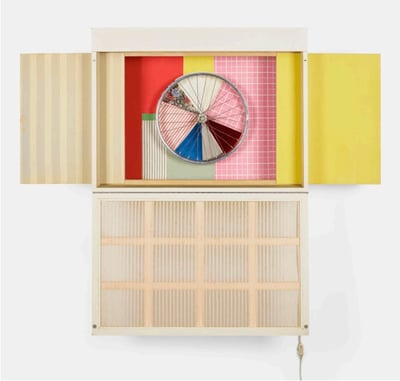
Robert Rauschenberg
Publicon Station IV, 1978
Sculpture / Object
Mixed Media
USD 34,000 - 50,000
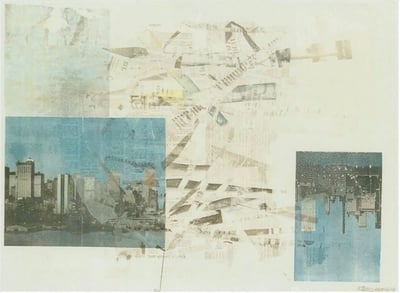
Robert Rauschenberg
Bait (Stoned Moon Series), 1982
Drawing / Watercolor
Mixed Media
Inquire For Price
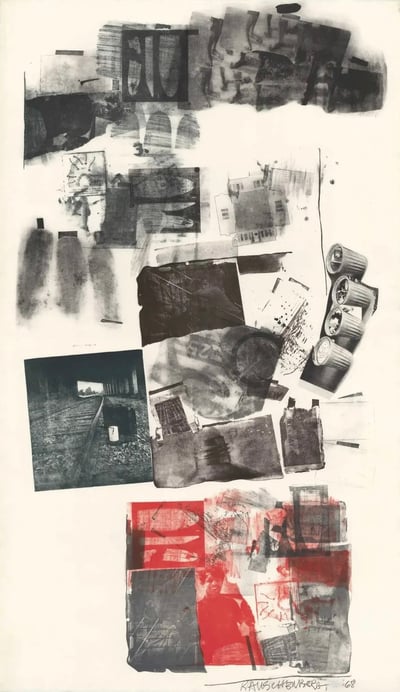
Robert Rauschenberg
Water Stop, 1968
Limited Edition Print
Lithograph
Inquire For Price
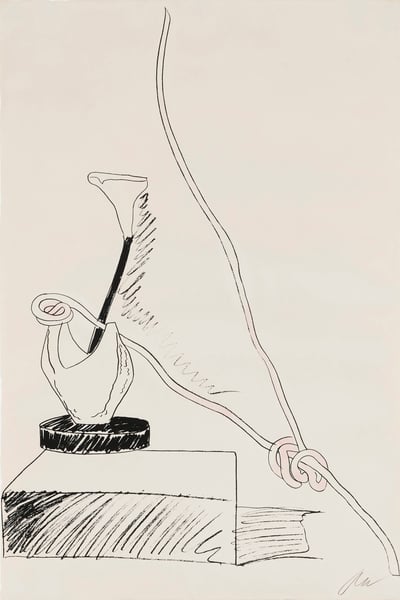
Andy Warhol
Flowers (Black and White), FS II.101, 1974
Limited Edition Print
Screen-print
USD 10,750
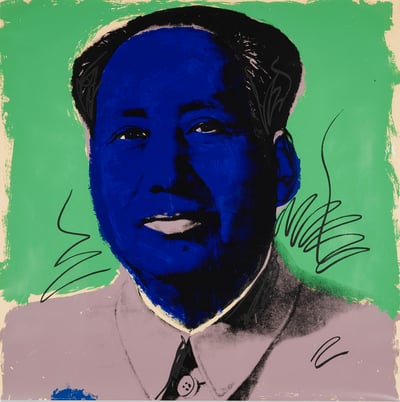
Andy Warhol
Mao (F & S II.90), 1972
Limited Edition Print
Screen-print
Inquire For Price
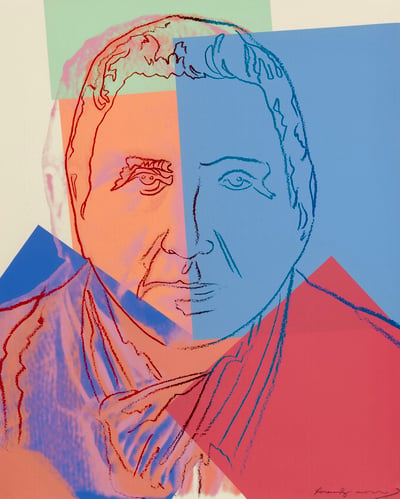
Andy Warhol
Gertrude Stein (FS II.227), 1980
Limited Edition Print
Screen-print
USD 16,500
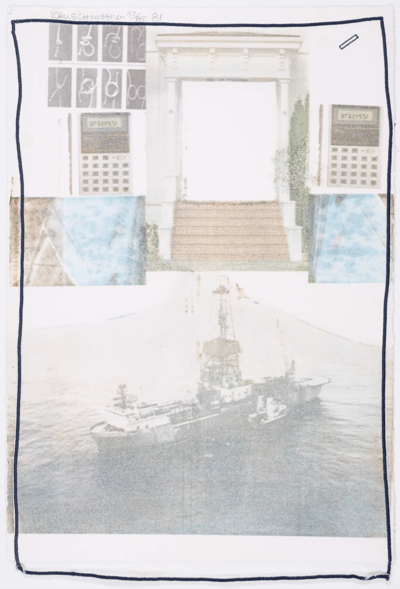
Robert Rauschenberg
Arcanum VII, 1981
Limited Edition Print
Collage
Inquire For Price
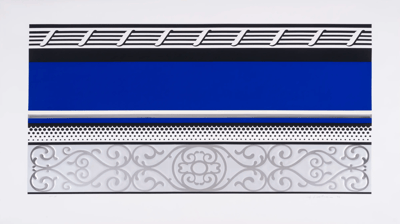
Roy Lichtenstein
Entablature V (Corlett 142), 1976
Limited Edition Print
Collage
USD 12,570
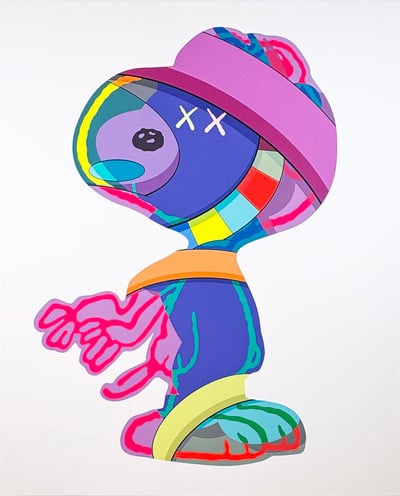
KAWS
The Things That Comfort, 2015
Limited Edition Print
Screen-print
USD 30,000 - 40,000
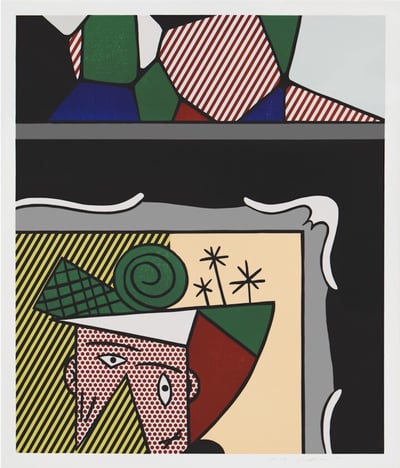
Roy Lichtenstein
Two Paintings, from the Paintings series, 1984
Limited Edition Print
Mixed Media
USD 50,000 - 60,000
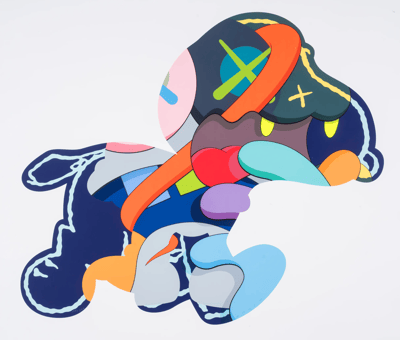
KAWS
Stay Steady, 2015
Limited Edition Print
Screen-print
USD 10,750
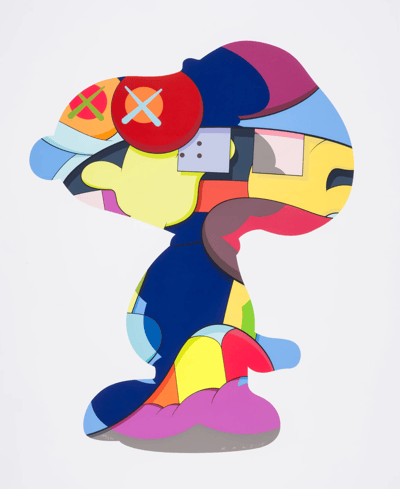
KAWS
No One's Home, 2015
Limited Edition Print
Screen-print
USD 10,750
Related Articles


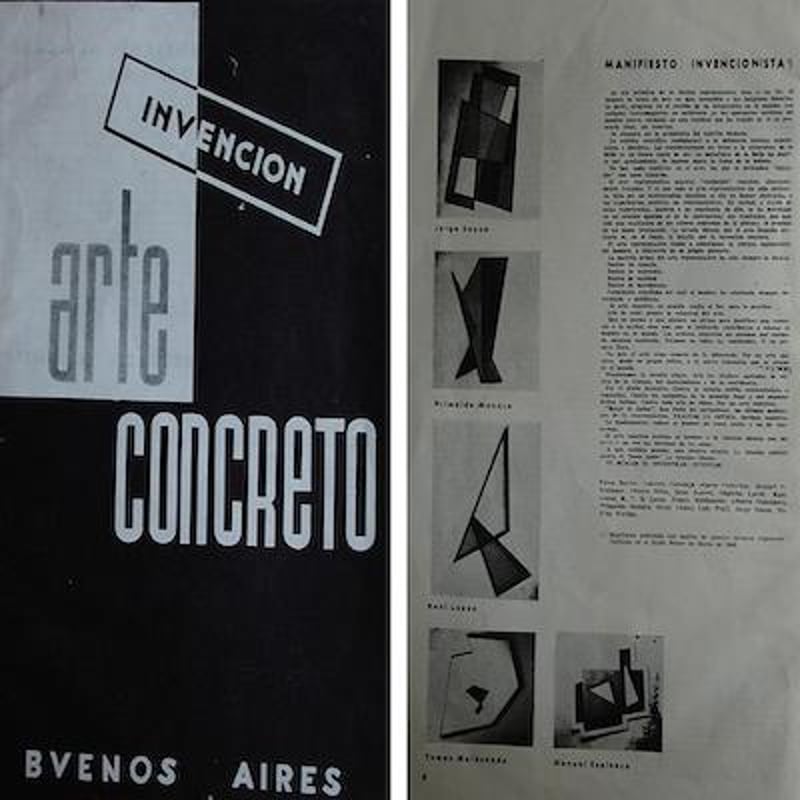
The Manifesto Invencionista was published in 1946, marking the beginning of the concrete art movement in Buenos Aires, Argentina. Written by artist Tomás Maldonado and published by the Asociación Arte Concreto-Invención, the manifesto announced the principles of Concrete Art. Concrete art is purely abstract, with no reference to visual reality, emphasizing geometric forms and the materiality of the artwork itself.

Wax is a solid material derived from plant, animal, and petroleum sources. It is used to protect paints from wear, create sculptures, make wax crayons and colored pencils, and for encaustic painting. In encaustic painting, colored beeswax is shaped with special tools to create textured, raised surfaces.
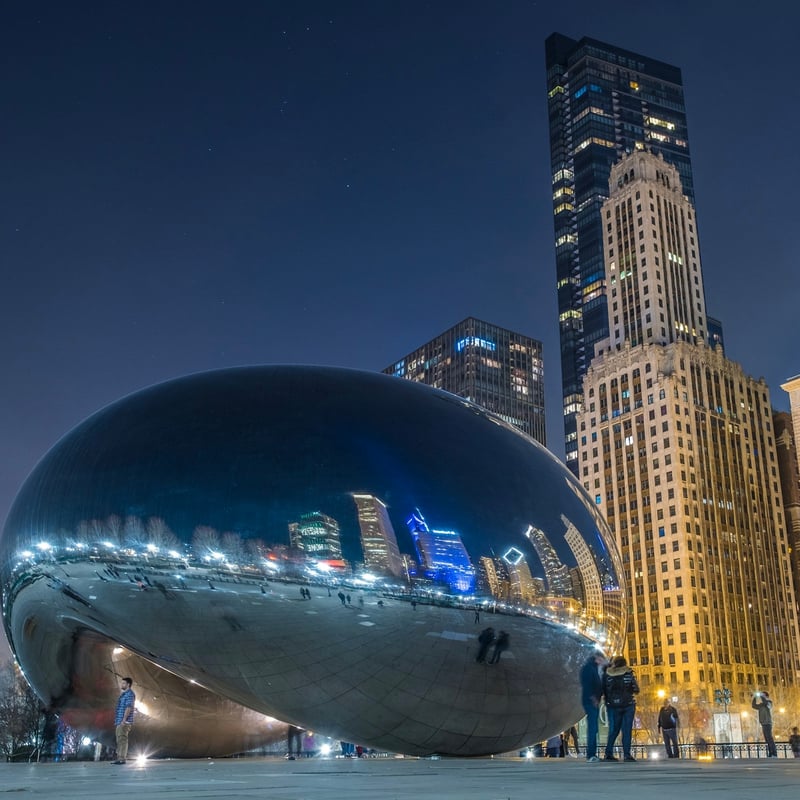
New British Sculpture is the name referring to the work produced by a group of sculptors, installation artists, and other creators who exhibited together in London during the 1980s. This group included artists like Richard Deacon, Richard Wentworth, and Tony Cragg. Tim Woods helped define this movement by identifying four major themes: the blending of kitsch and pop culture, the use of UK urban waste in a bricolage style, the assignment of new meanings to everyday objects, and a playful approach using wit and humor.
Can't find your Answer?
Thank you! Your question has been sent — we'll get back to you shortly.
