
What is appropriation?
- Show All
- Established
- Discoveries
- Show All
Artworks Related to Appropriation
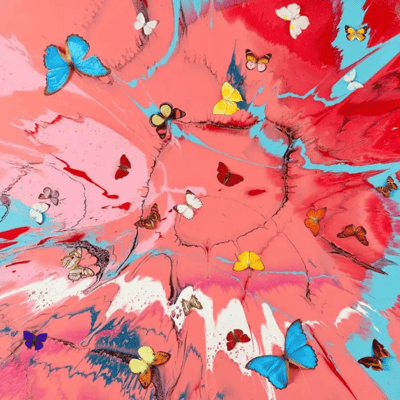
Damien Hirst
Dreams / H19-2 - Angelic Seraph, 2025
Limited Edition Print
Giclée printing
GBP 8,000 - 12,000
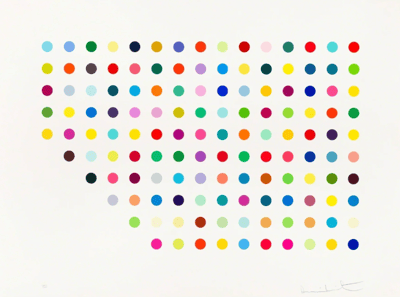
Damien Hirst
Meprobamate, 2011
Limited Edition Print
Screen-print
GBP 10,000 - 13,000
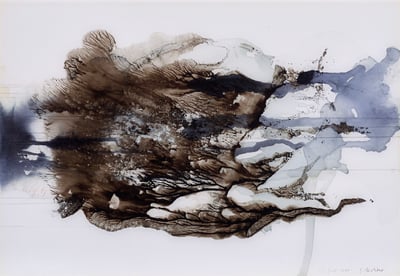
Gerhard Richter
December 2020 C, 2020
Limited Edition Print
Giclée printing
GBP 17,000 - 20,000
Damien Hirst
Exmouth Esplanade, 2023
Limited Edition Print
Giclée printing
GBP 6,500 - 9,000
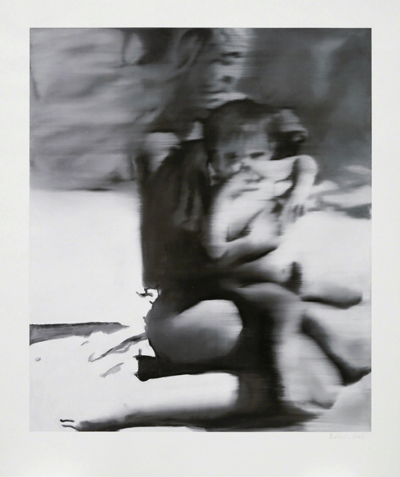
Gerhard Richter
Frau Mit Kind / Mother With Child, 1965 / 2005
Limited Edition Print
Offset Print
GBP 3,500 - 5,000
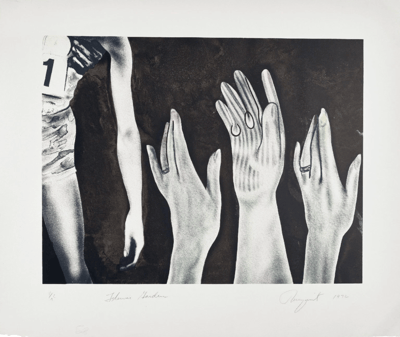
James Rosenquist
Flower Garden, 1972
Limited Edition Print
Lithograph
USD 1,200
Andy Warhol
Private Listing
Limited Edition Print
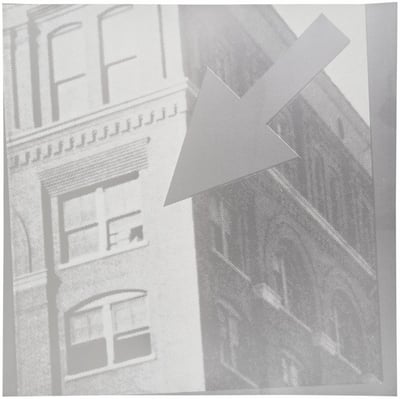
Andy Warhol
Flash - November 22, 1963 (F. & S. 39), 1968
Limited Edition Print
Screen-print
USD 9,540
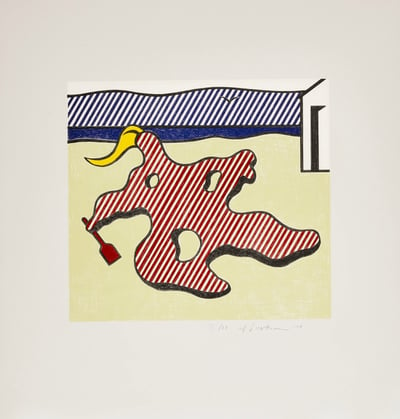
Roy Lichtenstein
Nude on Beach, from the Surrealist Series, 1978
Limited Edition Print
Lithograph
USD 20,000 - 30,000
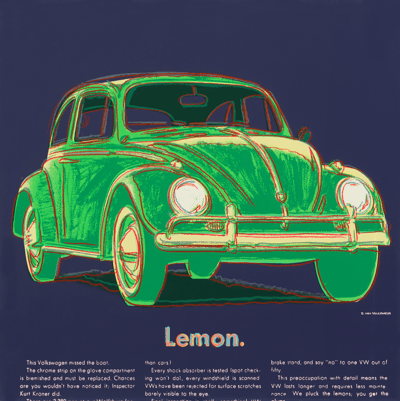
Andy Warhol
Volkswagen (F. & S. II.358), 1985
Limited Edition Print
Screen-print
USD 80,000 - 90,000
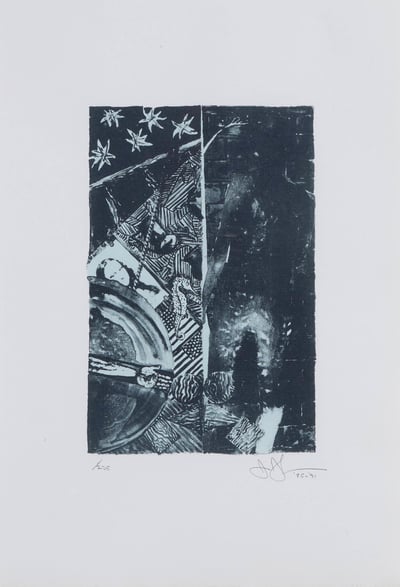
Jasper Johns
Summer (Blue), 1985-91
Limited Edition Print
Lithograph
USD 4,690
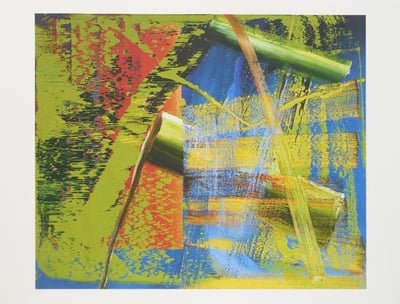
Gerhard Richter
Abstraktes Bild (Werk 563-1), 1984/2024
Limited Edition Print
Mixed Media
EUR 1,880
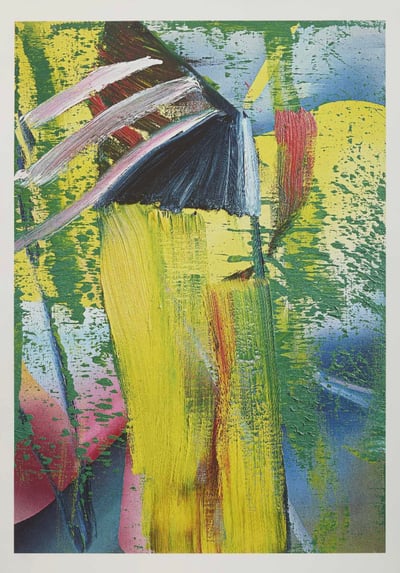
Gerhard Richter
Abstraktes Bild (Werk 522-3), 1983/2024
Limited Edition Print
Mixed Media
EUR 1,880
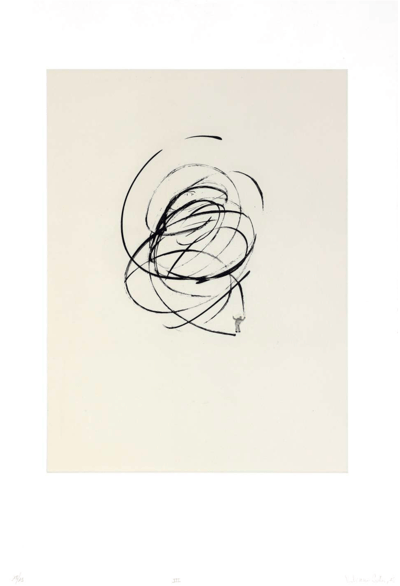
Liliana Porter
Dibujos III, 2025
Limited Edition Print
Collage
EUR 3,000
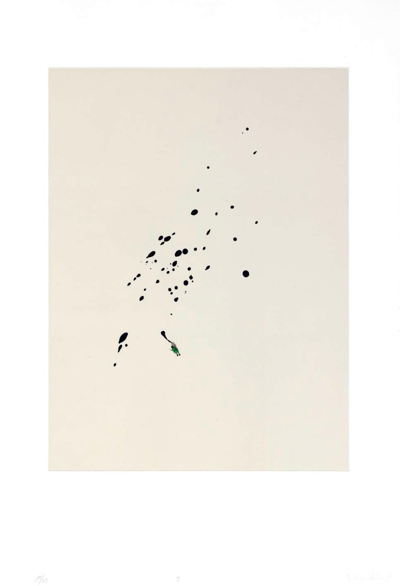
Liliana Porter
Dibujos I, 2025
Limited Edition Print
Collage
EUR 3,000
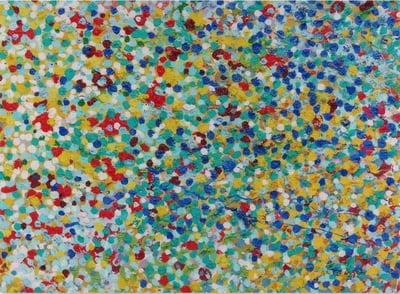
Damien Hirst
H4-6 Kew, 2020
Limited Edition Print
Giclée printing
GBP 10,000 - 15,000
Related Articles

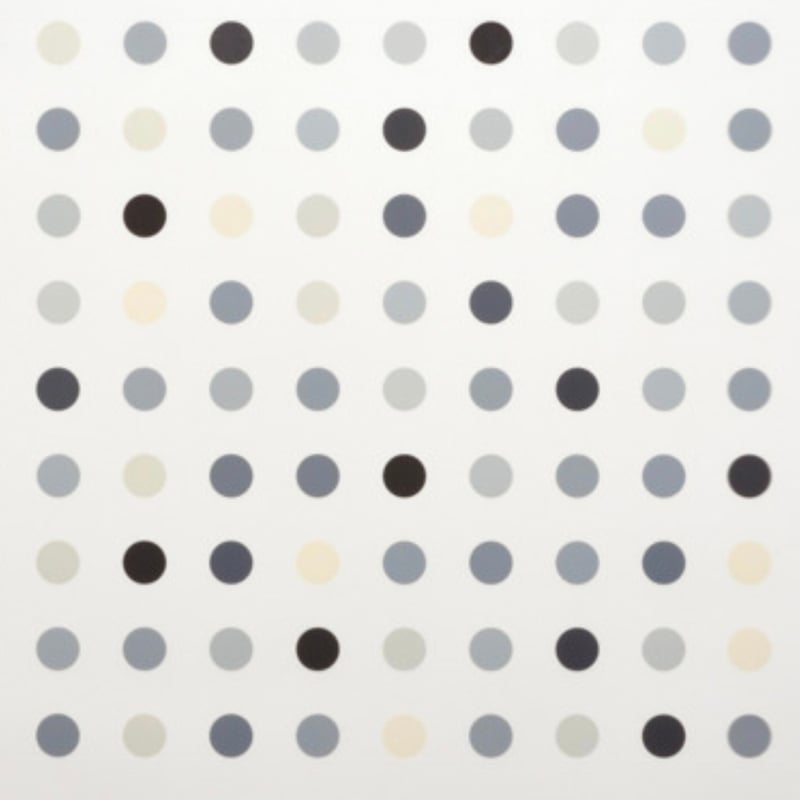
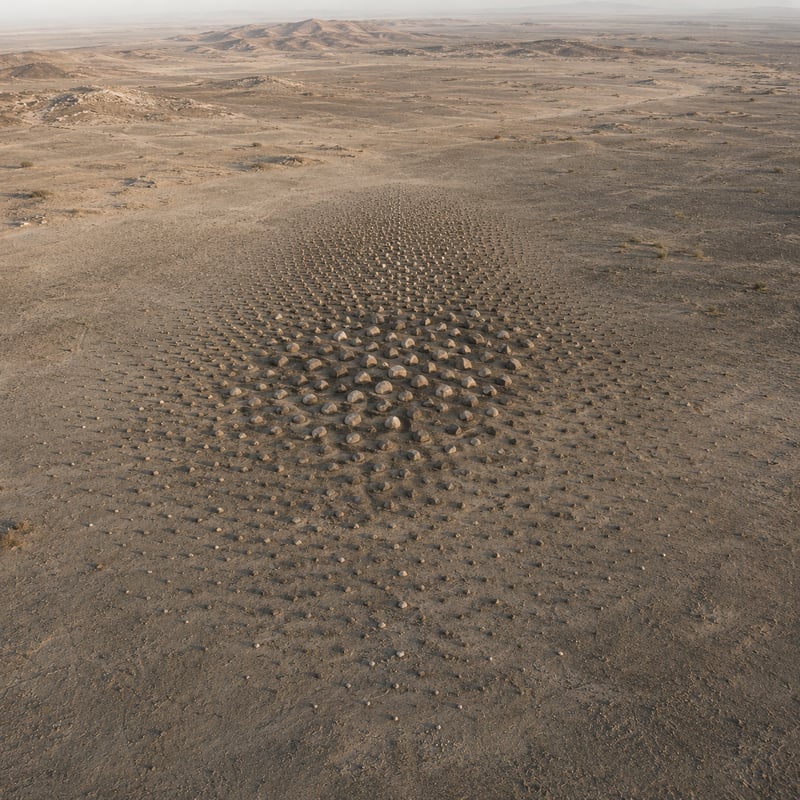
Earth art, also known as Land Art, emerged in the 1960s and 70s as part of the conceptual art movement. It involves creating artworks by sculpting the land or constructing structures in the landscape using natural materials like earth, rocks, or twigs. These works are often large-scale and emphasize the relationship between art and nature.

Gouache is an opaque watercolor paint that allows artists to layer from light to dark. Unlike traditional transparent watercolors, gouache is used for creating solid, vibrant colors. It belongs to the water-media category and is made of pigment, a binding agent, and an inert material, specifically designed for opaque painting.
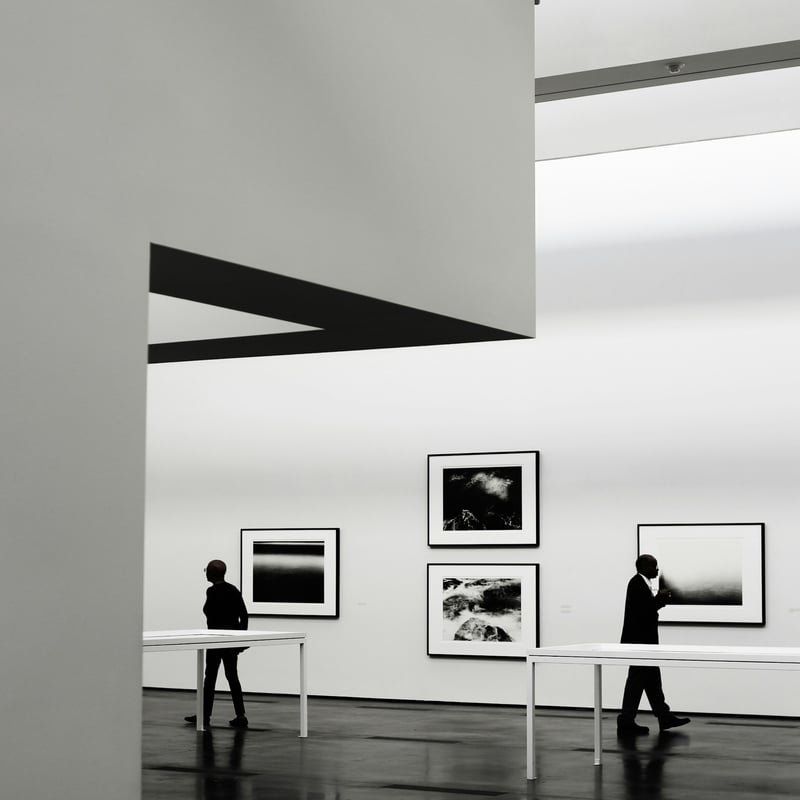
A triennial is a large-scale art exhibition that takes place every three years. These exhibitions often feature the latest artistic developments, works, and emerging artists on an international scale, involving major institutions from around the world. Triennials are significant events in the art world, offering a platform for contemporary art and fostering global cultural exchange.
Can't find your Answer?
Thank you! Your question has been sent — we'll get back to you shortly.
