
What is appropriation?
- Show All
- Established
- Discoveries
- Show All
Artworks Related to Appropriation
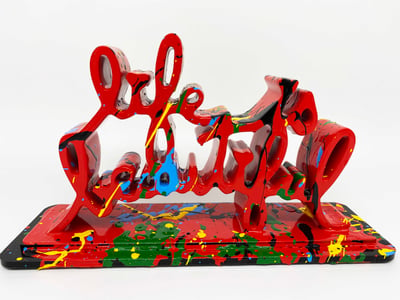
Mr. Brainwash
Life Is Beautiful (Dipped Red Splash), 2020
Sculpture / Object
Mixed Media
USD 3,000
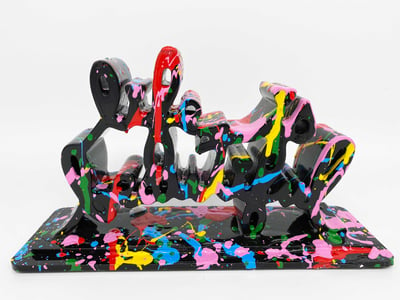
Mr. Brainwash
Life Is Beautiful (Dipped Black Splash), 2020
Sculpture / Object
Mixed Media
USD 3,000
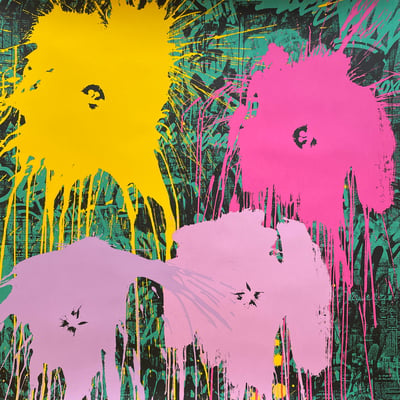
Mr. Brainwash
Flowarh$ - II (E), 2021
Limited Edition Print
Silkscreen
USD 5,700
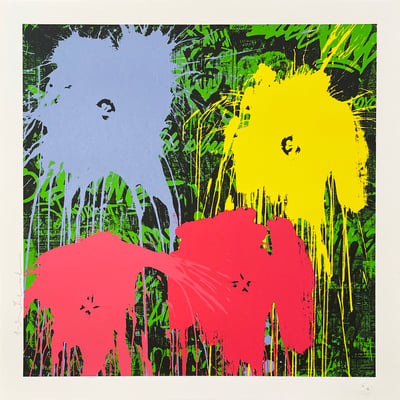
Mr. Brainwash
Flowarh$ - II (D), 2021
Limited Edition Print
Silkscreen
USD 2,750
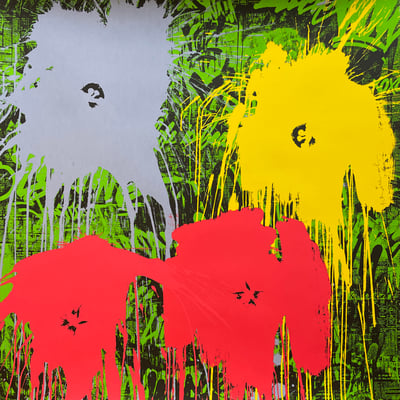
Mr. Brainwash
Flowarh$ - II (D), 2021
Limited Edition Print
Silkscreen
USD 5,700
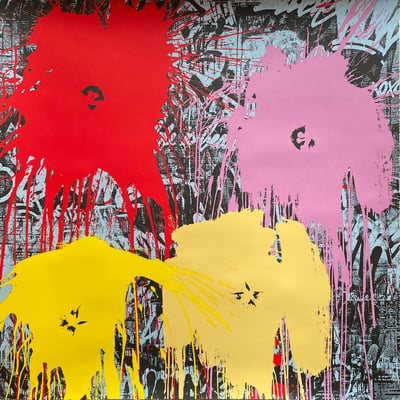
Mr. Brainwash
Flowarh$ - II (C), 2021
Limited Edition Print
Silkscreen
USD 5,700
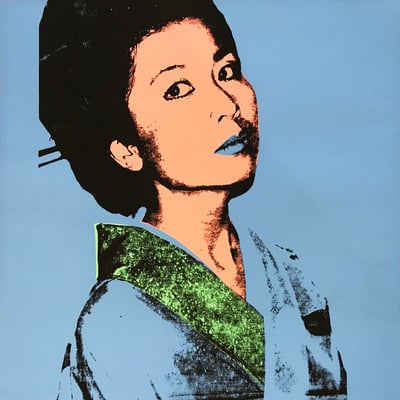
Andy Warhol
Kimiko, II.237, 1981
Limited Edition Print
Screen-print
Inquire For Price
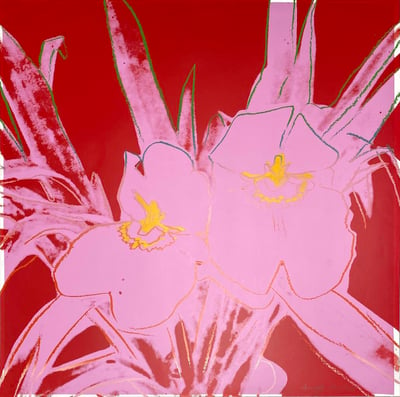
Andy Warhol
Orchids, 1983
Limited Edition Print
Screen-print
Inquire For Price
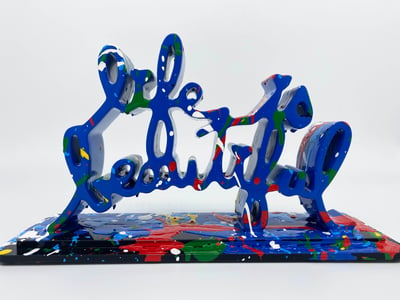
Mr. Brainwash
Life Is Beautiful (Dipped Dark Blue Splash), 2020
Sculpture / Object
Mixed Media
USD 3,000
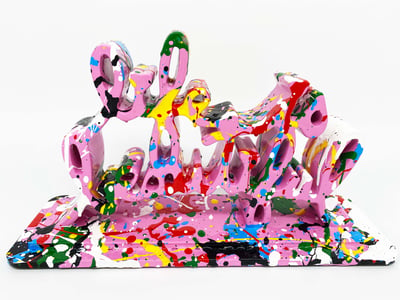
Mr. Brainwash
Life Is Beautiful (Dipped Bubblegum Splash), 2020
Sculpture / Object
Mixed Media
USD 3,000
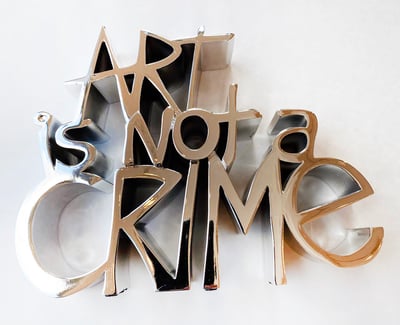
Mr. Brainwash
Art Is Not A Crime - Hard Candy (Silver), 2021
Sculpture / Object
Resin
USD 1,300
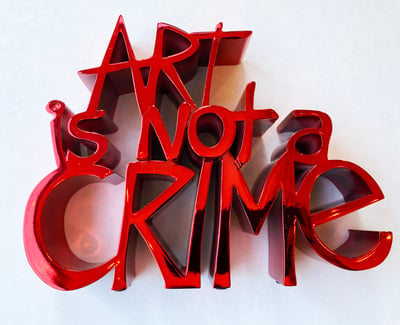
Mr. Brainwash
Art Is Not A Crime - Hard Candy (Red), 2021
Sculpture / Object
Resin
USD 1,300
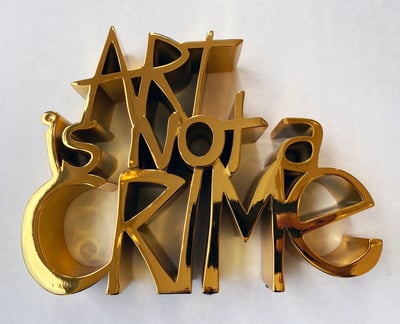
Mr. Brainwash
Art Is Not A Crime - Hard Candy (Gold), 2021
Sculpture / Object
Resin
USD 1,300
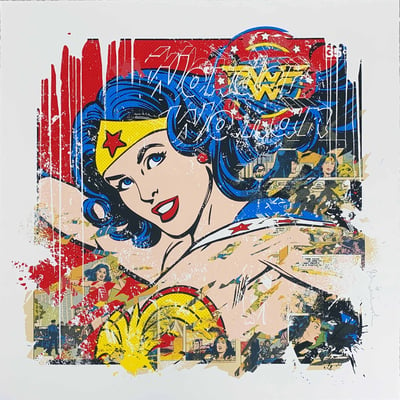
Mr. Brainwash
Shero, 2020
Limited Edition Print
Screen-print
USD 2,200
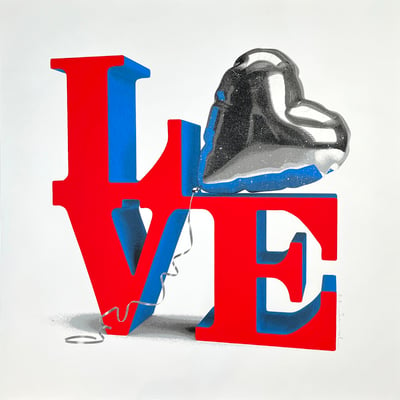
Mr. Brainwash
Monumental Love - Red, 2021
Limited Edition Print
Silkscreen
USD 3,000
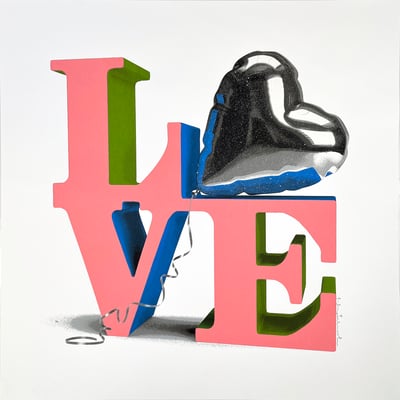
Mr. Brainwash
Monumental Love - Pink, 2021
Limited Edition Print
Silkscreen
USD 3,000
Related Articles




Art Informel is a French term referring to the gestural and improvisational techniques common in abstract painting during the 1940s and 50s. It encompasses various styles that dominated these decades, characterized by informal, spontaneous methods. Artists used this term to describe approaches that moved away from traditional structures and embraced more expressive, unstructured techniques.

Derived from the Latin word meaning flow, Fluxus is an international movement of designers, composers, and artists known for blending various artistic disciplines and media during the 1960s. The movement remains active in visual art, performance, design, architecture, urban planning, and other creative fields. Fluxus is sometimes referred to as nter-media and continues to play a pivotal role in expanding the definitions of what art can be.
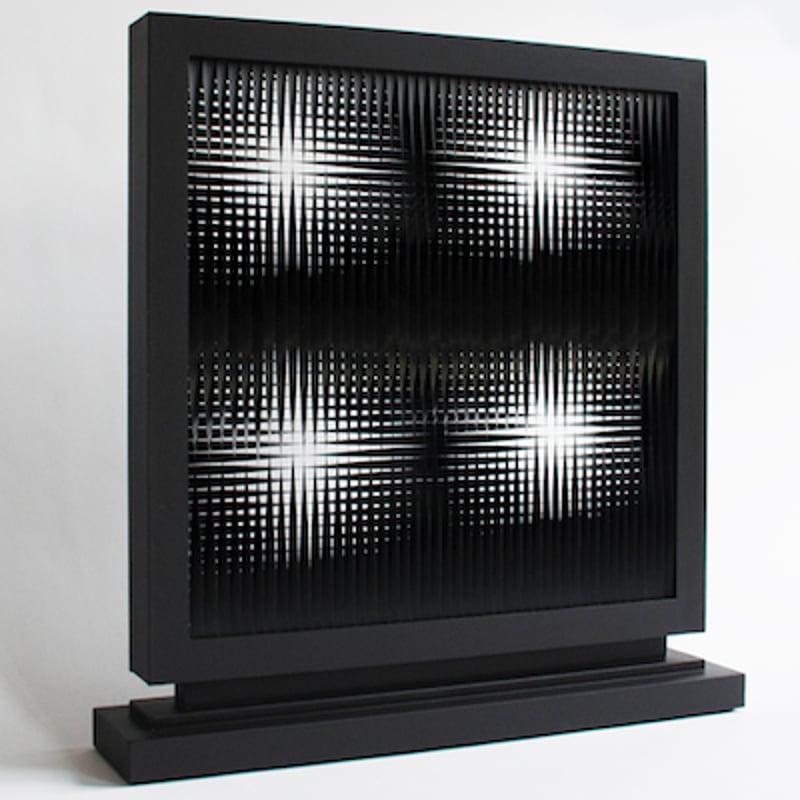
Interactive art is a form of art where the spectator is actively involved by the artist to achieve the artwork's purpose. This involvement can include allowing the visitor to walk around, in, or on the art installation, or even becoming a part of the artwork itself. Works in this category often feature computers, sensors, and interfaces that respond to various inputs such as meteorological changes, heat, motion, or other types of data programmed by the artist.
Can't find your Answer?
Thank you! Your question has been sent — we'll get back to you shortly.
