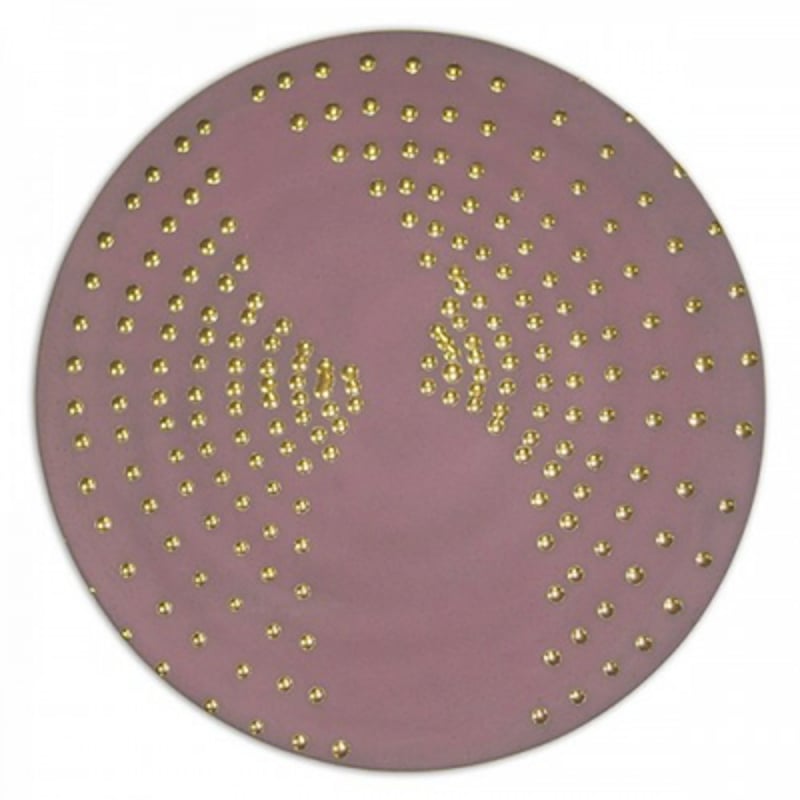
What is the Zero Movement?
ZERO was an art movement founded by Otto Piene and Heinz Mack, aiming to develop into a large international and cross-border movement. The name ZERO originated from a magazine founded by Heinz Mack in 1957, which became a platform for the group's ideas. The magazine was published for several years before ceasing in 1967. The ZERO movement sought to create a new beginning in art, emphasizing light, space, and movement, and became influential in post-war European art.
- Show All
- Established
- Discoveries
- Show All
Artworks Related to Zero Movement
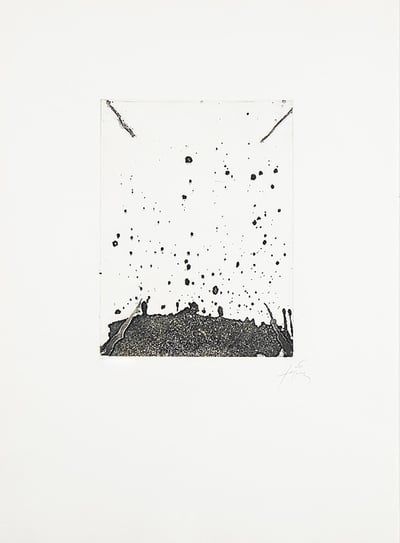
Antoni Tapies
Clau-19 , 1973
Limited Edition Print
Etching
EUR 2,600
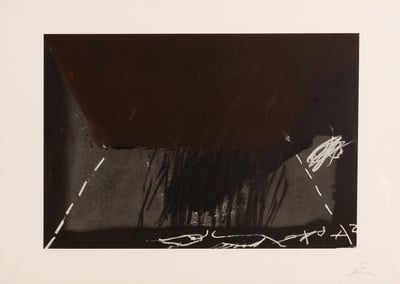
Antoni Tapies
Clau-12 , 1973
Limited Edition Print
Lithograph
EUR 1,600
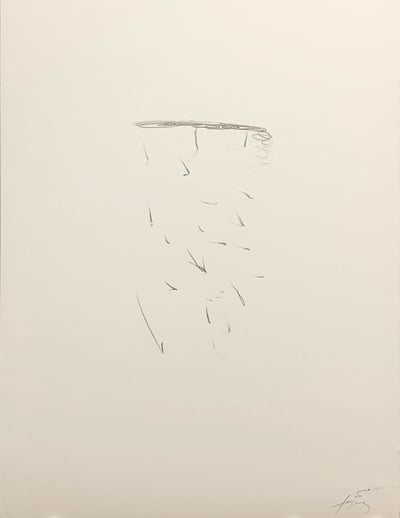
Antoni Tapies
Clau-11 , 1973
Limited Edition Print
Lithograph
EUR 800
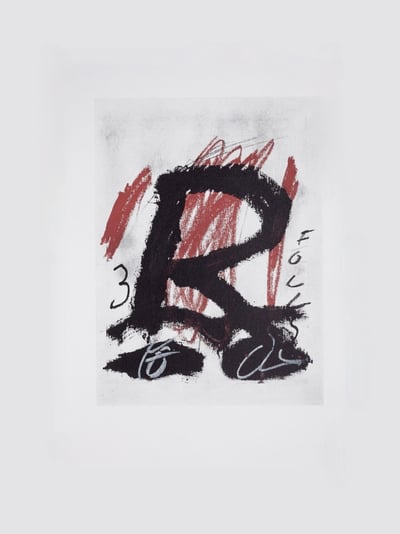
Antoni Tapies
Clau-5, 1973
Limited Edition Print
Lithograph
EUR 1,600

Antoni Tapies
Cordill, 1971
Limited Edition Print
Etching
EUR 6,000
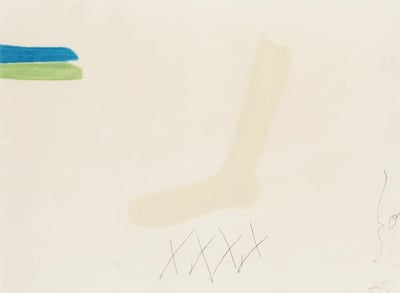
Antoni Tapies
Mitjó, 1971
Limited Edition Print
Etching
EUR 6,000

Antoni Tapies
Orella , 1971
Limited Edition Print
Etching
EUR 6,000
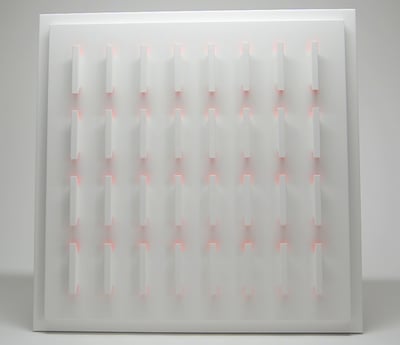
Luis Tomasello
Chromoplastique 1025, 2013
Sculpture / Object
Wood
EUR 4,000
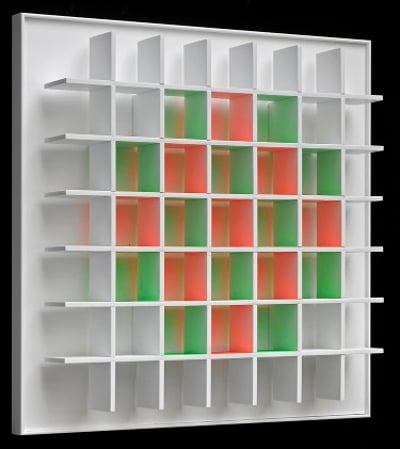
Luis Tomasello
Grille Chromoplastique B, 2012
Sculpture / Object
Mixed Media
EUR 2,000
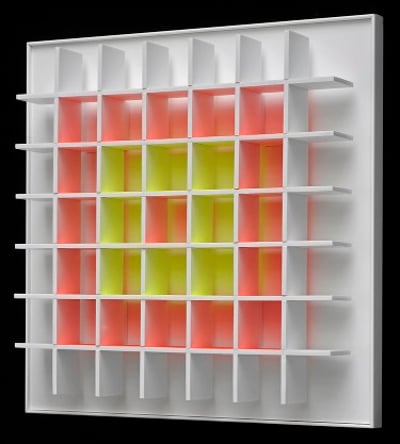
Luis Tomasello
Grille chromoplastique A, 2012
Sculpture / Object
Object
EUR 2,000
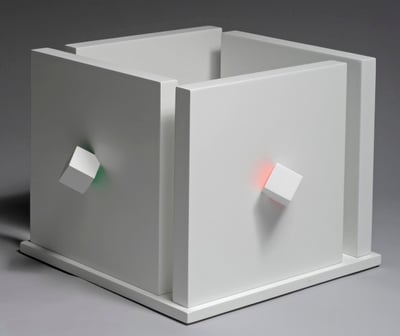
Luis Tomasello
Cube atmosphére chromoplastique, 2011
Sculpture / Object
Wood
EUR 6,000
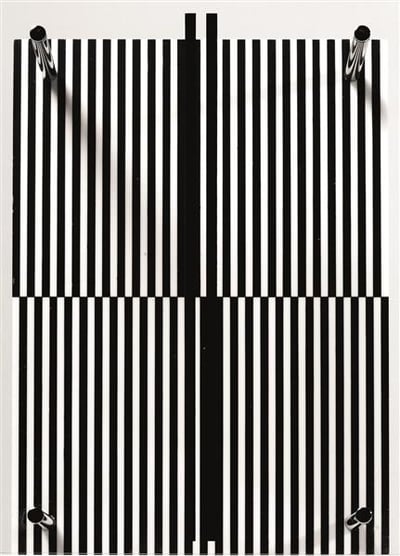
Rafael Jesus Soto
Permutation, 1955-1978
Sculpture / Object
Object
EUR 5,500
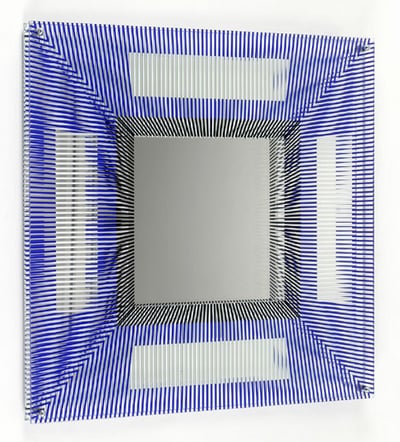
Rafael Jesus Soto
Mirroire, 2005
Sculpture / Object
Glass
EUR 10,000
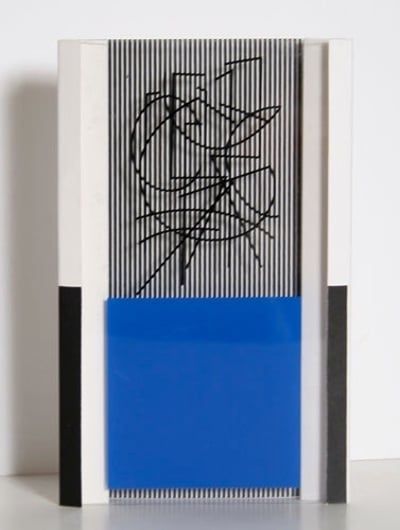
Rafael Jesus Soto
Sans Titre, 2001
Sculpture / Object
Acrylic sculpture
EUR 2,800
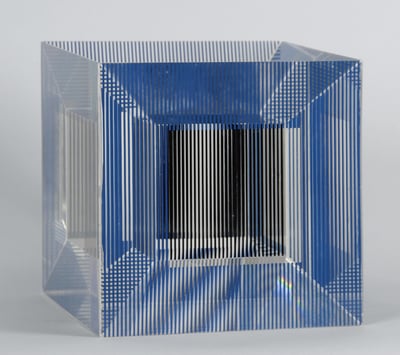
Rafael Jesus Soto
Cube with Ambiguous Space , 1981
Sculpture / Object
Object
Currently Not Available
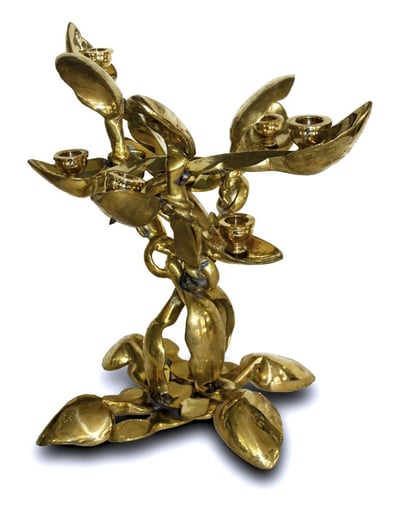
Fernandez Arman
Candélabre africain, 2003
Sculpture / Object
Bronze
EUR 6,000
Related Articles
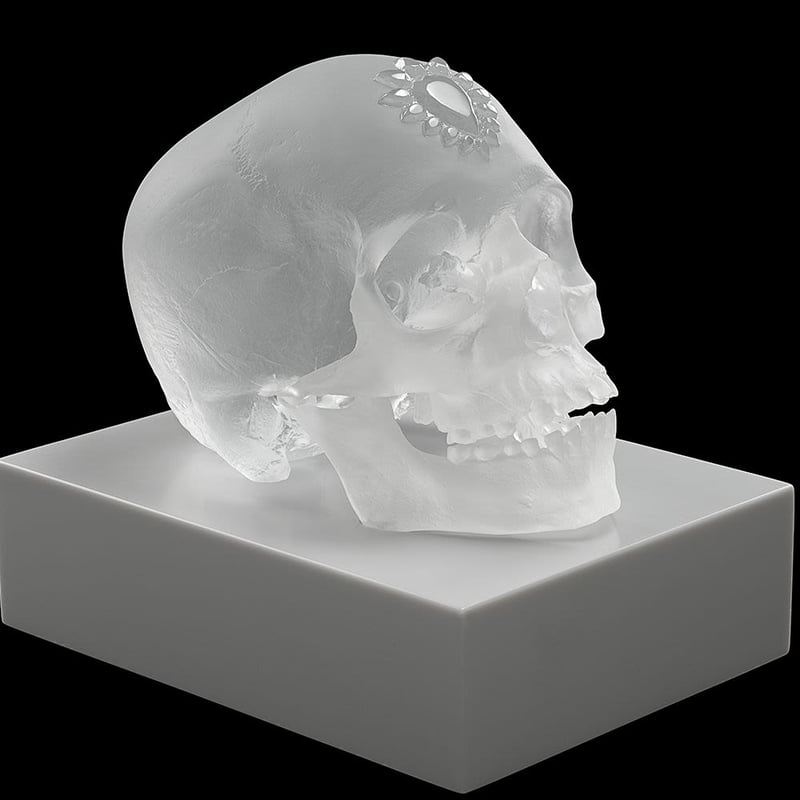
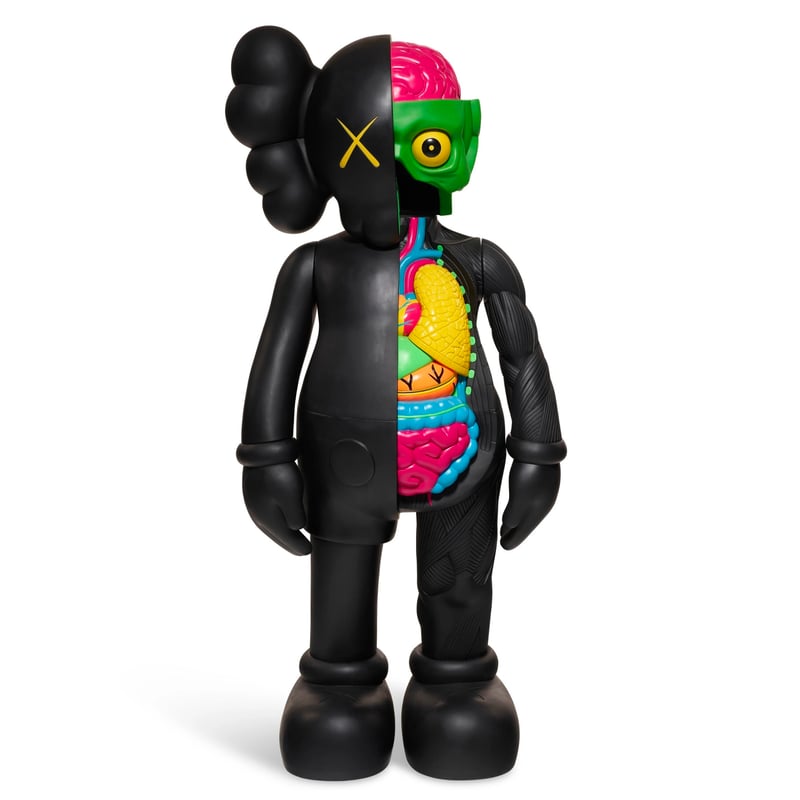
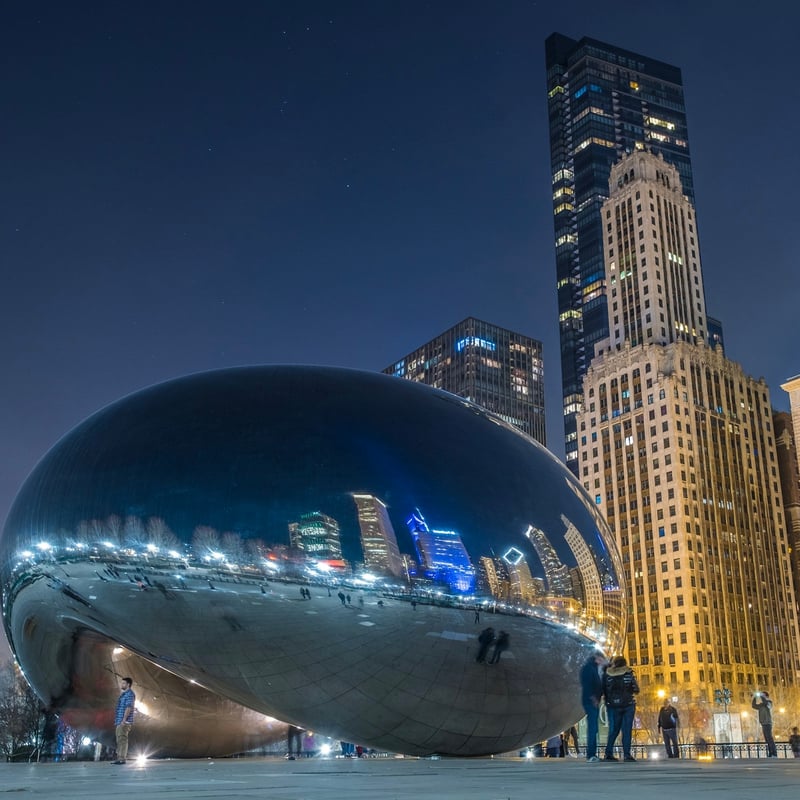
New British Sculpture is the name referring to the work produced by a group of sculptors, installation artists, and other creators who exhibited together in London during the 1980s. This group included artists like Richard Deacon, Richard Wentworth, and Tony Cragg. Tim Woods helped define this movement by identifying four major themes: the blending of kitsch and pop culture, the use of UK urban waste in a bricolage style, the assignment of new meanings to everyday objects, and a playful approach using wit and humor.
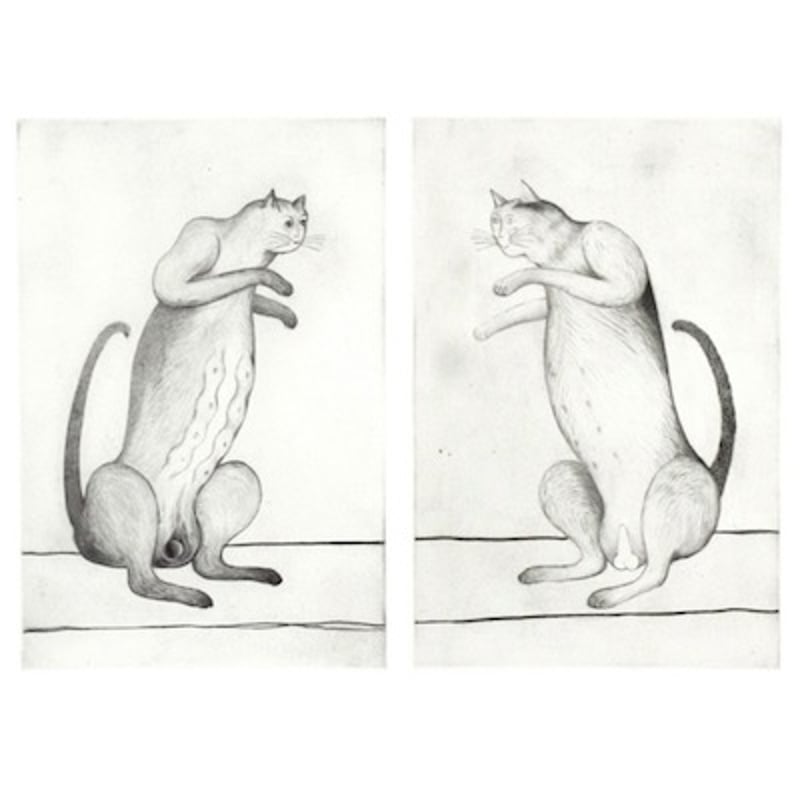
A diptych is an artwork composed of two panels. These panels can be painted, carved, or made using various mixed media techniques. They may be connected by hinges, allowing them to close for protection, or they can be displayed side by side. Historically, diptychs were often used in religious art.

New Topographics is a term coined in 1975 by curator William Jenkins to describe a group of photographers whose work focused on formal black-and-white images of urban and industrial landscapes. Jenkins initially described their aesthetic as banal, but the photographers themselves argued that their compositions were as significant as those of natural landscapes, emphasizing the beauty in everyday, man-made environments.
Can't find your Answer?
Thank you! Your question has been sent — we'll get back to you shortly.
