What is the Zero Movement?
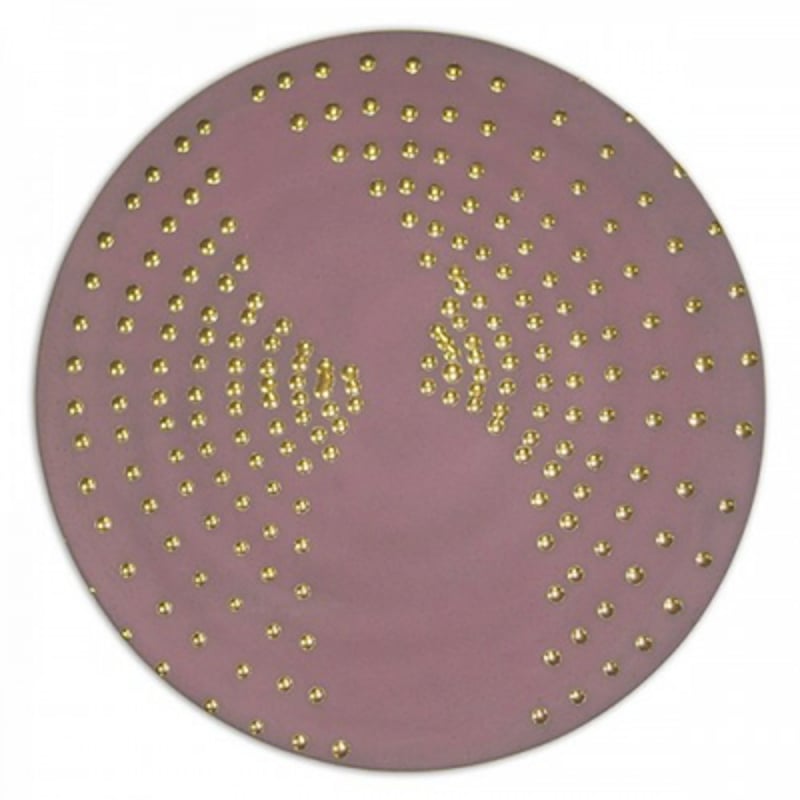
ZERO was an art movement founded by Otto Piene and Heinz Mack, aiming to develop into a large international and cross-border movement. The name ZERO originated from a magazine founded by Heinz Mack in 1957, which became a platform for the group's ideas. The magazine was published for several years before ceasing in 1967. The ZERO movement sought to create a new beginning in art, emphasizing light, space, and movement, and became influential in post-war European art.
- Show All
- Established
- Discoveries
- Show All
Artworks Related to Zero Movement
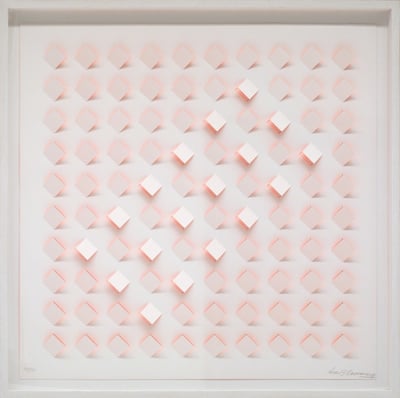
Luis Tomasello
S/T 4 - Naranja , 2013
Limited Edition Print
Lithograph
EUR 3,000
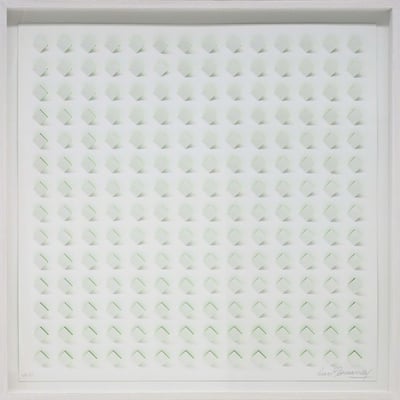
Luis Tomasello
S/T 3 - Verde, 2013
Limited Edition Print
Lithograph
EUR 3,000
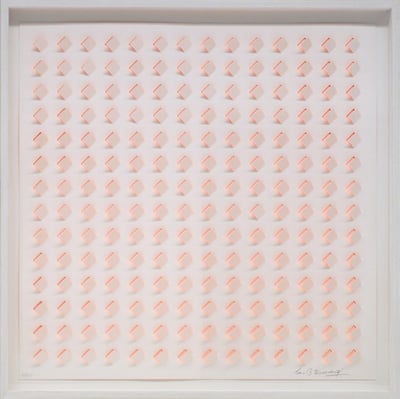
Luis Tomasello
S/T 3 - Naranja, 2013
Limited Edition Print
Lithograph
EUR 3,000
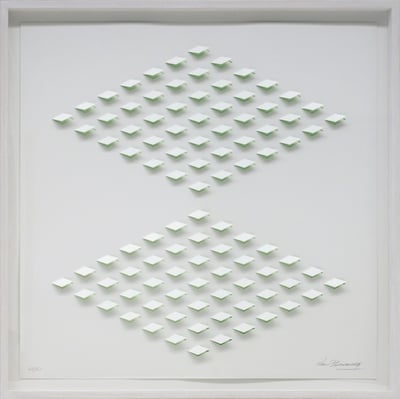
Luis Tomasello
S/T 2 - Verde, 2013
Limited Edition Print
Lithograph
EUR 3,000
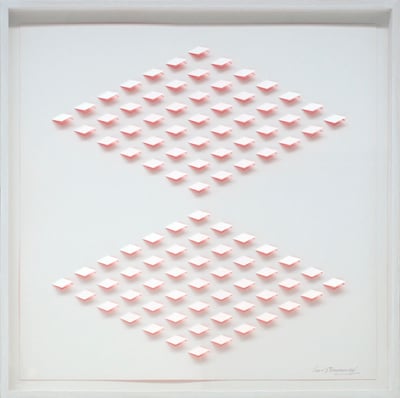
Luis Tomasello
S/T 2 - Rosa, 2013
Limited Edition Print
Lithograph
EUR 3,000
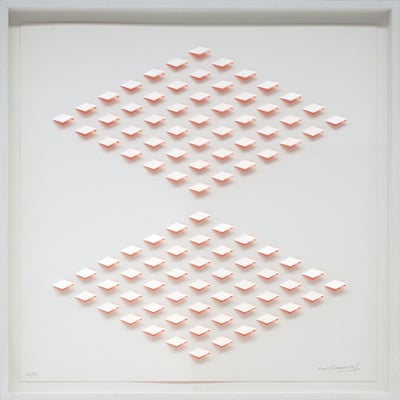
Luis Tomasello
S/T 2 - Naranja , 2013
Limited Edition Print
Lithograph
EUR 3,000
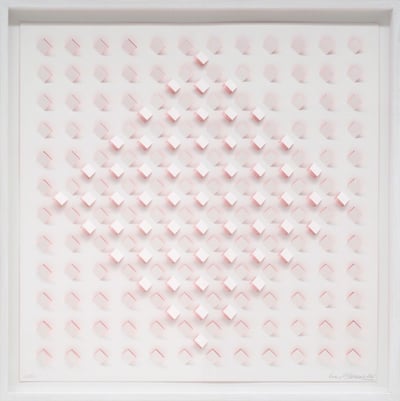
Luis Tomasello
S/T 1 - Rosa , 2013
Limited Edition Print
Lithograph
EUR 3,000
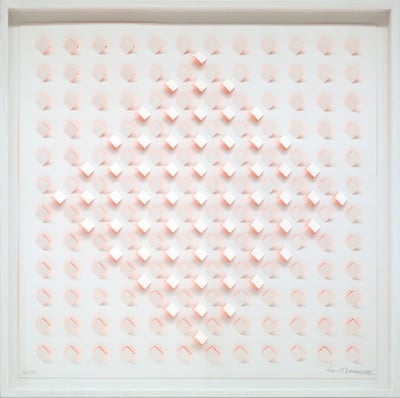
Luis Tomasello
S/T 1 - Naranja , 2013
Limited Edition Print
Lithograph
EUR 3,000
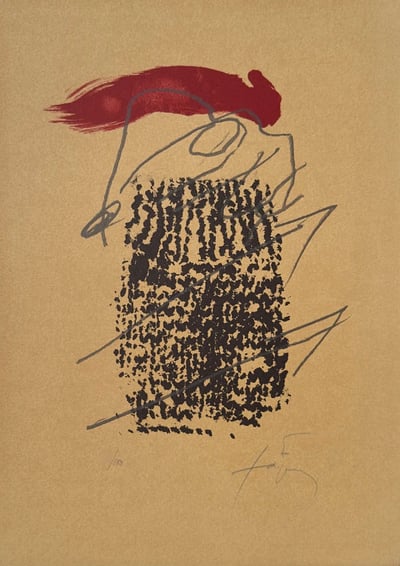
Antoni Tapies
Poligrafa XV Anys , 1980
Limited Edition Print
Lithograph
EUR 1,700
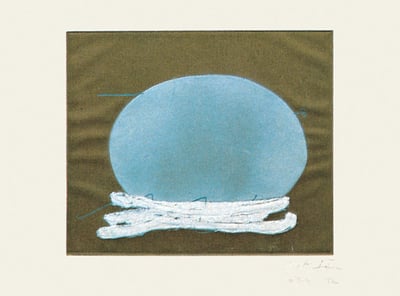
Antoni Tapies
Oval i blanc , 1982
Limited Edition Print
Etching
EUR 3,300
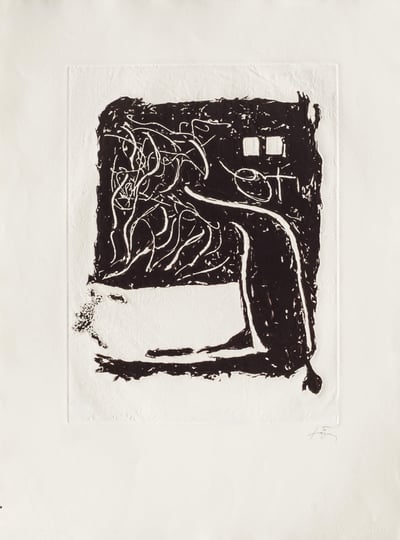
Antoni Tapies
Aparicions-9 , 1982
Limited Edition Print
Etching
EUR 3,300
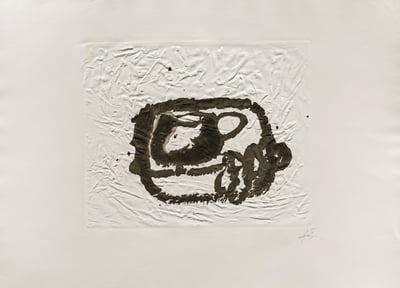
Antoni Tapies
Aparicions-7 , 1982
Limited Edition Print
Etching
EUR 3,300
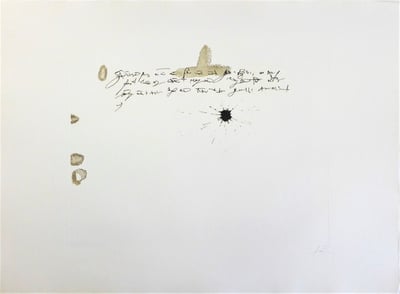
Antoni Tapies
Aparicions-4 , 1982
Limited Edition Print
Etching
EUR 2,500
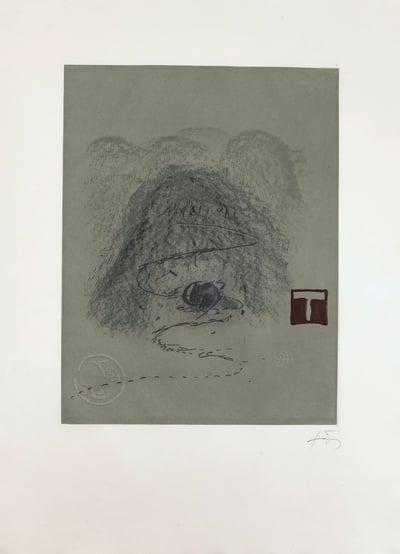
Antoni Tapies
Aparicions-3 , 1982
Limited Edition Print
Etching
EUR 3,300
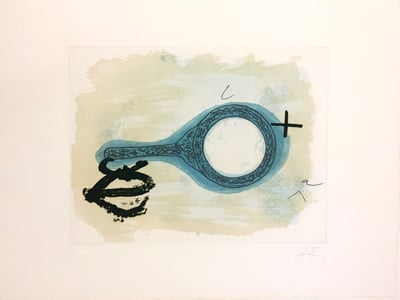
Antoni Tapies
Aparicions-1 , 1982
Limited Edition Print
Etching
EUR 3,300
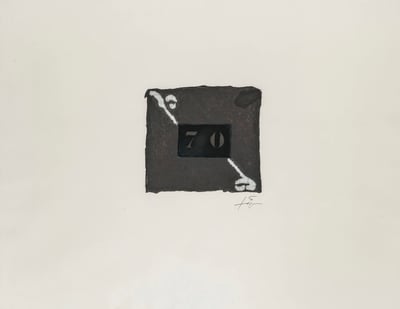
Antoni Tapies
70, 1973
Limited Edition Print
Mixed Media
EUR 3,300
Related Articles
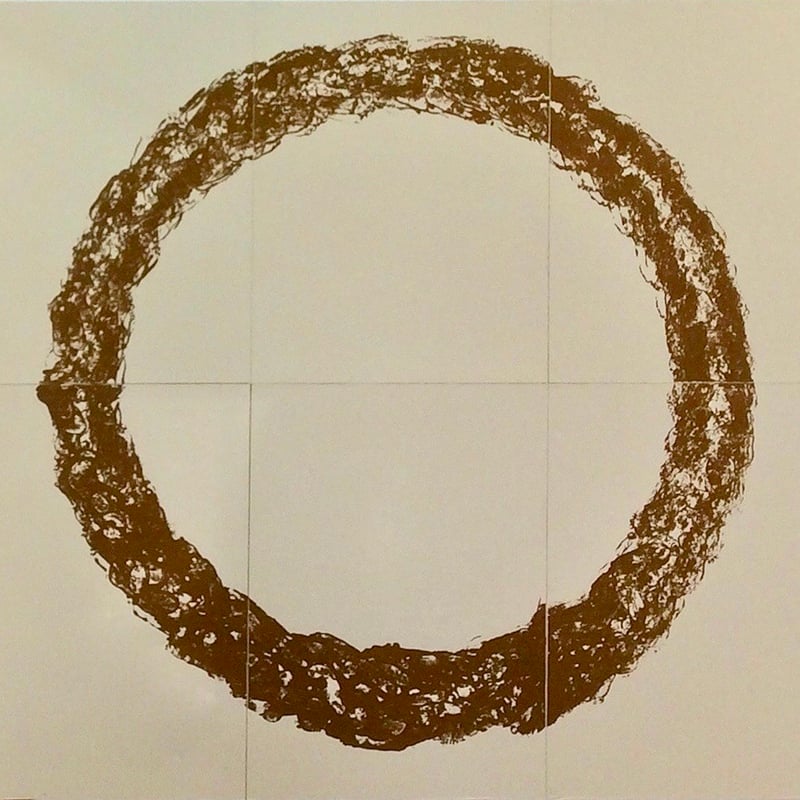
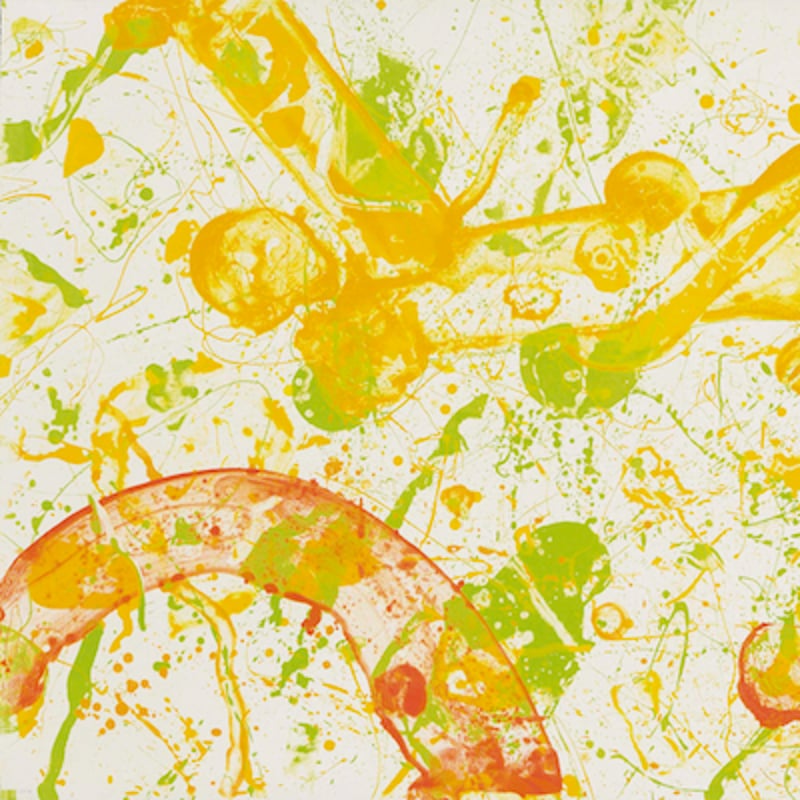
Tachisme is a French abstract painting style that gained popularity between 1940 and 1950, often seen as the European counterpart to Abstract Expressionism. However, there are stylistic differences between the two. Tachisme, which emerged from Art Informel, rejected geometric abstraction in favor of more intuitive and spontaneous expression. It was a reaction against the structured forms of Cubism and is closely related to Informalism. Tachisme emphasizes gestural brushwork, irregular forms, and a focus on the process of painting itself.

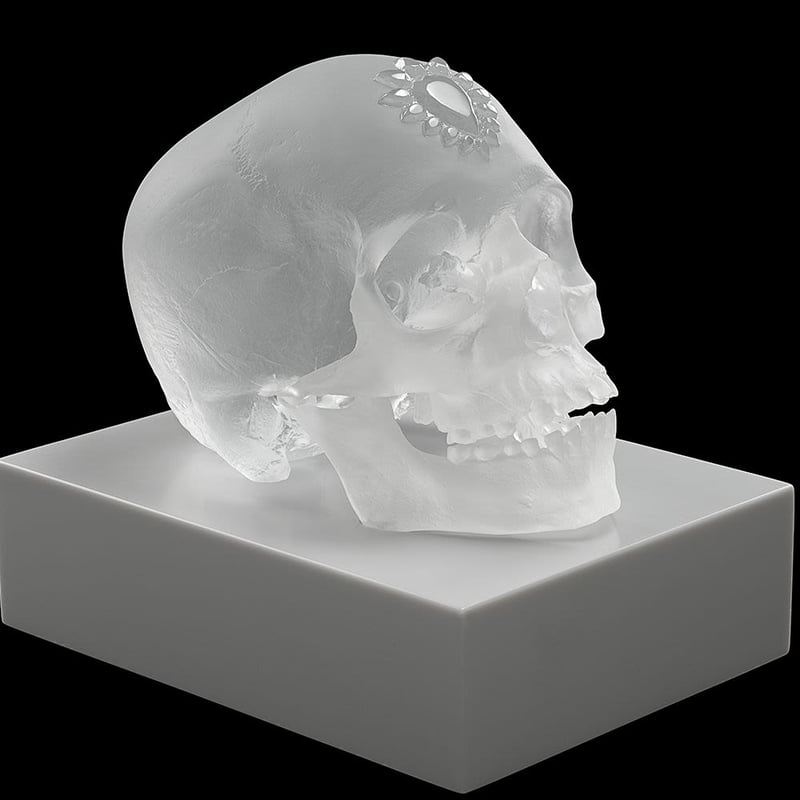
Wood is one of the most ancient and versatile materials used in creating art. It has served as a base for paintings, brush handles, pens, and pencils, as well as for easels, wood engraving, woodcut, woodblock printing, and sculpting. Various types of wood, such as oak, maple, and pine, are commonly used in these artistic applications.
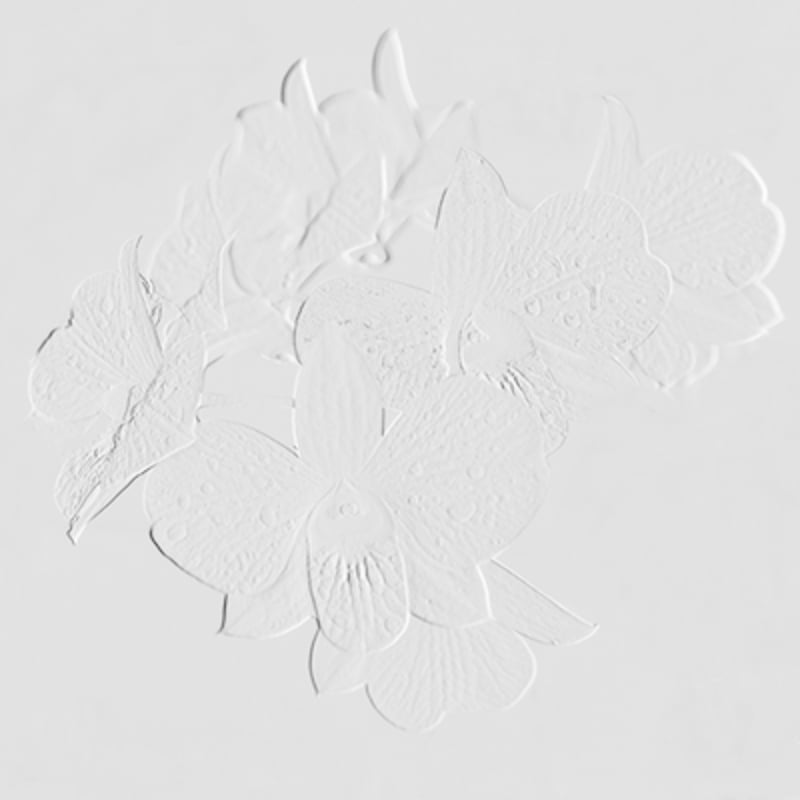
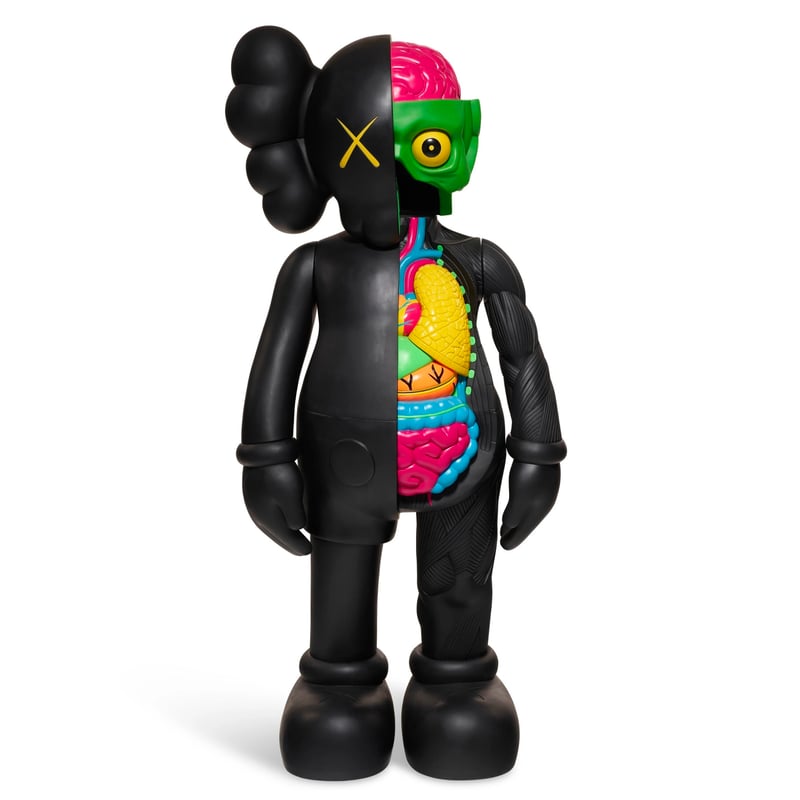
Embossing is a technique used to create raised designs or images on a surface, typically paper. Artists achieve this effect by altering the shape of the paper, often by pressing it from the reverse side using a template and a tool like a sanded dowel. The result is a design with multiple levels of depth, giving a three-dimensional appearance.
Can't find your Answer?
Thank you! Your question has been sent — we'll get back to you shortly.
