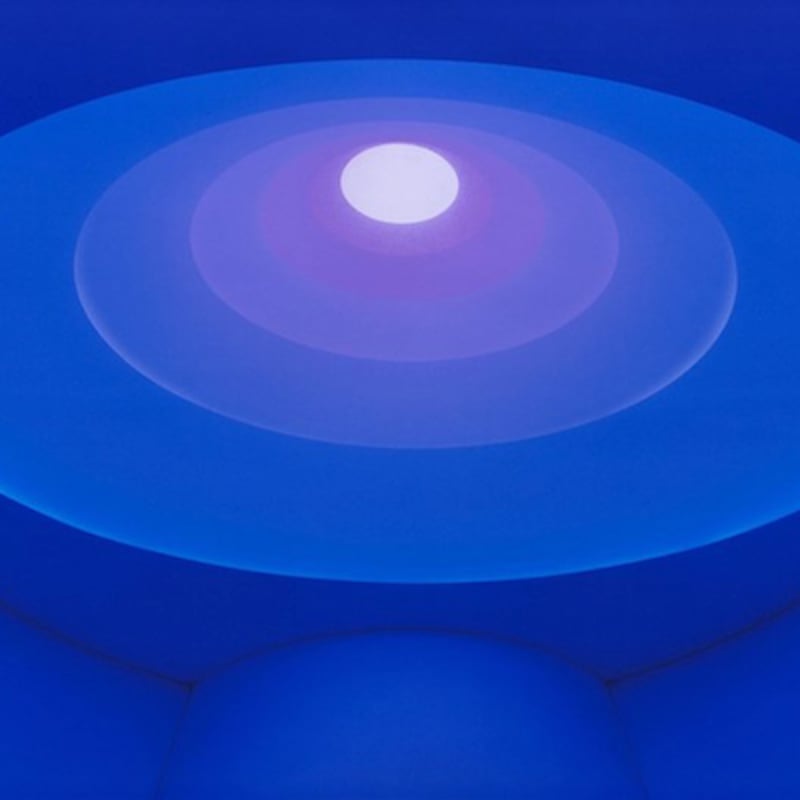
What is ‘light and space’?
- Show All
- Established
- Discoveries
- Show All
Artworks Related to Light and Space
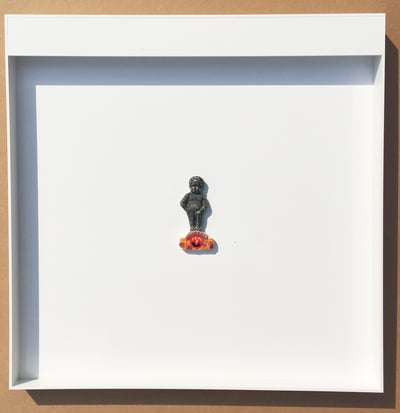
Jonathan Monk
Backside Brussels II, 2016
Sculpture / Object
Acrylic sculpture
EUR 800
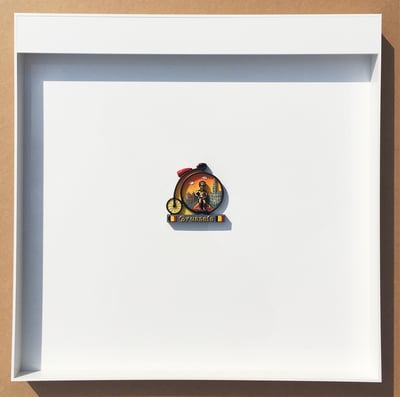
Jonathan Monk
Backside Brussels III, 2016
Sculpture / Object
Acrylic sculpture
EUR 800
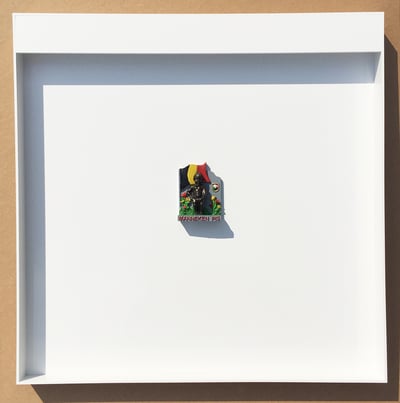
Jonathan Monk
Backside Brussels IV, 2016
Sculpture / Object
Acrylic sculpture
EUR 800
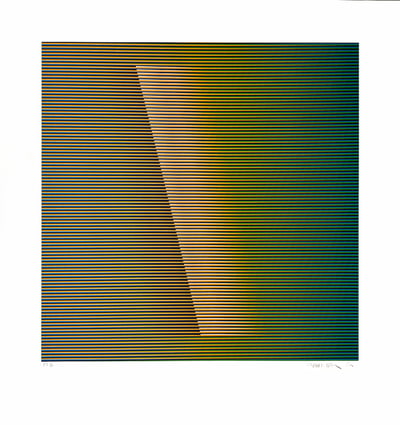
Carlos Cruz-Diez
Medellín 2, 2013
Limited Edition Print
Serigraph
EUR 5,990
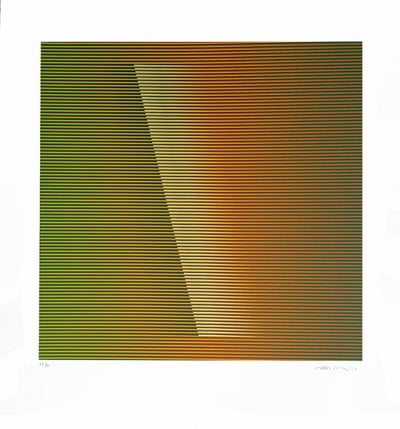
Carlos Cruz-Diez
Medellín 3, 2013
Limited Edition Print
Serigraph
EUR 5,990
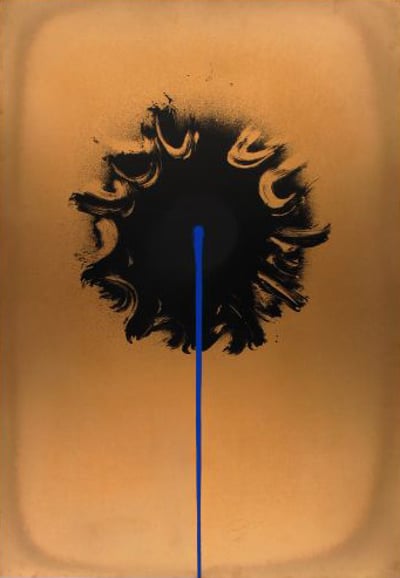
Otto Piene
Blue Streak, 1980
Limited Edition Print
Screen-print
Currently Not Available
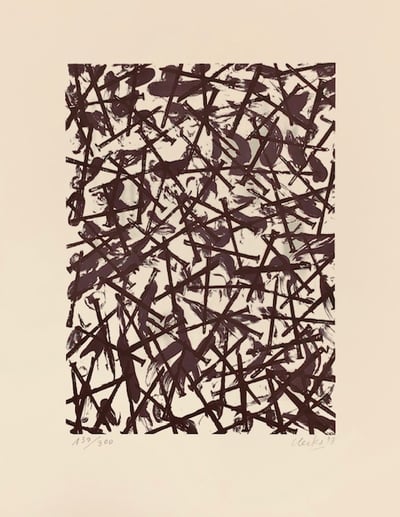
Gunther Uecker
Verletzungen-Verbindungen, 1998
Limited Edition Print
Screen-print
EUR 1,980
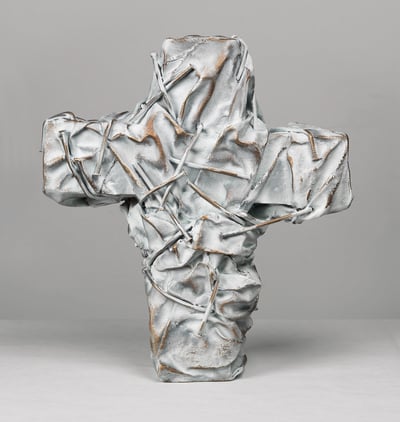
Gunther Uecker
Helles Nagelkreuz, 2017
Sculpture / Object
Bronze
EUR 49,500
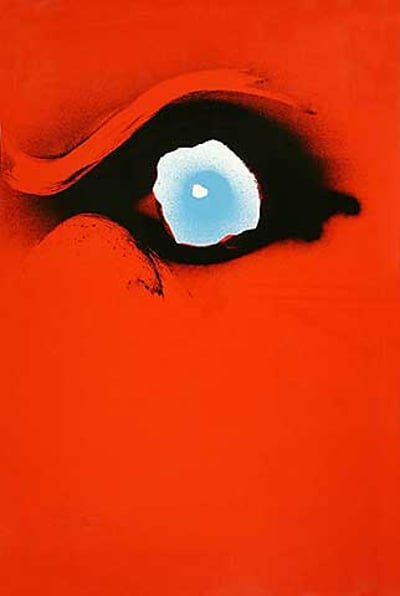
Otto Piene
Seuloeil (red), 1991
Limited Edition Print
Screen-print
EUR 2,600
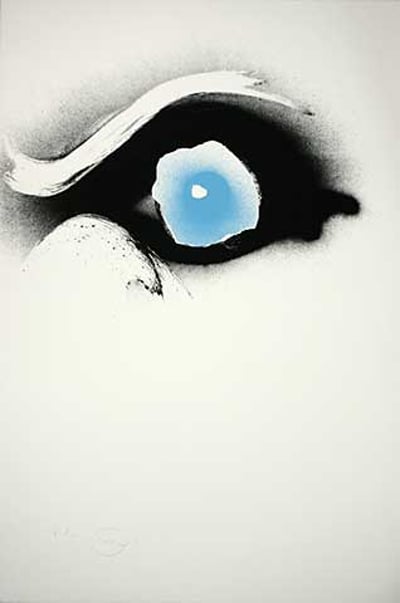
Otto Piene
Seuloeil blau/schwarzes Auge, 1991
Limited Edition Print
Screen-print
EUR 2,600
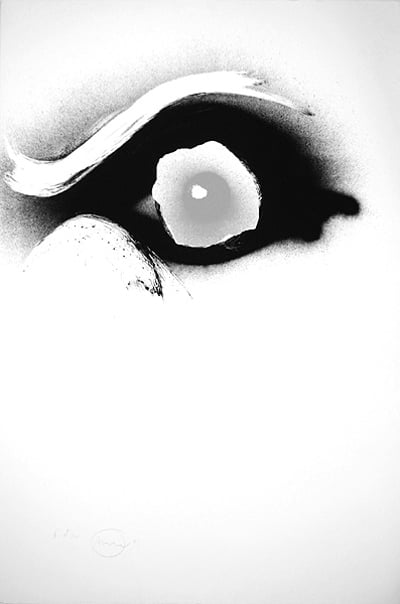
Otto Piene
Seuloeil (white), 1991
Limited Edition Print
Screen-print
EUR 2,600
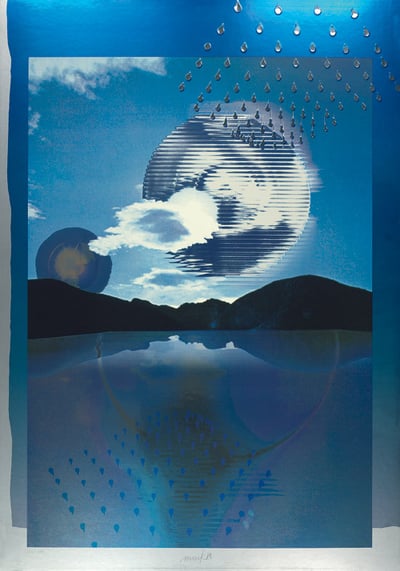
Heinz Mack
Kunst im Jahr 2000, 1986
Limited Edition Print
Screen-print
Currently Not Available
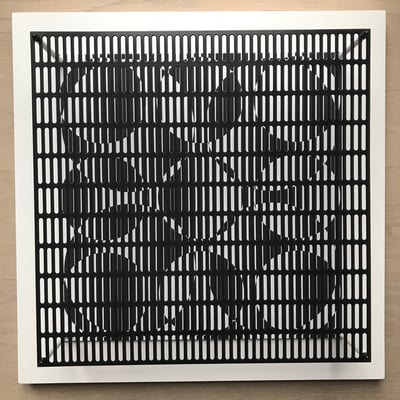
Antonio Asis
Vibration 9 petits et 4 grands cercles, 2010
Sculpture / Object
Mixed Media
EUR 3,000
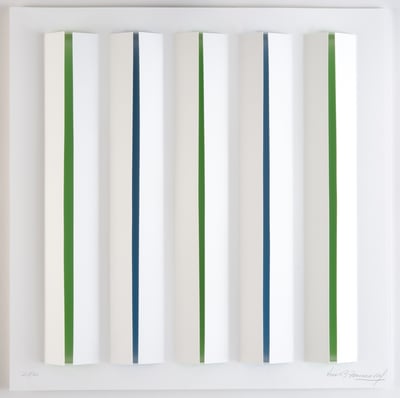
Luis Tomasello
s/t 2, 2012
Sculpture / Object
Mixed Media
EUR 2,200
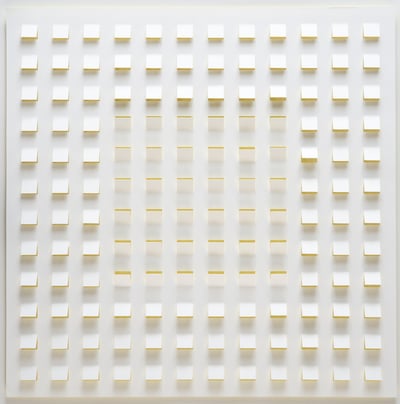
Luis Tomasello
s/t 3, 2012
Sculpture / Object
Mixed Media
EUR 2,200
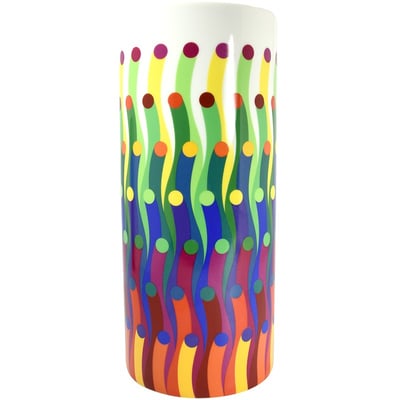
Julio Le Parc
Vase surface colorée, 2017
Ceramics
Ceramic
EUR 500
Related Articles

Mezzotint is a printmaking technique in which a copper or steel plate is roughened to produce a solid black print. The artist smooths specific areas of the plate to create a range of tones, from deep blacks to delicate grays and whites. By varying the degree of smoothing, the artist can achieve detailed gradations of light and shadow, resulting in prints with rich, velvety textures and subtle transitions between light and dark.

Monotype is a printmaking technique where an image is painted or drawn on a nonabsorbent, smooth surface, traditionally an etching plate of copper, but now also acrylic, zinc, or glass. The image is then transferred to paper using a printing press, creating a unique print. The first pressing removes most of the ink, making it difficult to produce additional prints with the same richness, resulting in a one-of-a-kind artwork.

Animation is the process of displaying a sequence of static images in rapid succession to create the illusion of movement. Each image, or frame, is slightly altered from the previous one, particularly in the moving parts, so when shown together, they form a continuous motion. Traditionally, illustrators drew each frame by hand to produce this effect.
Can't find your Answer?
Thank you! Your question has been sent — we'll get back to you shortly.
