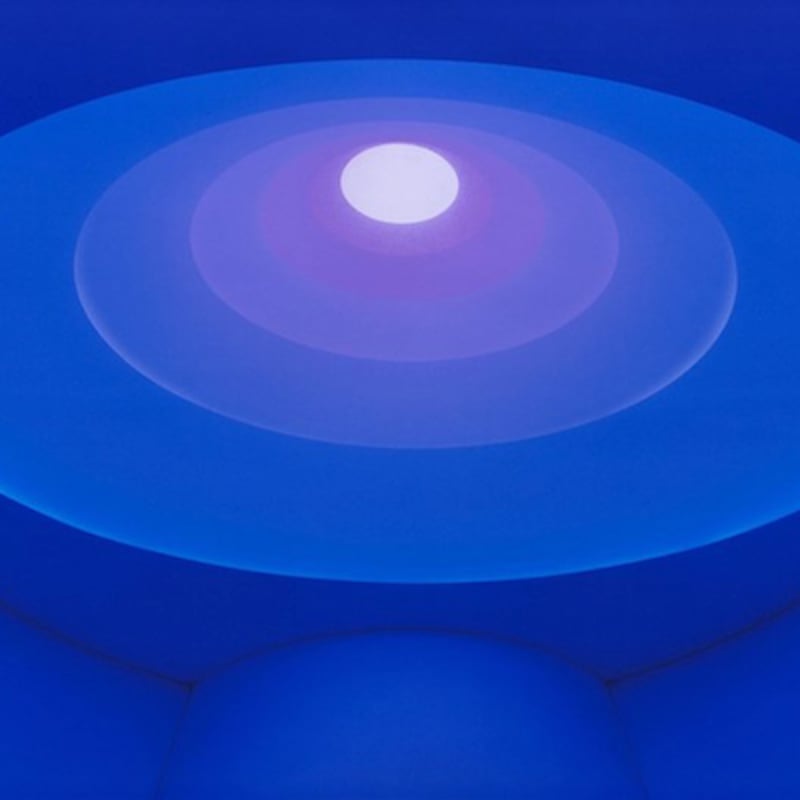
What is ‘light and space’?
- Show All
- Established
- Discoveries
- Show All
Artworks Related to Light and Space
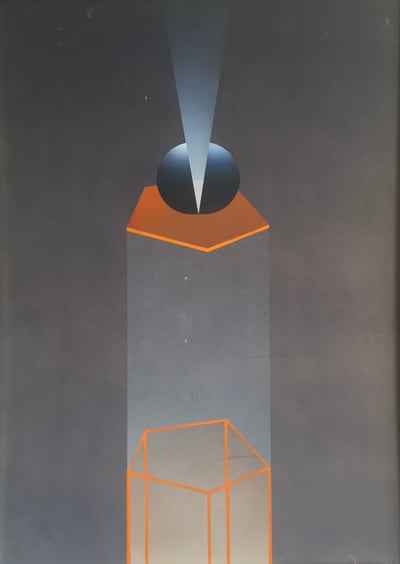
Julio Le Parc
Modulation 911, 1987
Painting
Acrylic on paper
Currently Not Available
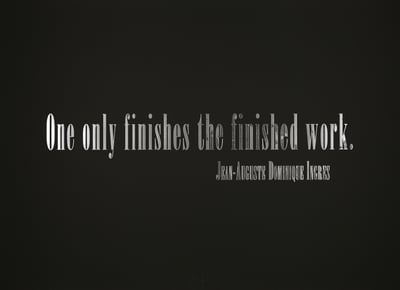
Joseph Kosuth
Titled Quotation (for L.C.), 1997
Limited Edition Print
Screen-print
Currently Not Available
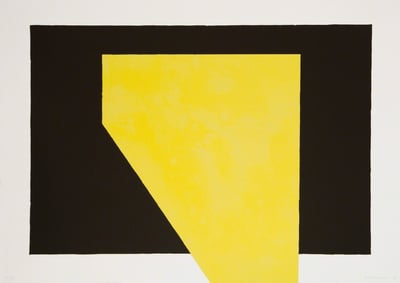
David Batchelor
Chromoscape 1-10, 2018
Limited Edition Print
Lithograph
EUR 1,200
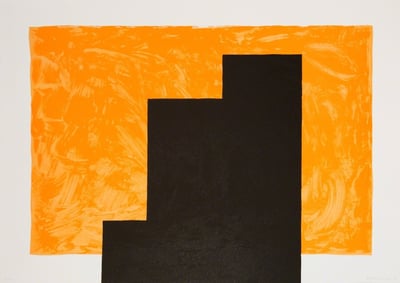
David Batchelor
Chromoscape 2-10, 2018
Limited Edition Print
Lithograph
EUR 1,200
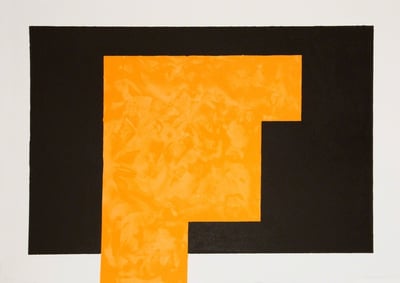
David Batchelor
Chromoscape 7-10, 2018
Limited Edition Print
Lithograph
EUR 1,200
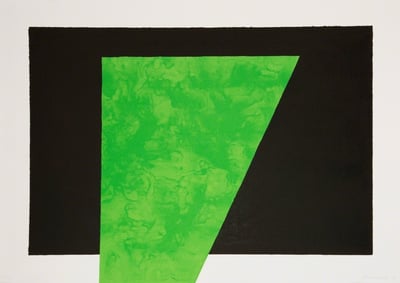
David Batchelor
Chromoscape 4-10, 2018
Limited Edition Print
Lithograph
EUR 1,200
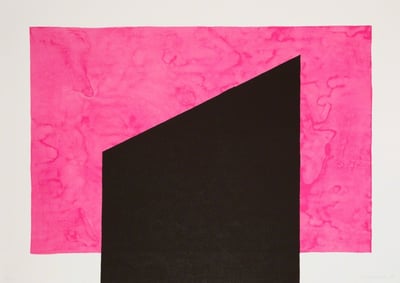
David Batchelor
Chromoscape 5-10, 2018
Limited Edition Print
Lithograph
EUR 1,200
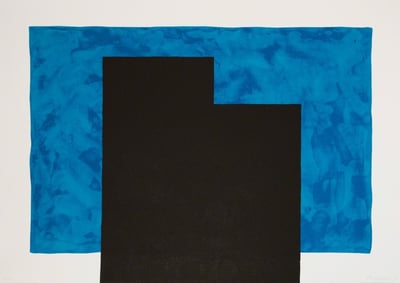
David Batchelor
Chromoscape 3-10, 2018
Limited Edition Print
Lithograph
EUR 1,200
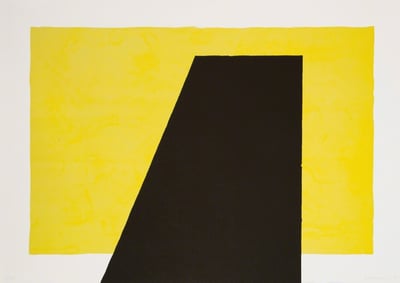
David Batchelor
Chromoscape 8-10, 2018
Limited Edition Print
Lithograph
EUR 1,200
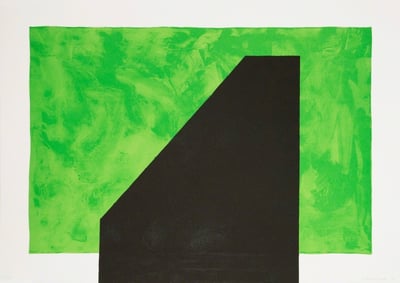
David Batchelor
Chromoscape 9-10, 2018
Limited Edition Print
Lithograph
EUR 1,200
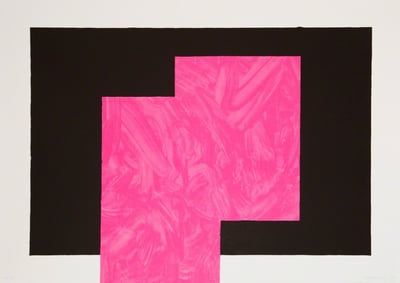
David Batchelor
Chromoscape 10-10, 2018
Limited Edition Print
Lithograph
EUR 1,200
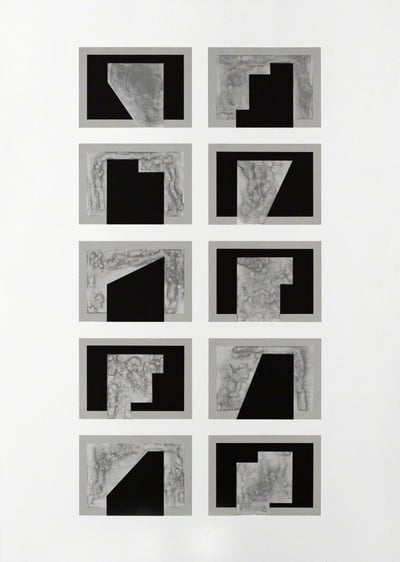
David Batchelor
Chromoscape Grey, 2018
Limited Edition Print
Lithograph
EUR 1,200
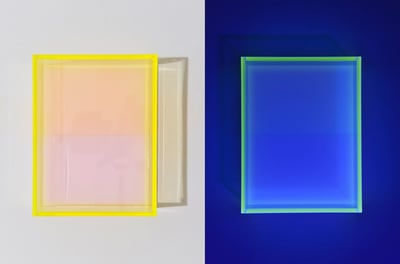
Regine Schumann
Colormirror Soft Yellow Gent, 2021
Sculpture / Object
Acrylic sculpture
EUR 4,000
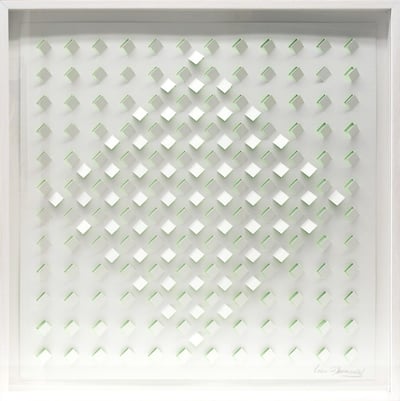
Luis Tomasello
S/T 1 - Verde, 2013
Limited Edition Print
Lithograph
EUR 3,000
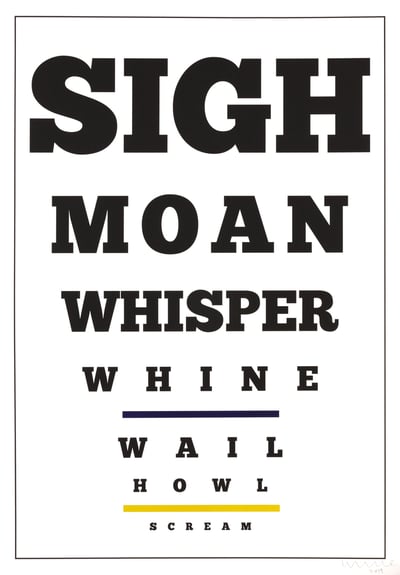
Ivan Navarro
Carta Visual (Sign), 2019
Limited Edition Print
Lithograph
EUR 2,000
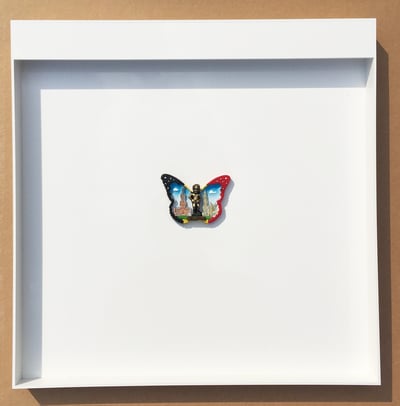
Jonathan Monk
Backside Brussels I, 2016
Sculpture / Object
Acrylic sculpture
EUR 800
Related Articles
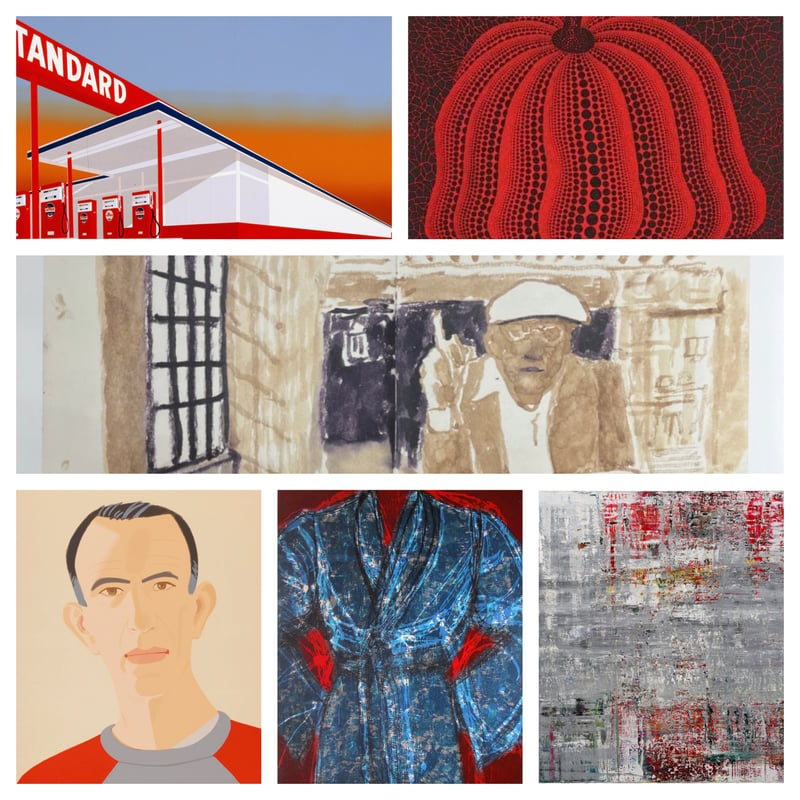

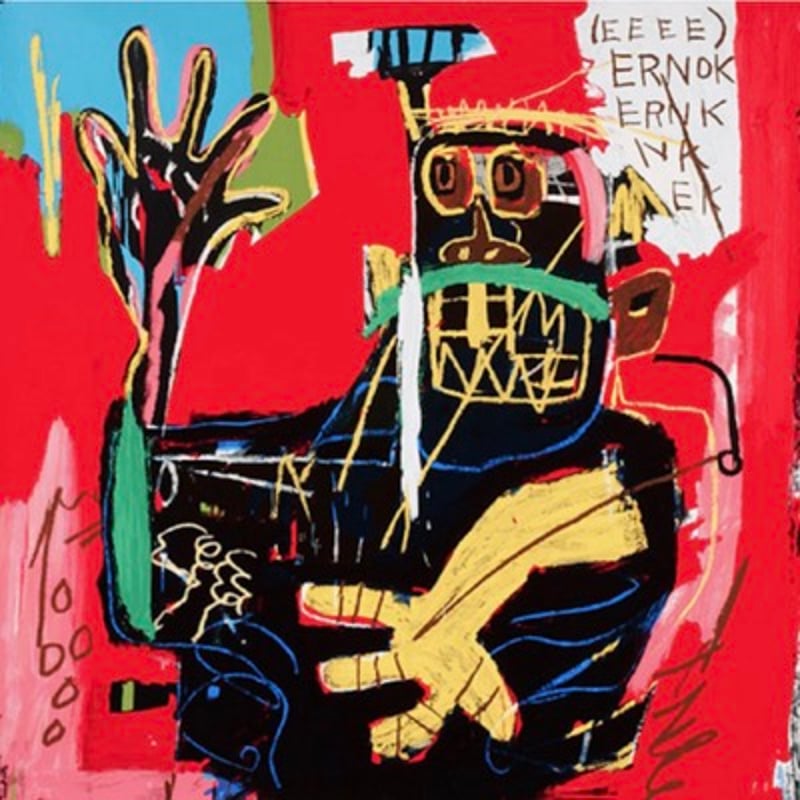
In 1981, Patti Astor opened the first art gallery in New York City's East Village, helping to launch the careers of various artists and musicians. The gallery started small but quickly gained popularity, contributing to the emergence of art movements such as Neo-Expressionism and Street Art in the area. The East Village became a hub for these new artistic expressions. However, the gallery closed in 1985 due to waning interest.
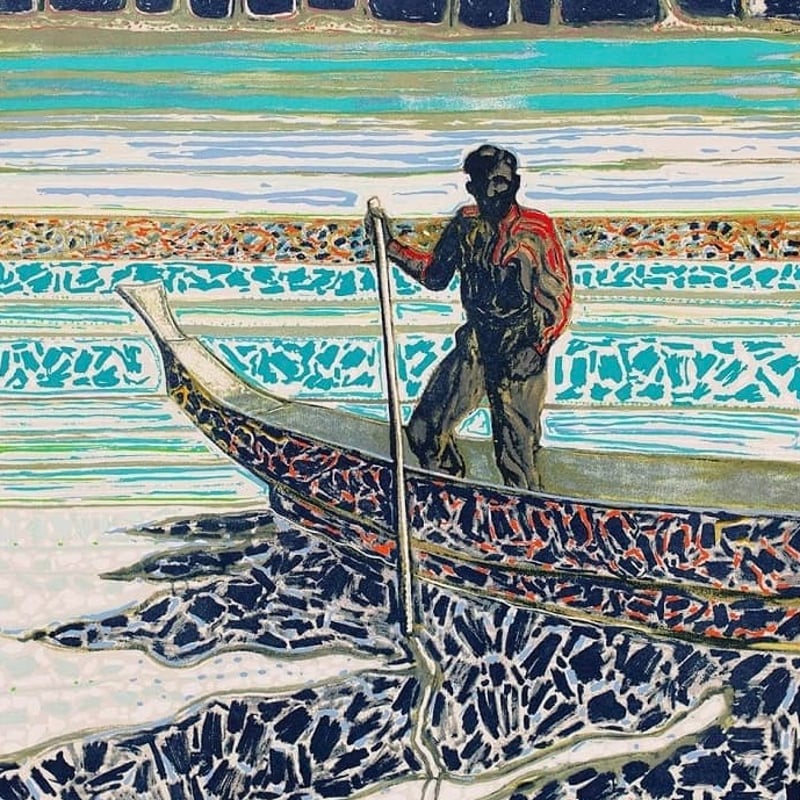
Stuckism is an art movement that promotes figurative painting over conceptual art. It was founded in 1999 by Charles Thomson and Billy Childish with an initial group of 13 artists in Britain. The movement has since expanded to 52 countries with 233 groups worldwide. Several manifestos, issued by Thomson and Childish, advocate for the spirit of modernism and the creation of spiritual art, regardless of medium, subject matter, or style. Stuckism emphasizes the importance of genuine expression and rejects the dominance of conceptual art in the contemporary art scene.
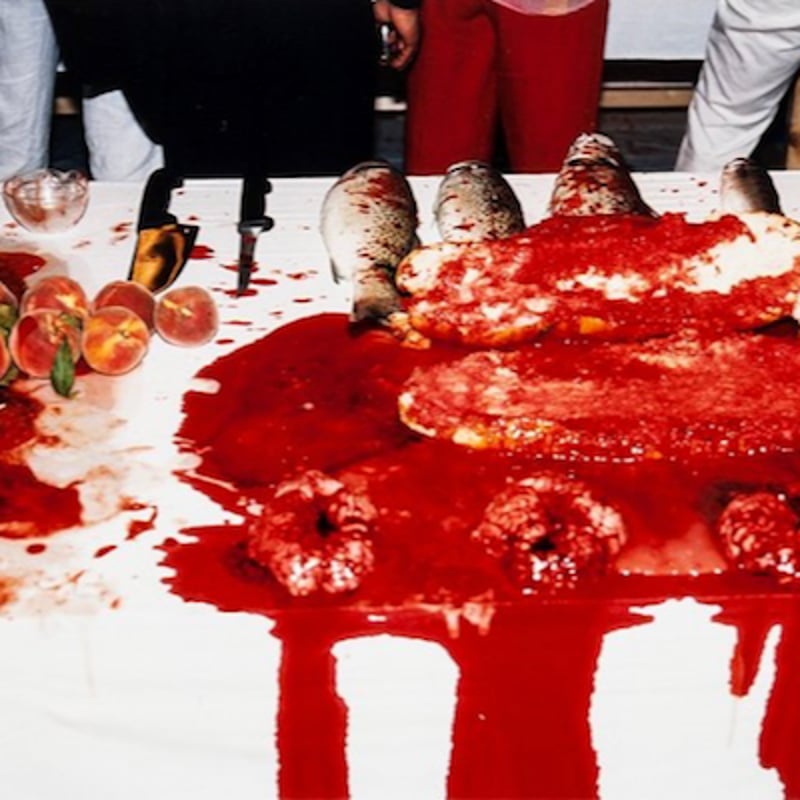
Viennese Actionism was a short-lived but intense art movement in the 20th century, emerging as part of the broader action art efforts of the 1960s. Known for its violent and provocative performances, the movement sought to break traditional art boundaries. Key figures in this movement included Arnulf Rainer and Hermann Nitsch.
Can't find your Answer?
Thank you! Your question has been sent — we'll get back to you shortly.
