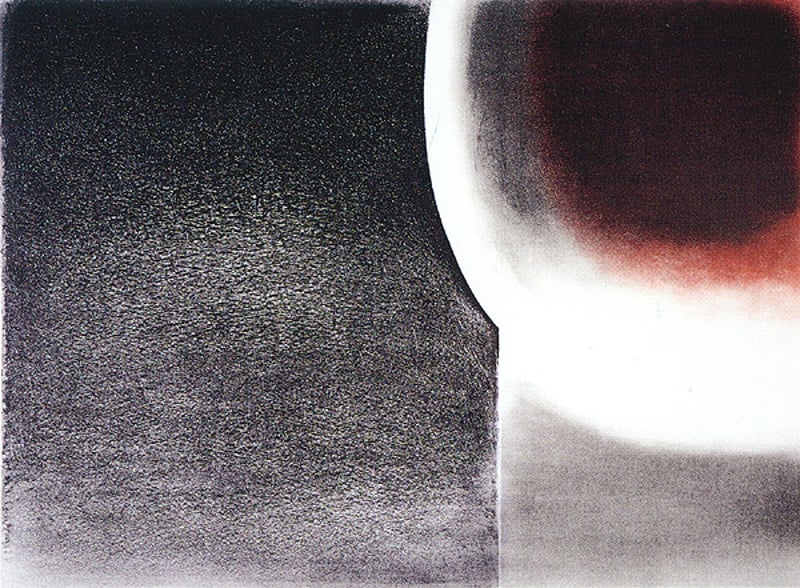
Gegen die Folter
Form
Medium
Size
- Inches
- Centimeters
Edition
Price
- Authenticity Guaranteed
- Insured Shipping
- Online Since 2005
- Recently Added
- Price (Low-High)
- Price (High-Low)
- Year (Low-High)
- Year (High-Low)
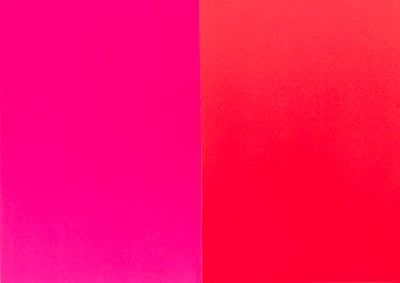
Rupprecht Geiger
Zwei verschiedene Rot, 1967
Limited Edition Print
Silkscreen
Currently Not Available
Rupprecht Geiger
Gegen die Folter
Limited Edition Print
Lithograph
Currently Not Available
Related Artists
Related Articles
Popular, Artists, Art Movements - May 5, 2022
9 Essential Artists of the The Minimalist School
Discover 9 essential artists of the Minimalist movement, including Donald Judd and Agnes Martin. Explore their transformative impact on modern art and design.Read More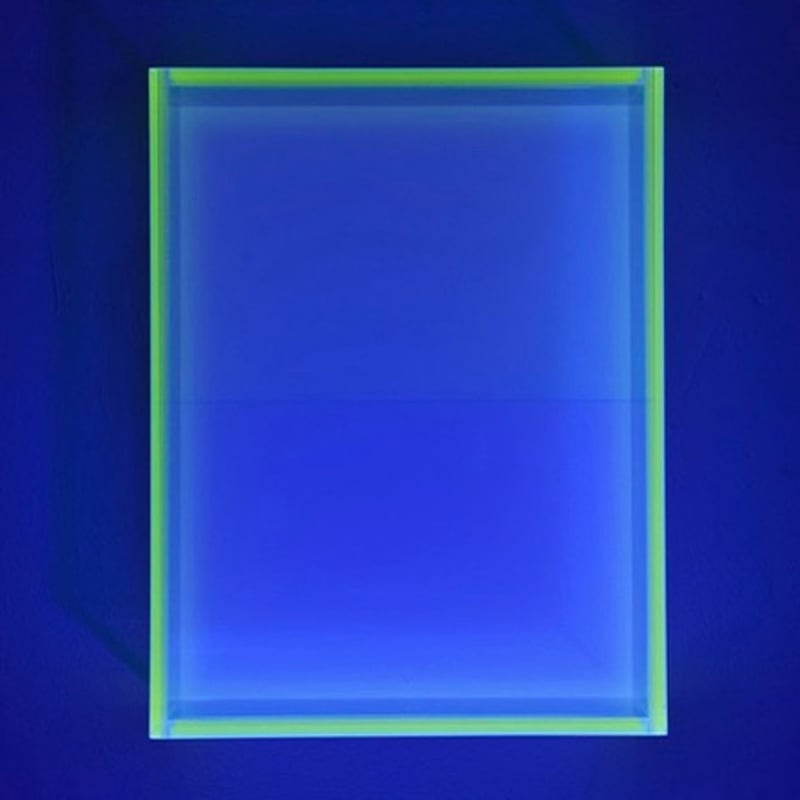
Popular, Art Movements - May 5, 2022
Minimalism in the XX Century: Simple Gestures and Essential Ideas.
Explore Minimalism in the 20th century, from art to architecture. Discover its evolution, pioneers like Donald Judd, and its impact on modern creativity.Read More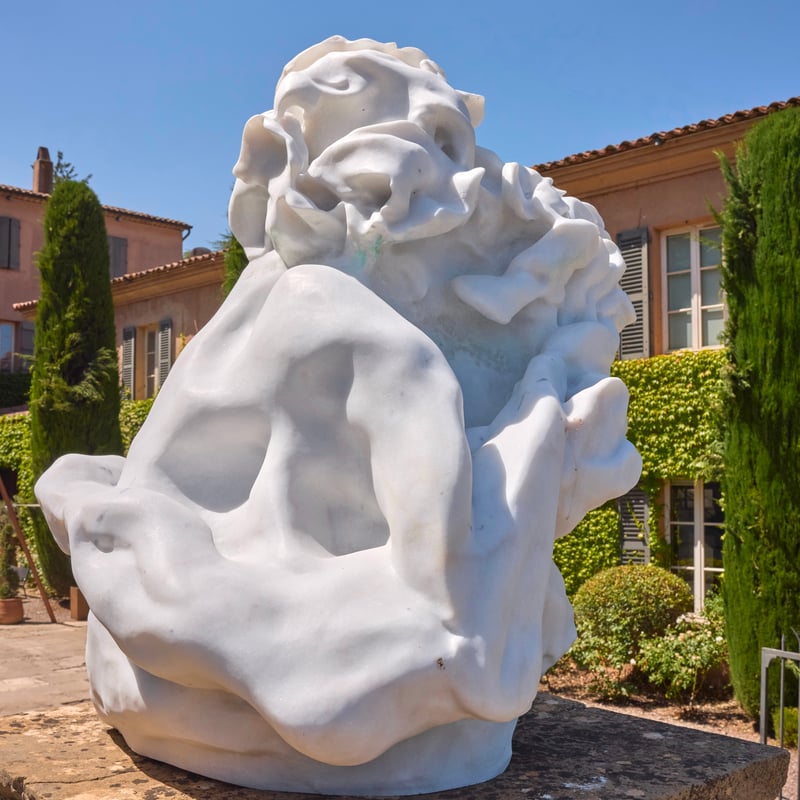
Popular, News, Artists, Collecting - August 12, 2026
In Minor Keys: Finding Intimacy and Identity at the 61st Venice Biennale — and in Your Collection
Explore how Koyo Kouoh’s 61st Venice Biennale vision, In Minor Keys, is shifting contemporary collecting toward quiet introspection, memory, and personal identity.Read More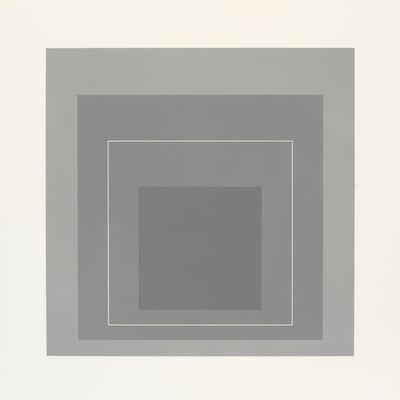
What is concrete art?
Concrete Art is an art movement founded by the Dutch artist Theo van Doesburg in the 1930s. The movement emphasizes pure abstraction, focusing on geometric shapes and colors without any reference to the natural world or symbolic meaning. Unlike other forms of abstract art, Concrete Art is entirely non-representational and is based on mathematical principles and precise execution. It aims to create universal, timeless works by using simple, clear forms that emphasize objectivity and clarity.
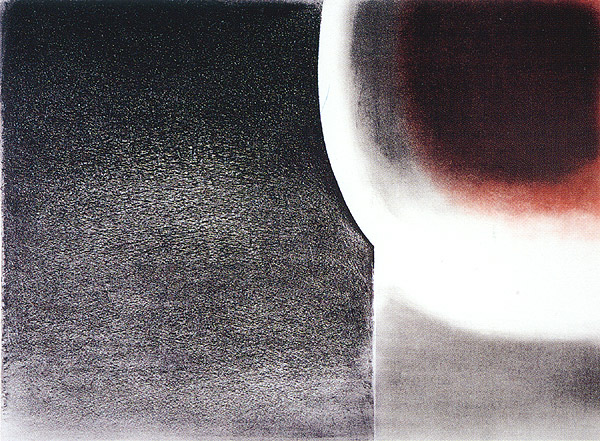
Rupprecht Geiger
Gegen die Folter
56 x 76 cm


