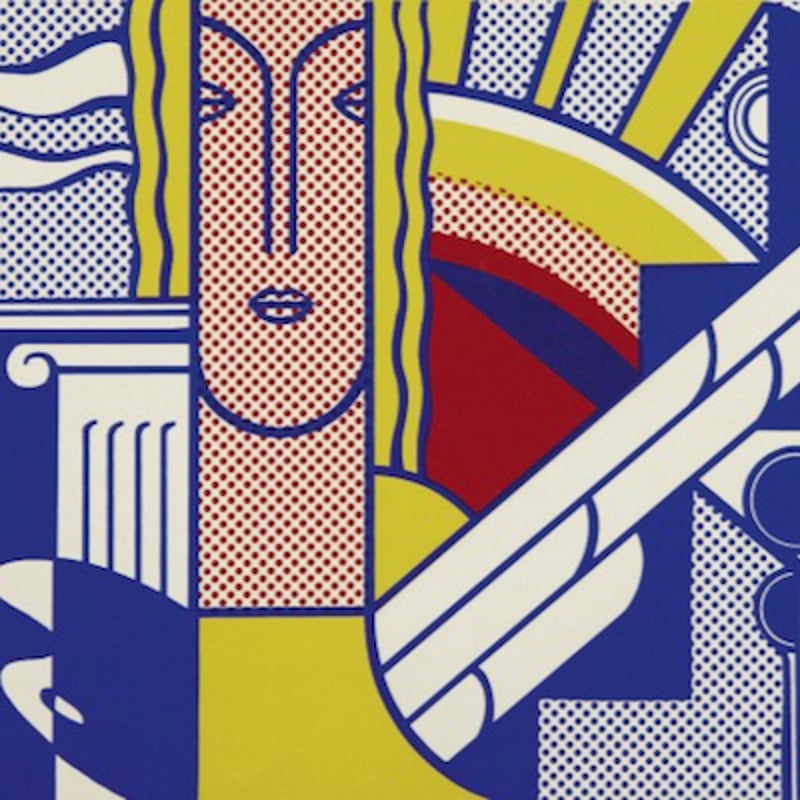
What is late modernism?
- Show All
- Established
- Discoveries
- Show All
Artworks Related to Late modernism
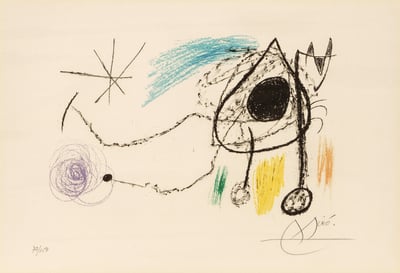
Joan Miró
Sobreteixims I Escultures, 1972
Limited Edition Print
Lithograph
Currently Not Available
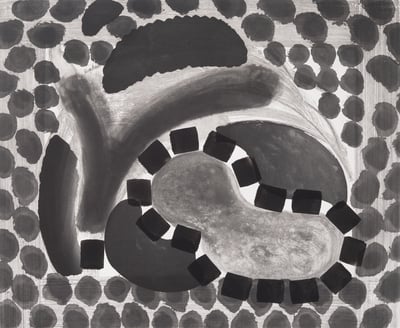
Howard Hodgkin
David's Pool at Night, 1979-85
Limited Edition Print
Etching and Aquatint
Inquire For Price
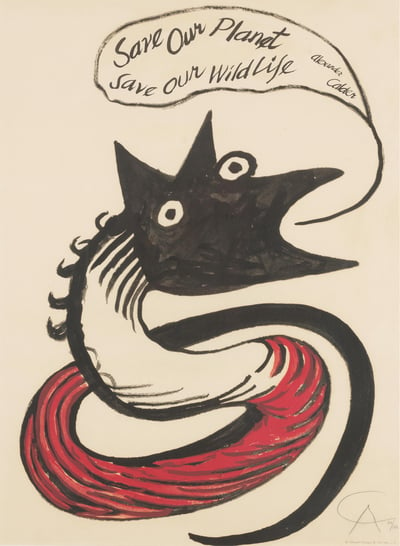
Alexander Calder
Save Our Planet, Save Our Wildlife, 1971
Limited Edition Print
Offset Print
USD 3,000
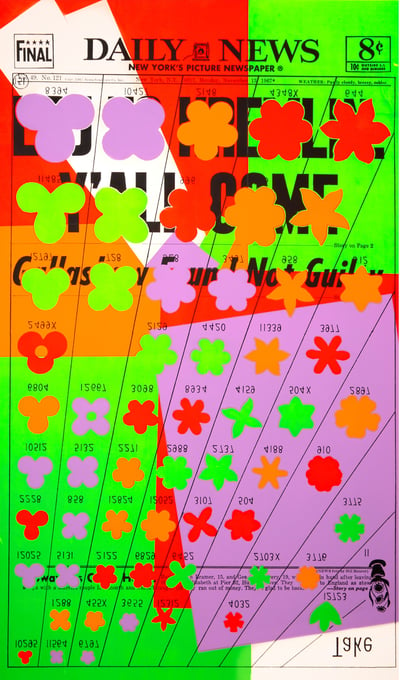
Andy Warhol
Daily News - LBJ to Kremlin – Y'all Come, 1967
Limited Edition Print
Silkscreen
USD 20,000

David Hockney
The Blue Guitar: title page, 1976-77
Limited Edition Print
Etching and Aquatint
USD 3,125
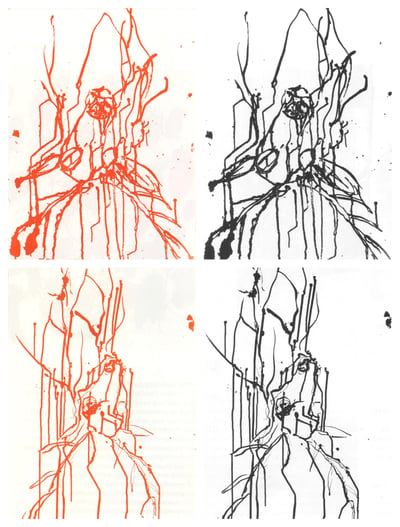
Georg Baselitz
Hirsche (set of 4), 2022
Limited Edition Print
Etching and Aquatint
Make Your Offer

Man Ray
À l’heure de l’observatoire – Les amoureux, 1970
Limited Edition Print
Lithograph
EUR 38,500

Robert Rauschenberg
Publicon Station I, 1978
Sculpture / Object
Mixed Media
USD 30,000 - 45,000
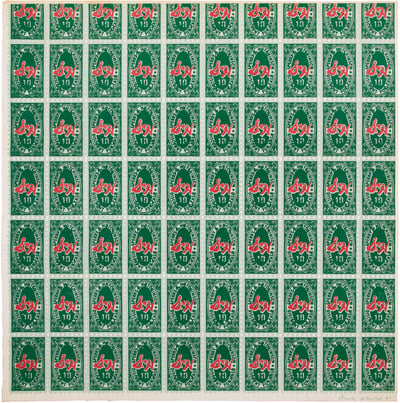
Andy Warhol
S & H Green Stamps, 1965
Limited Edition Print
Offset Print
USD 11,400
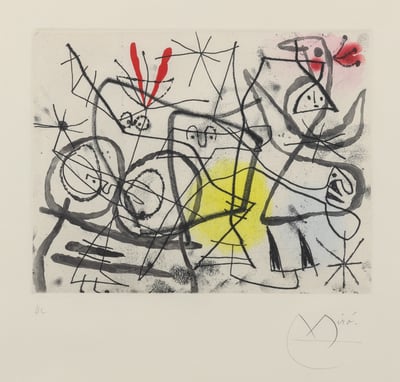
Joan Miró
Preparatifs d’Oiseaux, 1963
Limited Edition Print
Etching and Aquatint
USD 4,060
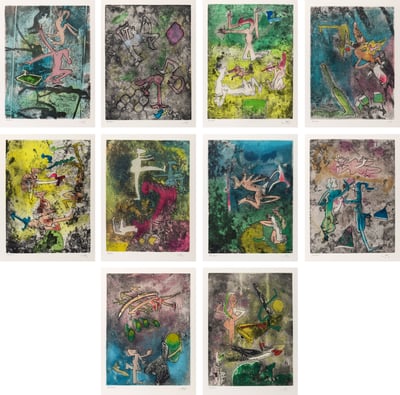
Roberto Matta
Centre noeuds, 1974
Limited Edition Print
Etching and Aquatint
USD 6,250
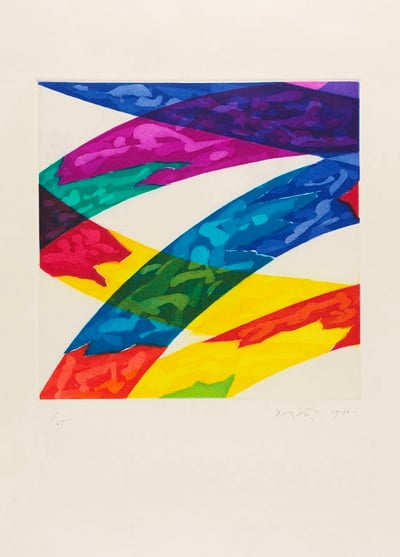
Piero Dorazio
Untitled (Chromatic Ribbons), 1971
Limited Edition Print
Etching
EUR 990
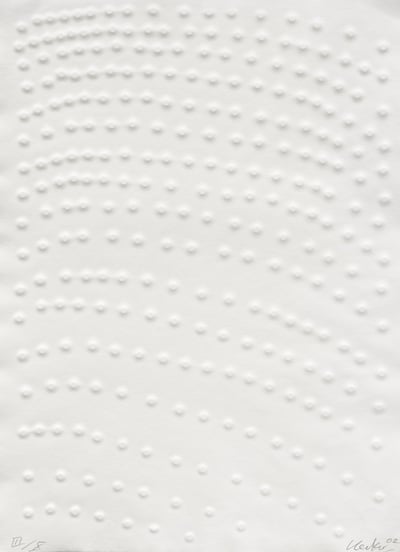
Gunther Uecker
Graphein VII, Reise Kadmos, 2002
Limited Edition Print
Embossing
EUR 12,000
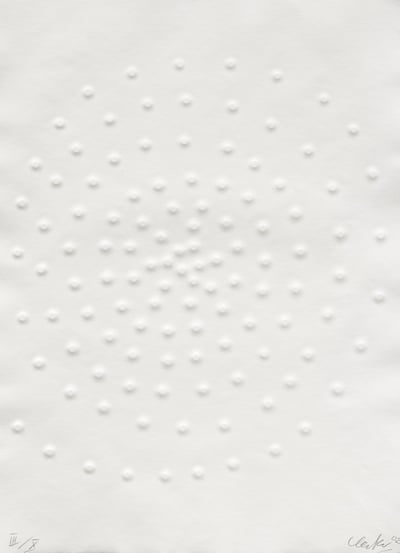
Gunther Uecker
Graphein VIII, Christen Ägypten, 2002
Limited Edition Print
Embossing
EUR 12,000

Roy Lichtenstein
Composition II, 1996
Limited Edition Print
Screen-print
USD 80,000 - 90,000

Andy Warhol
Tomato Soup, II.46 from Campbell's Soup I, 1968
Limited Edition Print
Screen-print
USD 150,000 - 170,000
Related Articles
Avant-garde refers to innovative and experimental ideas in the arts that challenge established norms and conventions. Originating from the French term for advance guard, it describes both the movement and the artists who push the boundaries of creativity, often exploring new techniques, forms, and concepts. The avant-garde has been a driving force in various art movements throughout history, such as Dadaism, Surrealism, and Abstract Expressionism, continually reshaping the landscape of art and culture.
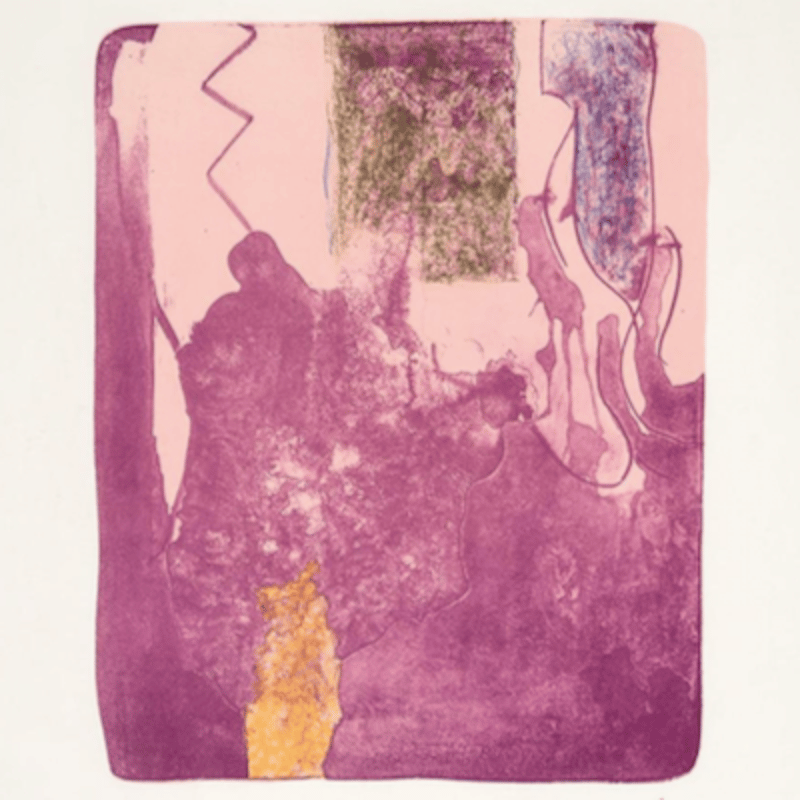
Abstract Expressionism is an art movement that emerged in the United States during the 1940s and 1950s. Characterized by large, abstract canvases, the movement emphasized spontaneous, expressive brushwork and the use of color and form to convey emotion rather than represent reality. Artists like Jackson Pollock, Mark Rothko, and Willem de Kooning are key figures in this movement. Abstract Expressionism marked a shift in the art world, making New York City a center of the international art scene.

A print is an image or text reproduced using a template or master form. Prints are typically created by transferring ink from a prepared matrix to another material, often paper. Common matrices include copper or zinc plates for etching and engraving, aluminum or stone for lithography, wood blocks for woodcuts, and linoleum for linocuts. The term print can also refer to a single impression made from the matrix.
Can't find your Answer?
Thank you! Your question has been sent — we'll get back to you shortly.
