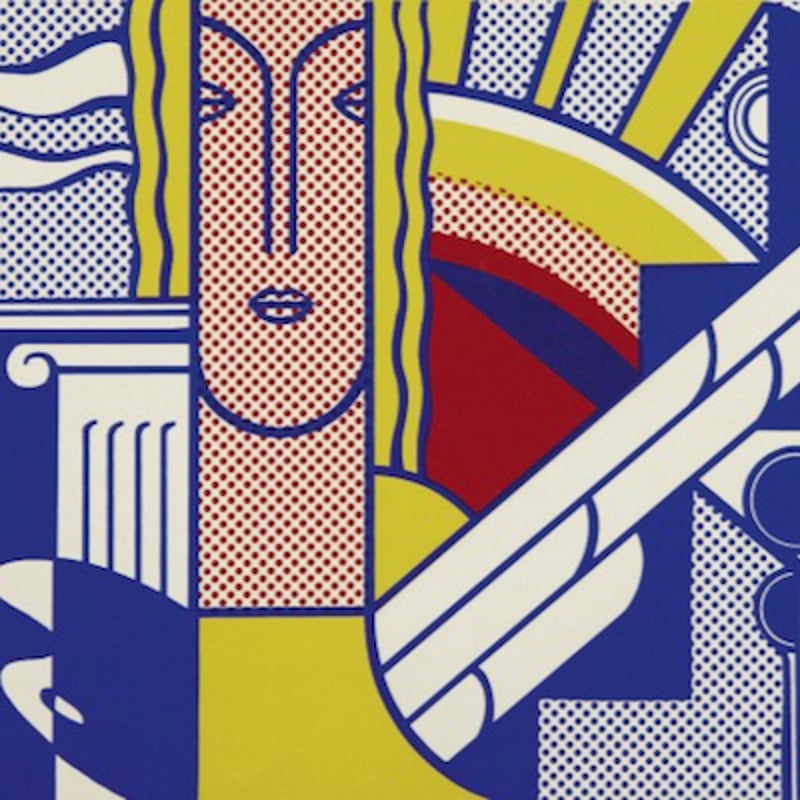
What is late modernism?
- Show All
- Established
- Discoveries
- Show All
Artworks Related to Late modernism
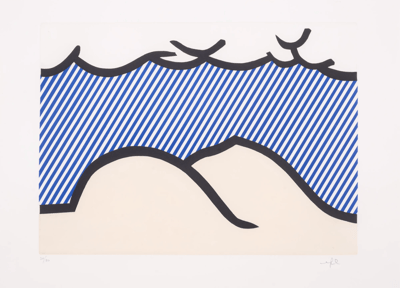
Roy Lichtenstein
Illustration for 'De Denver au Montana, Depart 27 Mai 1972' (I), 1992
Limited Edition Print
Etching and Aquatint
USD 12,500
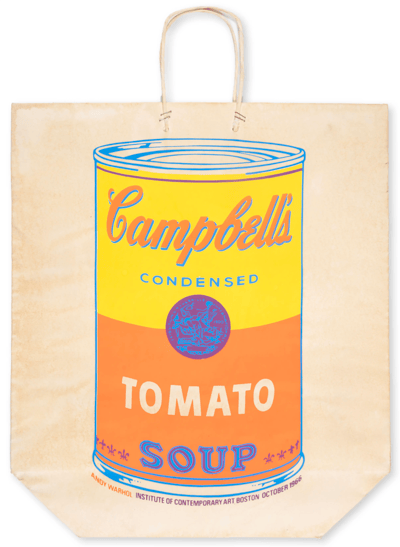
Andy Warhol
Campbell's Soup Can (Tomato), 1966
Limited Edition Print
Screen-print
USD 4,125

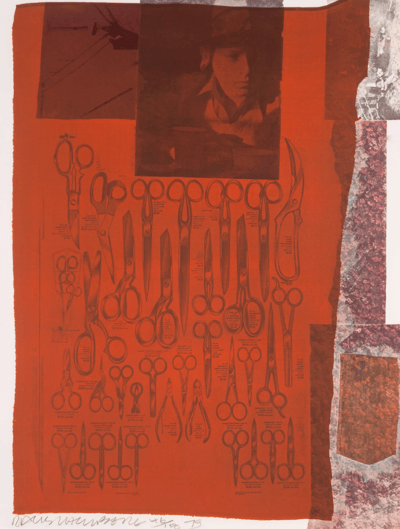
Robert Rauschenberg
One More and We Will Be More Than Halfway There, from Suite of Nine Prints, 1979
Limited Edition Print
Offset Print
USD 2,125
Robert Rauschenberg
More Distant Visible Part of the Sea, from Suite of Nine Prints, 1979
Limited Edition Print
Offset Print
USD 2,125
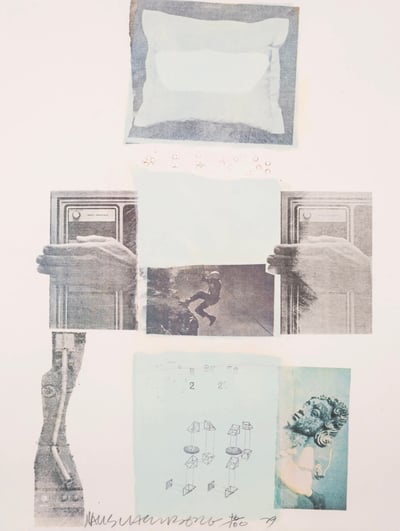
Robert Rauschenberg
Two Reasons Birds Sing, from Suite of Nine Prints, 1979
Limited Edition Print
Offset Print
USD 2,125

Andy Warhol
Golden Mushroom (from Campbell's Soup II), 1969
Limited Edition Print
Screen-print
USD 50,000 - 60,000
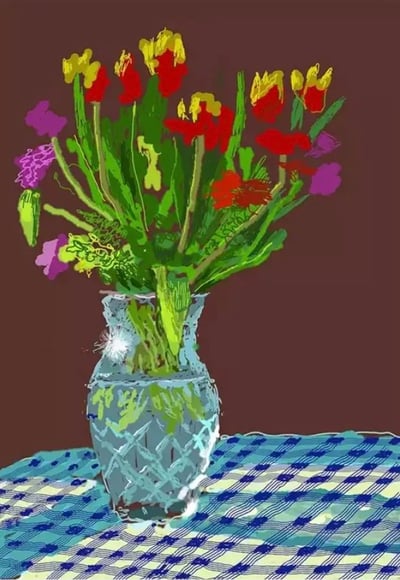
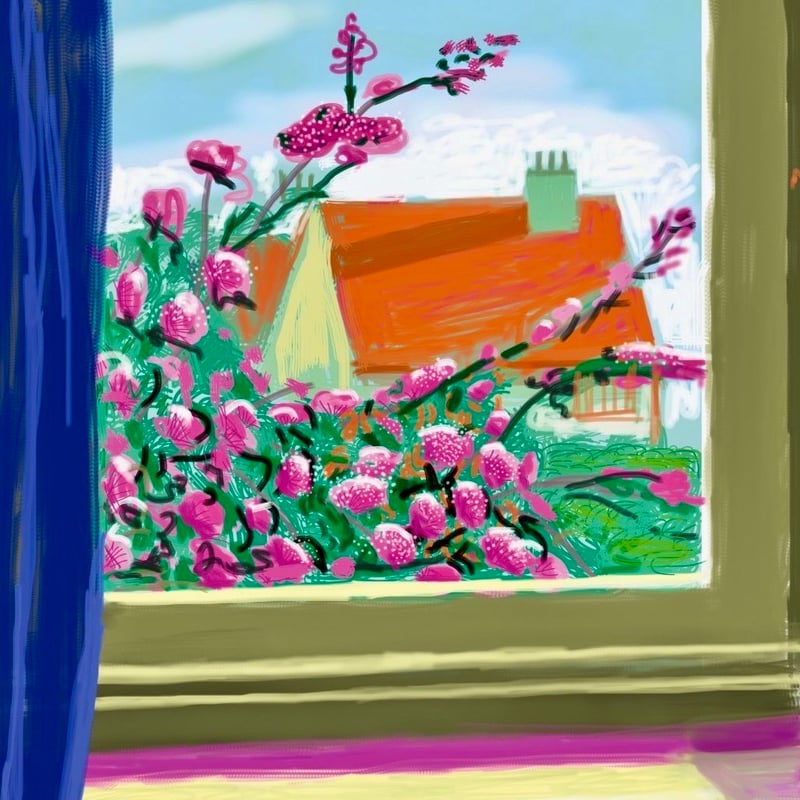
David Hockney
24th February 2021, Red, Yellow and Purple Flowers on a Blue Tablecloth, 2021
Limited Edition Print
Digital Print on paper
Inquire For Price

David Hockney
An Image of Ken, 1985
Limited Edition Print
Lithograph
GBP 23,000 - 26,000
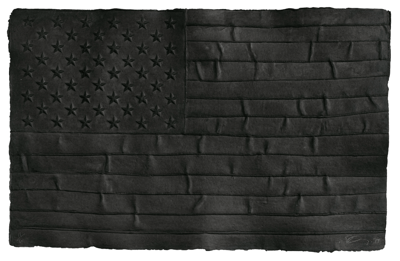
Robert Longo
Black Flag, 1999
Limited Edition Print
Relief printing
EUR 8,000 - 15,000
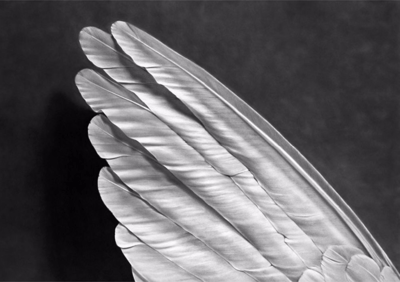
Robert Longo
Angel's Wing (Small Version), 2013
Limited Edition Print
Pigment print
EUR 9,000 - 12,000
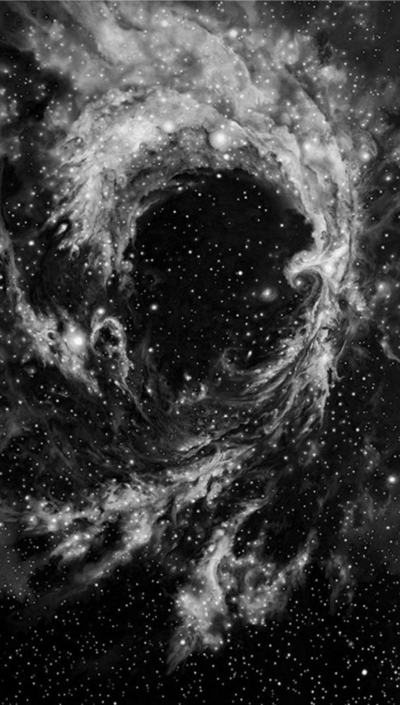
Robert Longo
Rosette Nebula, 2014
Limited Edition Print
Pigment print
EUR 18,000 - 23,000
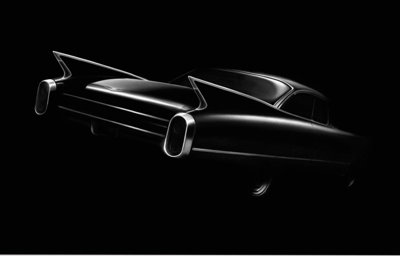
Robert Longo
Cadillac, 2012
Limited Edition Print
Pigment print
EUR 20,000 - 25,000

Robert Longo
Fairmount Forest, 2014
Limited Edition Print
Pigment print
EUR 16,000
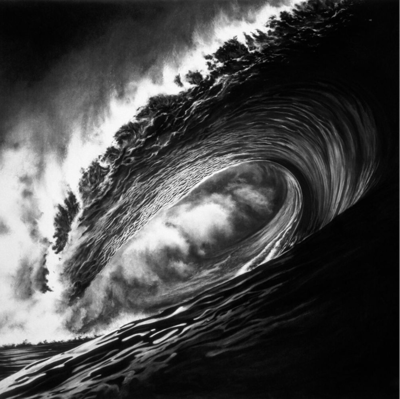
Robert Longo
Hell's Gate, 2005
Limited Edition Print
Pigment print
EUR 20,000 - 30,000
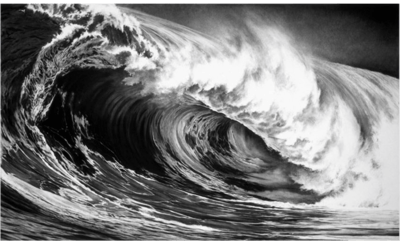
Robert Longo
Godzilla, 2005
Limited Edition Print
Pigment print
EUR 28,000
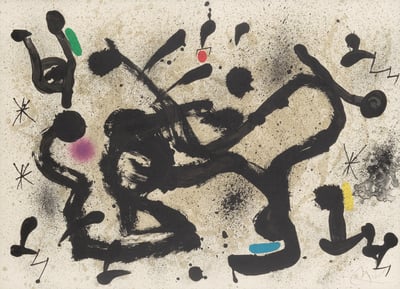
Joan Miró
One plate, Homenatge à Joan Prats, 1975
Limited Edition Print
Lithograph
USD 4,250
Related Articles
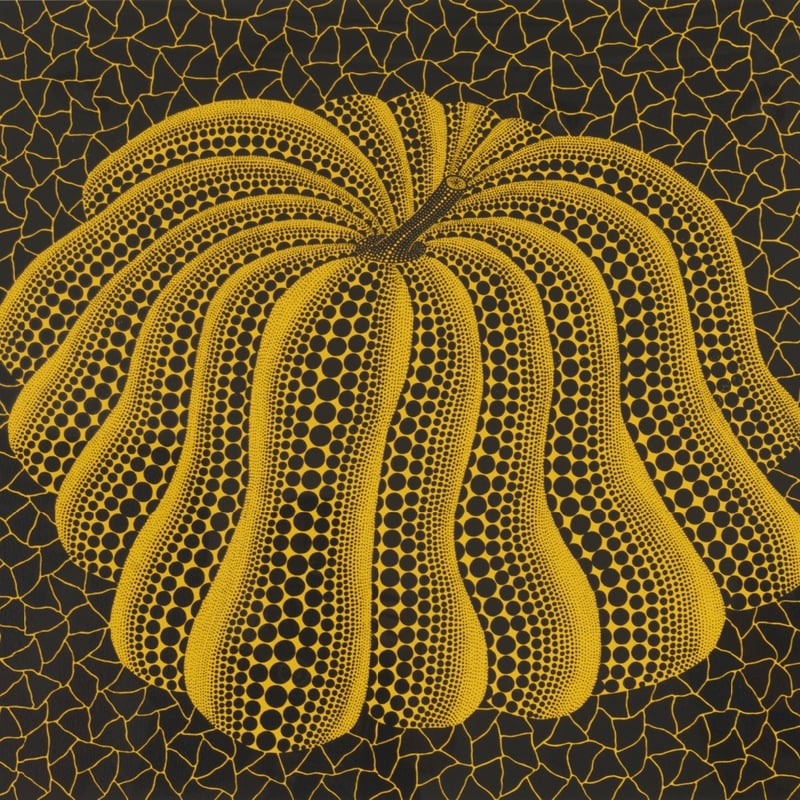
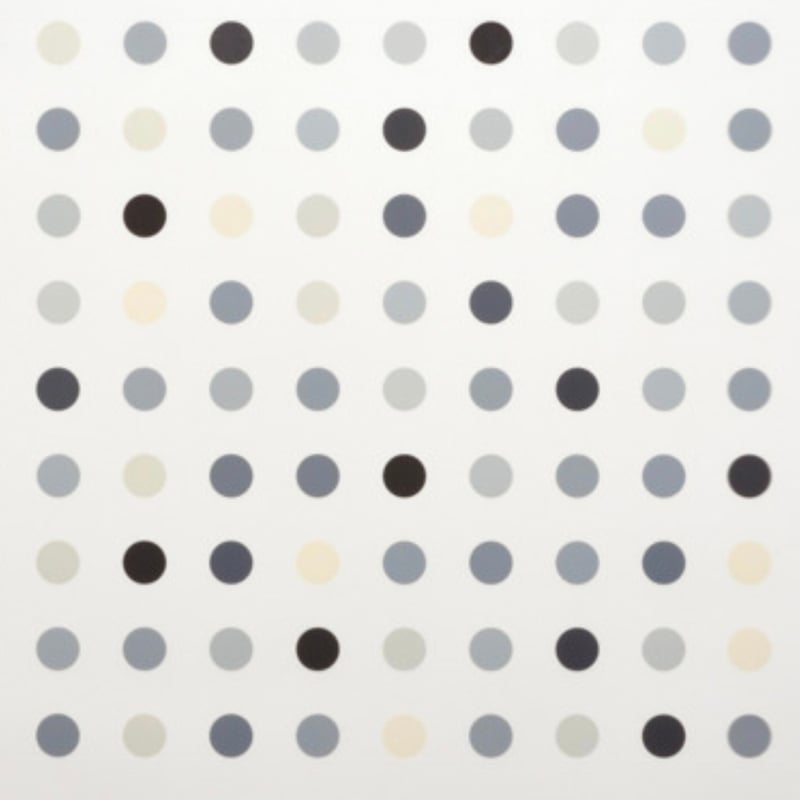
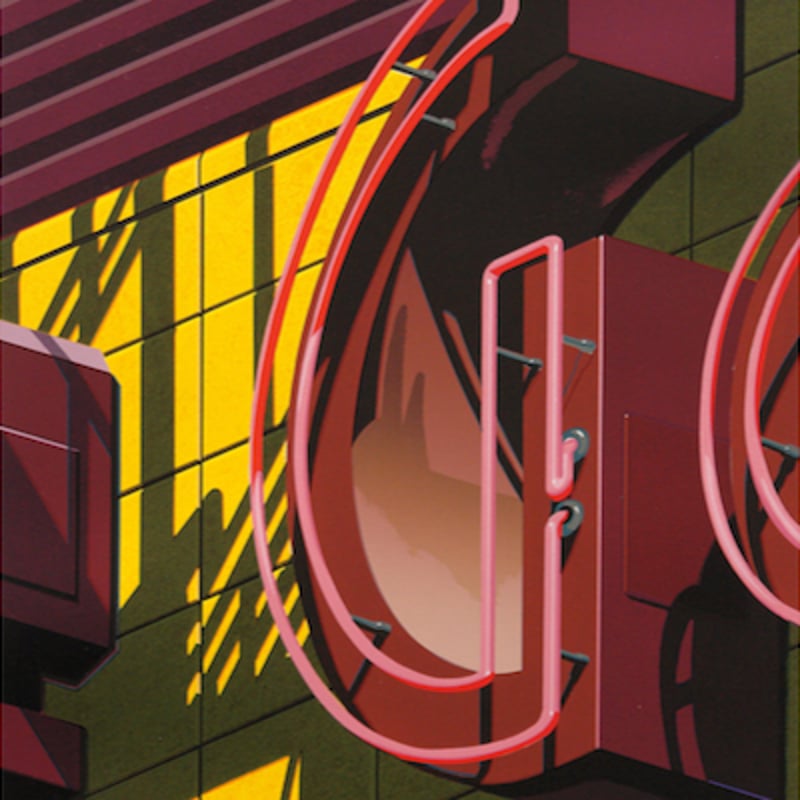
Hyperrealism is a genre of sculpture and painting that closely resembles high-resolution photographs. It is an evolution of Photorealism and is often applied to an independent art style or movement that became prominent in Europe and the United States in the early 2000s. Hyperrealist artists focus on extreme detail and precision, creating works that are often indistinguishable from real-life images.
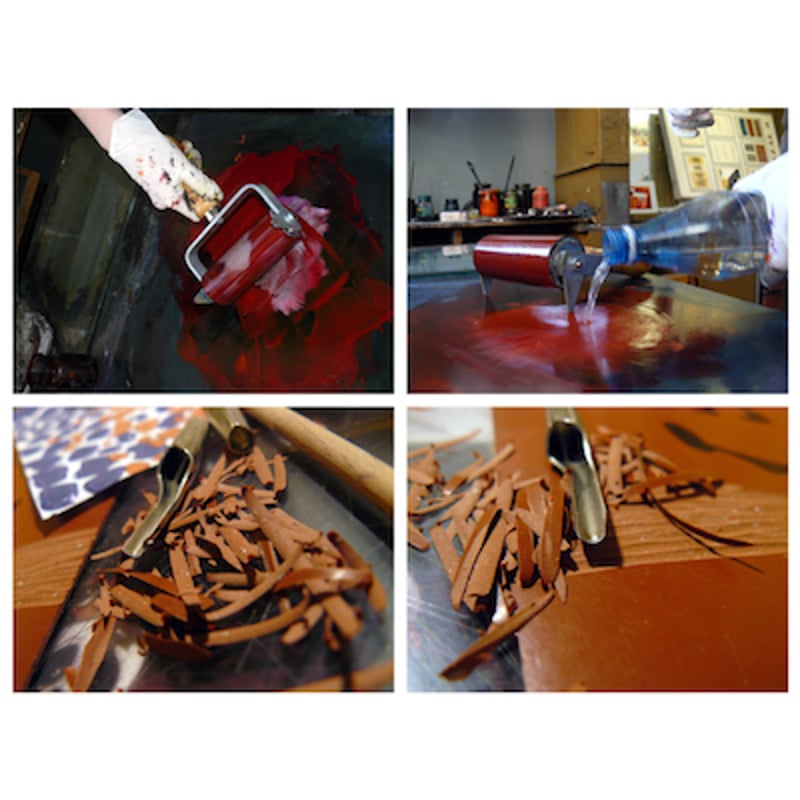
Linocut is a printmaking technique similar to woodcut, where a sheet of linoleum is used as the relief surface. The design is carved into the linoleum using a V-shaped gouge or chisel, creating raised areas that form a mirror image of the final print. Ink is applied to the raised areas with a roller, and the linoleum sheet is then pressed onto fabric or paper. The printing can be done by hand or with a press.
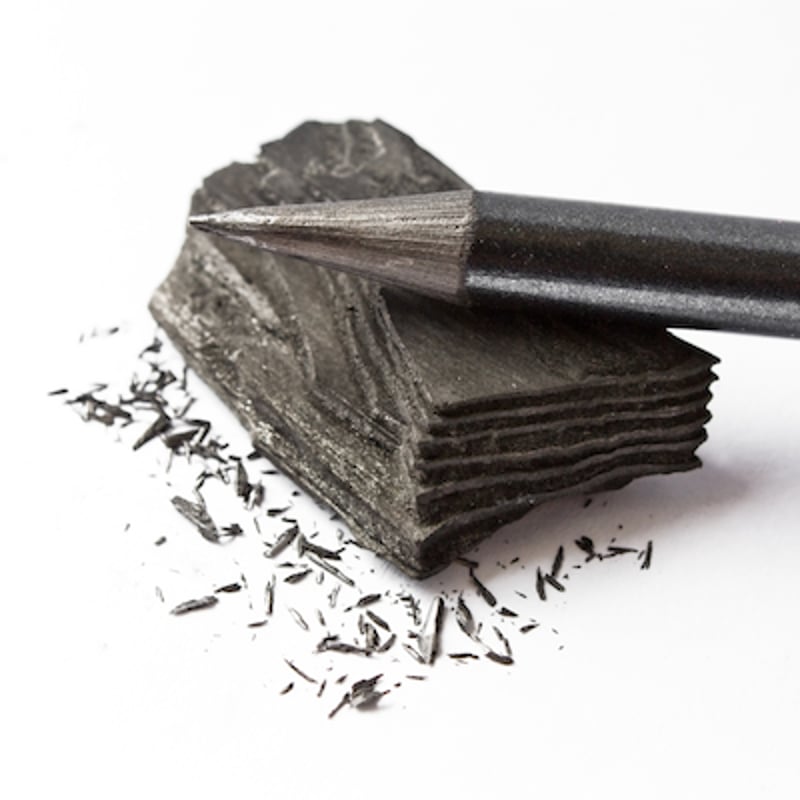
Graphite is a form of carbon commonly used as the core material in pencils. It can be compressed to various levels of hardness, allowing for different shading effects in drawing. In powdered form, graphite can be applied with a brush for broader, softer applications. Graphite erases easily and was first discovered in the 1500s in England's Lake District.
Can't find your Answer?
Thank you! Your question has been sent — we'll get back to you shortly.
