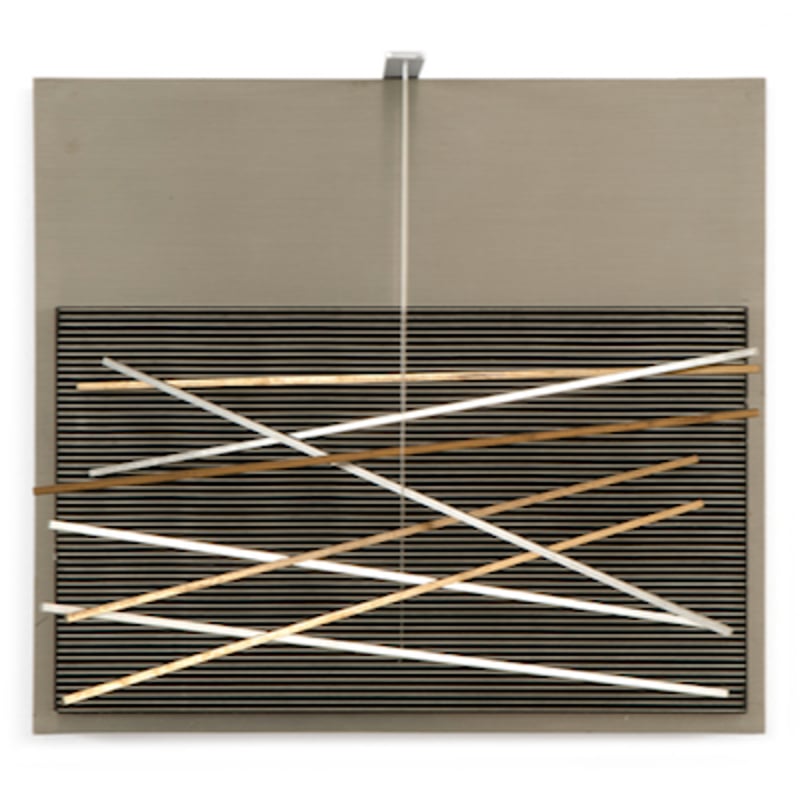
What is kinetic art?
- Show All
- Established
- Discoveries
- Show All
Artworks Related to Kinetic art
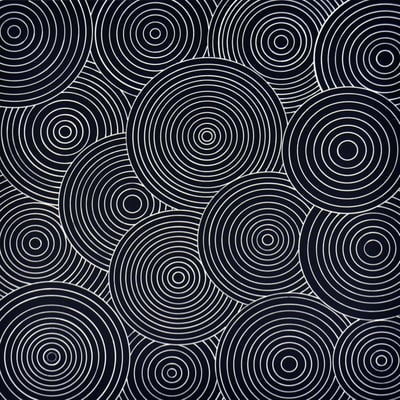
Antonio Asis
ST5, 2013
Limited Edition Print
Lithograph
EUR 1,800
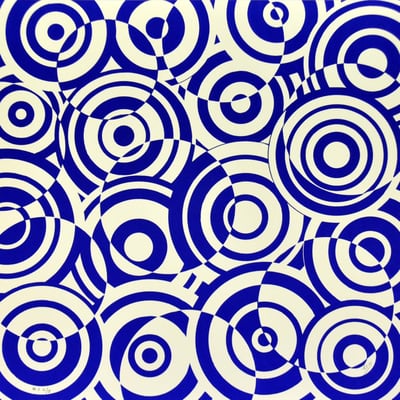
Antonio Asis
ST2, 2013
Limited Edition Print
Lithograph
EUR 1,800
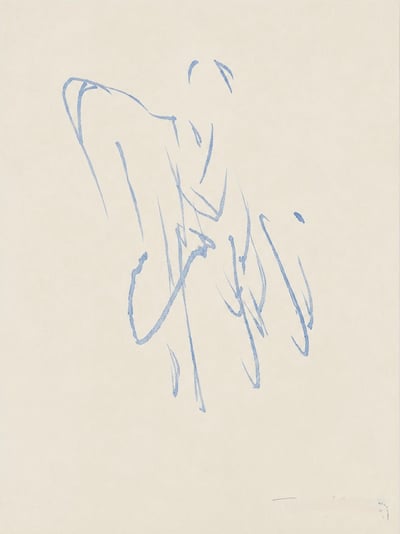
Jean Tinguely
Meta – Matic N9, 1960
Drawing / Watercolor
Pen and ink
EUR 500
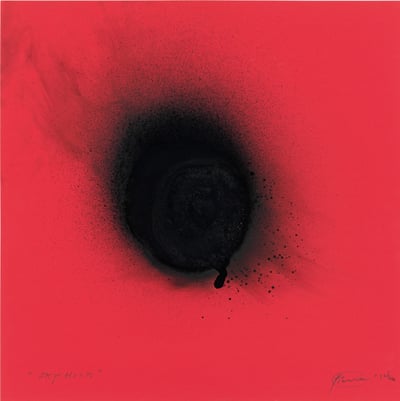
Otto Piene
Sky Hook, 2014
Painting
Gouache
Inquire For Price
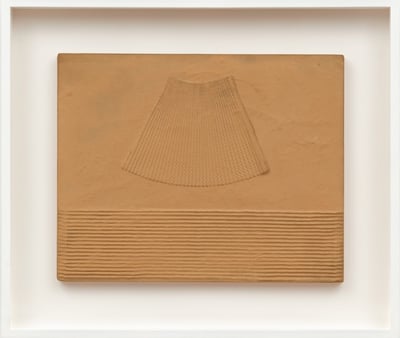
Heinz Mack
Sandflügel, 1976
Sculpture / Object
Mixed Media
Inquire For Price
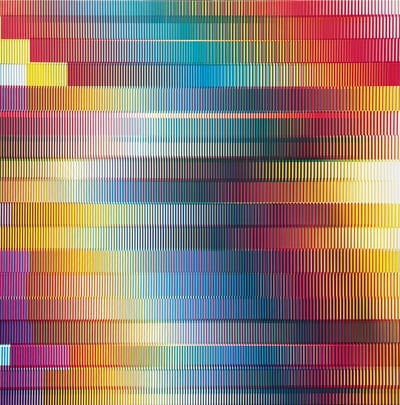
Felipe Pantone
Subtractive Variability #4, 2018
Painting
Mixed Media
EUR 15,000
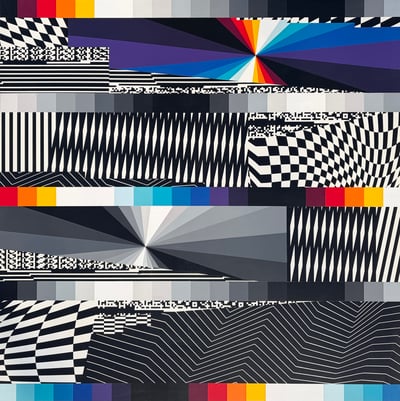
Felipe Pantone
Chromadynamica 33, 2017
Painting
Acrylic paint
Inquire For Price
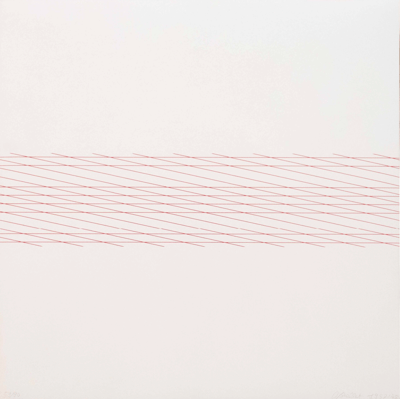
Francois Morellet
Trame, 1957-1975
Limited Edition Print
Silkscreen
EUR 1,800
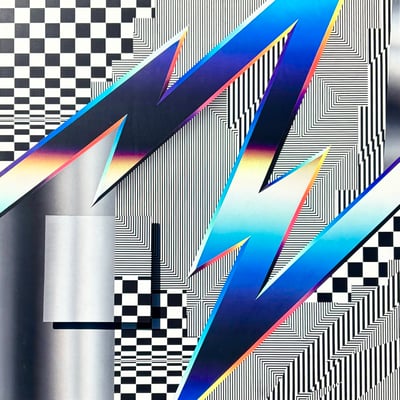
Felipe Pantone
Responsive Iframe, 2016
Painting
Acrylic paint
EUR 13,000
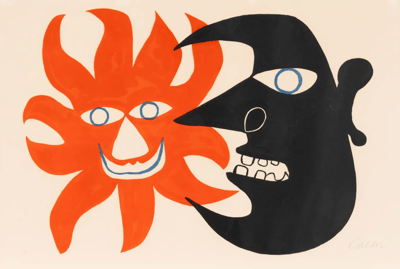
Alexander Calder
Black Moon and Red Sun, ca. 1970
Limited Edition Print
Lithograph
USD 6,900

Victor Vasarely
Olla, 1988
Limited Edition Print
Silkscreen
Inquire For Price

Victor Vasarely
Thez I, 1986
Limited Edition Print
Silkscreen
Inquire For Price

Victor Vasarely
Metagalaxie, 1989
Limited Edition Print
Silkscreen
Inquire For Price

Victor Vasarely
Di.am, ca. 1980
Limited Edition Print
Silkscreen
Inquire For Price

Victor Vasarely
Niels Bohr, 1981
Limited Edition Print
Silkscreen
Inquire For Price

Victor Vasarely
Sann (Benavides 891), 1981
Limited Edition Print
Screen-print
Inquire For Price
Related Articles



Computer art refers to any type of digital imagery or graphic artwork created using a computer. Art curators often classify art made with computers as either digital art or new media art. Artists creating computer art leverage technological advancements to produce complex compositions.
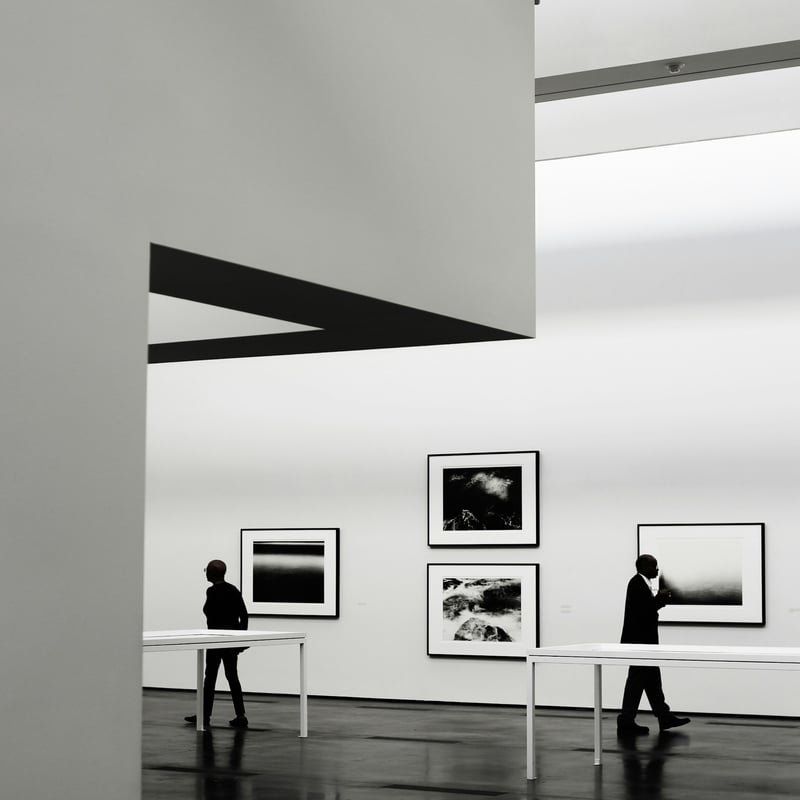
A triennial is a large-scale art exhibition that takes place every three years. These exhibitions often feature the latest artistic developments, works, and emerging artists on an international scale, involving major institutions from around the world. Triennials are significant events in the art world, offering a platform for contemporary art and fostering global cultural exchange.
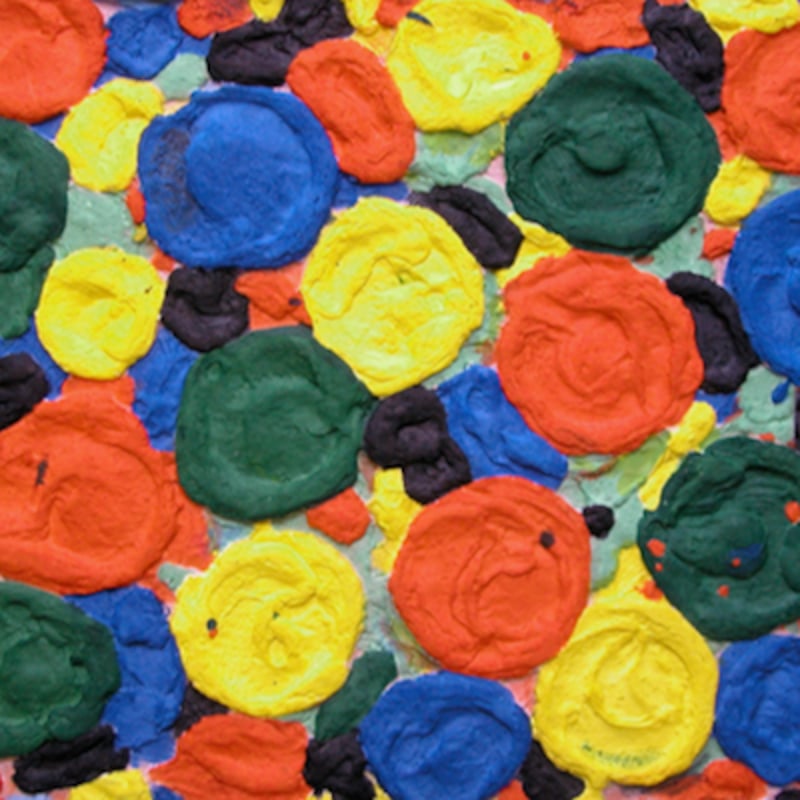
Aquagravure is a technique that combines multiple processes. It involves compressing wet paper pulp in a carved wood mold until the water drains off. The compressed paper is then painted, and ink is added to the mold to print onto the painted paper. The final work is allowed to dry. This method results in a unique textural and visual effect, blending elements of printmaking and papermaking.
Can't find your Answer?
Thank you! Your question has been sent — we'll get back to you shortly.
