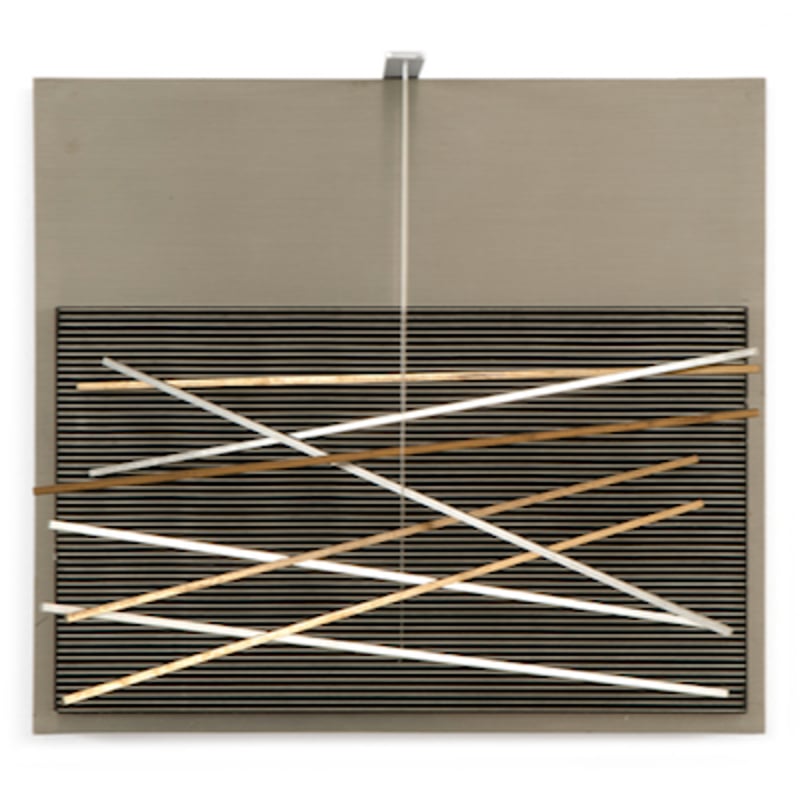
What is kinetic art?
- Show All
- Established
- Discoveries
- Show All
Artworks Related to Kinetic art

Victor Vasarely
B-Bomb-b (2), 1974
Limited Edition Print
Screen-print
USD 1,150

Victor Vasarely
B-Bomb-b (1), 1974
Limited Edition Print
Screen-print
USD 1,150
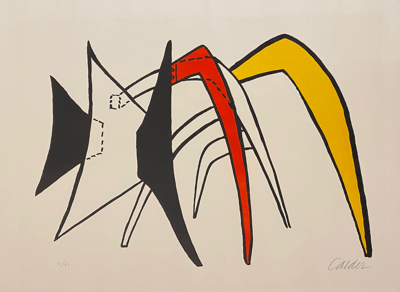
Alexander Calder
Stabiles, 1963
Limited Edition Print
Lithograph
USD 8,400
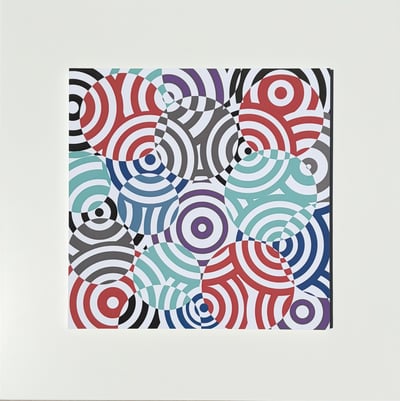
Antonio Asis
Interferences cercles de couleurs Gris Rouge, 2010
Limited Edition Print
Mixed Media
EUR 1,500
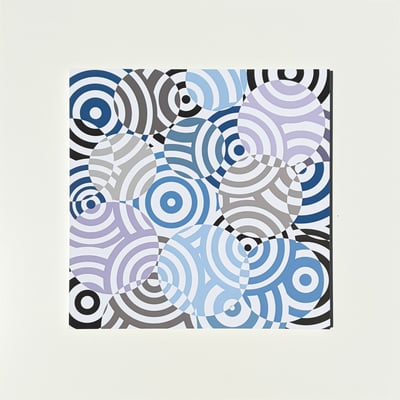
Antonio Asis
Interferences cercles de couleurs Gris Bleu, 2010
Limited Edition Print
Mixed Media
EUR 1,500
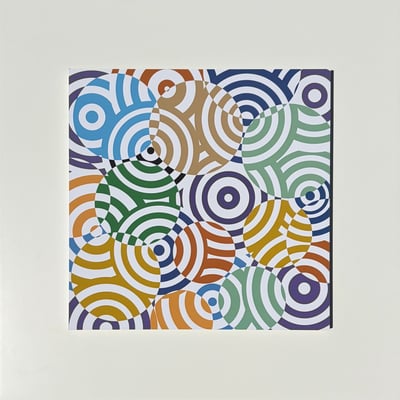
Antonio Asis
Interferences cercles de couleurs Gris Rouge Arc en Ciel, 2010
Limited Edition Print
Mixed Media
EUR 1,500

Victor Vasarely
Gordes Gestalt, 1948
Limited Edition Print
Etching
EUR 1,500
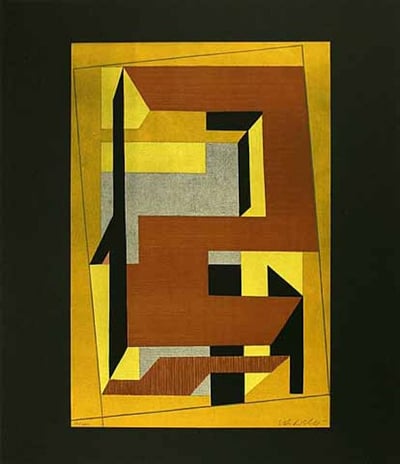
Victor Vasarely
Gordes Taira, 1971
Limited Edition Print
Lithograph
EUR 1,500
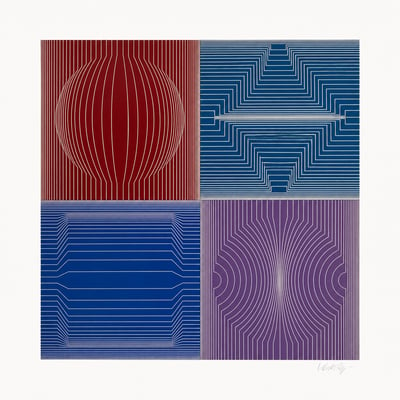
Victor Vasarely
La Certa, 1981
Limited Edition Print
Screen-print
EUR 1,400
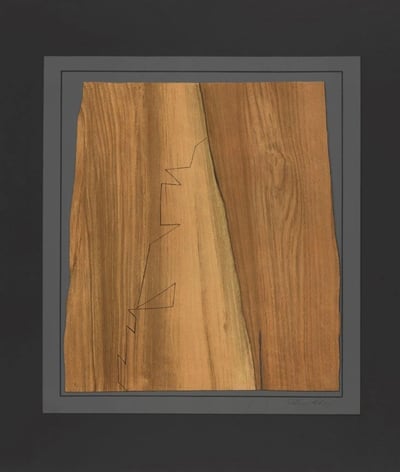
Victor Vasarely
Gordes Tabor, 1971
Limited Edition Print
Lithograph
EUR 1,400
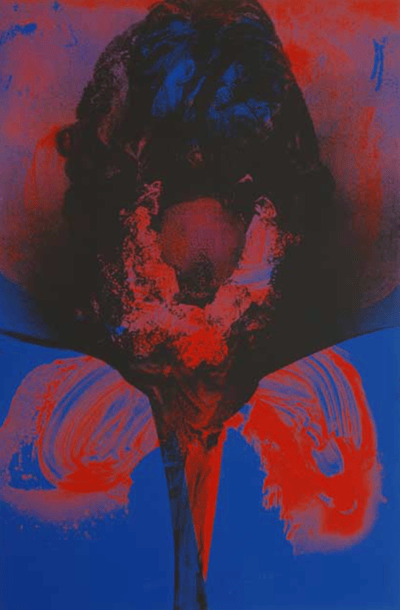
Otto Piene
Addis Abeba X, 1972
Limited Edition Print
Screen-print
EUR 3,400
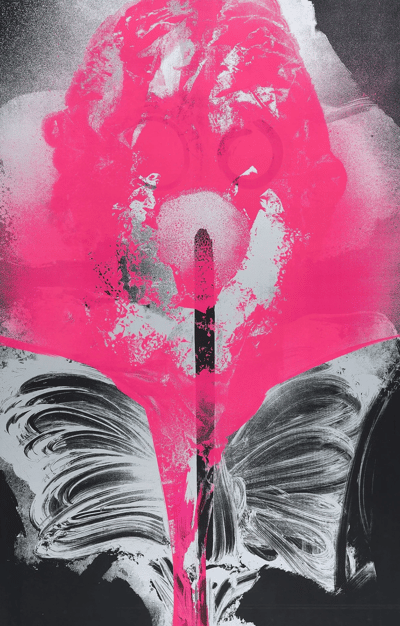
Otto Piene
Addis Abeba V, 1972
Limited Edition Print
Screen-print
EUR 3,300
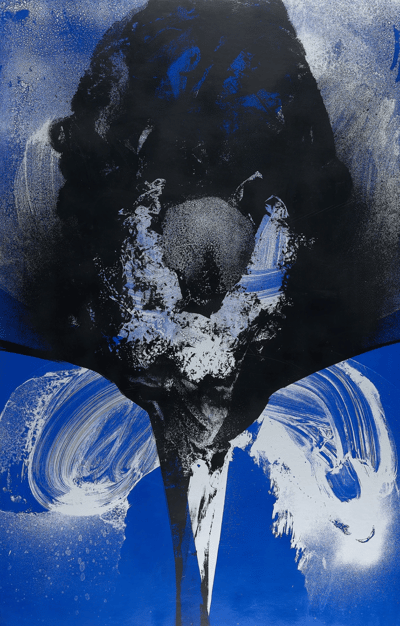
Otto Piene
Addis Abeba VI, 1972
Limited Edition Print
Screen-print
EUR 3,100
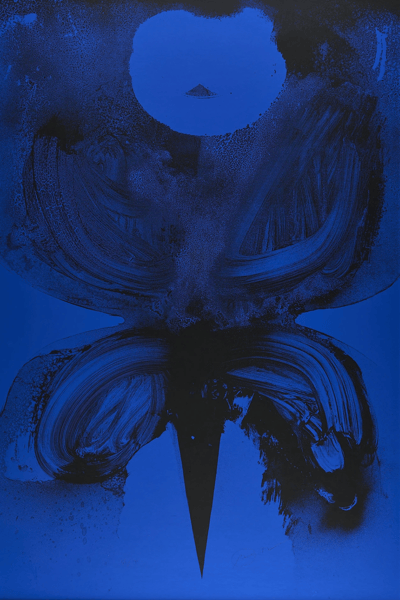
Otto Piene
Addis Abeba IX, 1972
Limited Edition Print
Screen-print
EUR 2,800
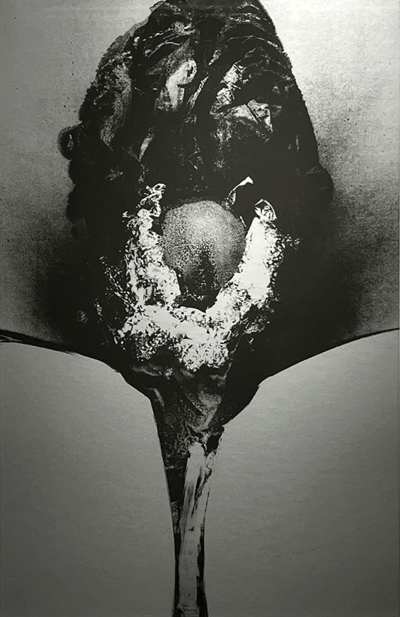
Otto Piene
Addis Abeba II, 1972
Limited Edition Print
Screen-print
EUR 2,800
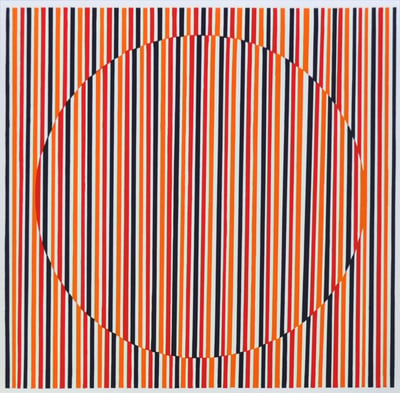
Antonio Asis
ST3, 2013
Limited Edition Print
Lithograph
EUR 1,800
Related Articles
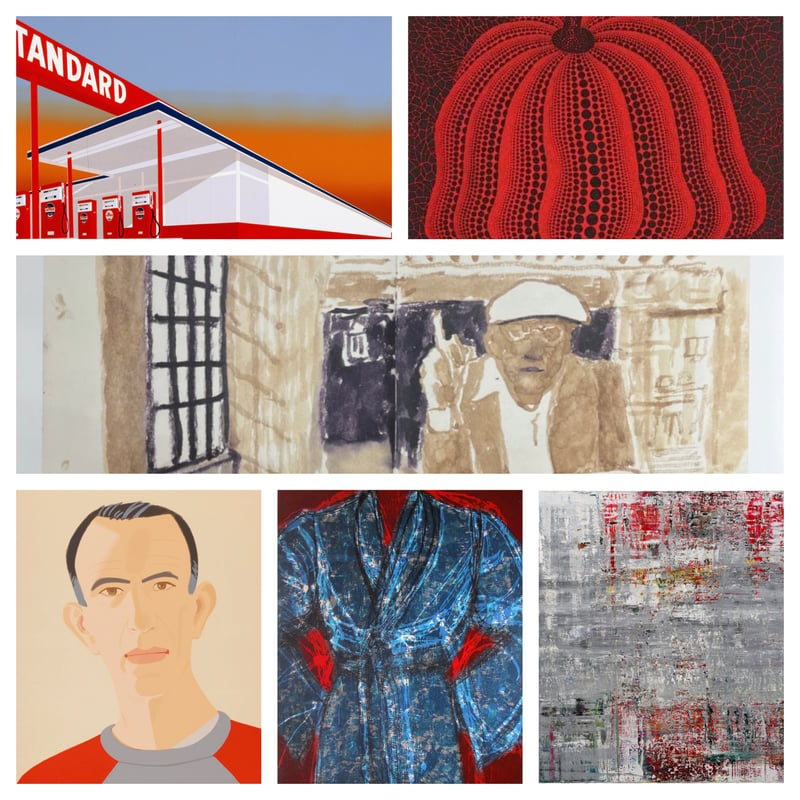
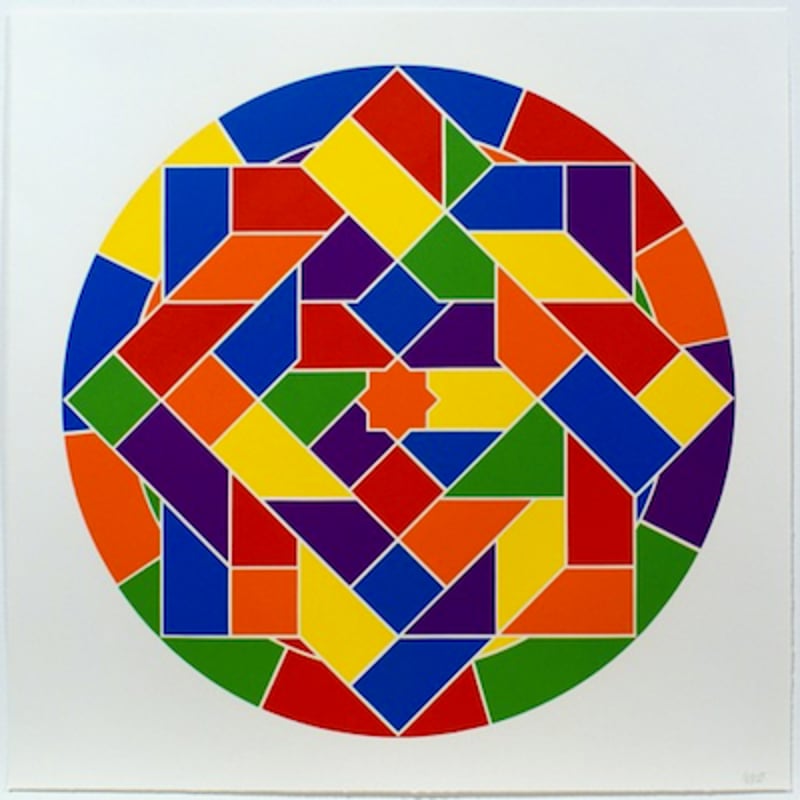
Generative art refers to art that is wholly or partly created through an autonomous system. This system can be independent or non-human, capable of determining features that would otherwise be decided by the artist. The generative system can act as the creator or as a collaborator with the artist. Generative art often refers to works generated algorithmically by computers, where the system plays a significant role in the creation process.
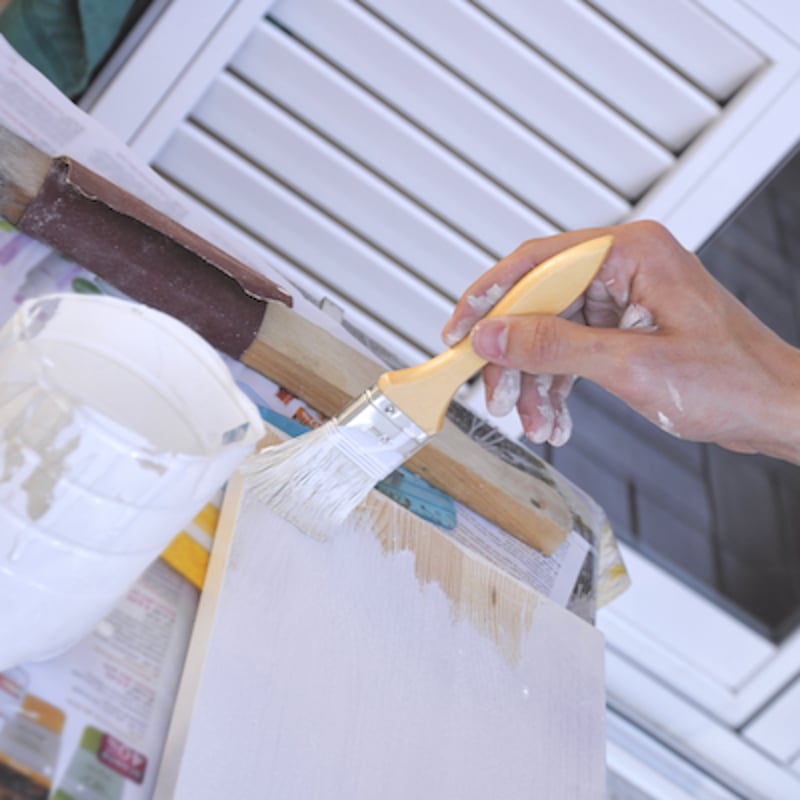
Bricolage is the creation or construction of a piece of art using materials that are readily available to the artist. The term is French and roughly translates to do-it-yourself. This approach became popular when materials were scarce, encouraging artists to improvise and repurpose everyday objects. Bricolage emphasizes creativity and resourcefulness, often resulting in artworks that reflect the unique character of the materials used.
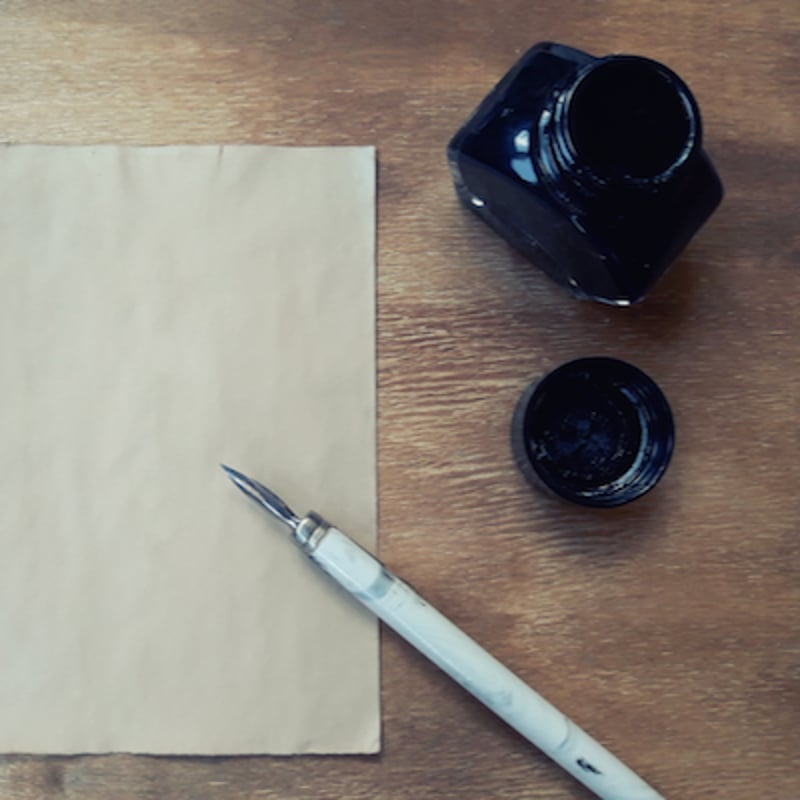
Pen and ink is a traditional drawing technique that involves using a dip pen with India ink on paper. The fine tip of the dip pen is ideal for creating varied lines and detailed shading. Some artists prefer using a fountain pen with an ink reservoir for greater convenience.
Can't find your Answer?
Thank you! Your question has been sent — we'll get back to you shortly.
