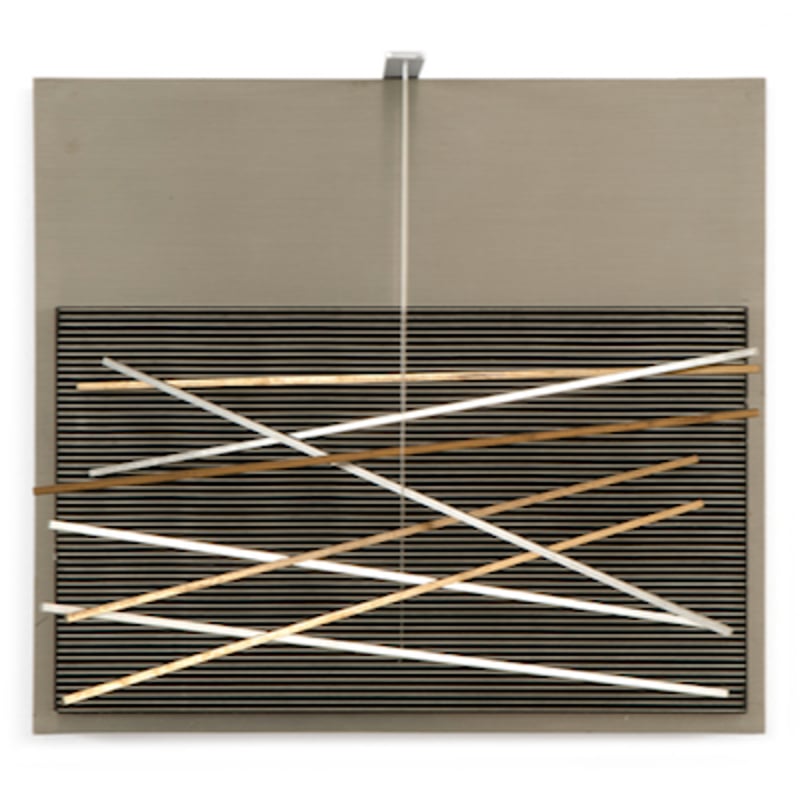
What is kinetic art?
- Show All
- Established
- Discoveries
- Show All
Artworks Related to Kinetic art
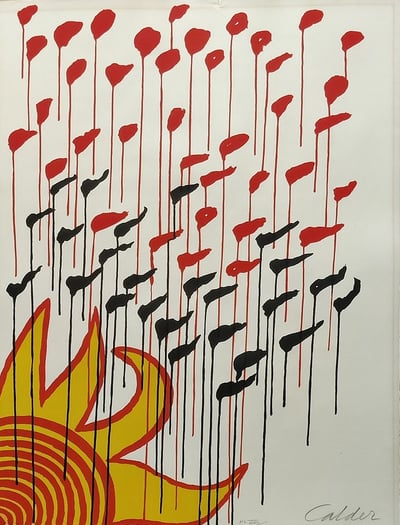
Alexander Calder
Rain, 1972
Limited Edition Print
Lithograph
USD 5,800
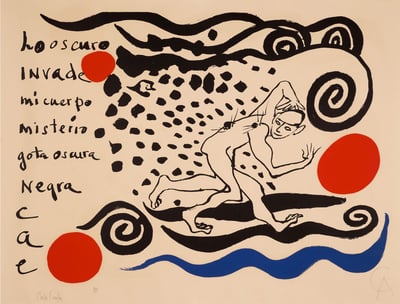
Alexander Calder
Lo oscuro invade, 1970
Limited Edition Print
Lithograph
USD 1,600
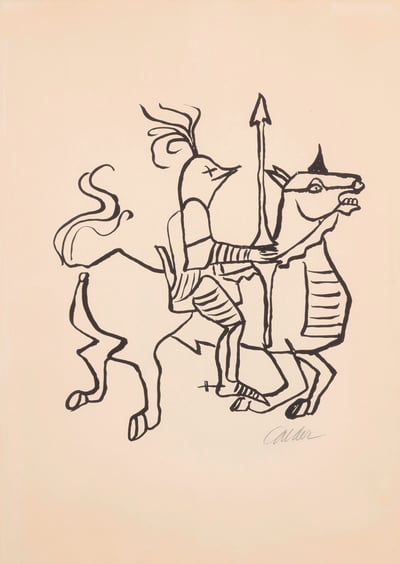
Alexander Calder
Le Chevalier, 1968
Limited Edition Print
Lithograph
USD 3,750
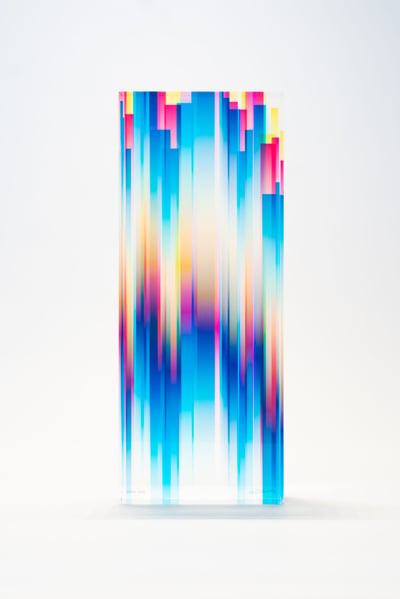
Felipe Pantone
Subtractive Variability Vitreum 3, 2025
Sculpture / Object
Acrylic sculpture
EUR 3,200
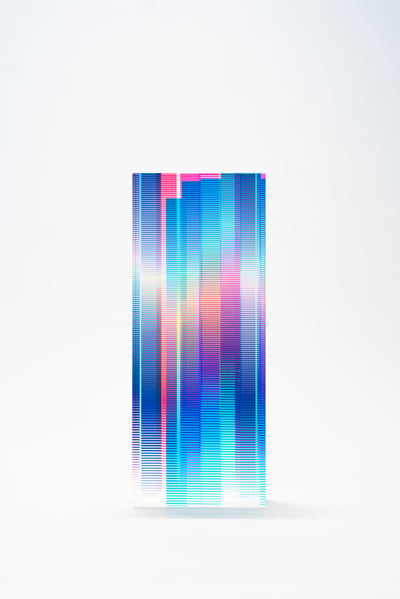
Felipe Pantone
Subtractive Variability Vitreum 2, 2025
Sculpture / Object
Acrylic sculpture
EUR 2,800

Felipe Pantone
Subtractive Variability Vitreum 1, 2025
Sculpture / Object
Acrylic sculpture
EUR 2,300
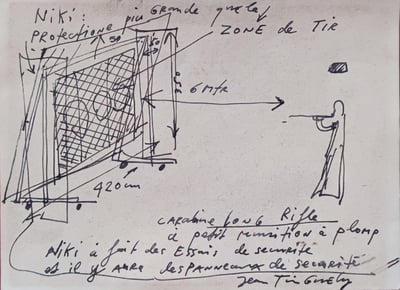
Jean Tinguely
Shooting paintings, 1970
Drawing / Watercolor
Ink
EUR 4,000
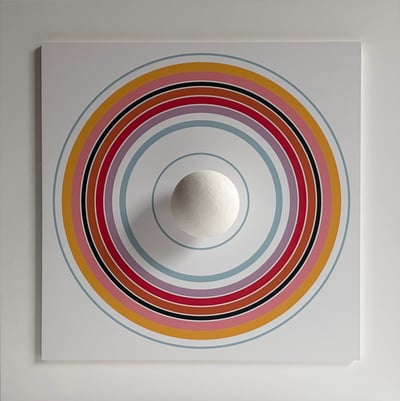
Antonio Asis
Asistype 20 – boule sur cercle, 2016
Sculpture / Object
Monotype
EUR 3,000
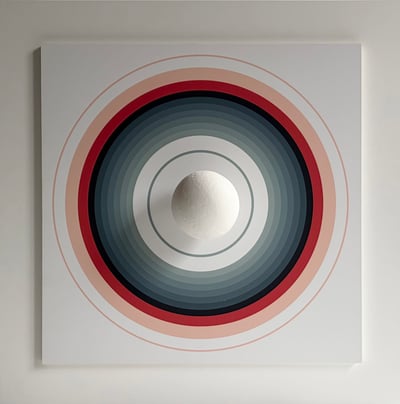
Antonio Asis
Asistype 19 – boule sur cercle, 2016
Sculpture / Object
Monotype
EUR 3,000
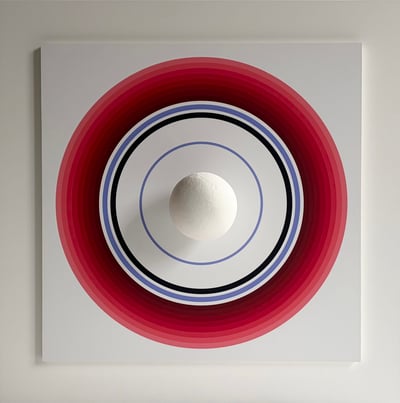
Antonio Asis
Asistype 18 – boule sur cercle, 2016
Sculpture / Object
Monotype
EUR 3,000
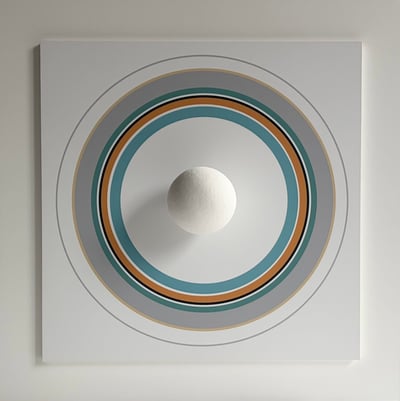
Antonio Asis
Asistype 17 – boule sur cercle, 2016
Sculpture / Object
Monotype
EUR 3,000
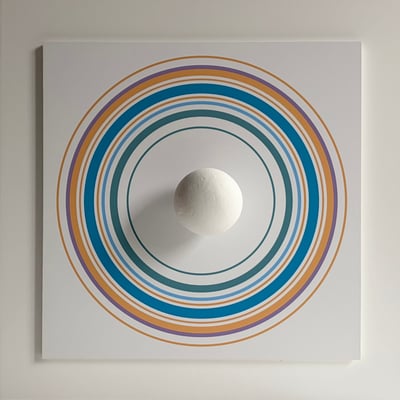
Antonio Asis
Asistype 16 – boule sur cercle, 2016
Sculpture / Object
Monotype
EUR 3,000
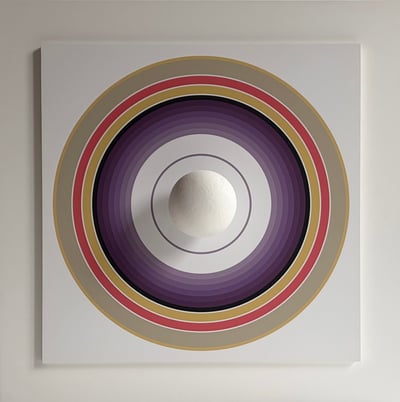
Antonio Asis
Asistype 14 – boule sur cercle, 2016
Sculpture / Object
Monotype
EUR 3,000
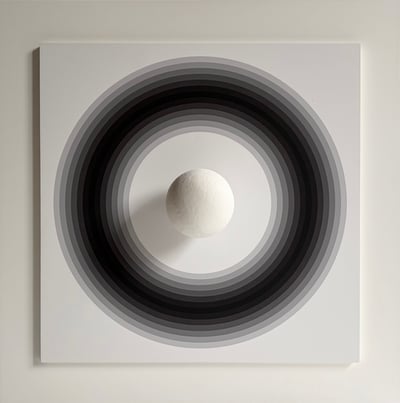
Antonio Asis
Asistype 11 – boule sur cercle, 2016
Sculpture / Object
Monotype
EUR 3,000
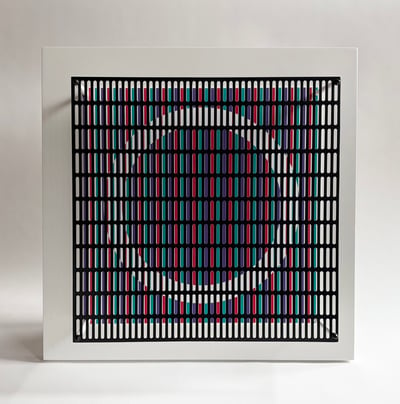
Antonio Asis
Vibration cercles mauve, rouge et turquoise, 2010
Sculpture / Object
Mixed Media
EUR 3,000
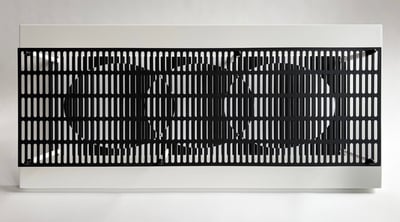
Antonio Asis
3 ovals noir et blanc, 2012
Sculpture / Object
Mixed Media
EUR 3,000
Related Articles

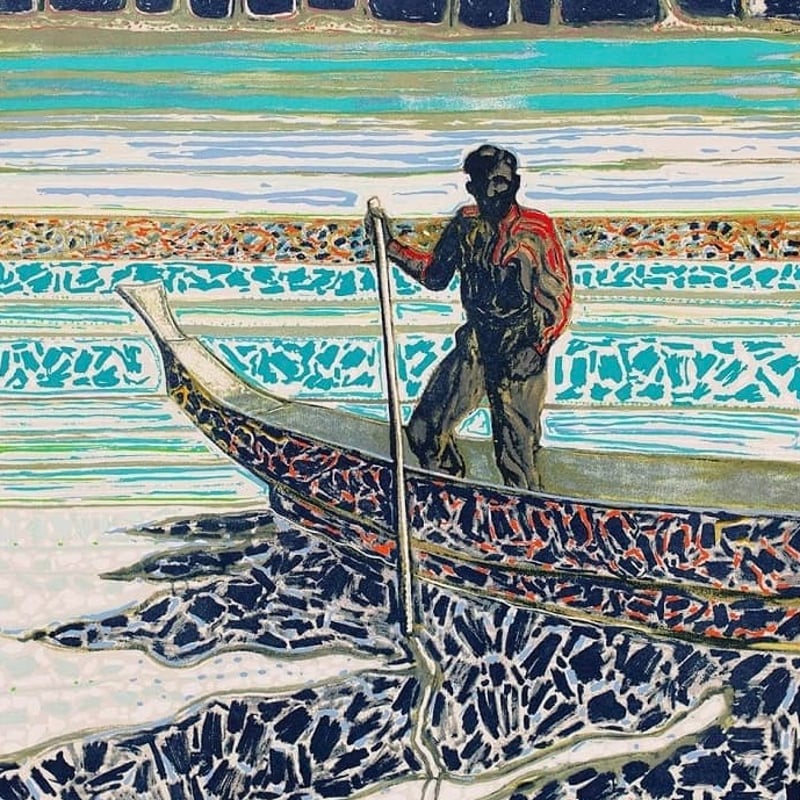
Stuckism is an art movement that promotes figurative painting over conceptual art. It was founded in 1999 by Charles Thomson and Billy Childish with an initial group of 13 artists in Britain. The movement has since expanded to 52 countries with 233 groups worldwide. Several manifestos, issued by Thomson and Childish, advocate for the spirit of modernism and the creation of spiritual art, regardless of medium, subject matter, or style. Stuckism emphasizes the importance of genuine expression and rejects the dominance of conceptual art in the contemporary art scene.

Site-Specific Art is a form of artwork created to exist in a particular location, with the artist considering the site as an integral part of the creative process. Robert Irwin was a key figure in promoting this art form in California. Site-Specific Art emerged as a reaction against modernist objects, which were often portable, commodified, and confined to museum spaces. In contrast, Site-Specific Art is inherently tied to its location, challenging the traditional notions of art as a transportable and marketable commodity.

Neue Wilden is the term German artists used for Neo-Expressionism. In the 1970s and 80s, expressive painting re-emerged in Germany, with artists embracing intense colors and broad brushstrokes. The movement grew in opposition to minimal and conceptual art, favoring a return to raw, emotional expression through bold and dynamic painting techniques.
Can't find your Answer?
Thank you! Your question has been sent — we'll get back to you shortly.
