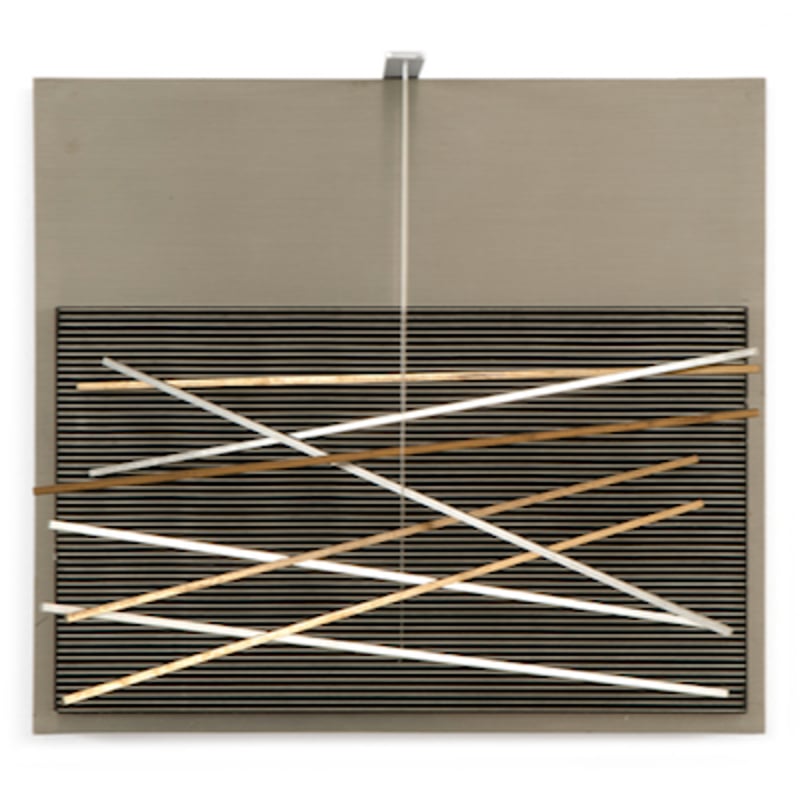
What is kinetic art?
- Show All
- Established
- Discoveries
- Show All
Artworks Related to Kinetic art

Victor Vasarely
Dagg 2, 1981
Limited Edition Print
Screen-print
Inquire For Price

Victor Vasarely
Hommage a Bach III, ca. 1980
Limited Edition Print
Etching and Aquatint
Inquire For Price

Carlos Cruz-Diez
Couleur additive perseus 3, 2017
Limited Edition Print
Screen-print
EUR 5,000

Carlos Cruz-Diez
Couleur additive perseus 2, 2017
Limited Edition Print
Screen-print
EUR 5,000
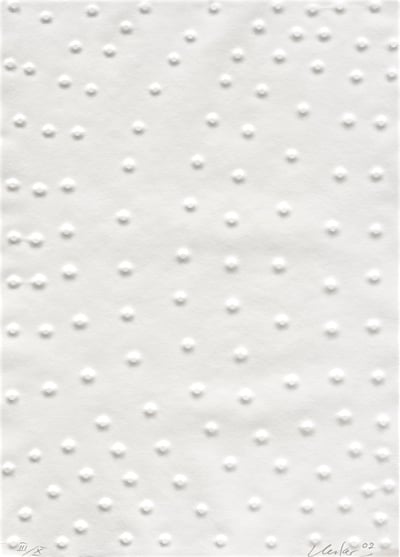
Gunther Uecker
Graphein III, Ahirom von Byblos, 2002
Limited Edition Print
Embossing
EUR 12,000
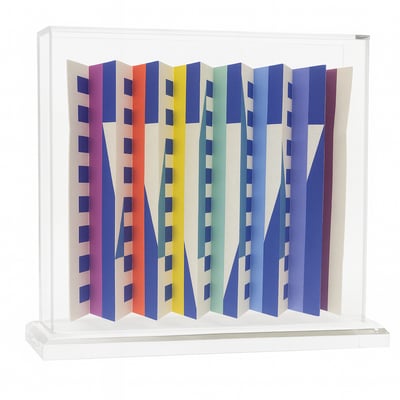
Yaacov Agam
A tribute work from the residents of Israel to the residents of the United States, 1985
Limited Edition Print
Mixed Media
EUR 6,950
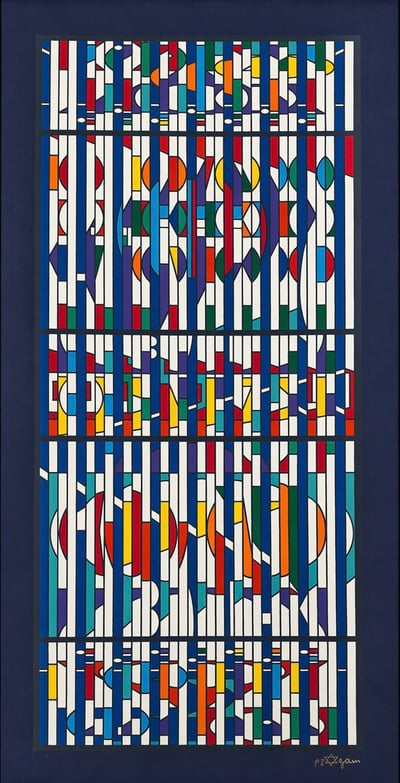
Yaacov Agam
Untitled (Chromatic Vertical Grid), c. 1982
Limited Edition Print
Silkscreen
EUR 2,190
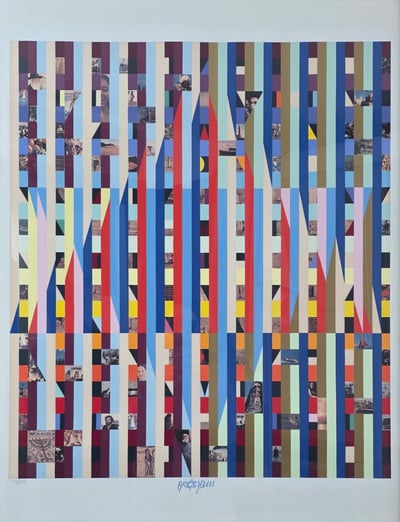
Yaacov Agam
Star of Israel, c. 1975
Limited Edition Print
Silkscreen
EUR 4,000
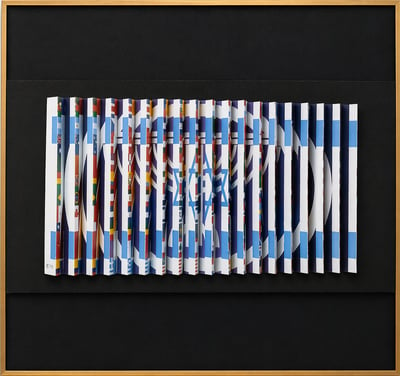
Yaacov Agam
The Star of David at the Heart of the Flags of the Nations
Limited Edition Print
Mixed Media
EUR 15,000
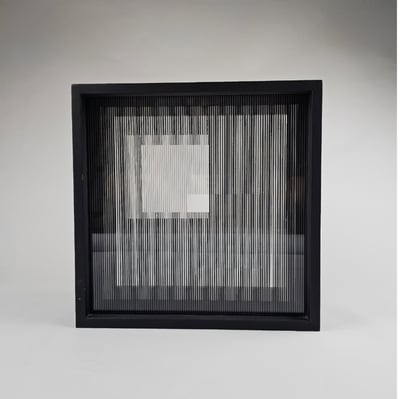
Rafael Jesus Soto
Kinetic Box, 1964
Sculpture / Object
Screen-print
USD 22,000

Carlos Cruz-Diez
Composition '5 E'. Induction Chromatique, 1974
Limited Edition Print
Screen-print
USD 9,750

Carlos Cruz-Diez
Composition '4 D'. Couleur Additive, 1970
Limited Edition Print
Screen-print
USD 9,750
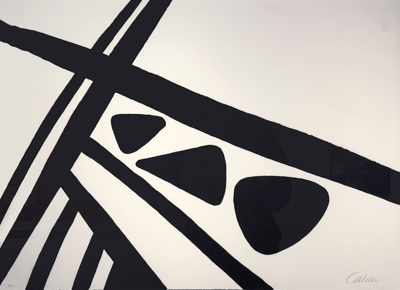
Alexander Calder
Iron Frame / Charpente de fer, 1969
Limited Edition Print
Lithograph
USD 6,900
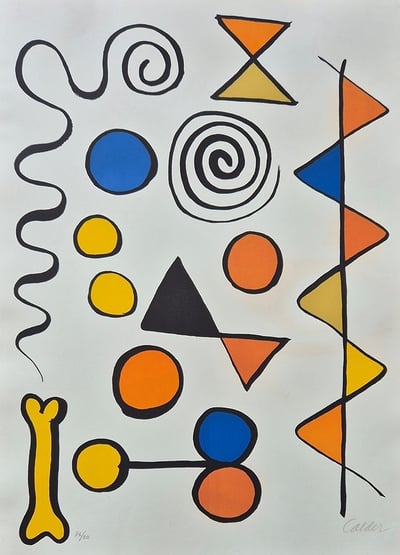
Alexander Calder
Os et Serpent, 1969
Limited Edition Print
Lithograph
USD 8,400
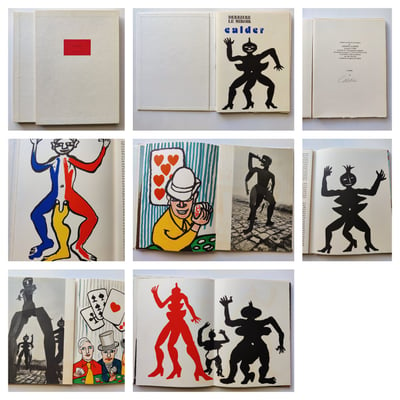
Alexander Calder
Derriere Le Miroir, 1975
Limited Edition Print
Lithograph
USD 6,000
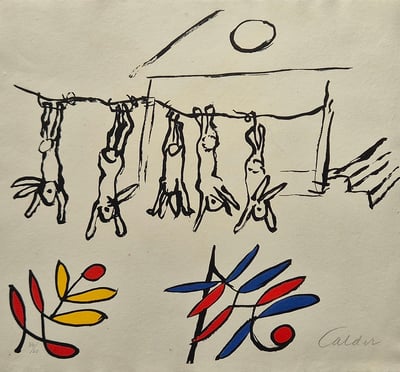
Alexander Calder
One Plate from The Sacrilege of Alan Kent, 1976
Limited Edition Print
Aquatint
USD 4,600
Related Articles

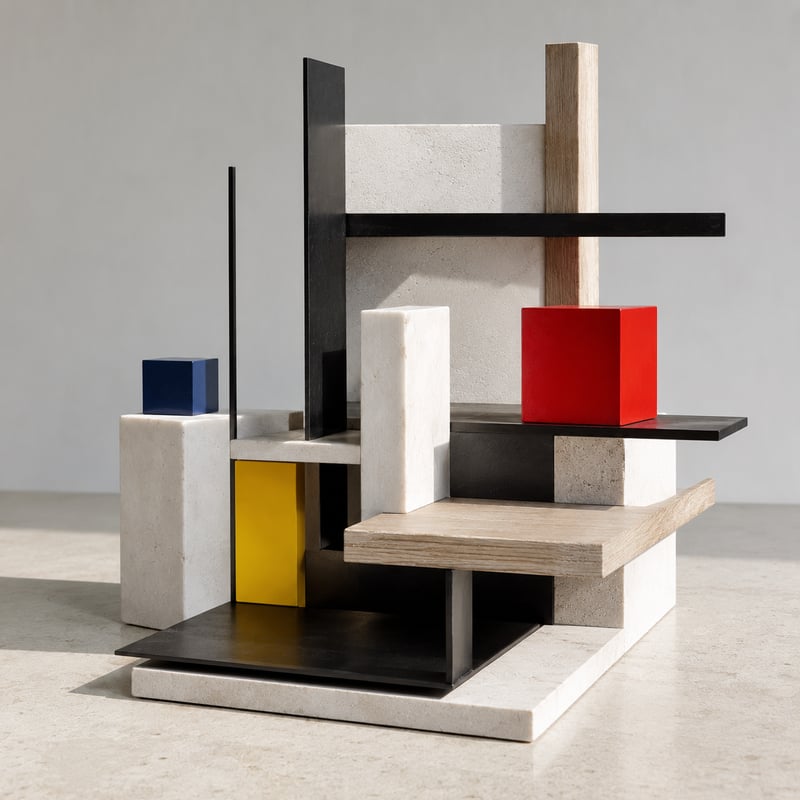
De Stijl, meaning The Style, was a group of Dutch artists who created abstract art based on strict adherence to vertical and horizontal geometry. The group was founded by Piet Mondrian and Theo van Doesburg in 1917. Mondrian eventually left De Stijl when Van Doesburg began incorporating diagonal geometry into his work, which Mondrian felt deviated from the group's principles.
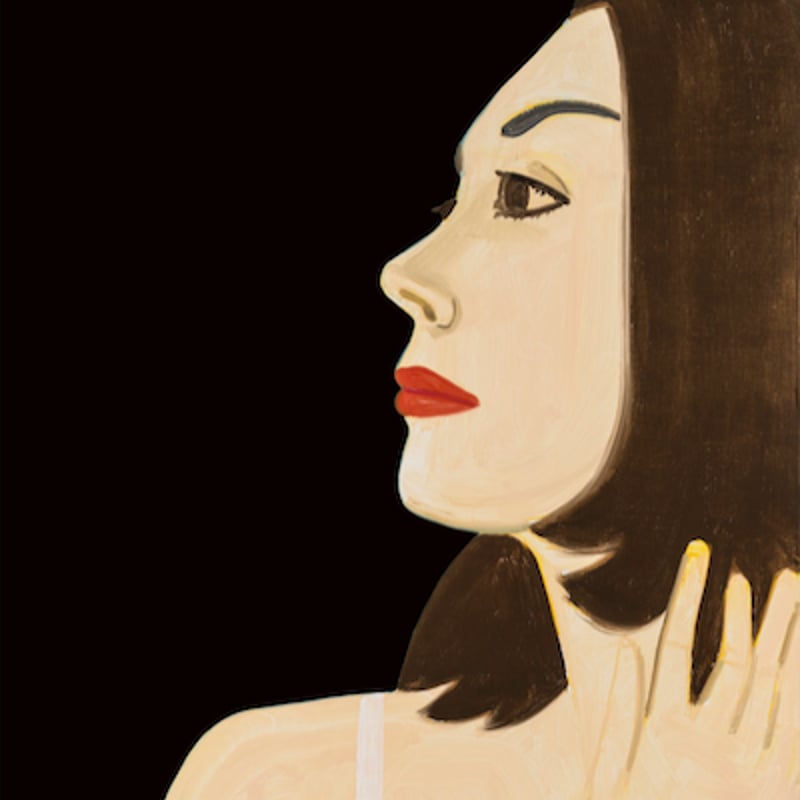
Sometimes known as Figurativism, figurative art refers to sculptures and paintings that are clearly or specifically derived from real objects, making them representational. The term figurative art is often used in contrast to abstract art. However, since the emergence of abstract art, figurative art has come to describe any form of modern art that has strong references to the real world or actual situations.

Etching and aquatint are printmaking techniques. In aquatint, the printing plate is etched with a pattern of tiny pits and cracks to create a wide range of tonal gradations. This technique allows artists to replicate the broad, flat tones found in watercolor paintings and ink washes.
Can't find your Answer?
Thank you! Your question has been sent — we'll get back to you shortly.
