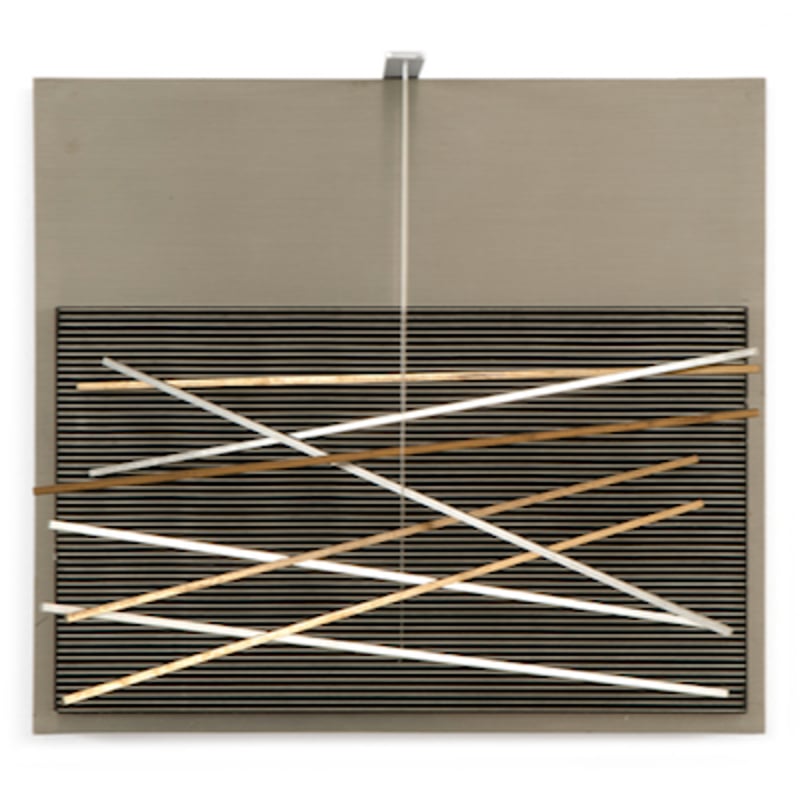
What is kinetic art?
- Show All
- Established
- Discoveries
- Show All
Artworks Related to Kinetic art
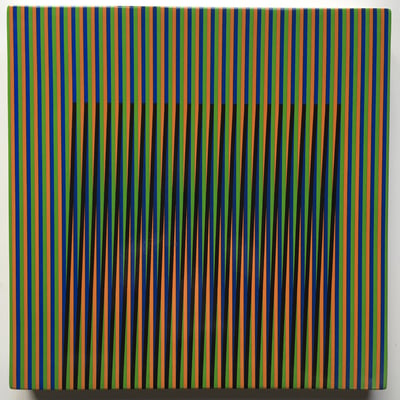
Carlos Cruz-Diez
Cerámico #4, 2008
Ceramics
Ceramic
EUR 12,000
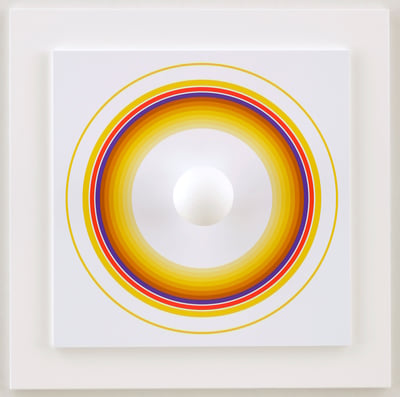
Antonio Asis
Asistype 20 - boule sur cercle, 2016
Sculpture / Object
Monotype
EUR 3,500
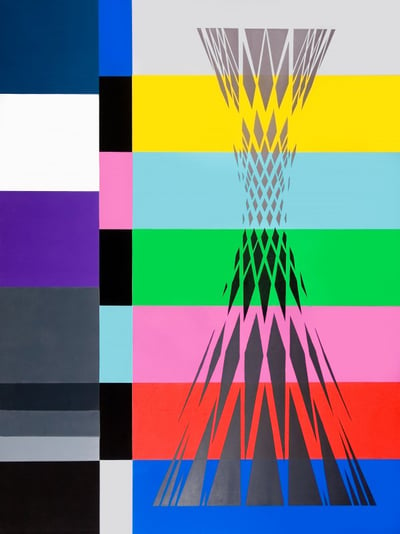
Rita McBride
Mae West, 2010
Limited Edition Print
Woodcut
EUR 15,000
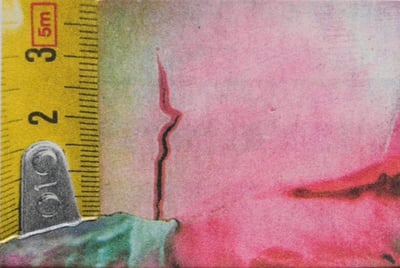
Rita McBride
Untitled (Rulers II), 2011
Photography
Photogravure
EUR 900
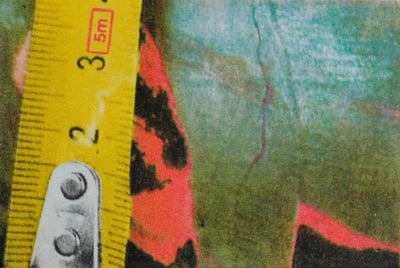
Rita McBride
Untitled (Rulers III), 2011
Photography
Photogravure
EUR 900
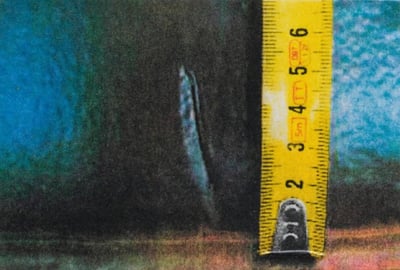
Rita McBride
Untitled (Rulers IV), 2011
Photography
Photogravure
EUR 900

Rita McBride
Blueprint, 2011
Limited Edition Print
Woodcut
Currently Not Available
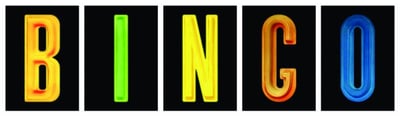
Rita McBride
BINGO, 2014
Limited Edition Print
Offset Print
EUR 7,000

Dario Perez-Flores
Prochromatique yc1, 2013
Painting
Mixed Media
EUR 3,500
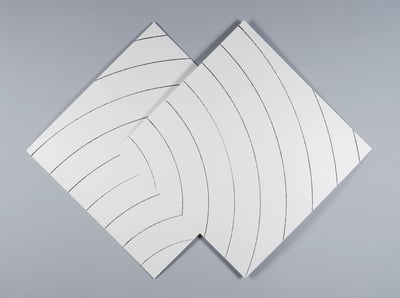
Francois Morellet
Ondes parasites 3, 2014
Limited Edition Print
Screen-print
EUR 2,150
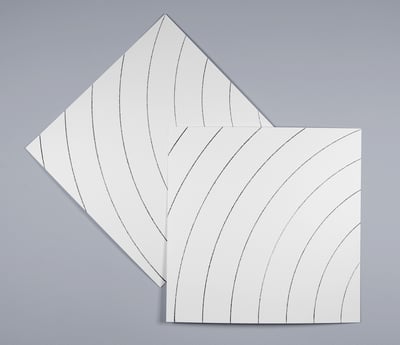
Francois Morellet
Ondes parasites 2, 2014
Limited Edition Print
Screen-print
EUR 2,150
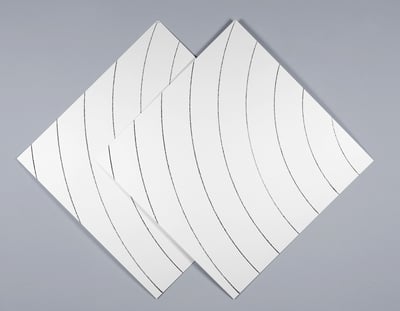
Francois Morellet
Ondes parasites 1, 2014
Limited Edition Print
Screen-print
EUR 2,150
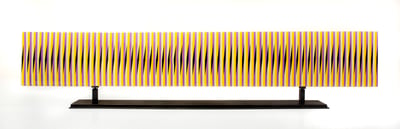
Carlos Cruz-Diez
Stèle horizontale 15, 2013
Sculpture / Object
Ceramic
EUR 12,000
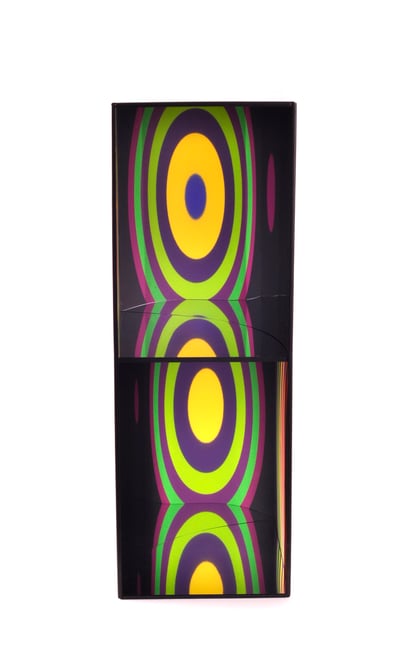
Julio Le Parc
Cercles par déplacement, 1965 - 2015
Sculpture / Object
Mixed Media
EUR 9,000
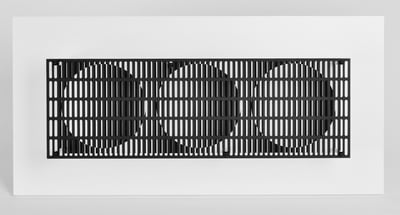
Antonio Asis
3 Cercles noir et blanc, 2014
Sculpture / Object
Mixed Media
EUR 3,000
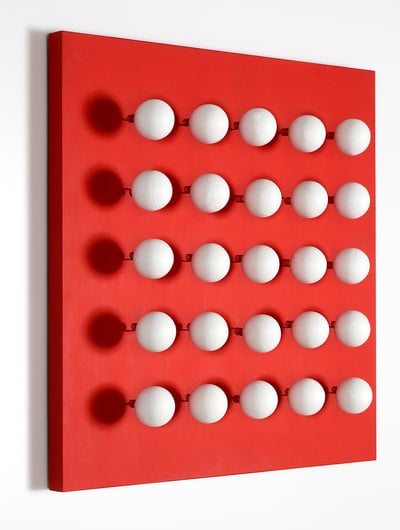
Antonio Asis
boules tactiles sur font rouge, 2015
Sculpture / Object
Mixed Media
EUR 3,000
Related Articles

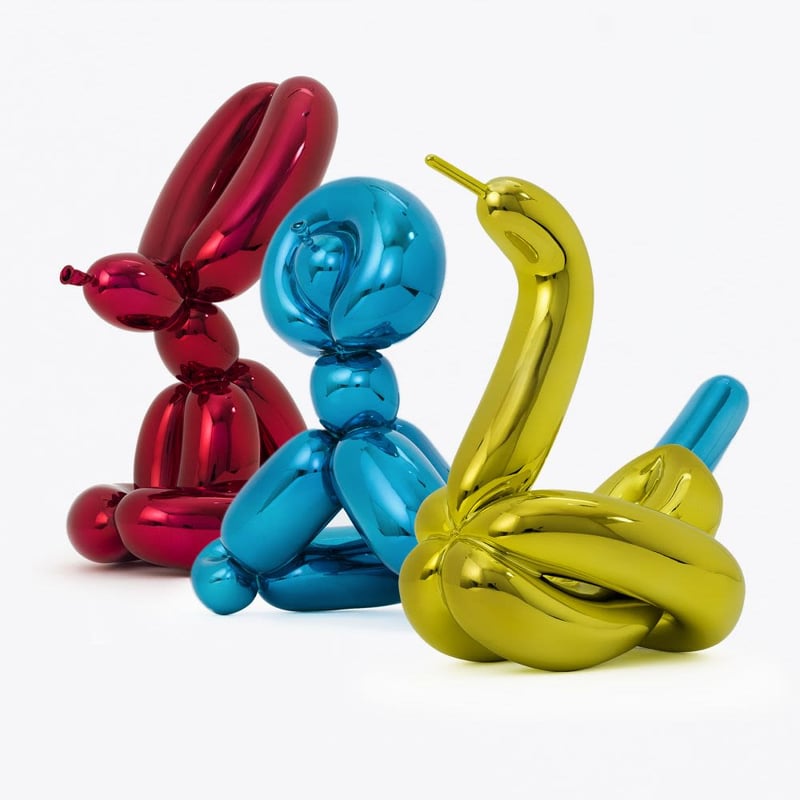
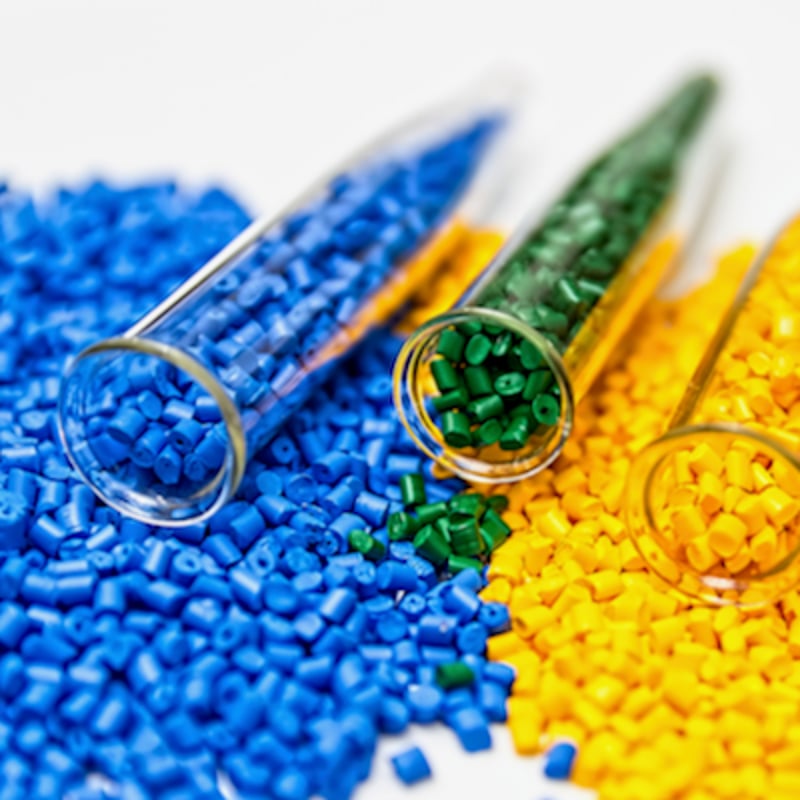
Plastic is a material made from synthetic or organic compounds that can be molded into various shapes. It became a popular medium for artwork in the 20th century. Plastics can be cut, shaped, assembled, and painted with acrylics, making them versatile for creating new objects and art forms.
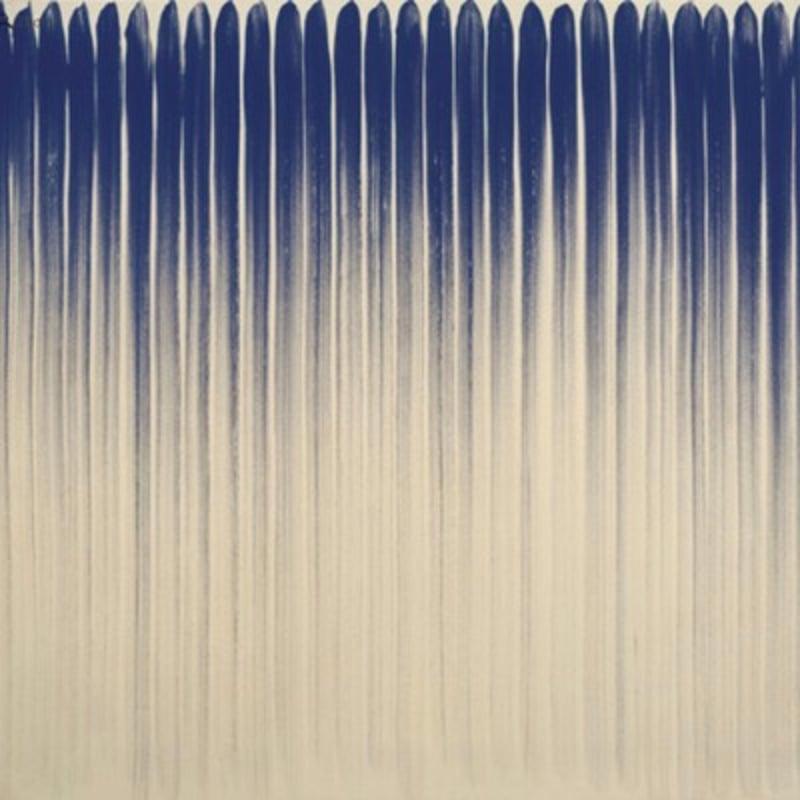
Meaning School of Things, Mono-ha originated in Tokyo in the mid-1960s. Instead of creating traditional artwork, the artists of Mono-ha used different materials and their natural properties to express dismay at the industrialization taking place in Japan at the time. The movement gained international attention and is now a widely respected form of art, known for its emphasis on the relationship between materials and their environment.

Readymade is the term coined by French artist Marcel Duchamp to describe artworks created from manufactured objects. Duchamp selected ordinary, functional items that he felt had visual indifference, turning them into art simply by choosing and presenting them in a new context. This concept challenged traditional notions of art and continues to influence artists who adopt similar approaches today.
Can't find your Answer?
Thank you! Your question has been sent — we'll get back to you shortly.
