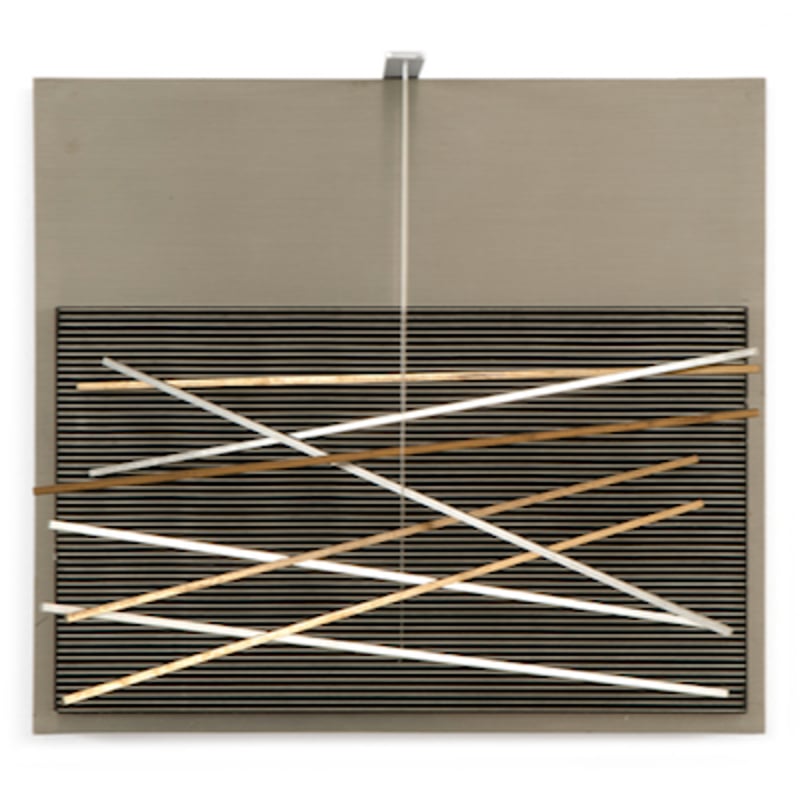
What is kinetic art?
- Show All
- Established
- Discoveries
- Show All
Artworks Related to Kinetic art
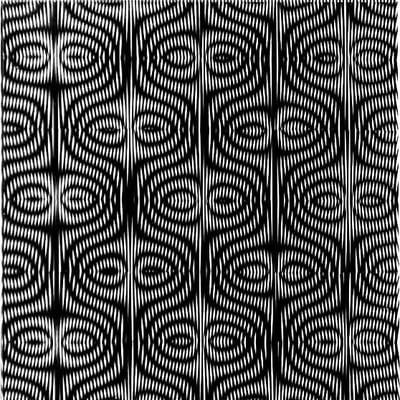
Ludwig Wilding
SBST 2838, 2000
Sculpture / Object
Object
EUR 1,500
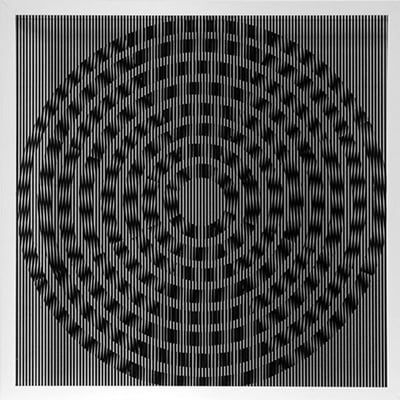
Ludwig Wilding
SBST 2823, 1993
Sculpture / Object
Object
EUR 1,500
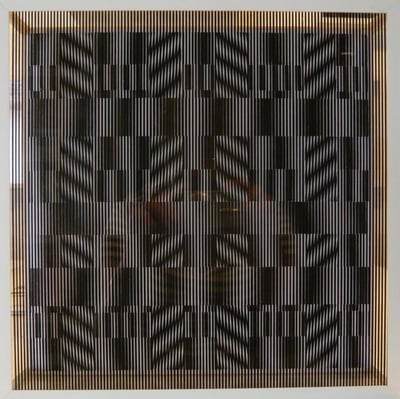
Ludwig Wilding
SB II, 1986
Sculpture / Object
Object
EUR 1,500
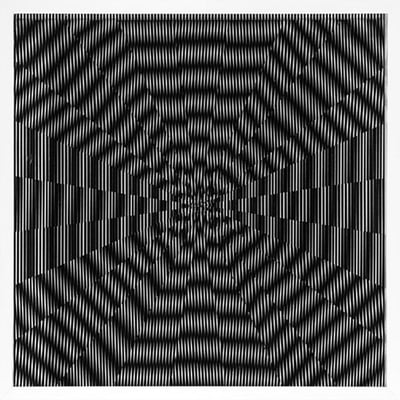
Ludwig Wilding
SBST 2818, 1986
Sculpture / Object
Object
EUR 1,500
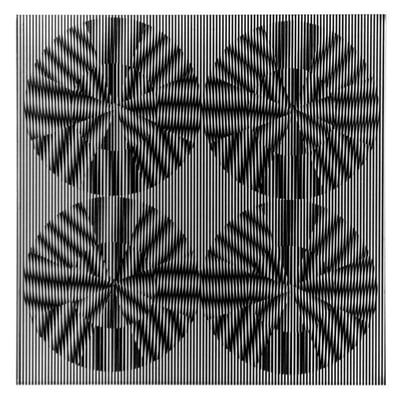
Ludwig Wilding
SBT 2835, 1998
Sculpture / Object
Object
EUR 1,500
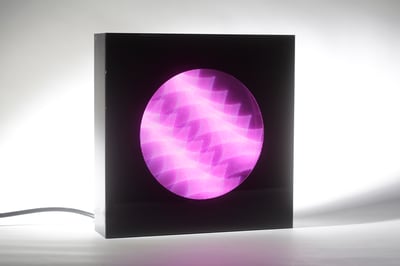
Horacio García Rossi
Boite à lumières, 2012
Sculpture / Object
Mixed Media
EUR 3,000
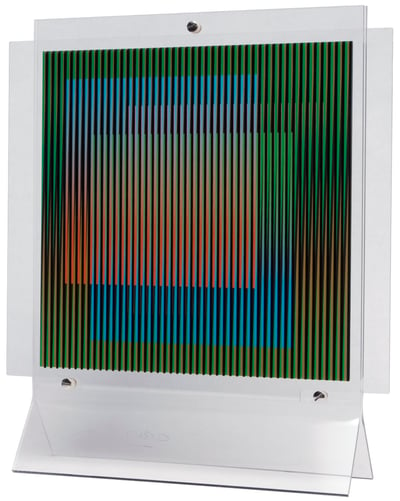
Carlos Cruz-Diez
chromointerference manipulable 2, 2011
Sculpture / Object
Mixed Media
EUR 9,000
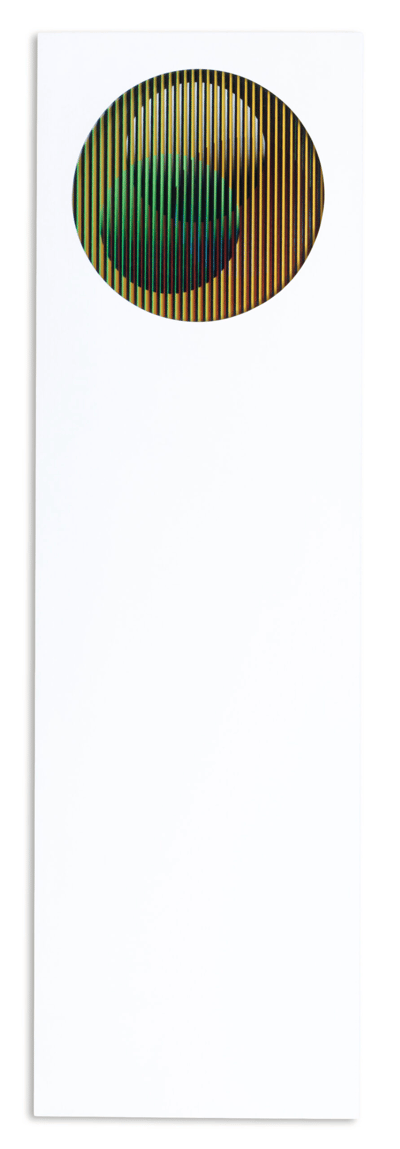
Carlos Cruz-Diez
chromointerference pancho 1, 2009
Sculpture / Object
Acrylic sculpture
EUR 7,500
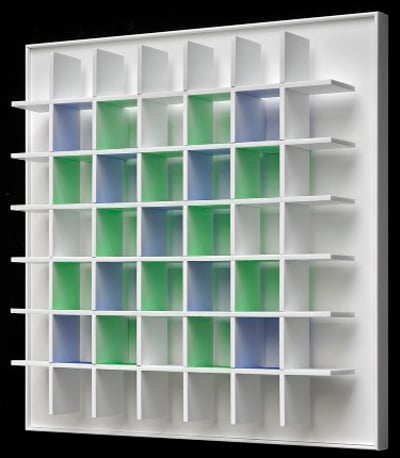
Luis Tomasello
Grille Chromoplastique c, 2012
Sculpture / Object
Acrylic sculpture
EUR 2,000
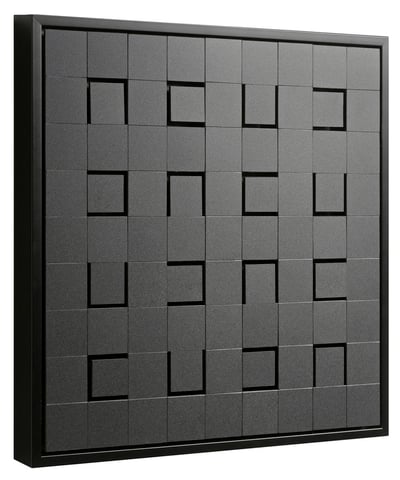
Luis Tomasello
Lumiere Noire, 2011
Sculpture / Object
Mixed Media
EUR 2,500
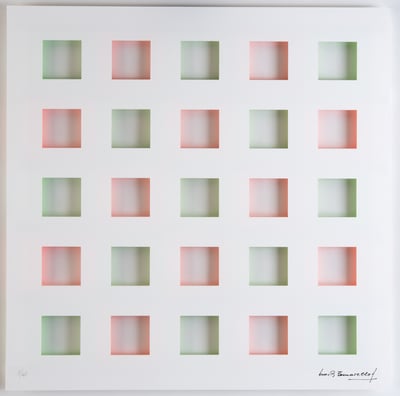
Luis Tomasello
ST 1, 2012
Sculpture / Object
Mixed Media
EUR 2,200
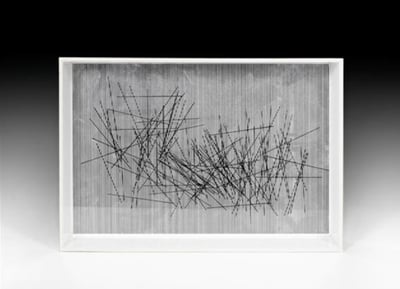
Rafael Jesus Soto
Vibrations, 1967
Sculpture / Object
Acrylic sculpture
EUR 9,200
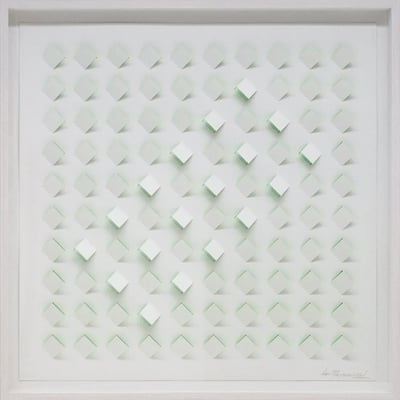
Luis Tomasello
S/T 4 - Verde , 2013
Limited Edition Print
Lithograph
EUR 3,000
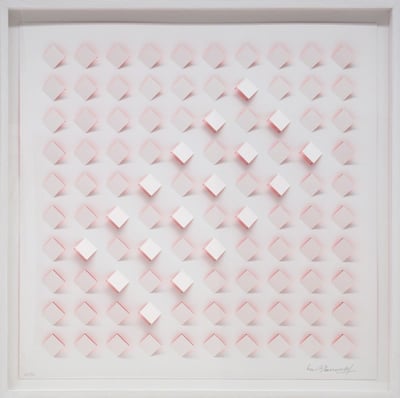
Luis Tomasello
S/T 4 - Rosa , 2013
Limited Edition Print
Lithograph
EUR 3,000
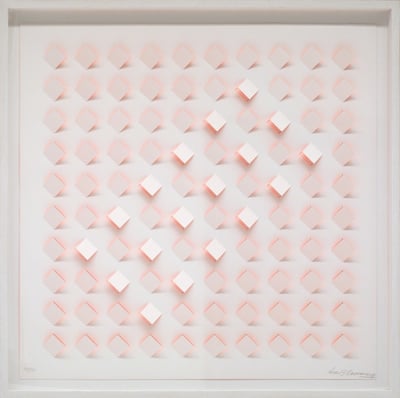
Luis Tomasello
S/T 4 - Naranja , 2013
Limited Edition Print
Lithograph
EUR 3,000
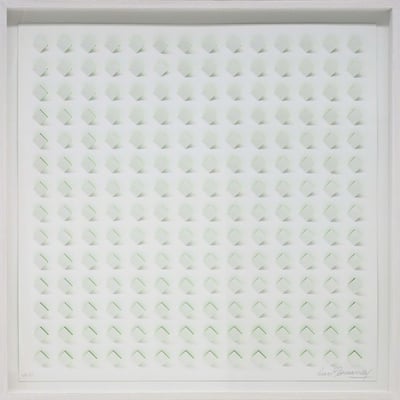
Luis Tomasello
S/T 3 - Verde, 2013
Limited Edition Print
Lithograph
EUR 3,000
Related Articles

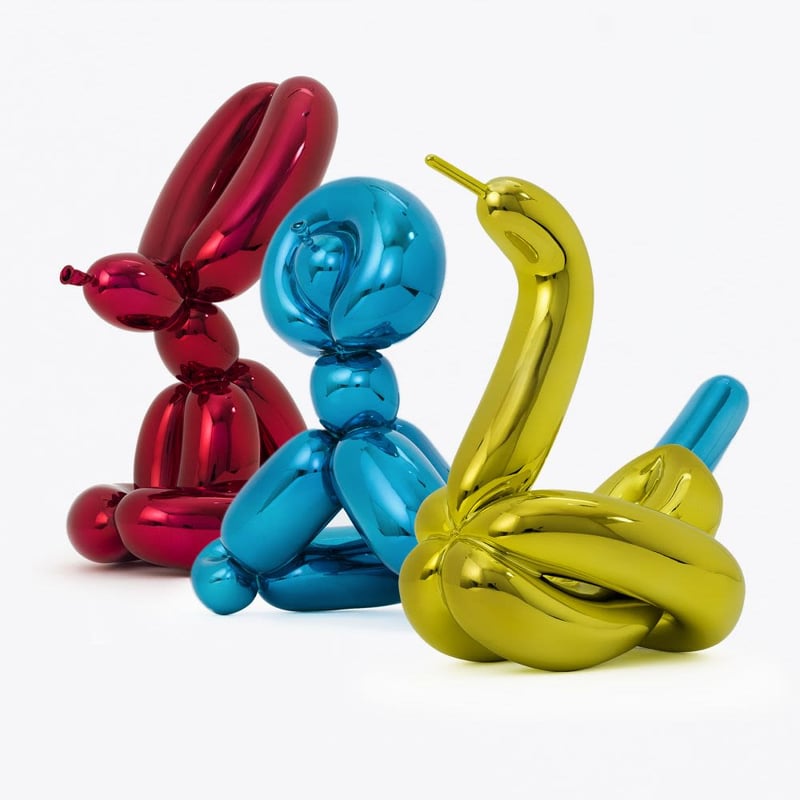
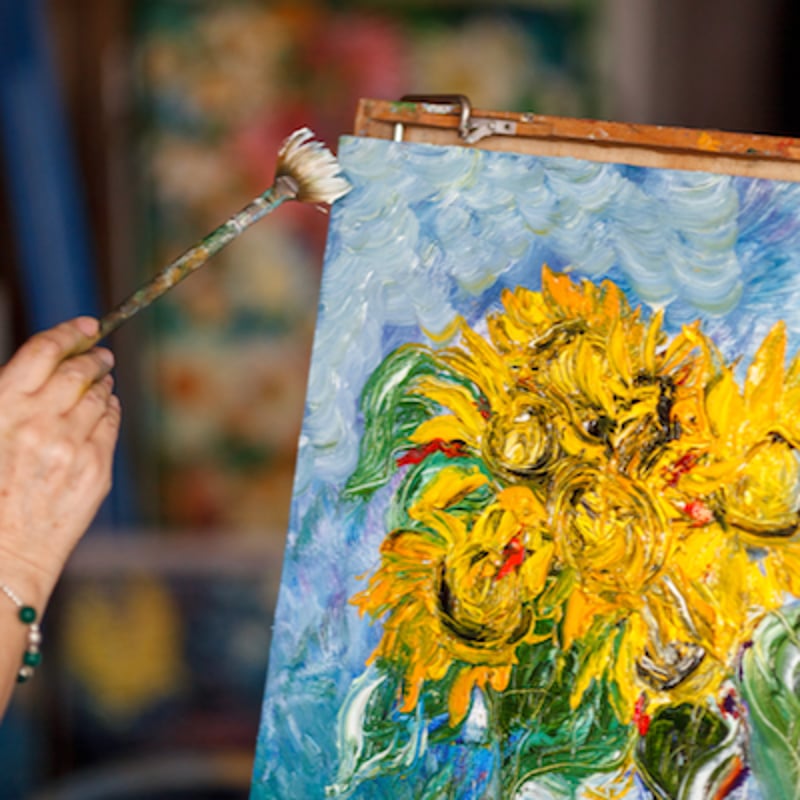
Oil paint is a slow-drying type of paint made from pigment particles suspended in a drying oil, typically linseed oil. The viscosity of the paint can be adjusted by adding a solvent like turpentine, and varnish can be added to increase the glossiness of the dried paint film. Oil painting has been used since the 12th century in Europe, initially for decoration, but it was not widely adopted as a primary painting medium until the 15th century.
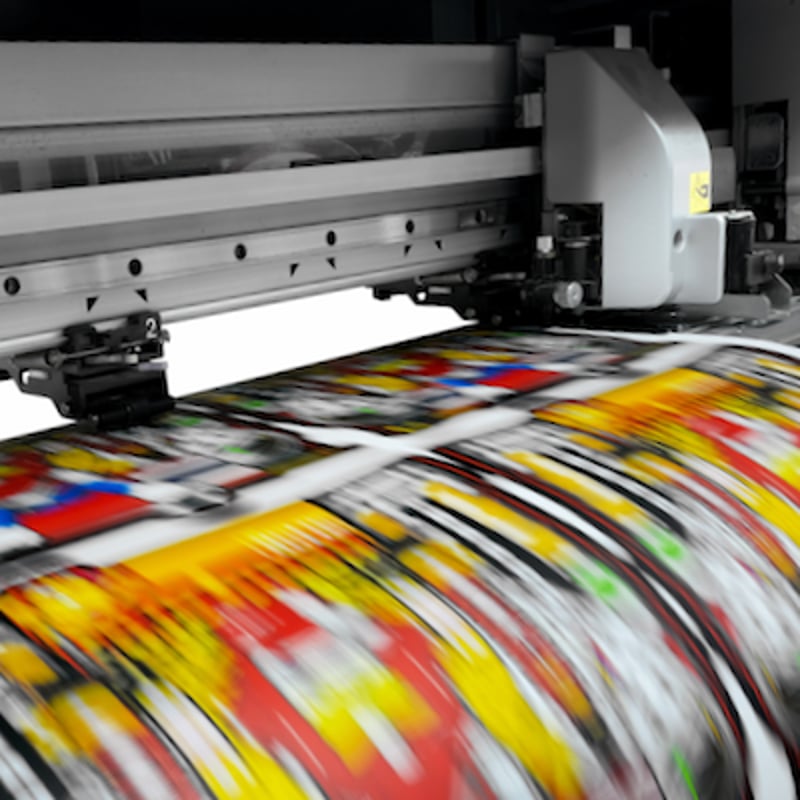
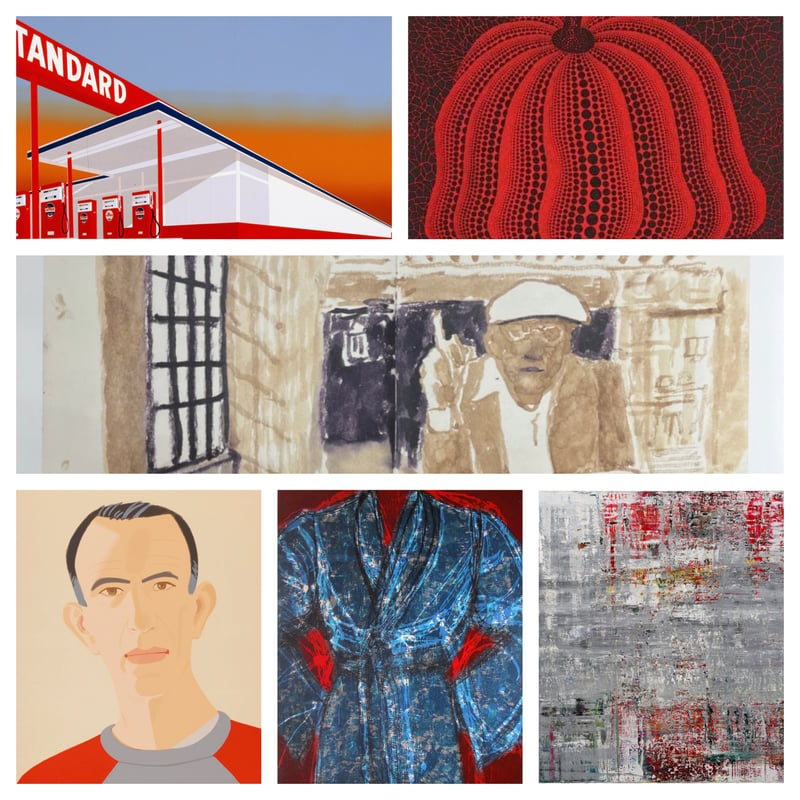
Computer printing involves using computer technology to reproduce fine art images as prints. In its basic form, this means creating digital versions of artwork that are printed onto paper. More advanced techniques allow artists to program computers to generate original art, which is then printed using various printing technologies.
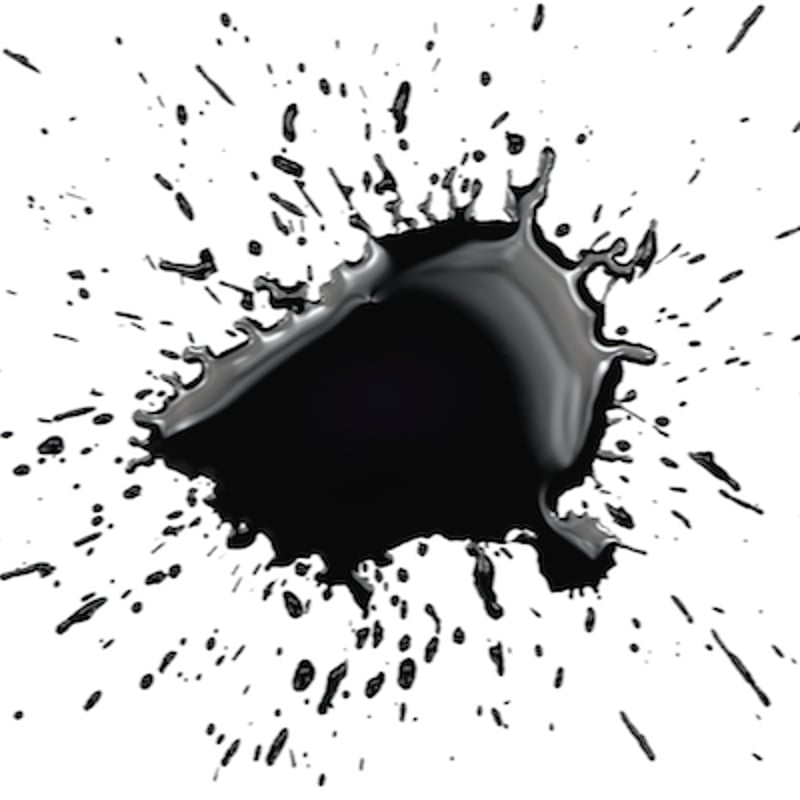
India ink is a medium made from fine soot, known as lampblack, combined with water and a binder, usually shellac, to create a black, waterproof ink. It has been used in India since the 4th century BC. Artists use India ink for writing, drawing, and painting due to its deep black color and permanence.
Can't find your Answer?
Thank you! Your question has been sent — we'll get back to you shortly.
