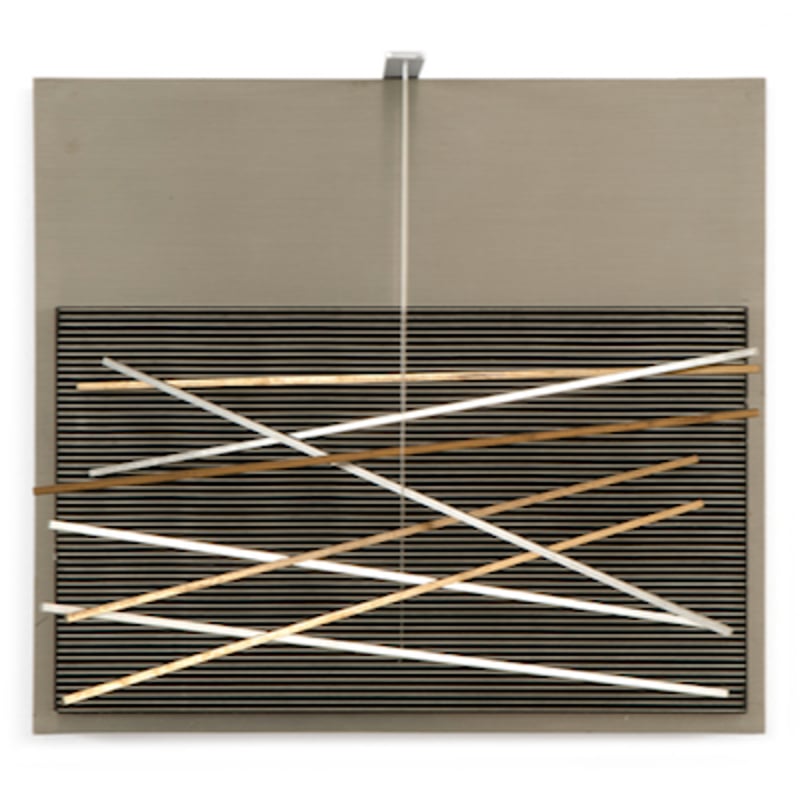
What is kinetic art?
- Show All
- Established
- Discoveries
- Show All
Artworks Related to Kinetic art
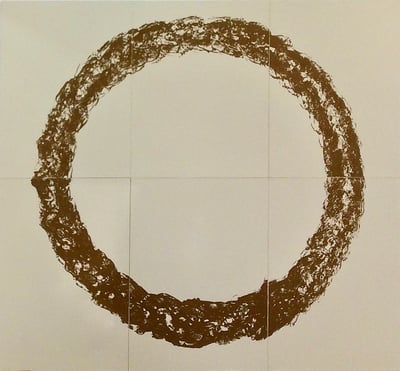
Gunther Uecker
Ouroboros (natural sand), 2018
Limited Edition Print
Screen-print
EUR 22,000
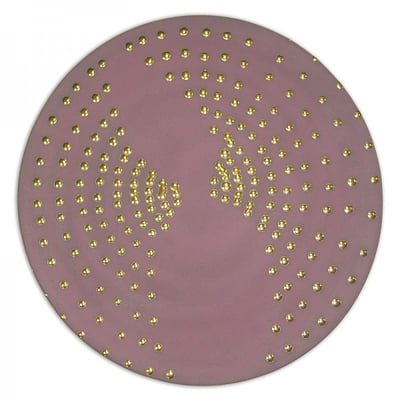
Otto Piene
Rastersonne, 2009
Ceramics
Mixed Media
Currently Not Available
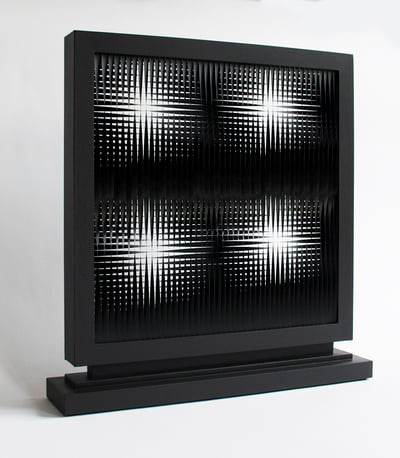
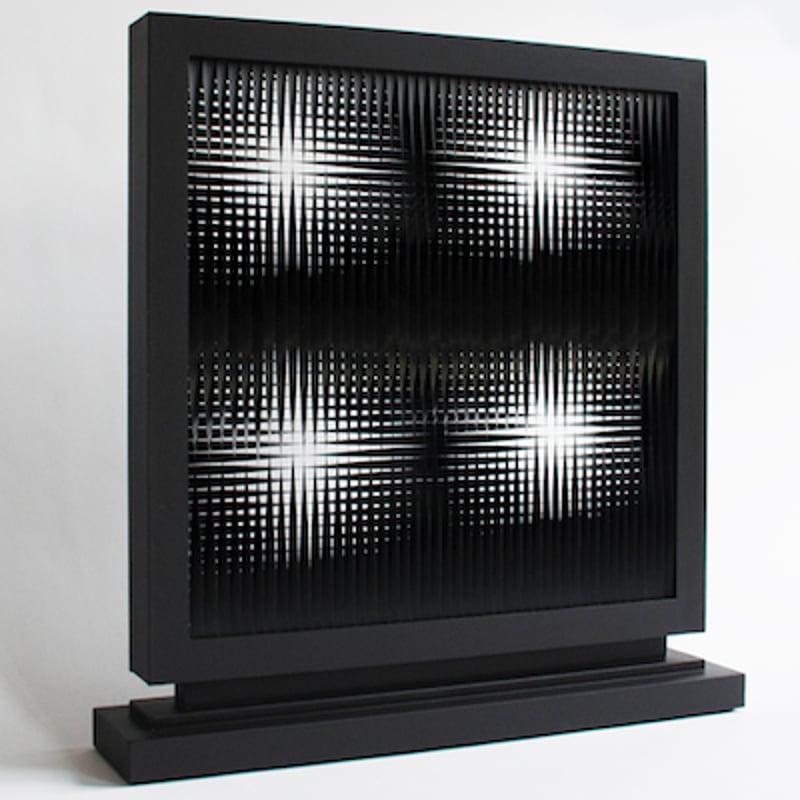
Alberto Biasi
Torsioni Sovrapposte Noir, 2017
Sculpture / Object
Mixed Media
EUR 3,000
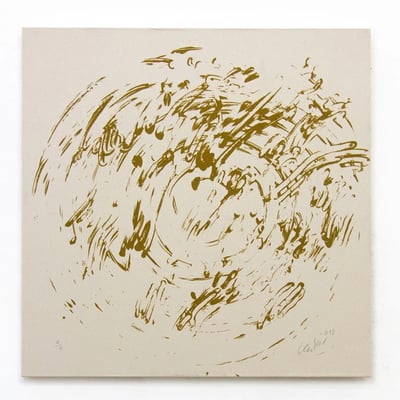
Gunther Uecker
Ouroboros #11, 2018
Limited Edition Print
Sand
EUR 8,000
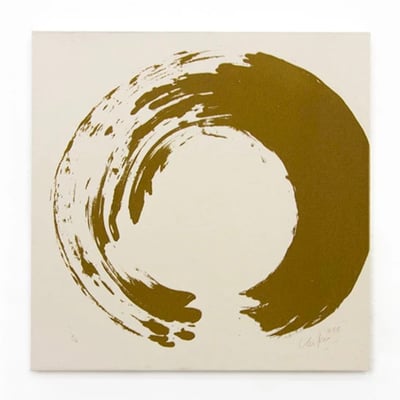
Gunther Uecker
Ouroboros #10, 2018
Limited Edition Print
Sand
EUR 8,000
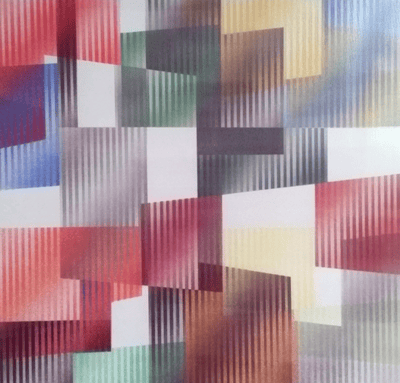
Yaacov Agam
Geometric 3 Agam, c. 1975-1980
Limited Edition Print
Screen-print
EUR 2,900
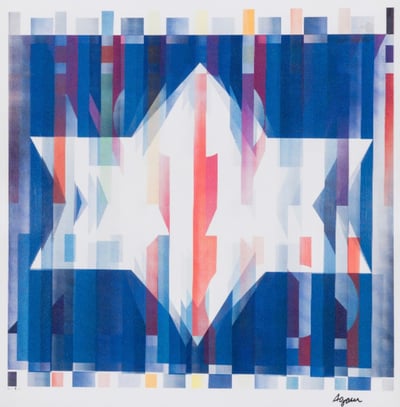
Yaacov Agam
Star of Hope, Agamograph, 1975
Limited Edition Print
Screen-print
EUR 2,800
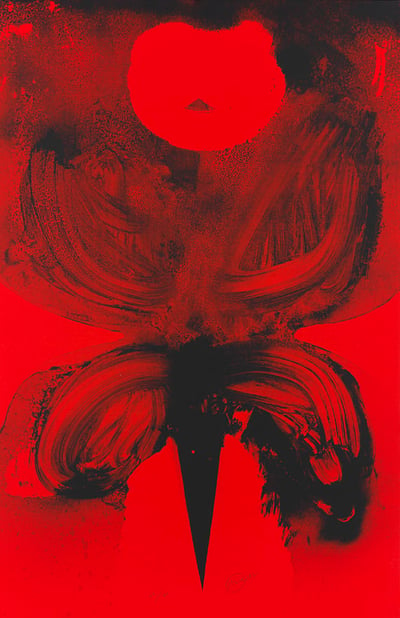
Otto Piene
Addis Abeba 8, 1972
Limited Edition Print
Screen-print
EUR 3,200
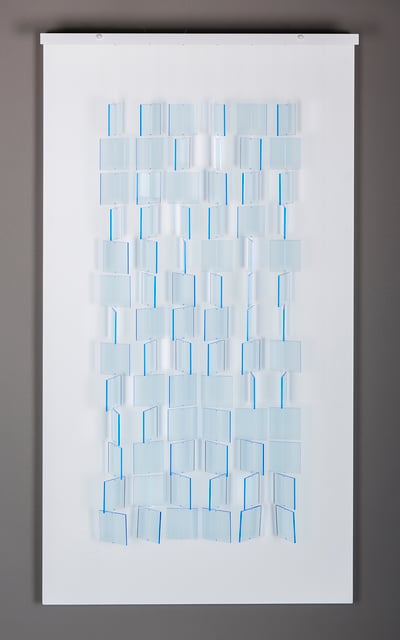
Julio Le Parc
Mobile Translucide Bleu, 2017
Sculpture / Object
Mixed Media
EUR 15,000

Chris Burden
Can not do nails, 1974
Photography
Lithograph
USD 11,300
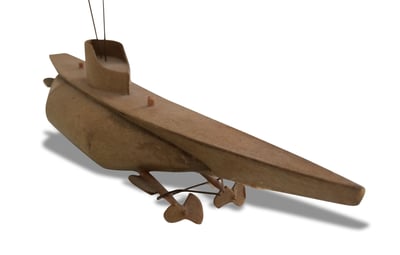
Chris Burden
Submarine, 1987
Sculpture / Object
Mixed Media
USD 4,850
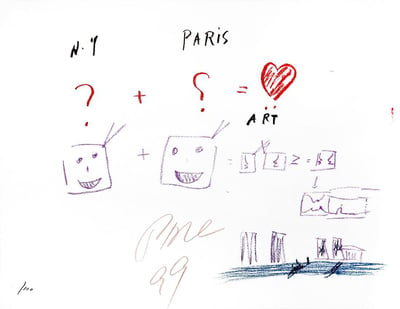
Nam June Paik
NY + Paris = Art, 1999
Limited Edition Print
Lithograph
Currently Not Available
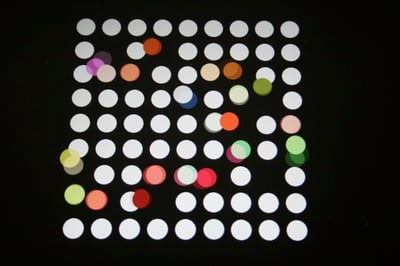
Yaacov Agam
Tactile painting, 2013
Digital Art
Mixed Media
EUR 3,000
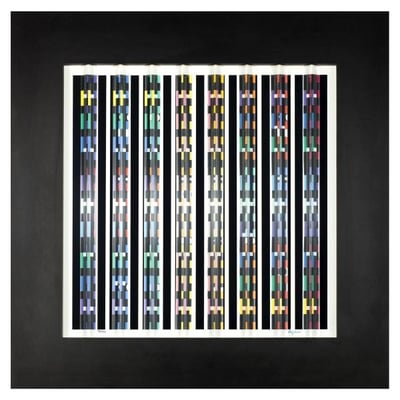
Yaacov Agam
Night-Lights Prismagraph, 1991
Limited Edition Print
Mixed Media
EUR 5,900
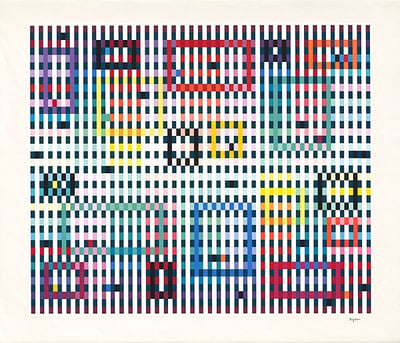
Yaacov Agam
Magic Raindrops II, 1990
Limited Edition Print
Silkscreen
Currently Not Available
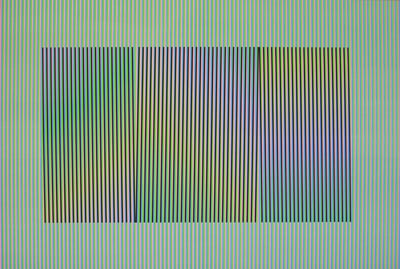
Carlos Cruz-Diez
Inducción Cromática a doble frecuencia Toledo., 2017
Limited Edition Print
Lithograph
Currently Not Available
Related Articles


Interactive art is a form of art where the spectator is actively involved by the artist to achieve the artwork's purpose. This involvement can include allowing the visitor to walk around, in, or on the art installation, or even becoming a part of the artwork itself. Works in this category often feature computers, sensors, and interfaces that respond to various inputs such as meteorological changes, heat, motion, or other types of data programmed by the artist.

Video art is an art form that uses video and audio data, primarily featuring moving images. It emerged in the late 1960s and early 1970s with the advent of new technology and consumer video equipment that became accessible beyond corporate broadcasting. Video art can take many forms, including broadcast recordings, installations in museums or galleries, online streamed works, videotapes, and performances incorporating video monitors, television sets, or projections that display live or recorded sounds and images.

Digital art refers to art which is created using digital technology. It can be generated by computer, drawn or scanned with a tablet using a mouse. Video may be downloaded to computers so artists can manipulate images filmed with a video camera.
Can't find your Answer?
Thank you! Your question has been sent — we'll get back to you shortly.
