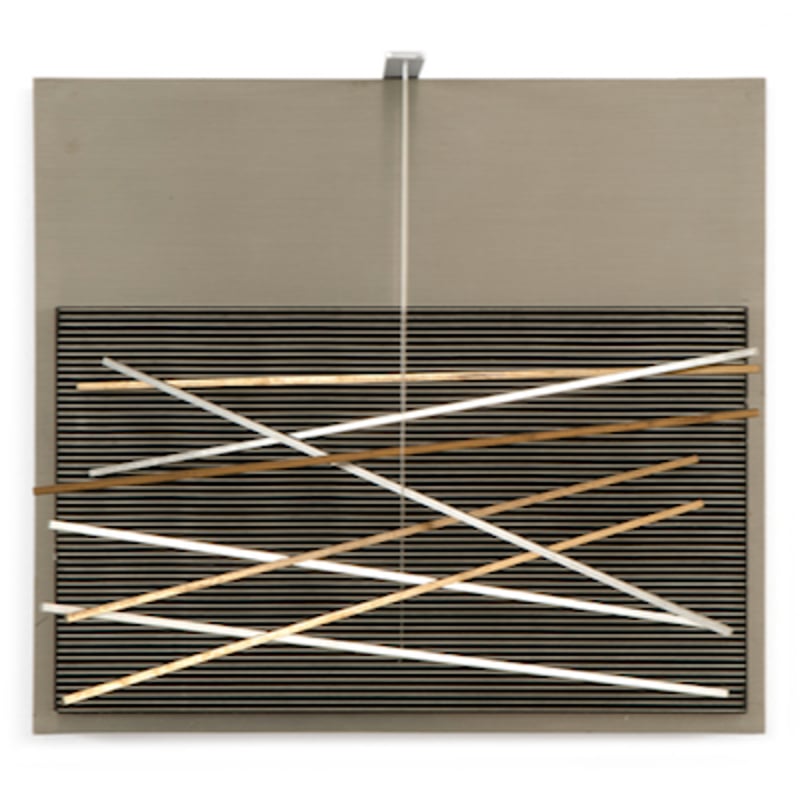
What is kinetic art?
- Show All
- Established
- Discoveries
- Show All
Artworks Related to Kinetic art
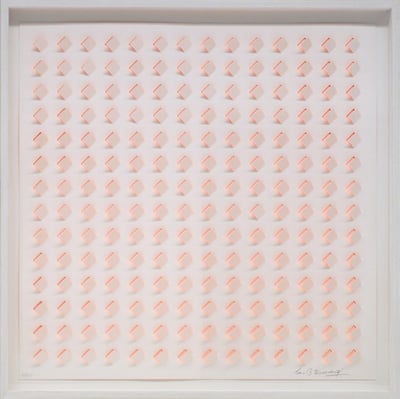
Luis Tomasello
S/T 3 - Naranja, 2013
Limited Edition Print
Lithograph
EUR 3,000
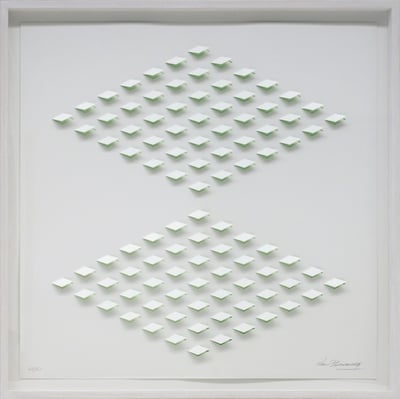
Luis Tomasello
S/T 2 - Verde, 2013
Limited Edition Print
Lithograph
EUR 3,000
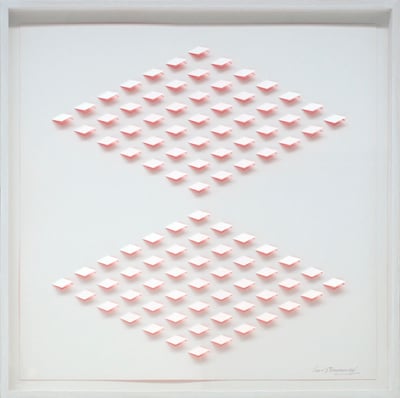
Luis Tomasello
S/T 2 - Rosa, 2013
Limited Edition Print
Lithograph
EUR 3,000
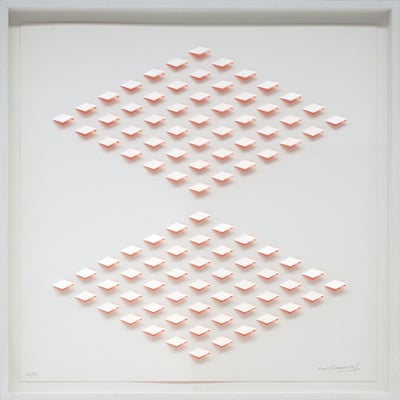
Luis Tomasello
S/T 2 - Naranja , 2013
Limited Edition Print
Lithograph
EUR 3,000

Luis Tomasello
S/T 1 - Rosa , 2013
Limited Edition Print
Lithograph
EUR 3,000

Luis Tomasello
S/T 1 - Naranja , 2013
Limited Edition Print
Lithograph
EUR 3,000
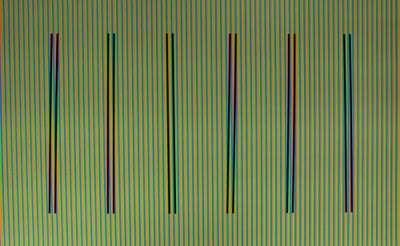
Carlos Cruz-Diez
Couleur à l'Espace Olot, 2014
Limited Edition Print
Lithograph
Currently Not Available
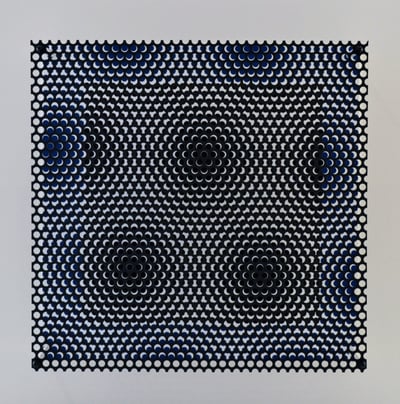
Antonio Asis
Vibration Carré Noir et Bleu, 2012
Sculpture / Object
Mixed Media
EUR 3,000
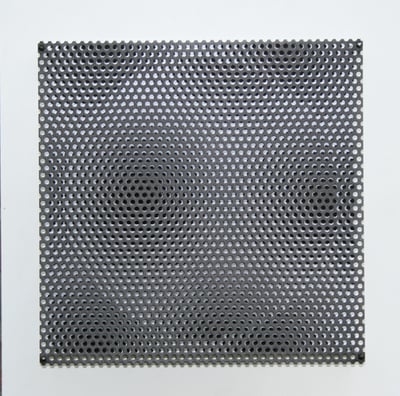
Antonio Asis
vibration grand cercle, 2010
Sculpture / Object
Mixed Media
EUR 3,000
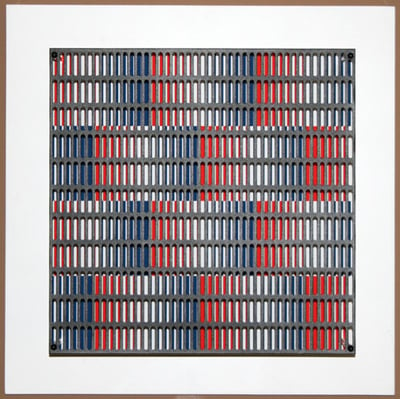
Antonio Asis
vibration bandes bleus et rouges, 2010
Sculpture / Object
Mixed Media
EUR 3,000
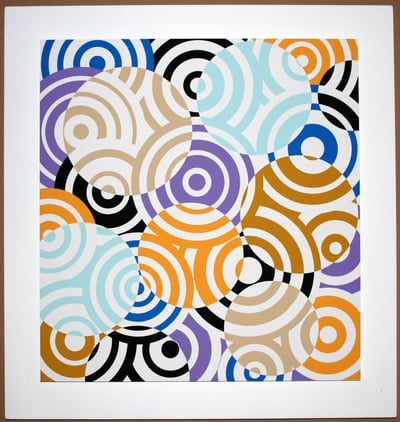
Antonio Asis
interferences cercles de couleurs, 2010
Limited Edition Print
Mixed Media
EUR 2,200
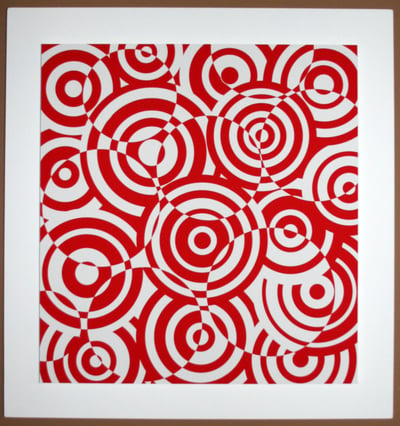
Antonio Asis
interferences cercles rouge et blanc, 2010
Limited Edition Print
Mixed Media
EUR 2,200
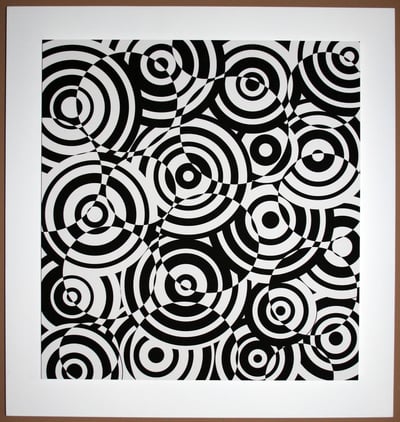
Antonio Asis
interferences cercles noir et blanc, 2010
Limited Edition Print
Mixed Media
EUR 2,200
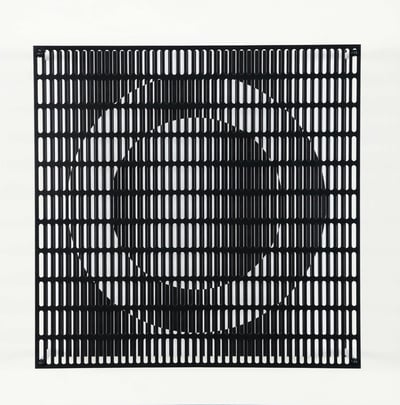
Antonio Asis
vibration cercles noir et blanc, 2010
Sculpture / Object
Mixed Media
EUR 3,000
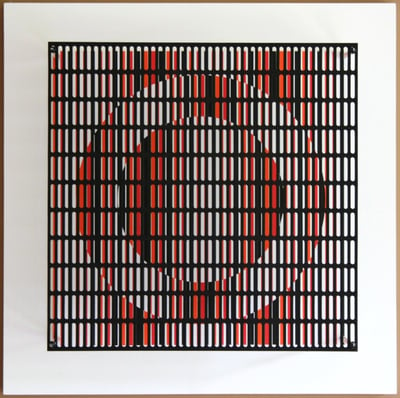
Antonio Asis
vibration cercles noir, orange et rouge, 2010
Sculpture / Object
Mixed Media
EUR 3,000
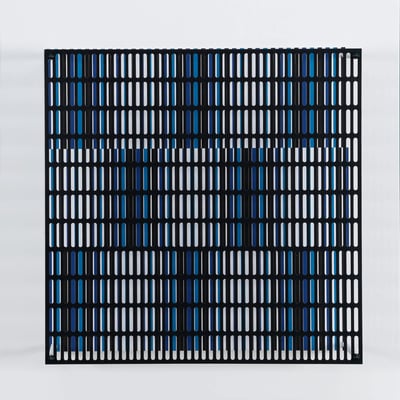
Antonio Asis
Vibration bandes noir, bleu et turquoise, 2010
Sculpture / Object
Mixed Media
EUR 3,000
Related Articles



Appropriation in art involves using pre-existing images or objects with little or no modification. This technique has played a significant role across various art forms, including visual arts, music, performance, and literature. In visual arts, appropriation refers to the practice of adopting, sampling, recycling, or borrowing elements—or even entire forms—of existing visual culture, integrating them into new works to create meaning or critique.
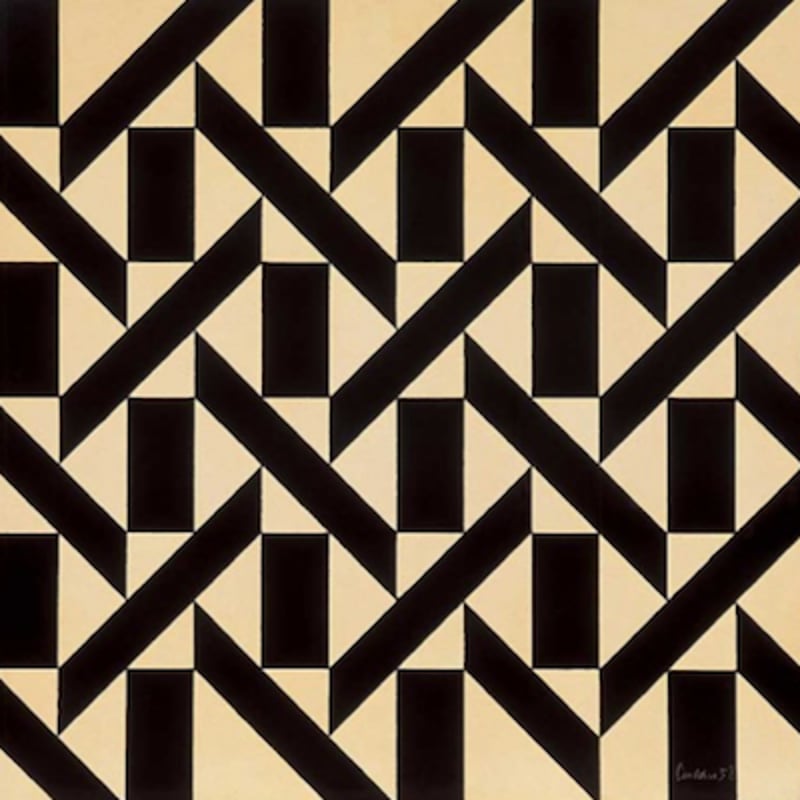
Grupo Ruptura was an organization formed in Brazil by artists who sought to break away from traditional naturalist painting in favor of geometric abstract art. In the early 1950s, the group published the Ruptura Manifesto, advocating for new art for a new country. The manifesto emphasized a departure from the past and a commitment to innovation, aligning with the modernist vision of Brazil as a forward-looking nation.
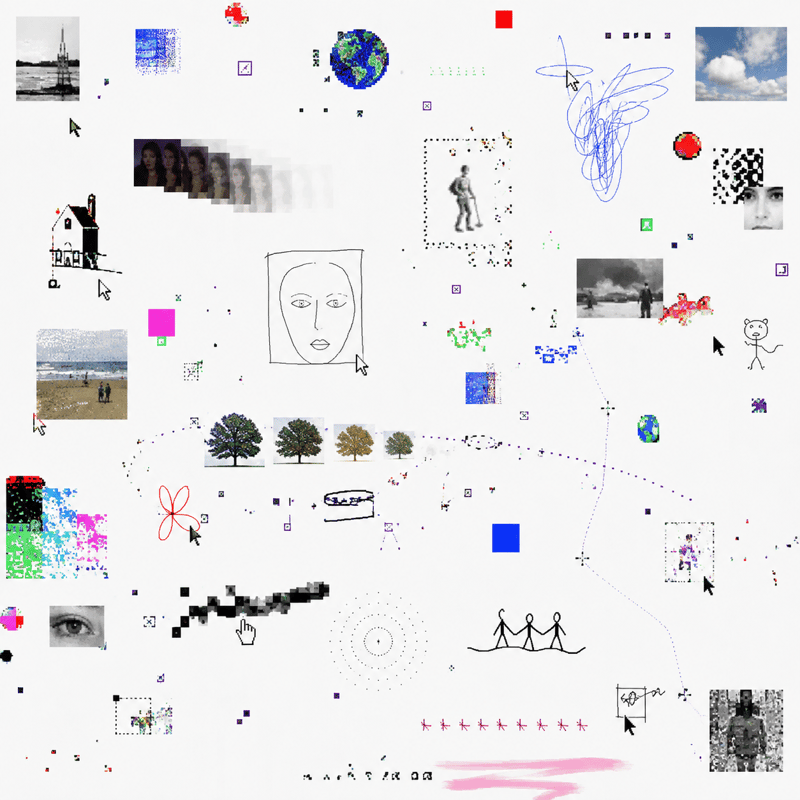
Net Art is art created on the internet, specifically for the internet. Artists who create it use computers to generate imagery, exhibit art online, or build programs that produce unique artworks. Since the 1990s, the movement has been considered subversive because it transcends geographic boundaries and defies traditional art norms, challenging conventional ideas of where and how art should be experienced.
Can't find your Answer?
Thank you! Your question has been sent — we'll get back to you shortly.
