
What is Hard Edge Art?
- Show All
- Established
- Discoveries
- Show All
Artworks Related to Hard Edge art
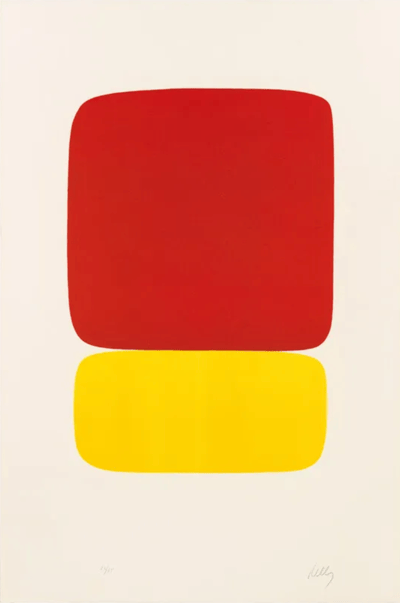
Ellsworth Kelly
Red Over Yellow, 1964-1965
Limited Edition Print
Lithograph
Inquire For Price

Victor Vasarely
Gordes Gestalt, 1948
Limited Edition Print
Etching
EUR 1,500
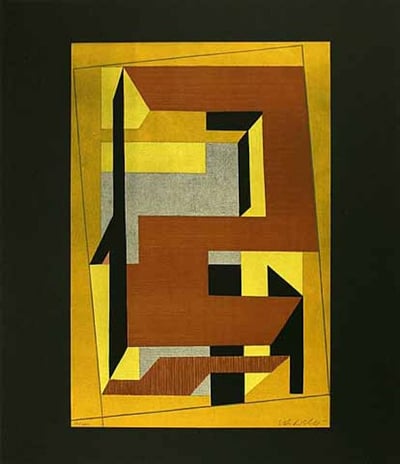
Victor Vasarely
Gordes Taira, 1971
Limited Edition Print
Lithograph
EUR 1,500
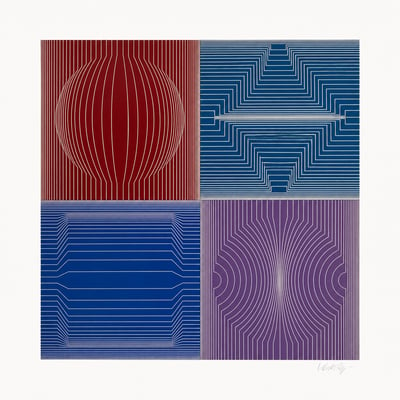
Victor Vasarely
La Certa, 1981
Limited Edition Print
Screen-print
EUR 1,400
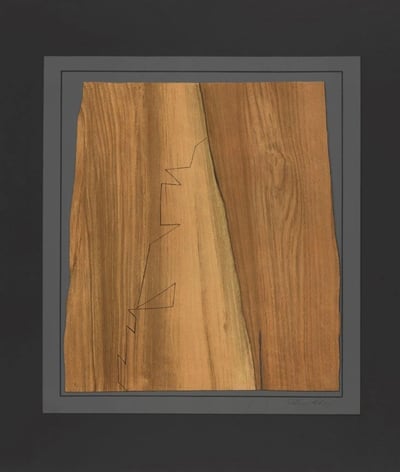
Victor Vasarely
Gordes Tabor, 1971
Limited Edition Print
Lithograph
EUR 1,400
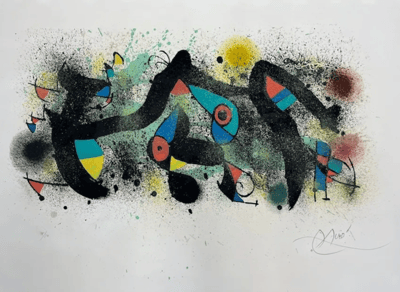
Joan Miró
Cerámicas de Miró y Artigas, 1974
Limited Edition Print
Lithograph
EUR 7,800
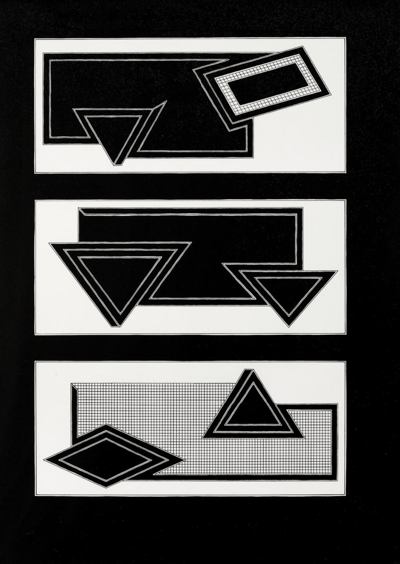
Frank Stella
Black Stack, 1970
Limited Edition Print
Lithograph
USD 3,750
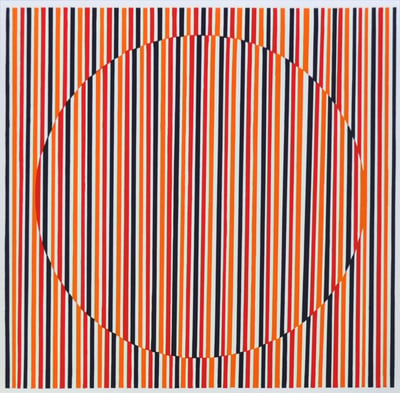
Antonio Asis
ST3, 2013
Limited Edition Print
Lithograph
EUR 1,800
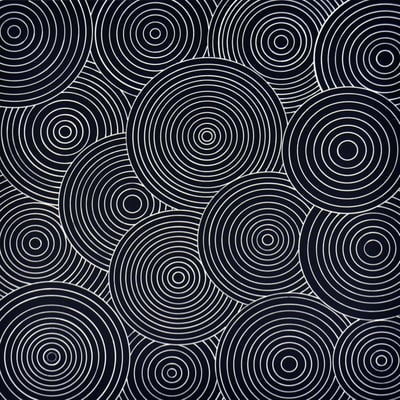
Antonio Asis
ST5, 2013
Limited Edition Print
Lithograph
EUR 1,800
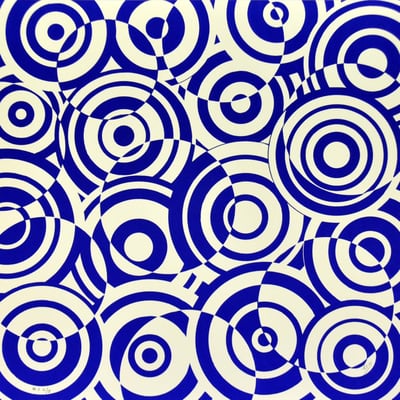
Antonio Asis
ST2, 2013
Limited Edition Print
Lithograph
EUR 1,800
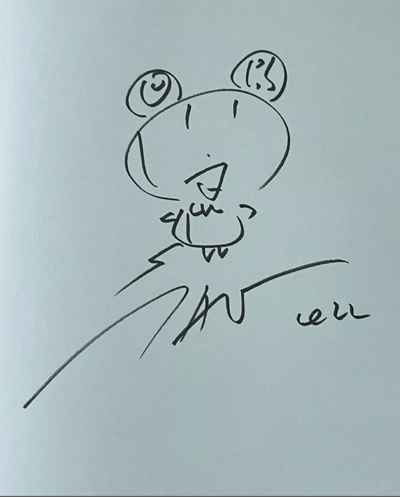
Takashi Murakami
Mr DOB, 2022
Drawing / Watercolor
Ink
GBP 15,000 - 19,500
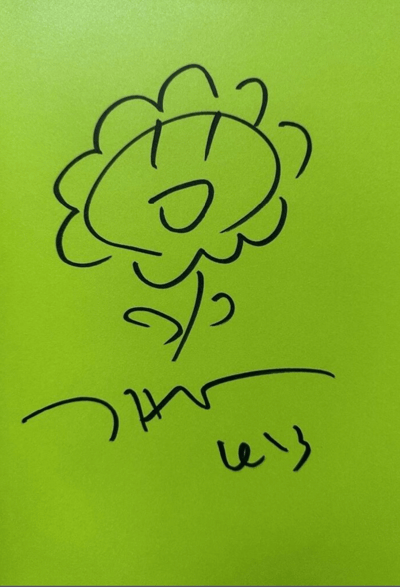
Takashi Murakami
Untitiled (Mr DOB), 2023
Drawing / Watercolor
Ink
GBP 17,500 - 22,700
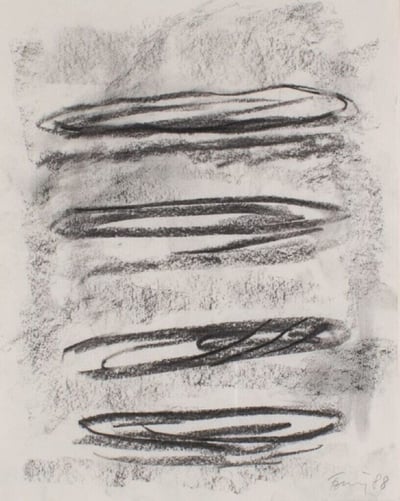
Gunther Forg
Untitled, 1988
Drawing / Watercolor
Charcoal
Inquire For Price

Bridget Riley
Green Dominance, Blue Dominance, Red Dominance (set of 3), 1077
Limited Edition Print
Screen-print
Inquire For Price
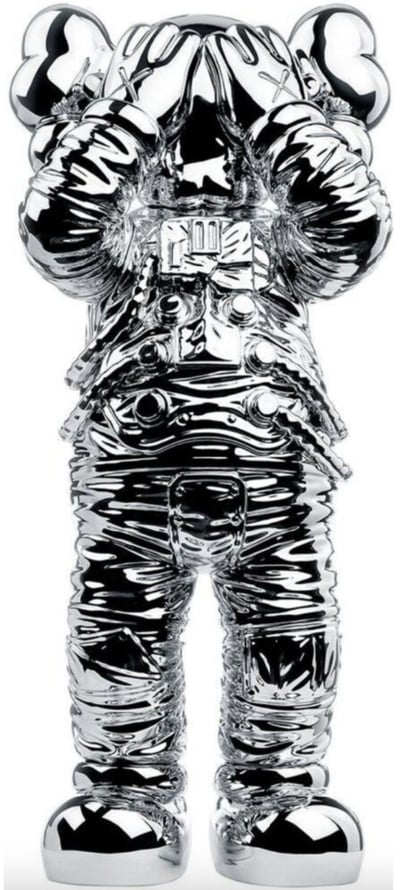
KAWS
Holiday Space: 11.5, 2020
Sculpture / Object
Mixed Media
GBP 3,500

Bridget Riley
Cherub, 2020
Limited Edition Print
Screen-print
GBP 7,000 - 9,100
Related Articles
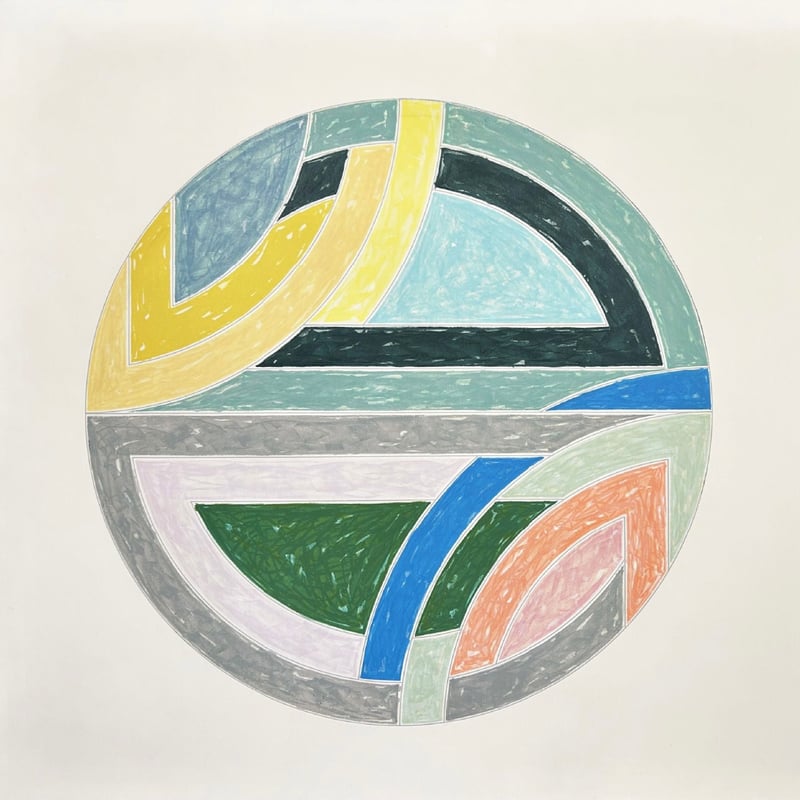
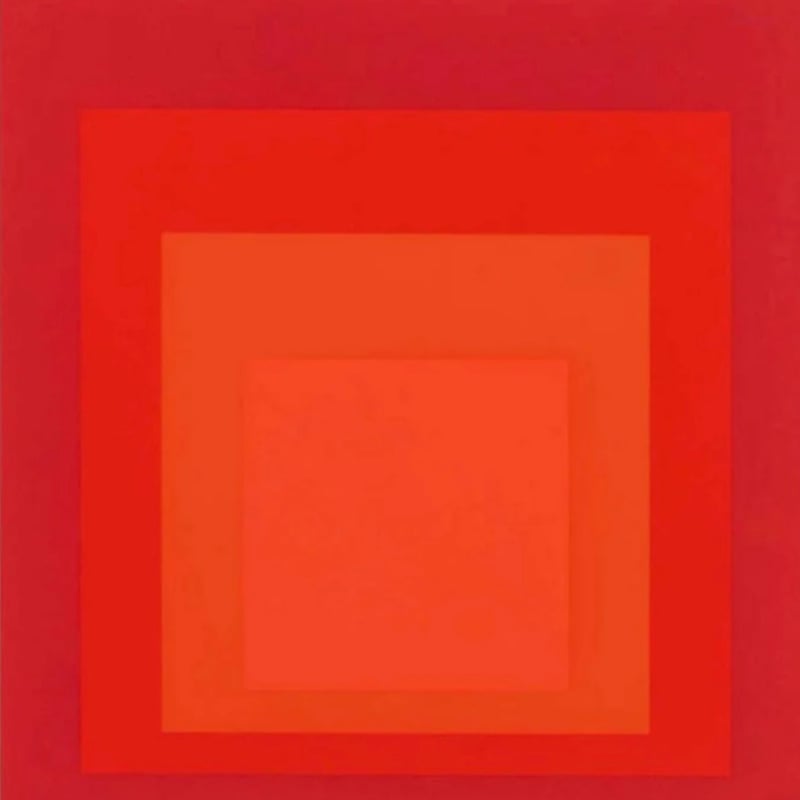


Monochromatic describes paintings, photographs, designs, or drawings that utilize one color or various shades of a single color. Monochromatic objects have a limited range of hues. While the term often refers to black and white or grayscale images, it can also apply to any artwork that contains tones of just one color.
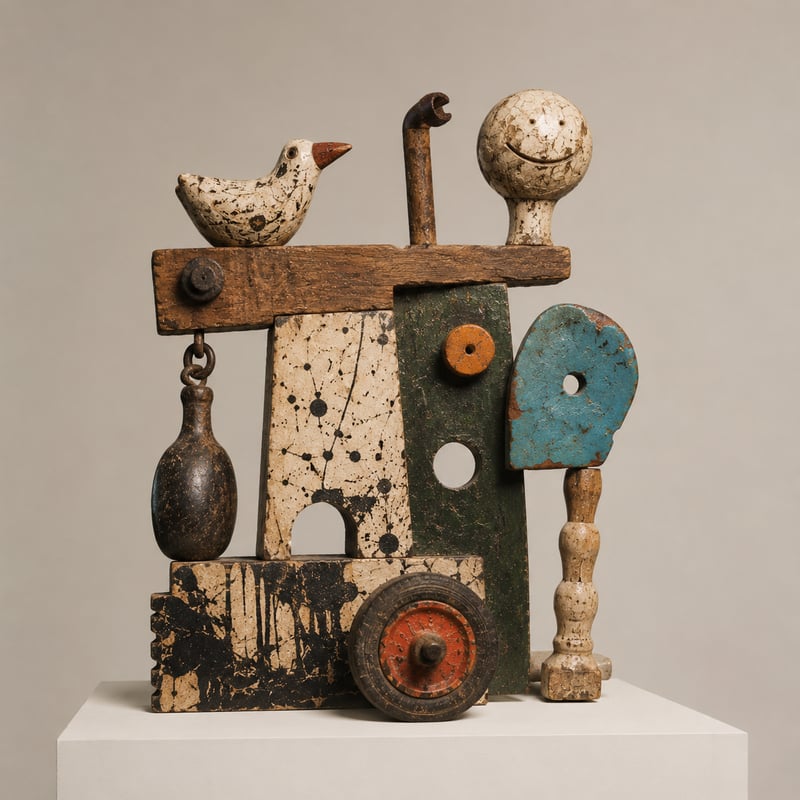
In the 1960s, Funk Art emerged as a reactive movement against Abstract Expressionism. It was widely known as an anti-establishment movement, with the name derived from the jazz term funky. This term carried both positive and negative connotations: in the jazz world, it described passion, quirkiness, and sensuality, but it could also refer to a foul odor. Funk Art was particularly popular in the California Bay Area. While the artists of the Funk Art era shared similar attitudes and styles, they did not see themselves as part of a formal group or movement.
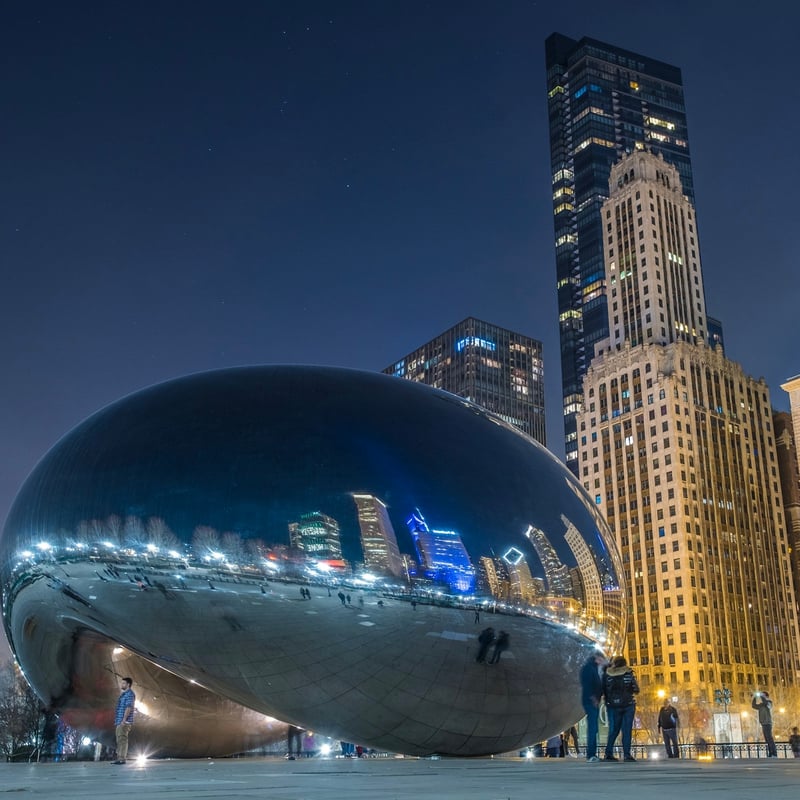
New British Sculpture is the name referring to the work produced by a group of sculptors, installation artists, and other creators who exhibited together in London during the 1980s. This group included artists like Richard Deacon, Richard Wentworth, and Tony Cragg. Tim Woods helped define this movement by identifying four major themes: the blending of kitsch and pop culture, the use of UK urban waste in a bricolage style, the assignment of new meanings to everyday objects, and a playful approach using wit and humor.
Can't find your Answer?
Thank you! Your question has been sent — we'll get back to you shortly.
