
What is Hard Edge Art?
- Show All
- Established
- Discoveries
- Show All
Artworks Related to Hard Edge art
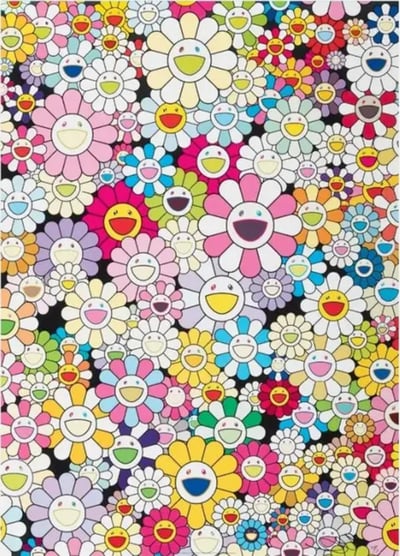
Takashi Murakami
Homage to Yves Klein, Multicolor A, 2012
Limited Edition Print
Offset Print
GBP 2,750 - 3,500
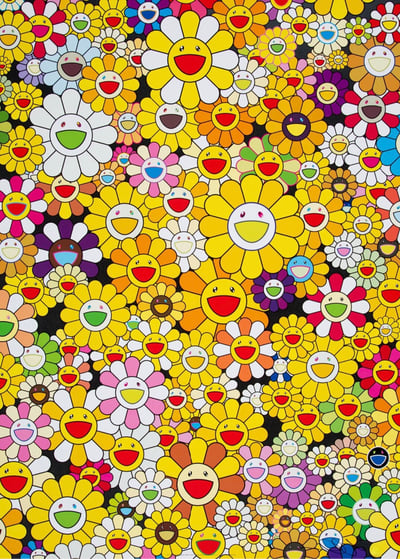
Takashi Murakami
An Homage to Monogold, 1960 A, 2012
Limited Edition Print
Offset Print
GBP 2,250 - 2,900
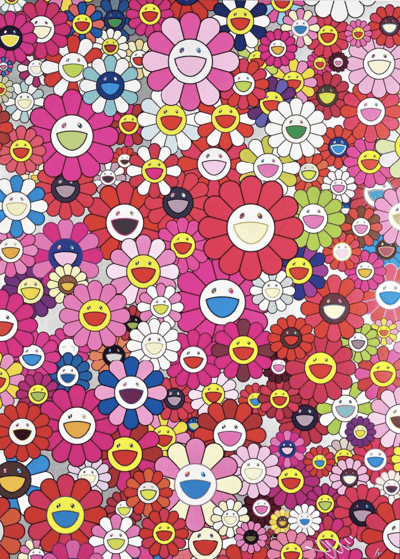
Takashi Murakami
Homage to Monopink, 1960 A, 2012
Limited Edition Print
Offset Print
GBP 2,250 - 2,900
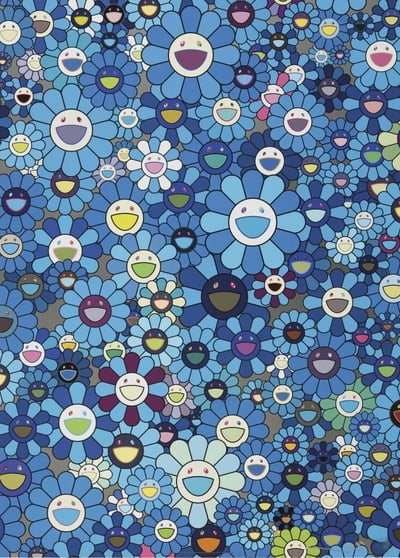
Takashi Murakami
An Homage to IKB, 1957 A, 2012
Limited Edition Print
Offset Print
GBP 2,500 - 3,200
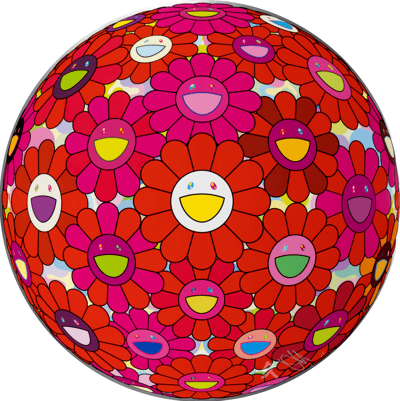
Takashi Murakami
Flowers of Gratitude, 2022
Limited Edition Print
Lithograph
GBP 1,800
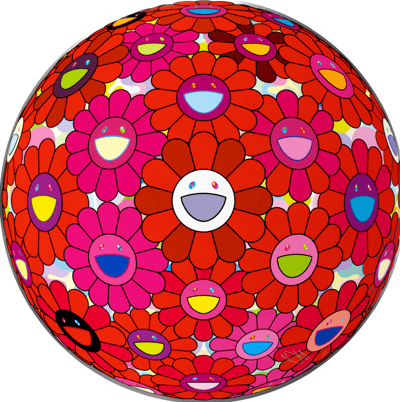
Takashi Murakami
Inside the Soul, 2022
Limited Edition Print
Offset Print
GBP 1,800
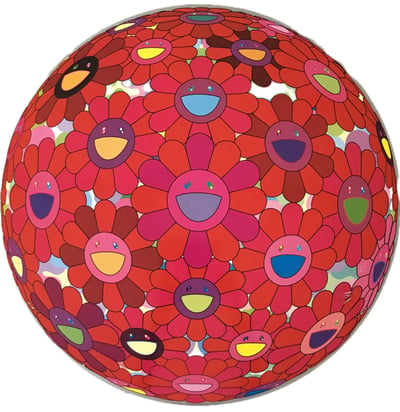
Takashi Murakami
Let Us Devote Our Hearts, 2022
Limited Edition Print
Offset Print
GBP 1,700
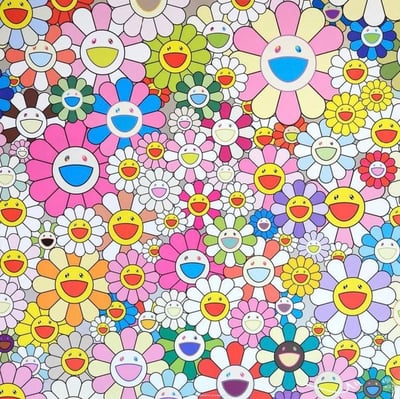
Takashi Murakami
Flower Smile, 2011
Limited Edition Print
Offset Print
GBP 3,000 - 4,000
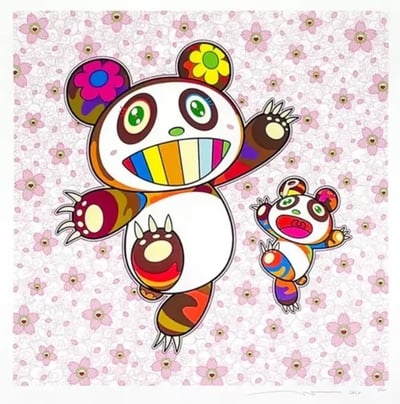
Takashi Murakami
Panda Mother and Baby in a Flurry of Cherry Blossom Petals, 2024
Limited Edition Print
Silkscreen
GBP 4,000 - 5,800
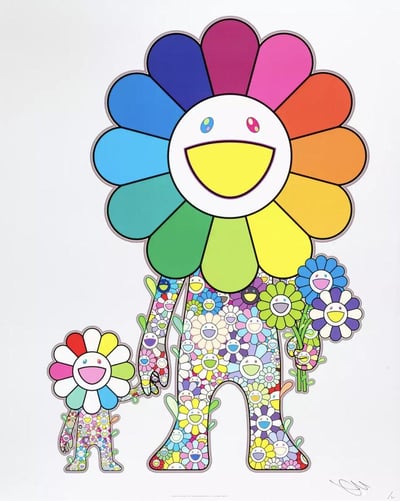
Takashi Murakami
Flower Parent and Child, 2021
Limited Edition Print
Offset Print
GBP 3,000 - 4,500
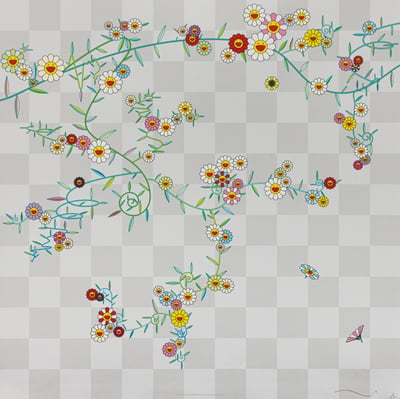
Takashi Murakami
CUBE 2, 2001
Limited Edition Print
Offset Print
GBP 1,950 - 2,500
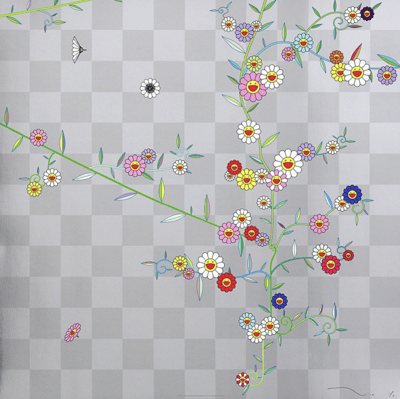
Takashi Murakami
Cosmos, 2000
Limited Edition Print
Offset Print
GBP 1,950 - 2,500
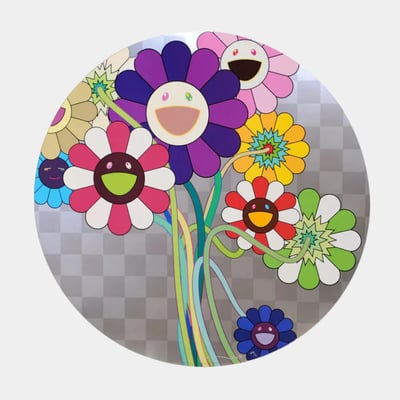
Takashi Murakami
Purple Flowers in a Bouquet, 2010
Limited Edition Print
Offset Print
GBP 1,950 - 2,500
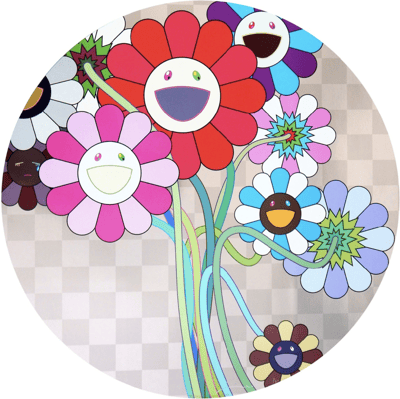
Takashi Murakami
Warhol/Silver, 2009
Limited Edition Print
Offset Print
GBP 2,340
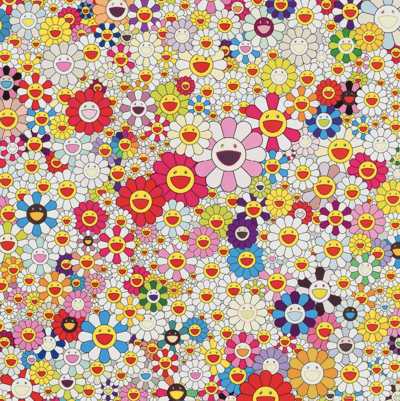
Takashi Murakami
Flowers in Heaven, 2010
Limited Edition Print
Offset Print
GBP 2,500 - 3,200
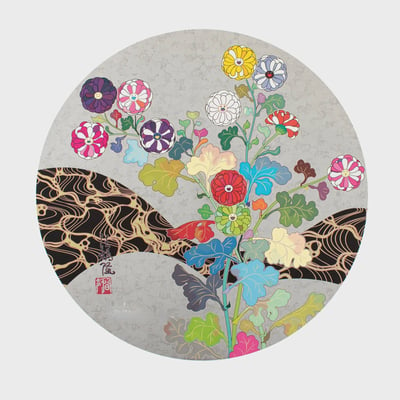
Takashi Murakami
Korin: The Land Beyond Death, Bathed in Light, 2022
Limited Edition Print
Offset Print
GBP 2,350
Related Articles
Intaglio is a printmaking technique where a design is incised below the surface of a metal or stone plate. Ink is applied to the plate, filling the incised lines or depressions, while the surface is wiped clean. The ink in the depressions is then transferred to paper using an etching press. Common intaglio techniques include engraving, etching, and drypoint.

Screen printing is a technique where ink is transferred through a mesh onto a substrate, with areas blocked by a stencil to prevent ink from passing through. This method, also known as serigraphy or silkscreen printing, is commonly used to produce prints on posters, T-shirts, vinyl, stickers, wood, and other materials. The process is a type of stencil printing, allowing for vibrant, detailed designs on various surfaces.

A silver gelatin print is a type of photographic print made using the silver process. In this process, photographic materials such as black and white films and printing papers are coated with a light-sensitive emulsion of silver salts suspended in gelatin. This emulsion is applied to a support, which could be flexible plastic, glass, resin-coated paper, or baryta paper. The materials are light-sensitive and remain stable under normal storage conditions, making them ideal for long-term preservation.
Can't find your Answer?
Thank you! Your question has been sent — we'll get back to you shortly.
