
What is Etching and Aquatint?
- Show All
- Established
- Discoveries
- Show All
Artworks Related to Etching and Aquatint
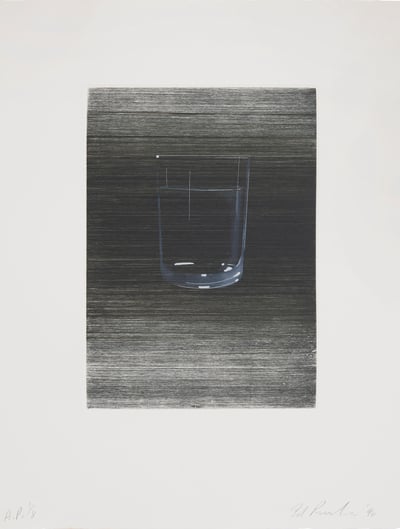
Ed Ruscha
Sunliner #7, from Sunliners, 1995
Limited Edition Print
Etching and Aquatint
USD 4,690
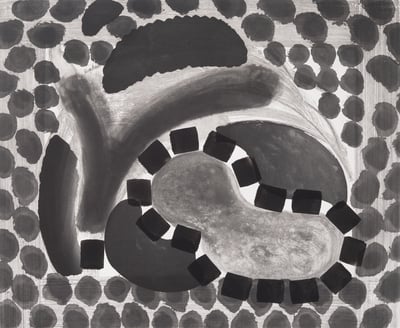
Howard Hodgkin
David's Pool at Night, 1979-85
Limited Edition Print
Etching and Aquatint
Inquire For Price
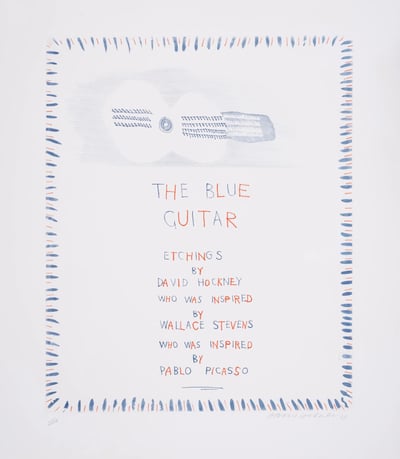
David Hockney
The Blue Guitar: title page, 1976-77
Limited Edition Print
Etching and Aquatint
USD 3,125
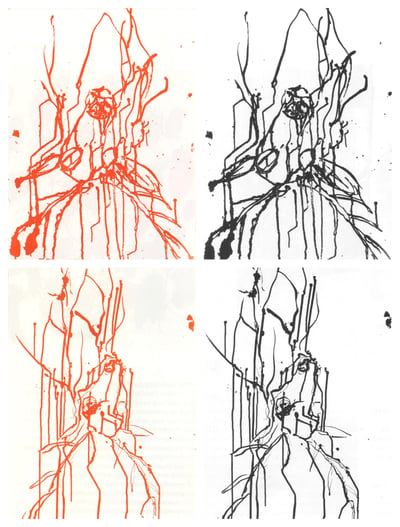
Georg Baselitz
Hirsche (set of 4), 2022
Limited Edition Print
Etching and Aquatint
Make Your Offer
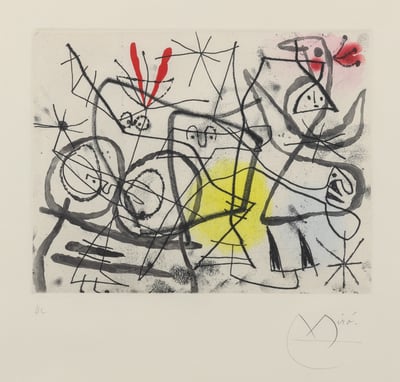
Joan Miró
Preparatifs d’Oiseaux, 1963
Limited Edition Print
Etching and Aquatint
USD 4,060
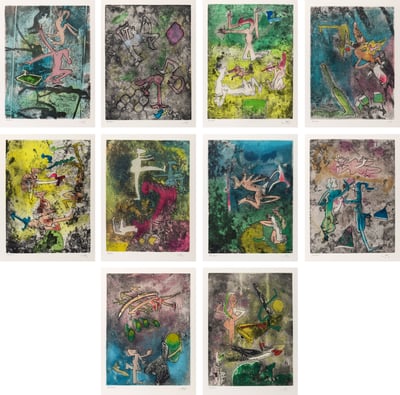
Roberto Matta
Centre noeuds, 1974
Limited Edition Print
Etching and Aquatint
USD 6,250
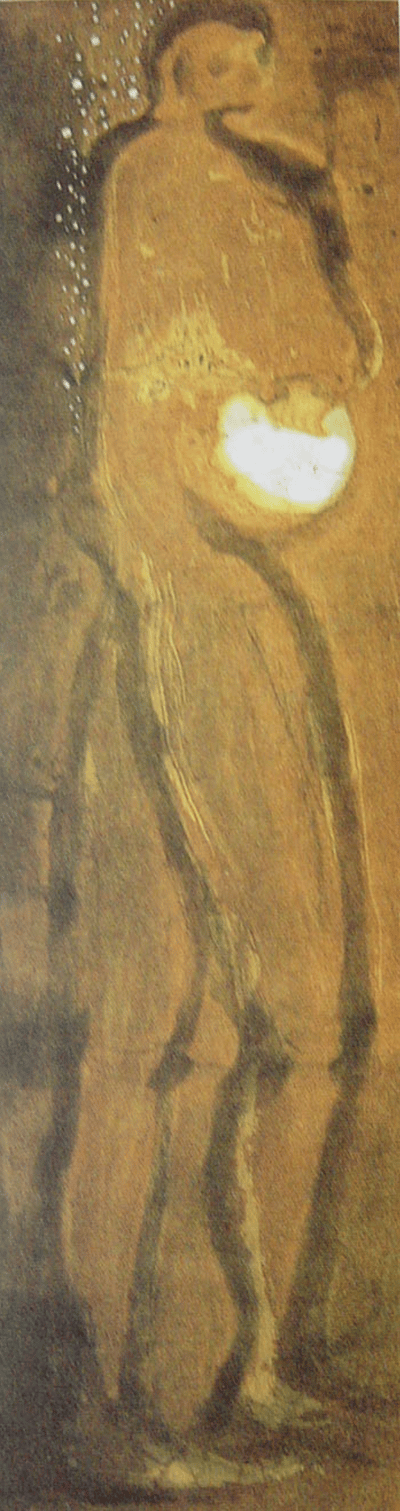
Enzo Cucchi
Uomini, 1989
Limited Edition Print
Etching and Aquatint
EUR 7,500
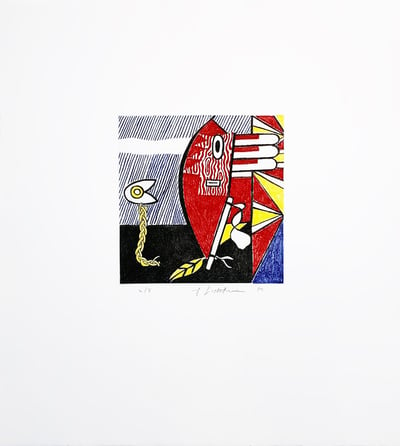
Roy Lichtenstein
Untitled I, 1980
Limited Edition Print
Etching and Aquatint
USD 20,650
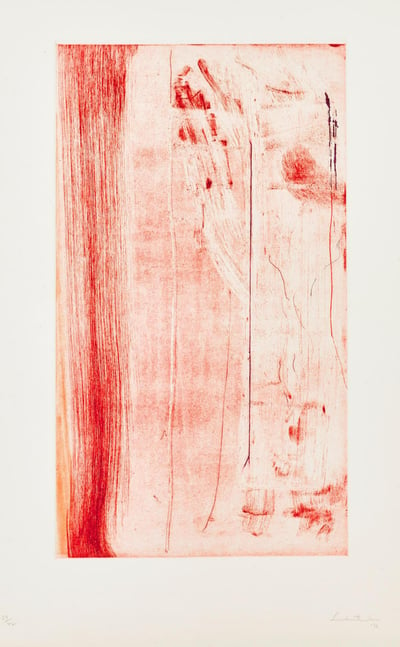
Helen Frankenthaler
Pompeii Forte, 1976-82
Limited Edition Print
Etching and Aquatint
Currently Not Available
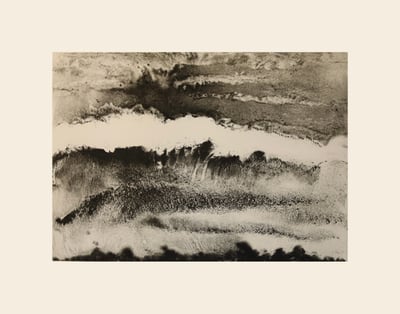
Miquel Barceló
Lanzarote 45, 2002
Limited Edition Print
Etching and Aquatint
EUR 5,700
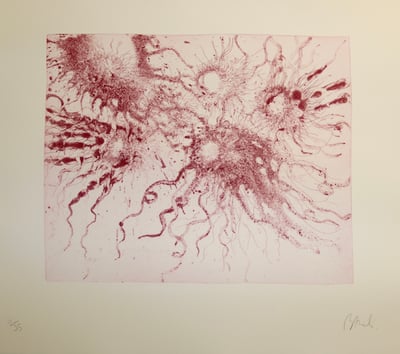
Miquel Barceló
Lanzarote 20, 2000
Limited Edition Print
Etching and Aquatint
EUR 4,500
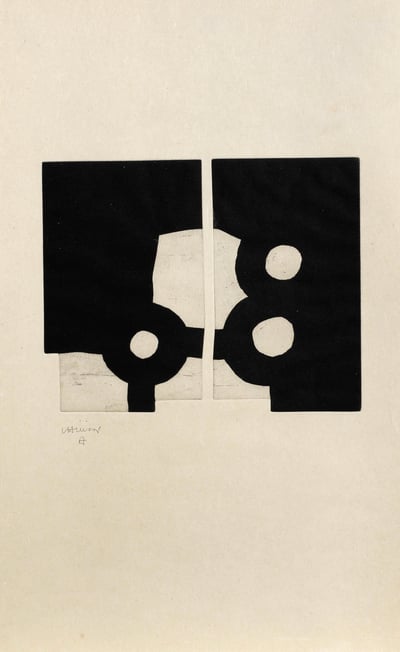
Eduardo Chillida
Bikaina XV, 1988
Limited Edition Print
Etching and Aquatint
Currently Not Available
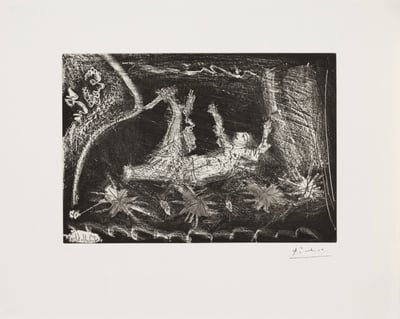
Pablo Picasso
Sur la scène: viellard barbu s'apprêtant à poignarder une femme dans son lit, 1966
Limited Edition Print
Etching and Aquatint
EUR 5,100
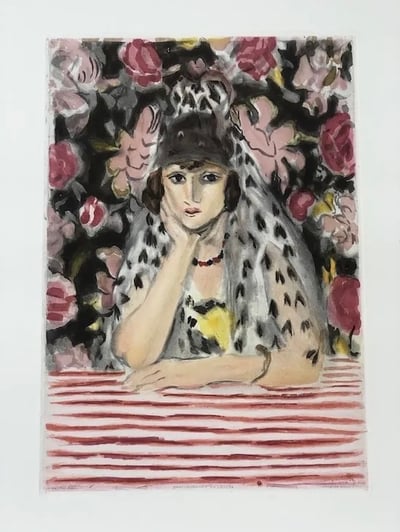
Henri Matisse
L'Espagnol à la mantille, 1925
Limited Edition Print
Etching and Aquatint
Currently Not Available
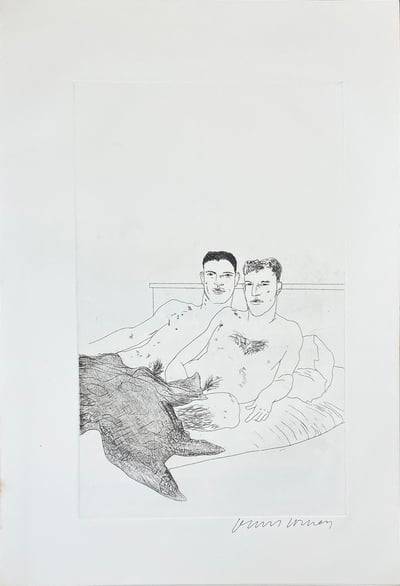
David Hockney
Illustrations for Fourteen Poems from C.P. Cavafy: The Beginning, 1966
Limited Edition Print
Etching and Aquatint
USD 5,800
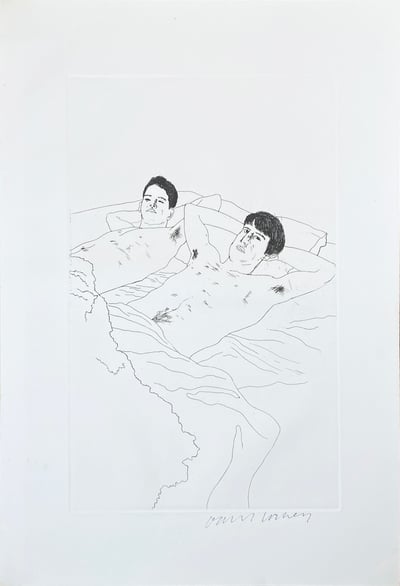
David Hockney
Illustrations for Fourteen Poems from C.P. Cavafy: In Despair, 1966
Limited Edition Print
Etching and Aquatint
USD 5,800
Related Articles

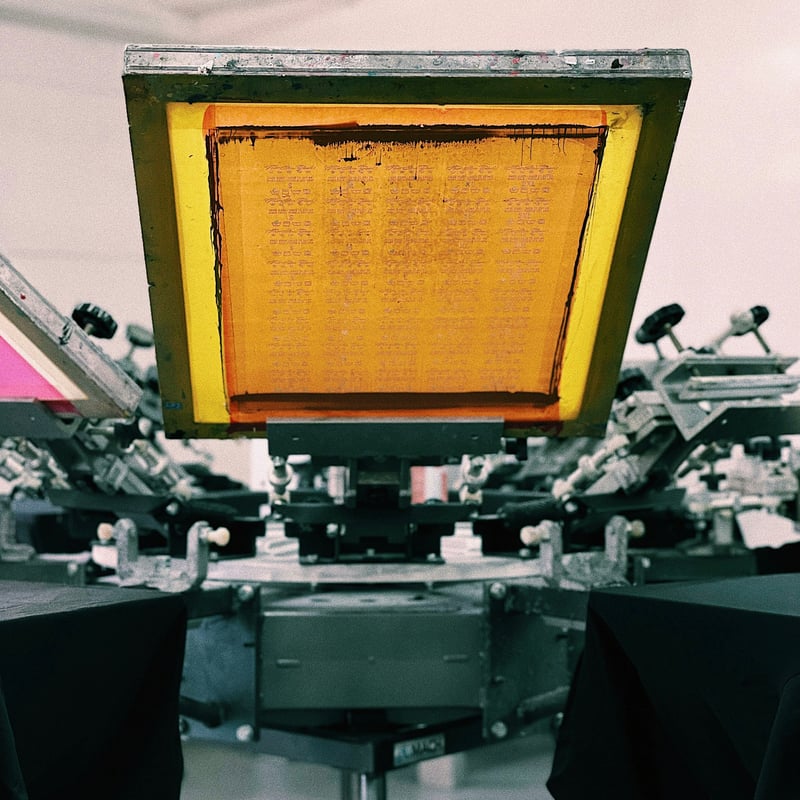
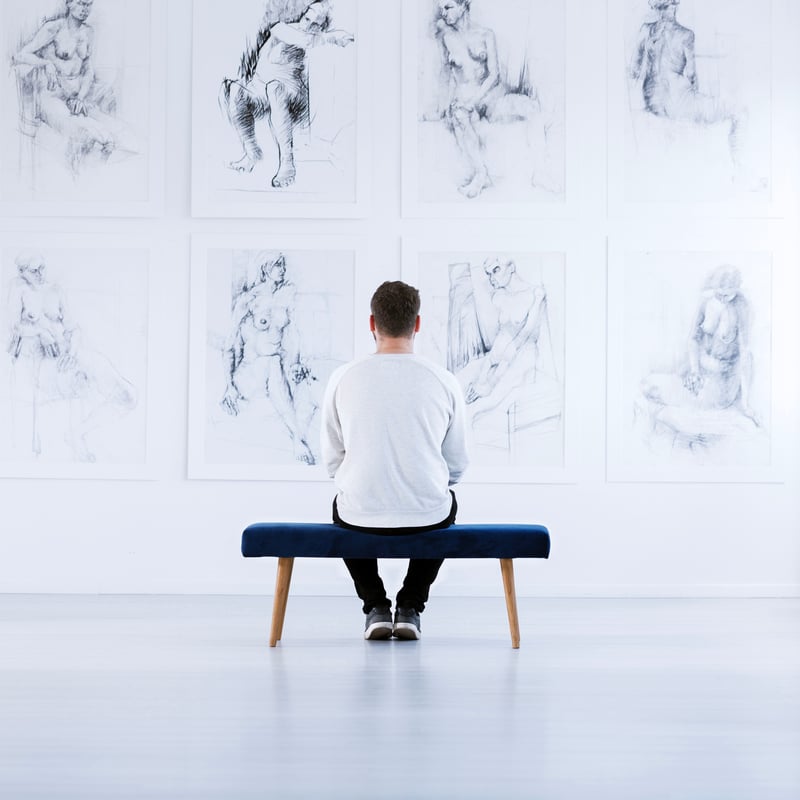

A body print is an art technique where the artist uses their body as a printing plate. This can be done by smearing grease, margarine, or oil on the skin, hair, and clothes, then pressing the body against a surface like paper. The oiled imprint is then dusted with pigment. Unlike a self-portrait, a body print explores two competing concepts of identity rather than capturing a likeness of the artist. The method emphasizes the physicality of the body while questioning the boundaries between self-representation and abstraction.
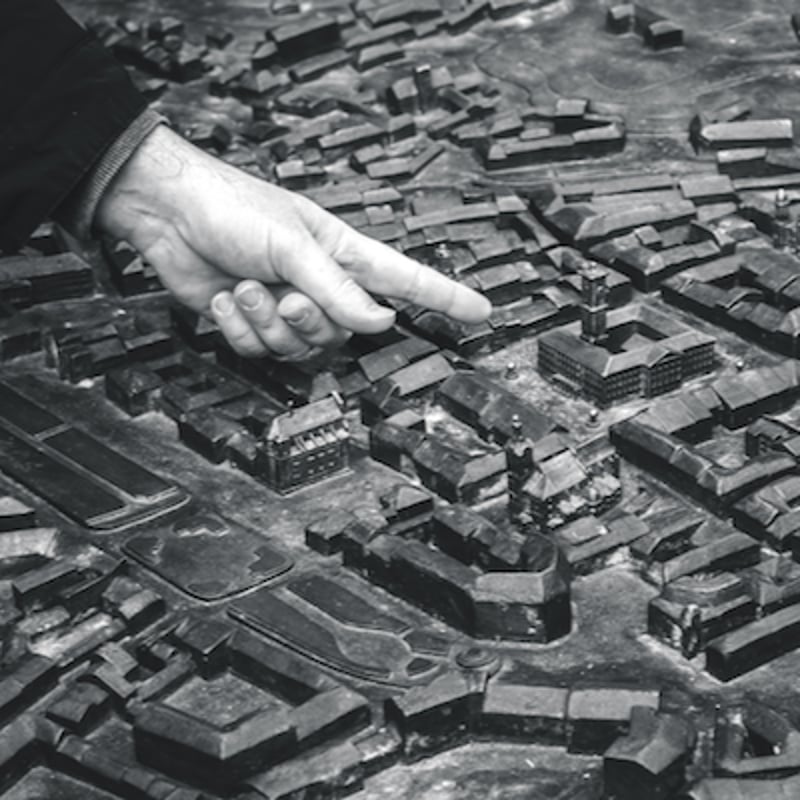
A maquette is a small-scale model of a sculpture that serves as a preliminary version of the final piece. It allows the artist to experiment with ideas and make adjustments without the expense and effort of creating a full-sized sculpture.
Sound Art is an artistic discipline where sound is used as the primary medium. Like other contemporary art genres, Sound Art is inherently interdisciplinary, engaging with a variety of subjects including electronics, acoustics, noise music, psychoacoustics, audio media, video, film, and sculpture. Early examples of Sound Art include Luigi Russolo's noise intoners, as well as experimental works by Surrealists, Dadaists, and the Fluxus movement. These early pioneers helped establish sound as a legitimate medium for artistic expression.
Can't find your Answer?
Thank you! Your question has been sent — we'll get back to you shortly.
