
What is Etching and Aquatint?
- Show All
- Established
- Discoveries
- Show All
Artworks Related to Etching and Aquatint
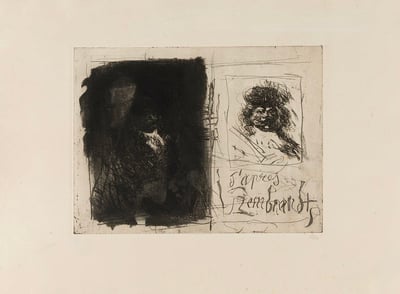
Antoni Clave
D'apres Rembrandt I-I, 1966
Limited Edition Print
Etching and Aquatint
EUR 1,150
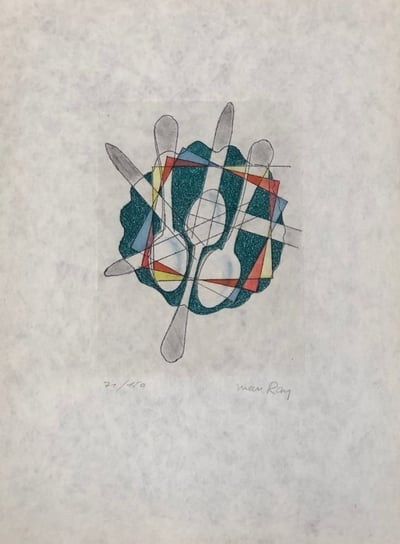
Man Ray
Seria Electro Magie II, 1969
Limited Edition Print
Etching and Aquatint
EUR 1,350
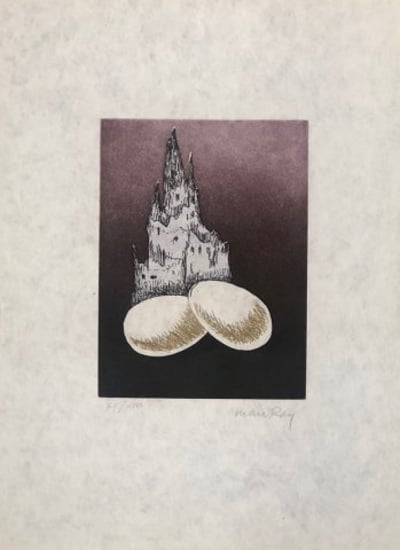
Man Ray
Seria Electro Magie I, 1969
Limited Edition Print
Etching and Aquatint
EUR 1,350
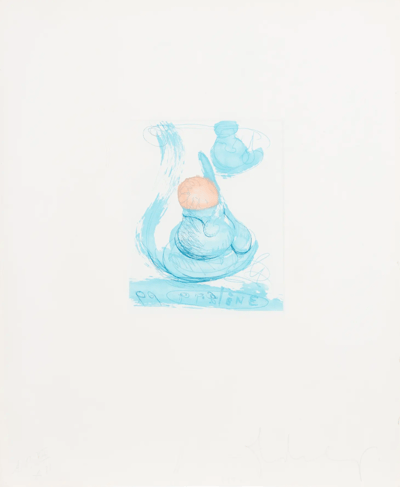
Claes Oldenburg
Ice cream desserts - Praline (A. & P. 162), 1976
Limited Edition Print
Etching and Aquatint
Inquire For Price
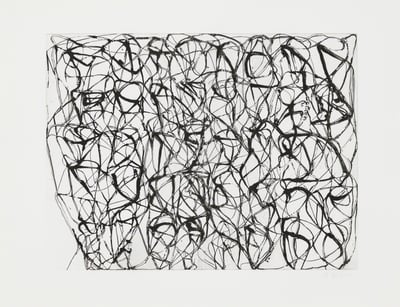
Brice Marden
Cold Mountain, 1991
Limited Edition Print
Etching and Aquatint
Currently Not Available
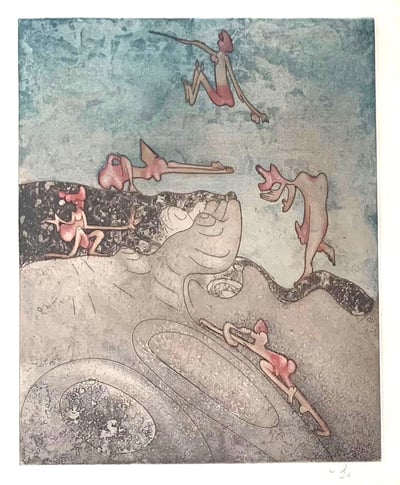
Roberto Matta
Untitled (from Così Fan Tutte) #7, 1970
Limited Edition Print
Etching and Aquatint
USD 1,875
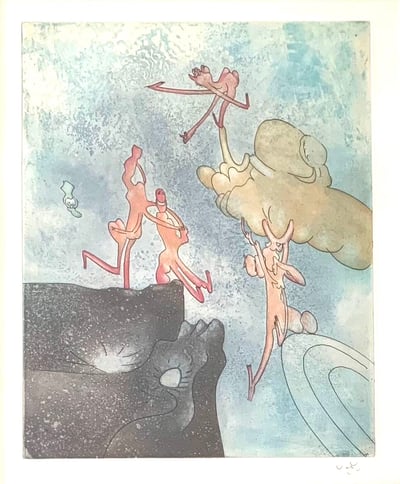
Roberto Matta
Untitled (from Così Fan Tutte) #6, 1970
Limited Edition Print
Etching and Aquatint
USD 1,875
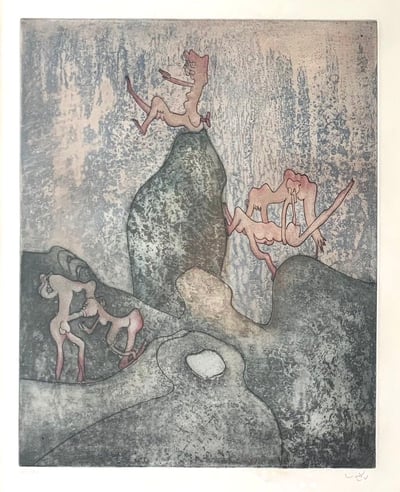
Roberto Matta
Untitled (from Così Fan Tutte) #5, 1970
Limited Edition Print
Etching and Aquatint
USD 1,875
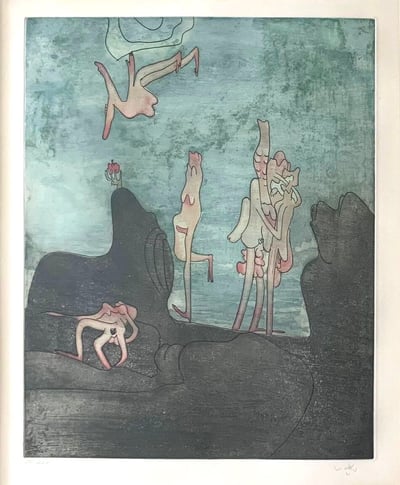
Roberto Matta
Untitled (from Così Fan Tutte) #3, 1970
Limited Edition Print
Etching and Aquatint
USD 1,875
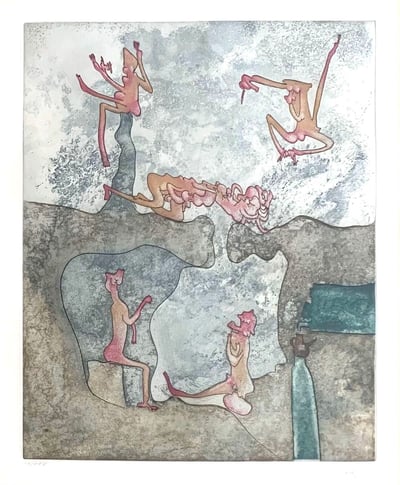
Roberto Matta
Untitled (from Così Fan Tutte) #2, 1970
Limited Edition Print
Etching and Aquatint
USD 1,875
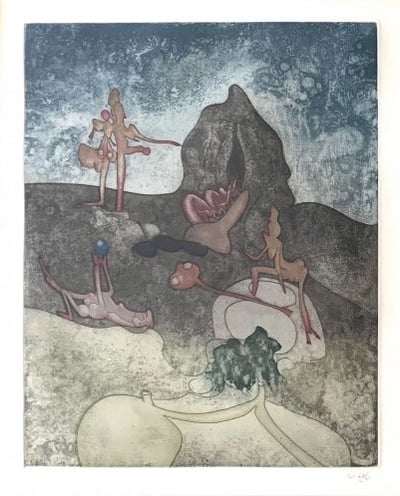
Roberto Matta
Untitled (from Così Fan Tutte) #1, 1970
Limited Edition Print
Etching and Aquatint
USD 1,875
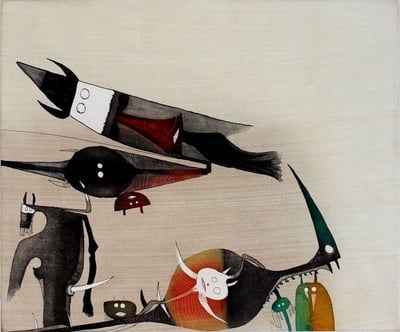
Wifredo Lam
Sans titre - XXe siecle plate #5, 1977
Limited Edition Print
Etching and Aquatint
USD 1,100
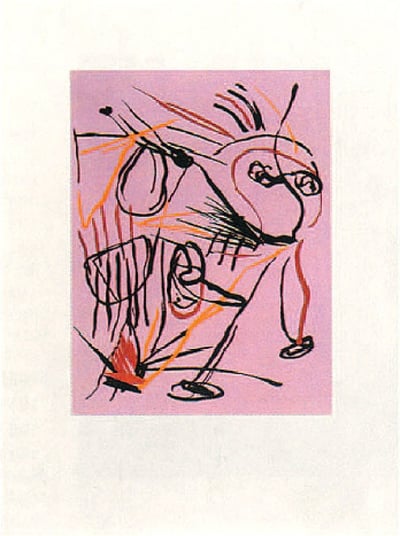
Karel Appel
Como el Viento, 1988
Limited Edition Print
Etching and Aquatint
EUR 1,700
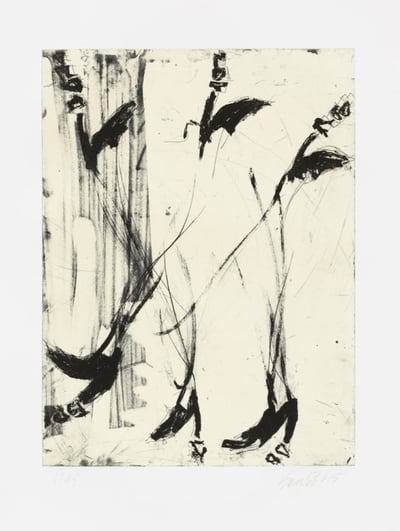
Georg Baselitz
Sono sei piedi, 2015
Limited Edition Print
Etching and Aquatint
Currently Not Available
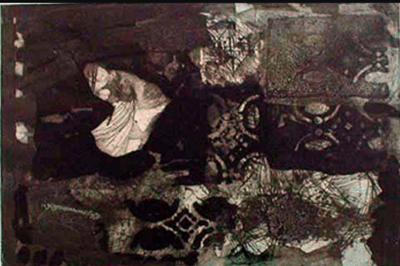
Antoni Clave
Pochoirs I, 1968
Limited Edition Print
Etching and Aquatint
EUR 1,150
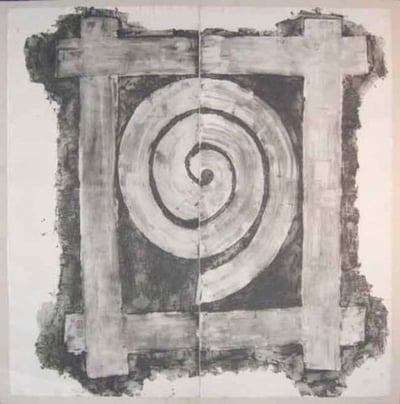
Martin Chirino
Obra Gráfica, 1973
Limited Edition Print
Etching and Aquatint
EUR 6,250
Related Articles


A curator is a professional responsible for managing and overseeing a collection of art pieces or artifacts. Employed by a gallery or museum, curators use their expertise to acquire, develop, display, and care for the collection. They also organize exhibitions and ensure that the collection is accessible to the public.

Surrealism began in the 1920s as an art and literary movement with the goal of revealing the unconscious mind and unleashing the imagination by exploring unusual and dream-like imagery. Influenced by Sigmund Freud’s theories of psychoanalysis, Surrealist artists and writers sought to bring the unconscious into rational life, blurring the lines between reality and dreams. The movement aimed to challenge conventional perceptions and express the irrational aspects of the human experience.
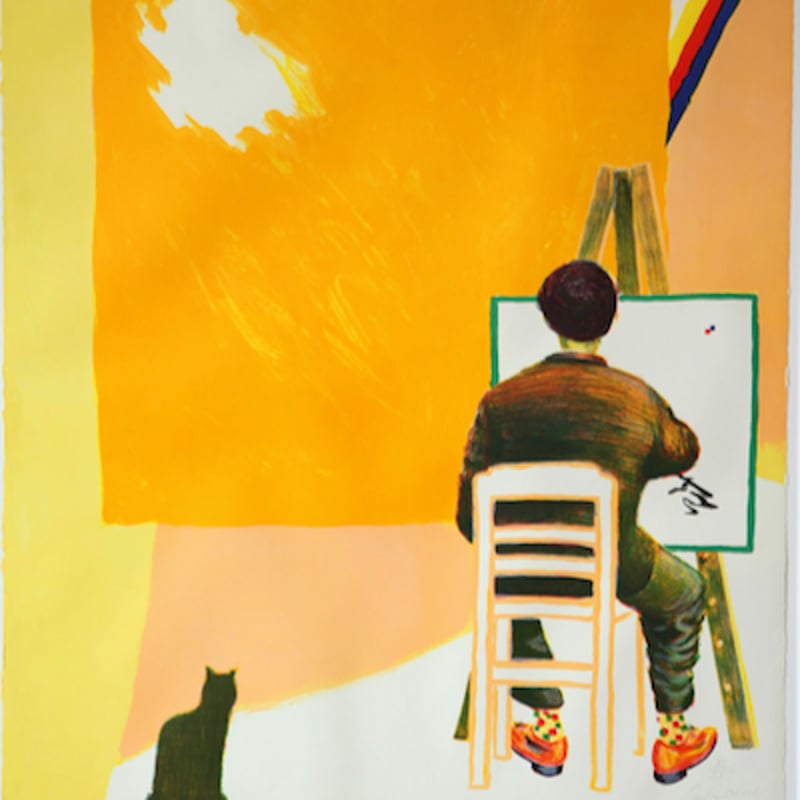
Neo-Figurative Art is a collective term that refers to the revival of figurative art in America and Europe during the 1960s, following a period dominated by abstraction. Michel Ragon, a French art critic, argued that this resurgence of figuration occurred during a critical time of social and political upheaval in both regions.
Can't find your Answer?
Thank you! Your question has been sent — we'll get back to you shortly.
