
What is appropriation?
- Show All
- Established
- Discoveries
- Show All
Artworks Related to Appropriation
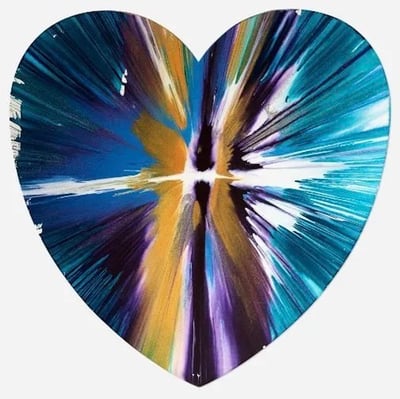
Damien Hirst
Heart Spin Painting (Teal, gold, purple), 2009
Painting
Acrylic on paper
Inquire For Price
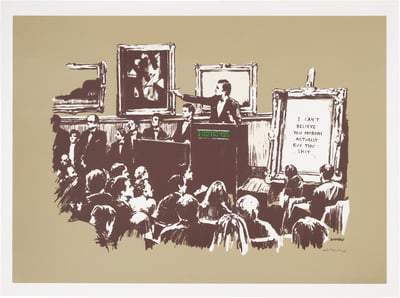
Banksy
Morons (Sepia), 2007
Limited Edition Print
Screen-print
USD 80,000 - 95,000
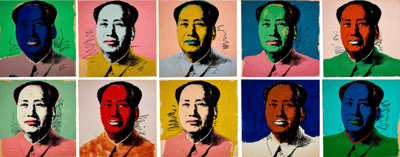
Andy Warhol
Mao (Complete Suite) (F. & S. 90-99), 1972
Limited Edition Print
Silkscreen
Currently Not Available

Andy Warhol
Ingrid Bergman, Herself (F. & S. II.313), 1983
Limited Edition Print
Screen-print
USD 60,000 - 70,000
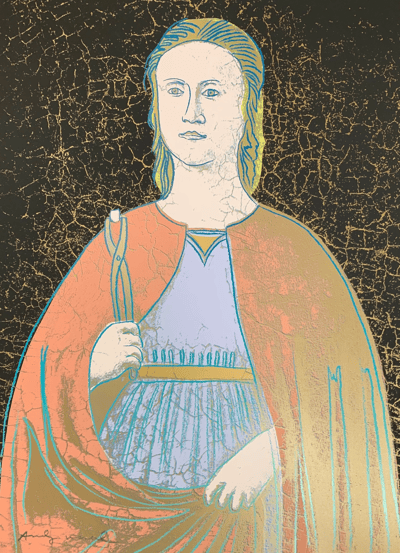
Andy Warhol
Saint Apollonia (F. & S. II.331), 1984
Limited Edition Print
Screen-print
USD 23,500
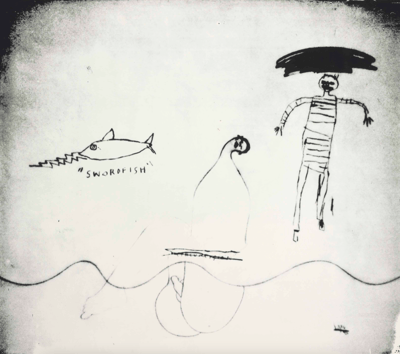
Andy Warhol
Tre Amici, 1984
Limited Edition Print
Screen-print
USD 80,000 - 90,000
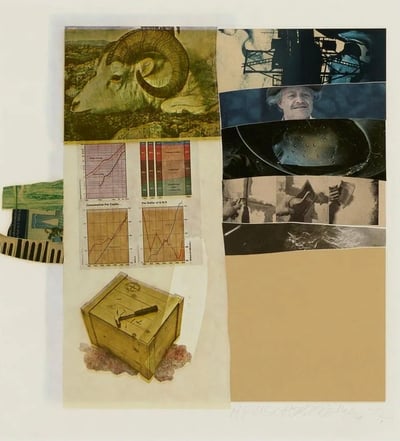
Robert Rauschenberg
Horsefeathers Thirteen I, 1972
Limited Edition Print
Mixed Media
Currently Not Available
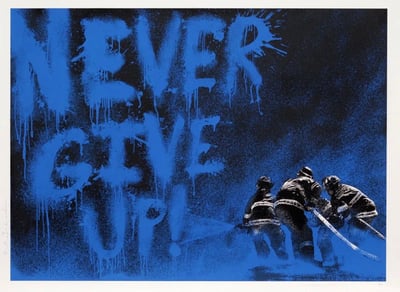
Mr. Brainwash
Superheroes (BLUE), 2018
Limited Edition Print
Serigraph
USD 1,850
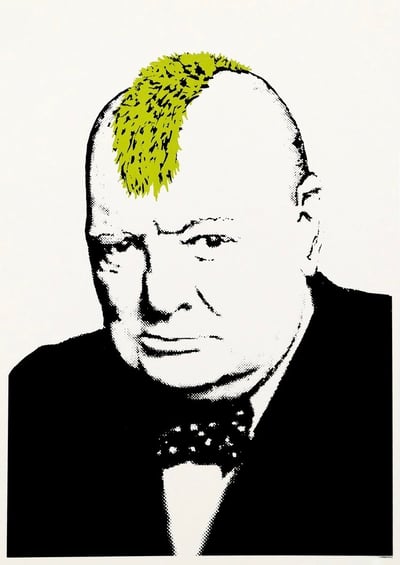
Banksy
Turf war , 2003
Limited Edition Print
Screen-print
GBP 34,800
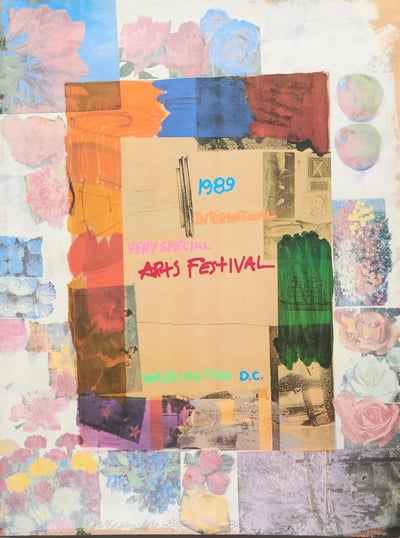
Robert Rauschenberg
International Very Special Arts Festival, 1989
Limited Edition Print
Lithograph
Inquire For Price
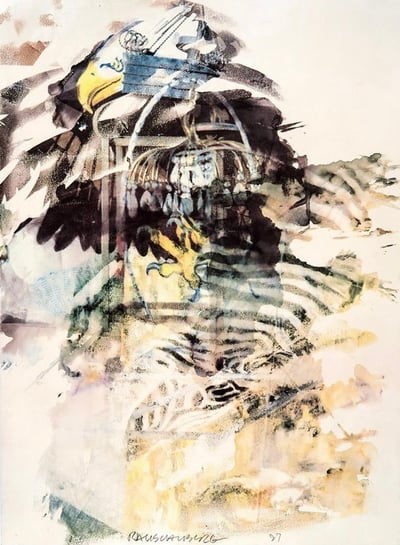
Robert Rauschenberg
Caucus, 1997
Limited Edition Print
Serigraph
USD 2,350
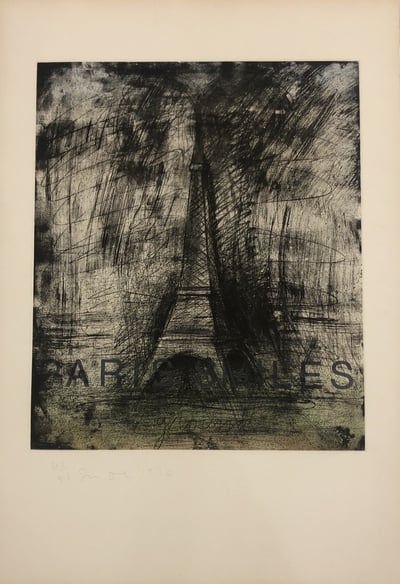
Jim Dine
Paris Smiles in Darkness, 1976
Limited Edition Print
Etching
EUR 4,500

KAWS
The promise , 2023
Limited Edition Print
Silkscreen
Currently Not Available
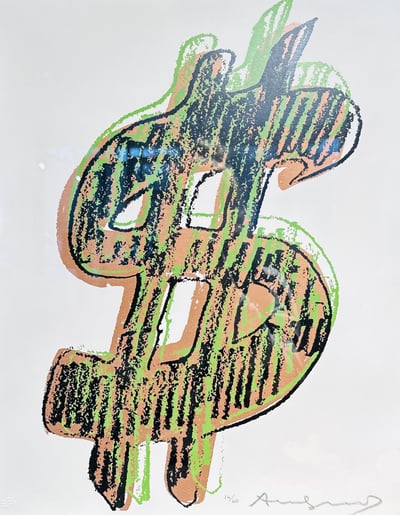
Andy Warhol
Single Dollar Sign (FS II. 278), 1982
Limited Edition Print
Screen-print
EUR 120,000 - 140,000
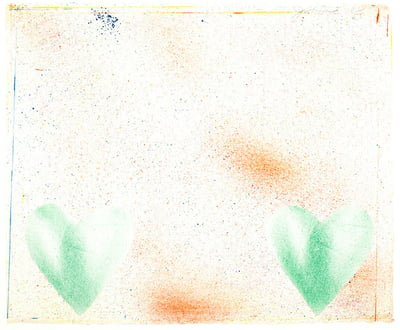
Jim Dine
Dutch hearts, 1970
Limited Edition Print
Mixed Media
EUR 1,875
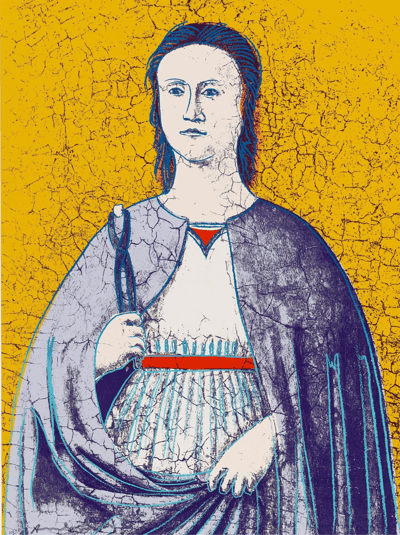
Andy Warhol
Saint Apollonia, II.333, 1984
Limited Edition Print
Screen-print
USD 23,500
Related Articles

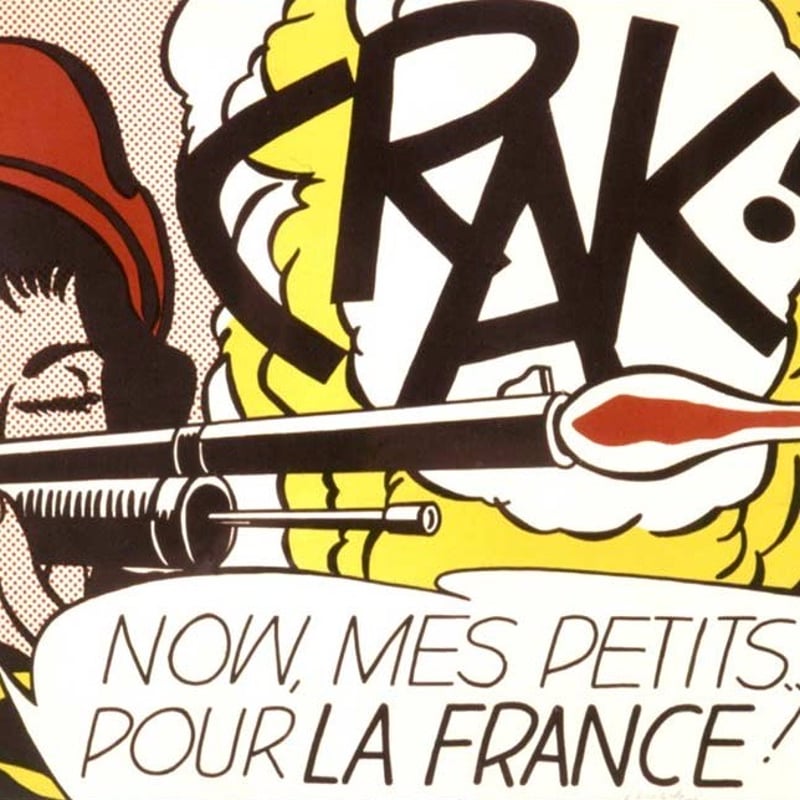

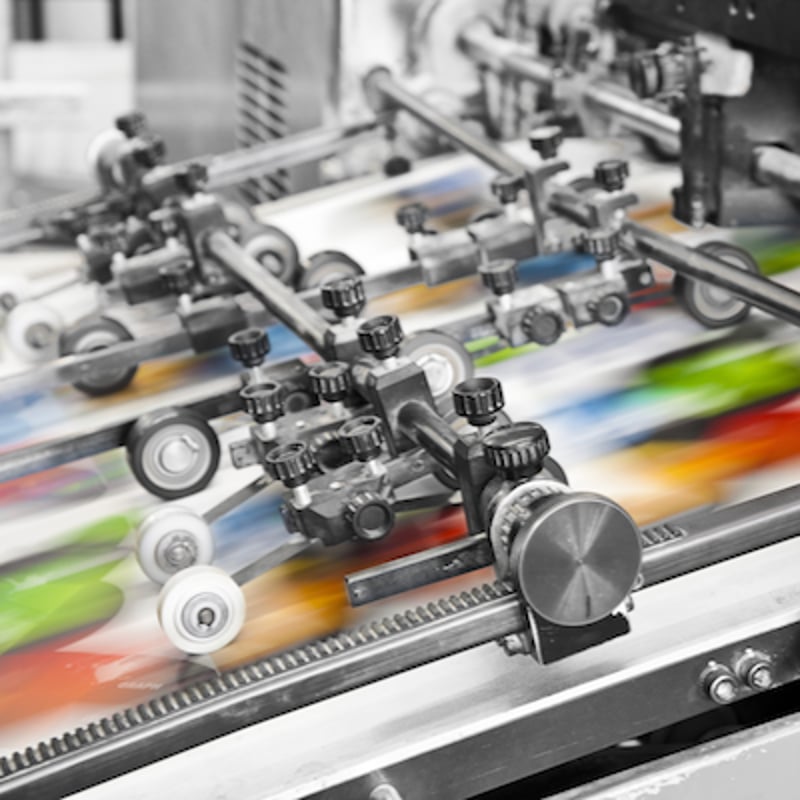
Offset lithography is a printing technique where the inked image is first transferred (offset) from a plate to a rubber blanket and then to the printing surface. This method combines the lithographic process, which relies on the repulsion of water and oil, to keep non-printing areas ink-free by attracting a water-based film. Offset lithography was originally developed to reduce costs in reproducing artwork and is widely used for high-volume printing due to its efficiency and ability to produce sharp, consistent images.

Multimedia refers to an art technique that combines multiple forms of media, such as visual, audio, and digital elements, into a single composition. This is different from mixed media, which involves combining various traditional art materials within one artwork. Multimedia art often integrates technology, like video, sound, or interactive components, allowing artists to create dynamic and immersive experiences. Artists may develop new personal techniques by blending these diverse media, contributing to their unique artistic style.

CoBrA stands for Copenhagen, Brussels, and Amsterdam; the group was formed with a desire to break away from the existing art movements of the time. Their critique of Western society led them to experiment and evolve into a significant international movement. CoBrA was founded on November 8, 1948, at the Notre Dame Café in Paris, where its manifesto was signed by Karel Appel, Joseph Noiret, Corneille, Christian Dotremont, Constant, and Asger Jorn. The group was united by a shared commitment to freedom in both form and color, and their work emphasized experimentation and spontaneity.
Can't find your Answer?
Thank you! Your question has been sent — we'll get back to you shortly.
