
What is appropriation?
- Show All
- Established
- Discoveries
- Show All
Artworks Related to Appropriation
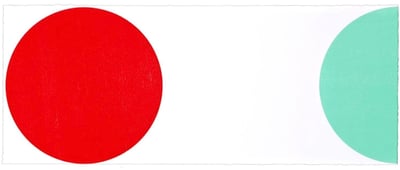
Damien Hirst
Piccolinic Acid, 2011
Limited Edition Print
Woodcut
GBP 12,700
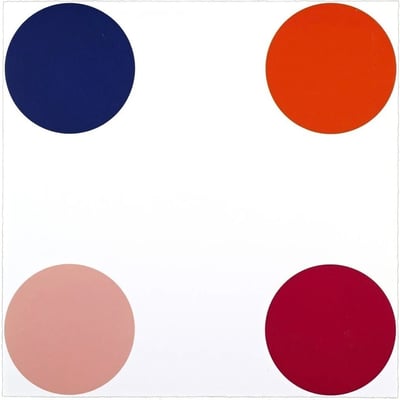
Damien Hirst
Carbonyl Iron, 2011
Limited Edition Print
Woodcut
GBP 20,000 - 30,000
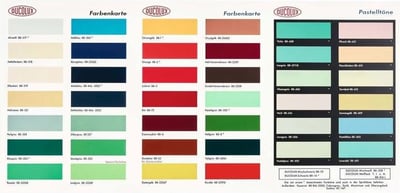
Damien Hirst
Colour Chart H-2 , 2017
Limited Edition Print
Giclée printing
GBP 12,700
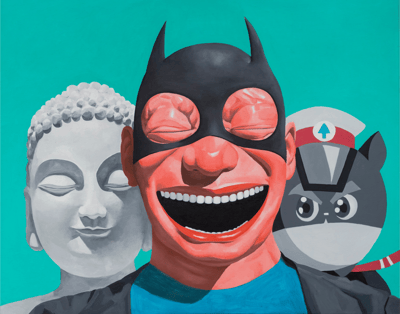
Yue Minjun
The Three Musketeers, 2019-2022
Limited Edition Print
Screen-print
USD 2,300
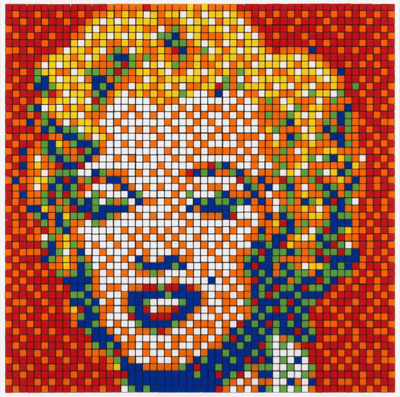
Invader
Rubik Shot Red Marilyn NVDR1-4, 2023
Limited Edition Print
Mixed Media
USD 6,600
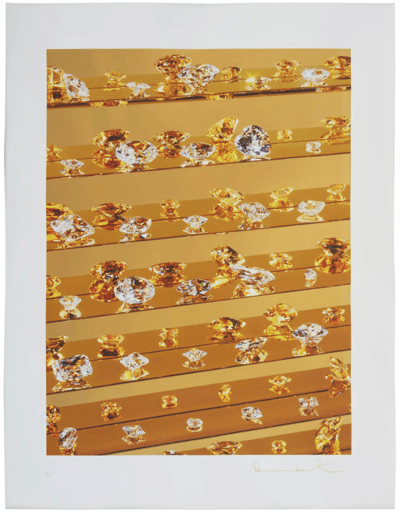
Damien Hirst
Gold Tears, 2012
Limited Edition Print
Mixed Media
USD 8,400
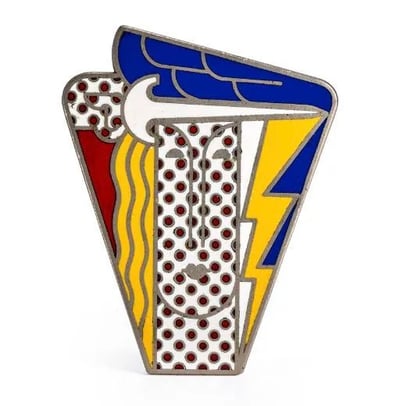
Roy Lichtenstein
Modern Head Enamel Pin, 1968
Sculpture / Object
Metal
USD 4,950

Jasper Johns
Knee, 1974
Limited Edition Print
Lithograph
USD 7,350
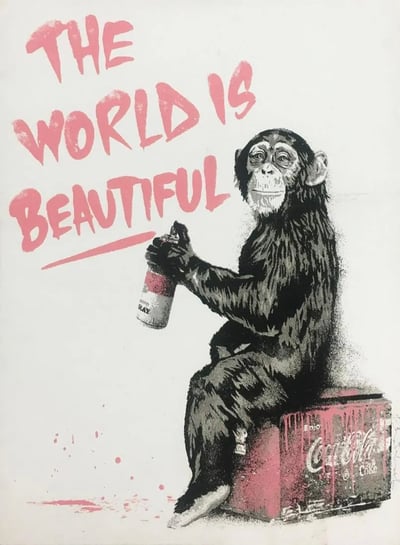
Mr. Brainwash
The World is Beautiful (Pink), 2020
Limited Edition Print
Screen-print
USD 10,750
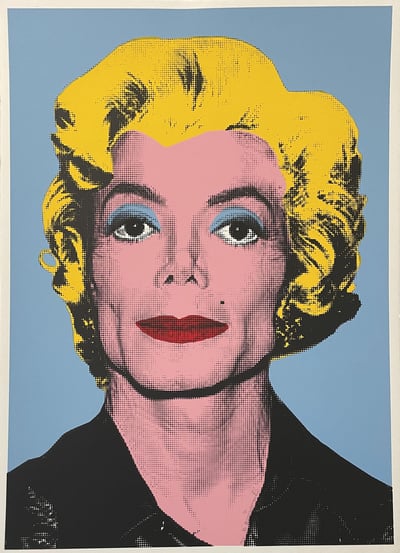
Mr. Brainwash
Michael Jackson Marilyn Wig, 2010
Limited Edition Print
Screen-print
USD 3,900
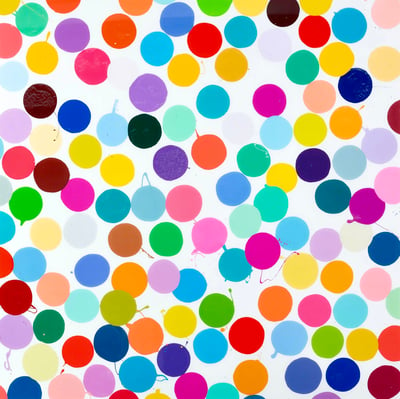
Damien Hirst
H5-5 Raffles, 2018
Limited Edition Print
Giclée printing
GBP 7,800
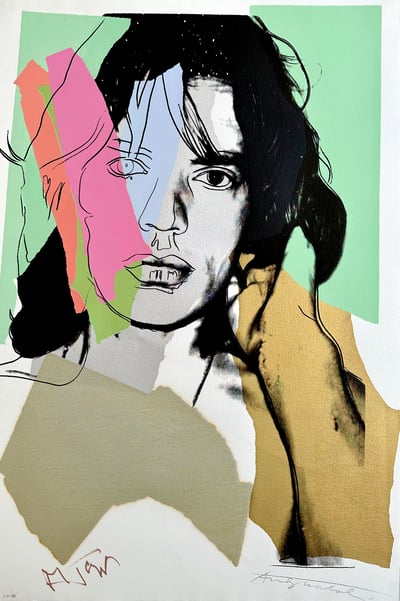
Andy Warhol
Mick Jagger #140, 1975
Limited Edition Print
Screen-print
Currently Not Available

Andy Warhol
Electric Chair (Retrospective Series), 1978
Limited Edition Print
Screen-print
USD 45,000 - 55,000
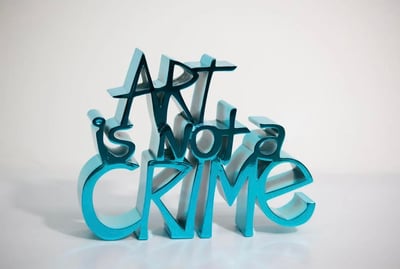
Mr. Brainwash
ART IS NOT A CRIME (Chrome Blue, 2021
Sculpture / Object
Acrylic sculpture
USD 1,790
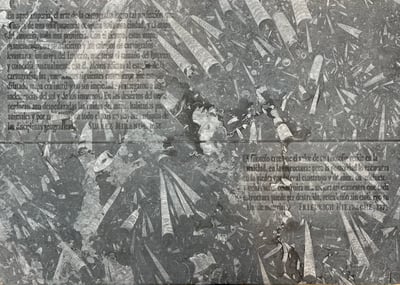
Joseph Kosuth
El mapa de Miranda y la disciplina de Nietzsche, 2004
Sculpture / Object
Engraving
USD 6,000

Robert Rauschenberg
Untitled (Native American with Truck), 2000
Limited Edition Print
Pigment print
EUR 2,850
Related Articles

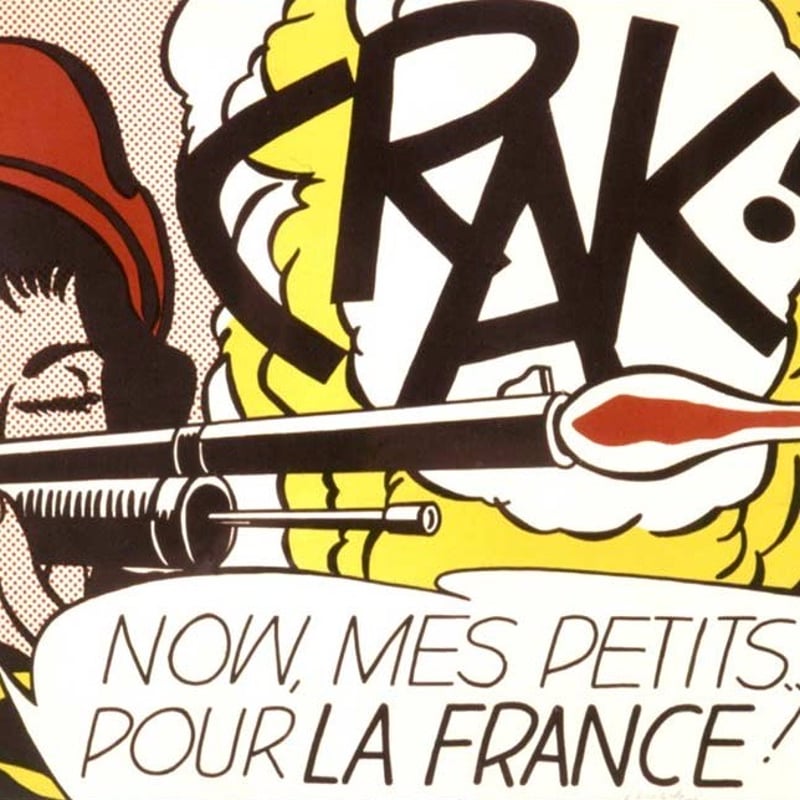
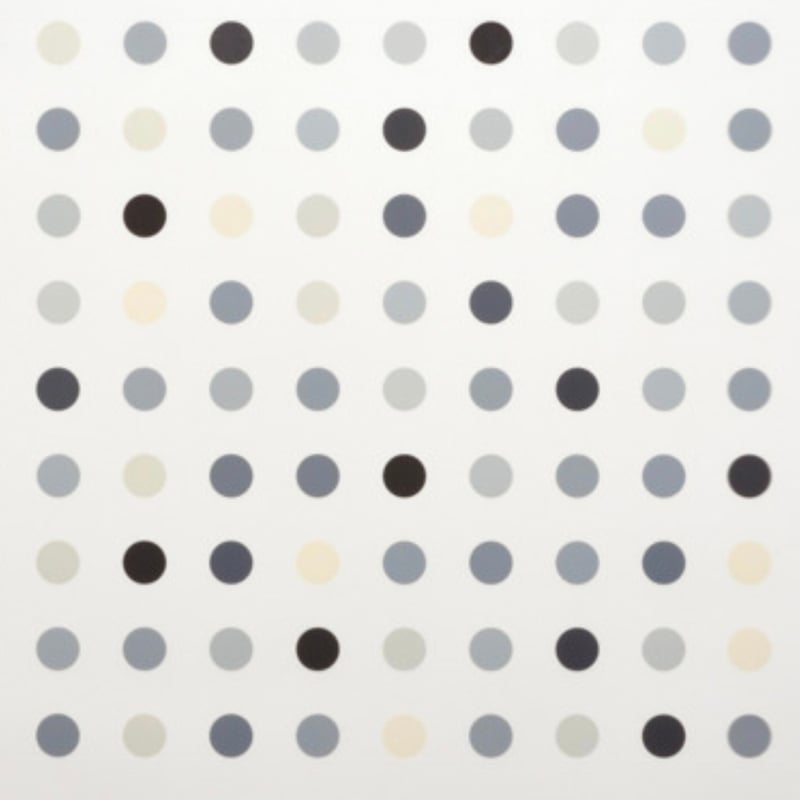

A body print is an art technique where the artist uses their body as a printing plate. This can be done by smearing grease, margarine, or oil on the skin, hair, and clothes, then pressing the body against a surface like paper. The oiled imprint is then dusted with pigment. Unlike a self-portrait, a body print explores two competing concepts of identity rather than capturing a likeness of the artist. The method emphasizes the physicality of the body while questioning the boundaries between self-representation and abstraction.
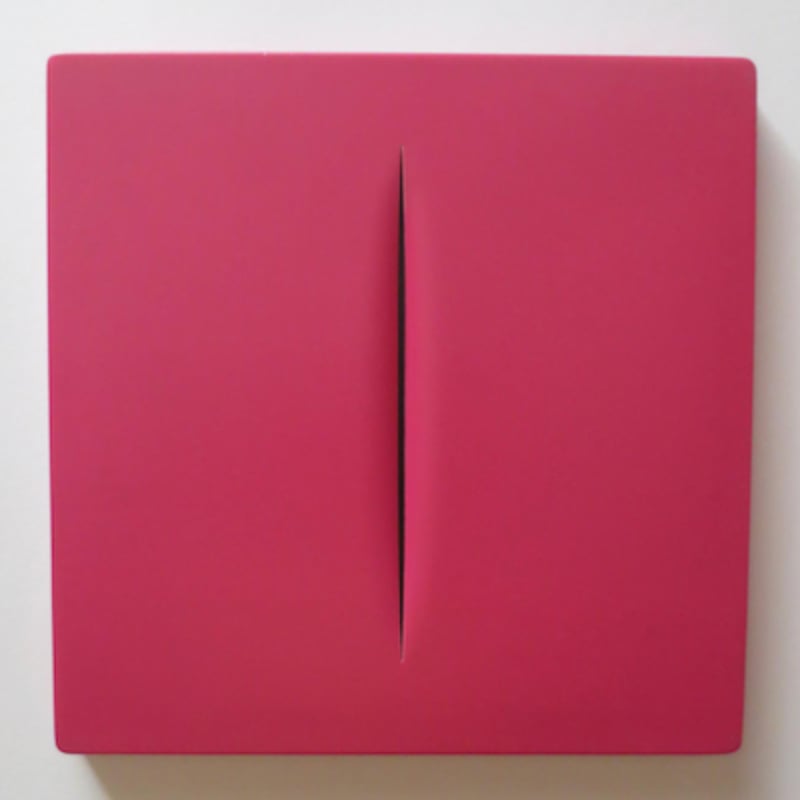
Spatialism is an art movement that originated in Italy in 1947, founded by Lucio Fontana with the intention of synthesizing sound, color, movement, and space into a new form of art. The movement's central ideas were outlined in Fontana's first manifesto, published in 1947, where he introduced the concept of spatial art to capture the spirit of the post-war era. His ideas were further developed in five subsequent manifestos. Although Fontana's ideas were sometimes considered vague, his influence was significant, as he was one of the first European artists to emphasize art as a performance and gesture.
Mail Art is a populist art movement centered on the creation and exchange of small-scale artworks through the postal service. It developed out of the Fluxus movement in the 1950s and 1960s and has since evolved into a global art movement. Ray Johnson is recognized as the first mail artist, and his New York School is considered the first network of mail artists. Mail artists rely heavily on a network to exchange their works, often creating a community of artists connected through the postal system.
Can't find your Answer?
Thank you! Your question has been sent — we'll get back to you shortly.
