
What is appropriation?
- Show All
- Established
- Discoveries
- Show All
Artworks Related to Appropriation
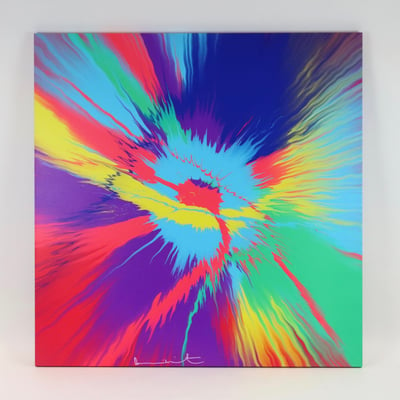
Damien Hirst
The Beautiful Painting (square) - #219, 2023
Painting
Giclée printing
EUR 11,000
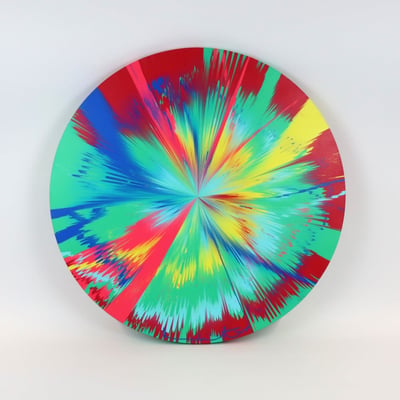
Damien Hirst
The Beautiful Painting (small) - #116, 2023
Painting
Giclée printing
EUR 7,500
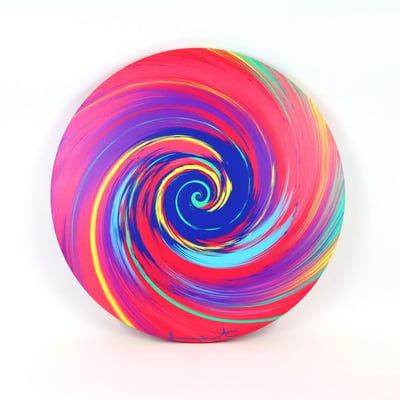
Damien Hirst
The Beautiful Painting (small) - #206, 2023
Painting
Giclée printing
EUR 7,500
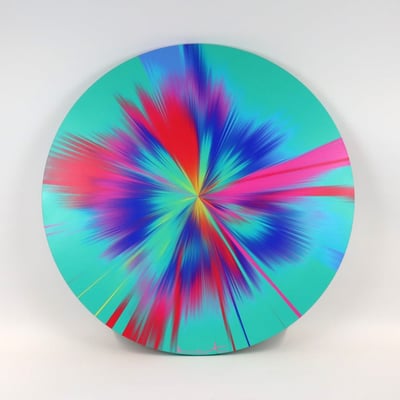
Damien Hirst
The Beautiful Painting (large) - #936, 2023
Painting
Giclée printing
EUR 12,000
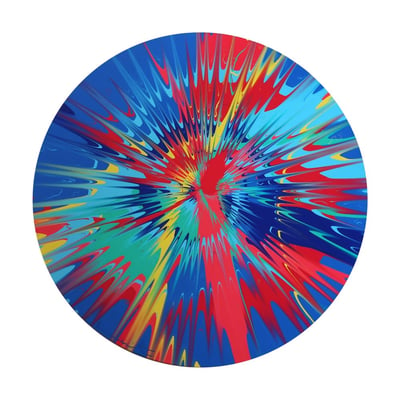
Damien Hirst
The Beautiful Painting (large) - #297, 2023
Painting
Giclée printing
EUR 12,000
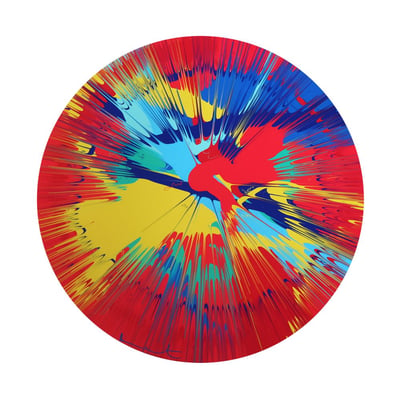
Damien Hirst
The Beautiful Painting (large) - #204, 2023
Painting
Giclée printing
EUR 12,000
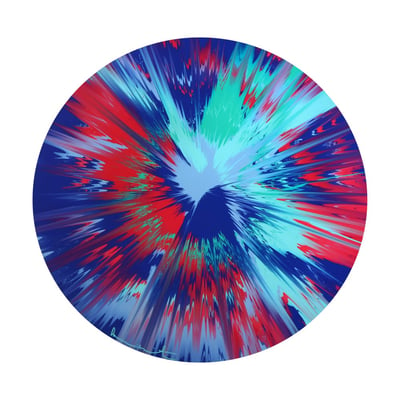
Damien Hirst
The Beautiful Painting (large) - #1410, 2023
Painting
Giclée printing
EUR 12,000
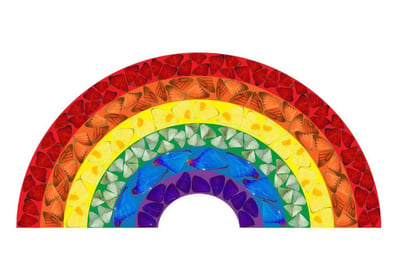
Damien Hirst
H7-1 Butterfly Rainbow (Large), 2020
Limited Edition Print
Archival Print
EUR 2,500
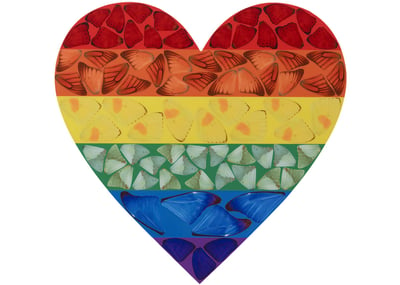
Damien Hirst
H7-3 Butterfly Heart (Large), 2020
Limited Edition Print
Archival Print
EUR 2,800
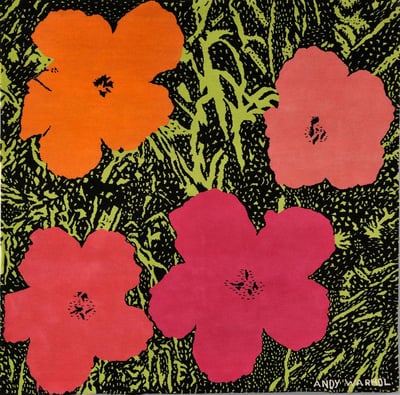
Andy Warhol
Flowers, 1968
Tapestry
Tapestry
EUR 25,000
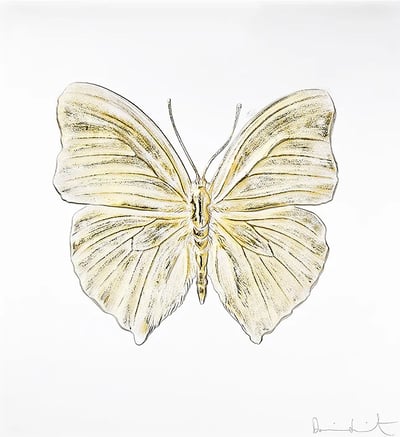
Damien Hirst
Eternal Love (Clear & Gold), 2015
Sculpture / Object
Mixed Media
EUR 23,000
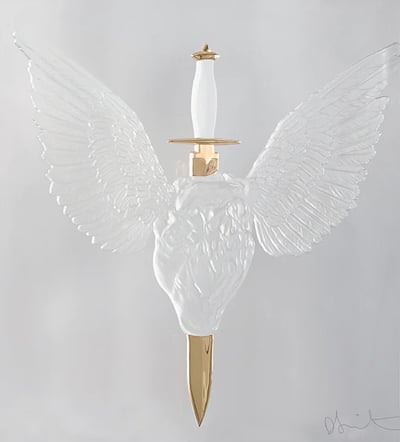
Damien Hirst
Eternal Prayer (Clear & Gold), 2017
Sculpture / Object
Mixed Media
EUR 20,000
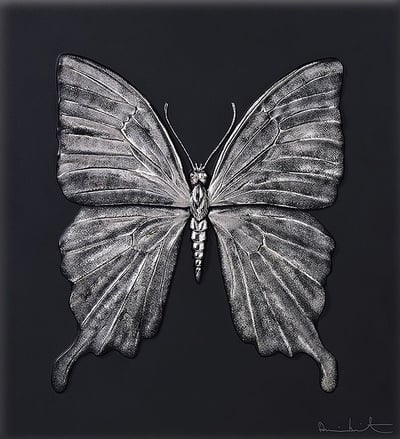
Damien Hirst
Eternal Beauty (Black & Platinum), 2017
Sculpture / Object
Mixed Media
Inquire For Price
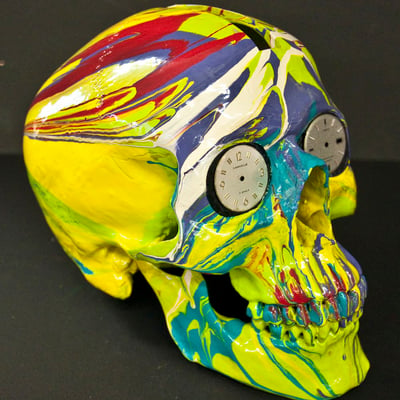
Damien Hirst
The Hours Spin Skull, 2009
Sculpture / Object
Mixed Media
EUR 7,500
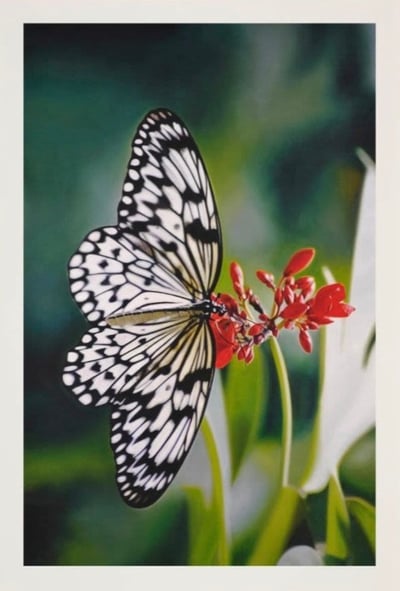
Damien Hirst
Paper Kite Butterfly on Oleander, 2011
Limited Edition Print
Inkjet print
EUR 12,000
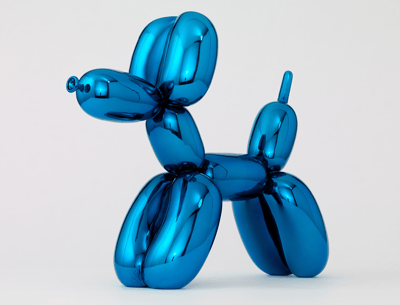
Jeff Koons
Balloon Dog (Blue), 2021
Sculpture / Object
Porcelain
Inquire For Price
Related Articles




A print proof refers to any test impressions made from a printing plate or block to check the image quality before the final print is completed. These proofs are used as quality checks to ensure that the details and alignment are correct. Different types of proofs, such as artist's proofs or trial proofs, serve specific purposes during the printmaking process.
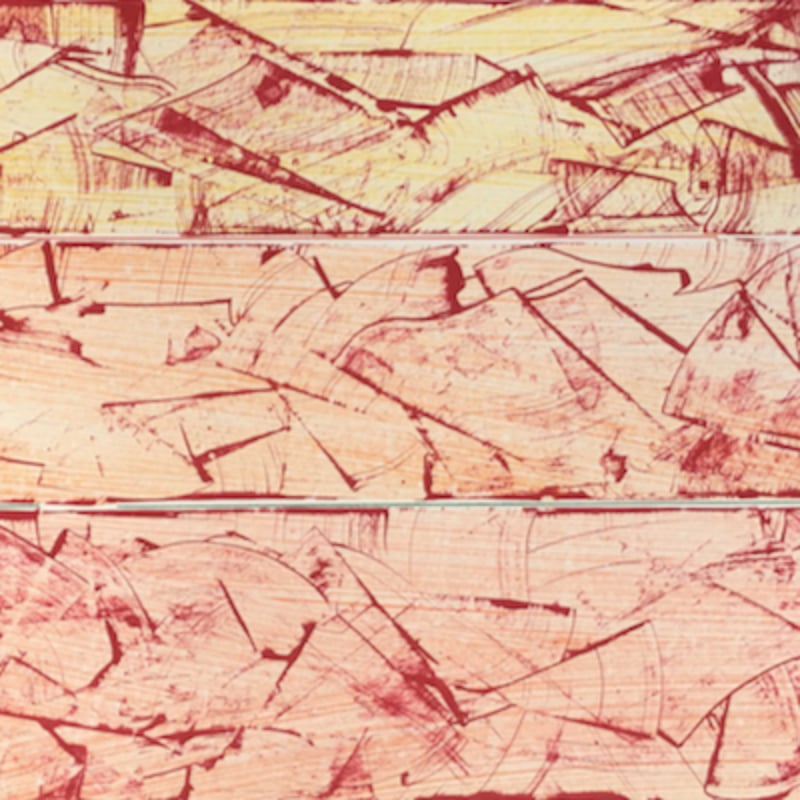
Systems Art refers to a group of artists who, during the late 1960s and early 1970s, used the frameworks of conceptualism and minimalism to create art that was responsive to its environment. Rejecting traditional art themes, they embraced aesthetic systems and experimented with diverse media. Systems Art often connected with contemporary political movements of the time, emphasizing the interrelationship between the artwork, its context, and the broader social and political environment.
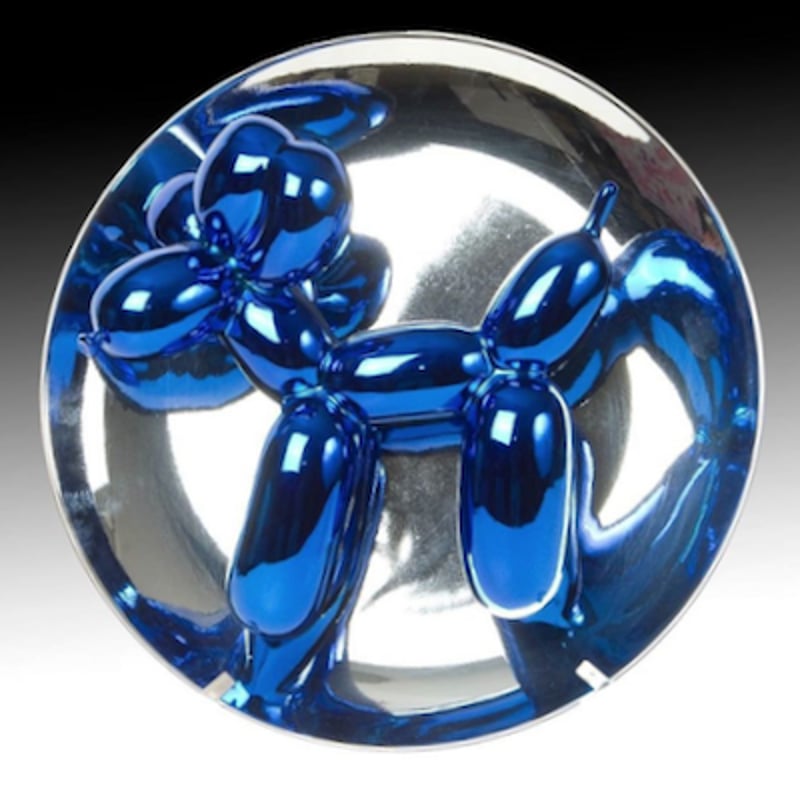
Multiples refer to a series of identical art objects produced in limited editions according to the artist's concept. These works are specifically created for sale and are often considered the most affordable and accessible form of contemporary art. What sets multiples apart is their lack of uniqueness, which is typically seen as essential in traditional artworks. Instead, they offer value and enjoyment while making contemporary art more widely available.
Can't find your Answer?
Thank you! Your question has been sent — we'll get back to you shortly.
