
What is appropriation?
- Show All
- Established
- Discoveries
- Show All
Artworks Related to Appropriation
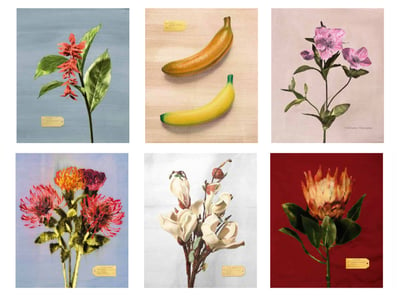
Vik Muniz
Flora Industrialis, 2024
Photography
Photograph
Currently Not Available
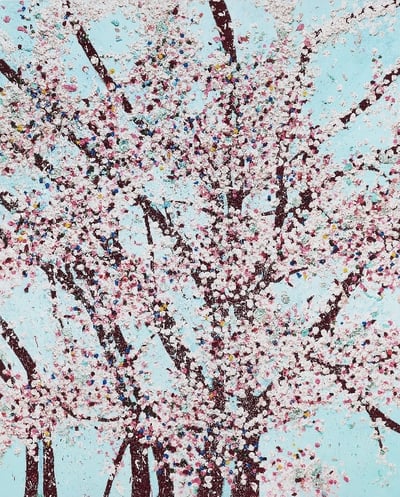
Damien Hirst
Mercy - H9-3 (The Virtues), 2021
Limited Edition Print
Mixed Media
GBP 16,500
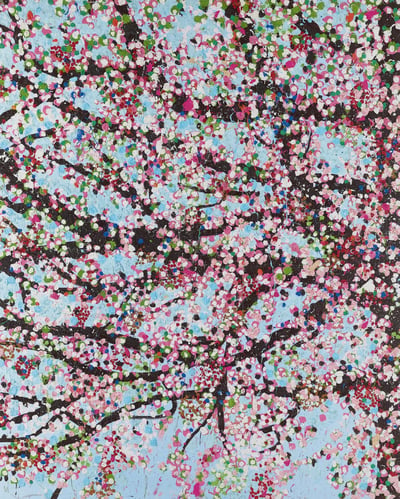
Damien Hirst
Loyalty – H9-7 (The Virtues), 2021
Limited Edition Print
Giclée printing
GBP 18,000
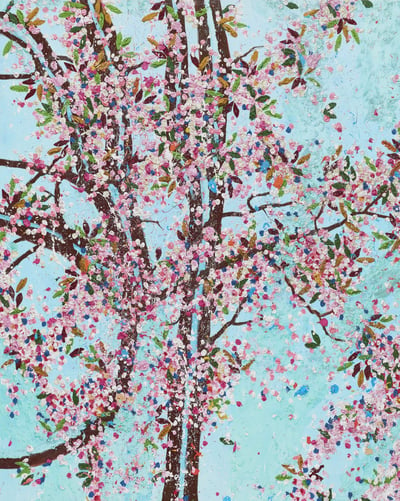
Damien Hirst
Courage – H9-2 (The Virtues), 2021
Limited Edition Print
Giclée printing
GBP 13,500 - 16,500
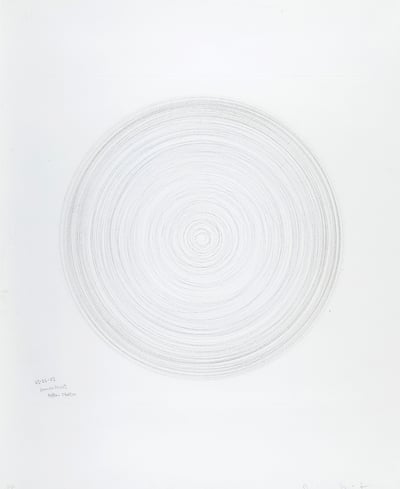
Damien Hirst
Helter Skelter, 2002
Limited Edition Print
Etching
EUR 2,900

Claes Oldenburg
London Knees, 1966
Sculpture / Object
Mixed Media
Currently Not Available
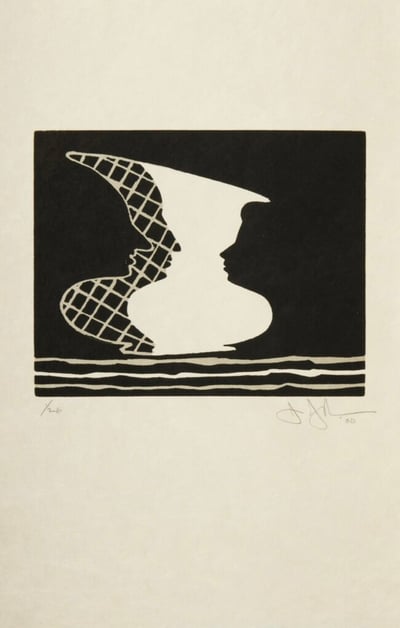
Jasper Johns
Sun on Six, 2000
Limited Edition Print
Linocut
Inquire For Price

Jasper Johns
Hinged Canvas, 1971
Limited Edition Print
Lithograph
USD 5,000

Jasper Johns
Untitled (from The Geldzahler Portfolio), 1998
Limited Edition Print
Etching
USD 6,300

Jasper Johns
Valentine, 2010
Limited Edition Print
Etching and Aquatint
Currently Not Available
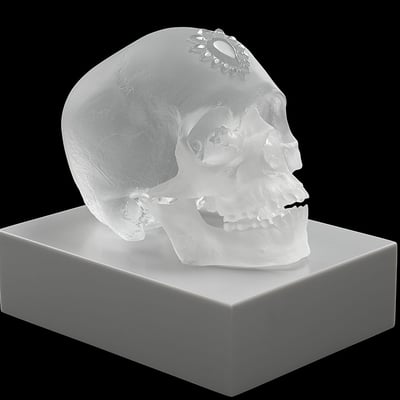
Damien Hirst
Eternal Sleep (Satin), 2017
Sculpture / Object
Mixed Media
EUR 22,000
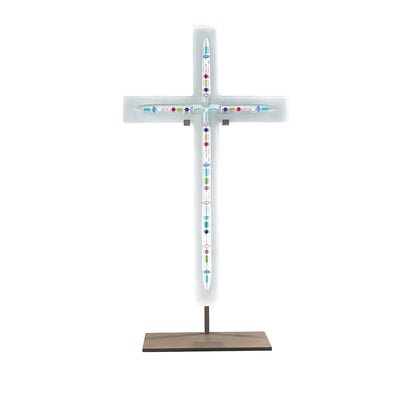
Damien Hirst
Eternal Belief, 2017
Sculpture / Object
Mixed Media
Inquire For Price
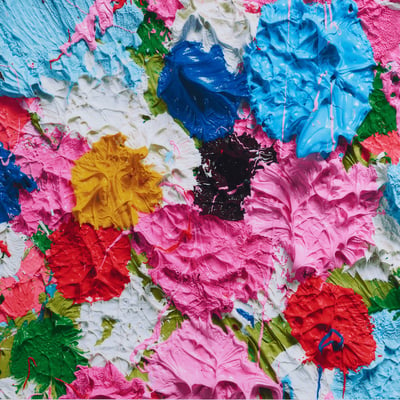
Damien Hirst
Fruitful, Large, 2020
Limited Edition Print
Mixed Media
EUR 2,500
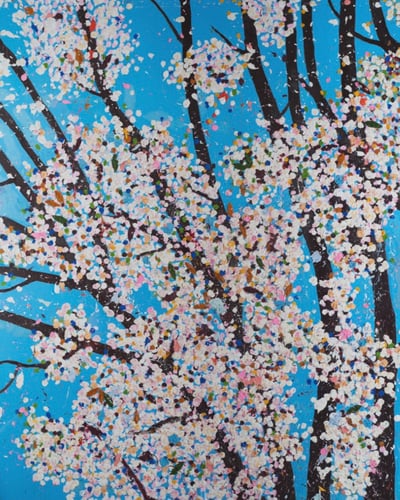
Damien Hirst
Justice – H9-1 (The Virtues), 2021
Limited Edition Print
Giclée printing
GBP 17,500
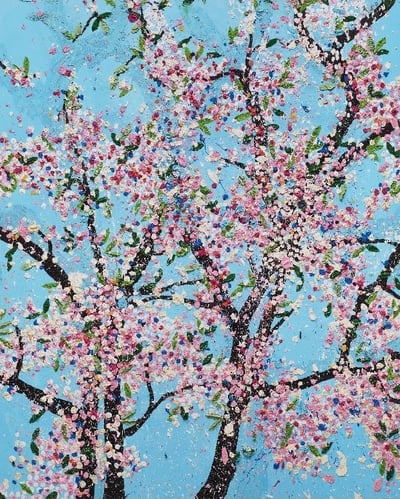
Damien Hirst
Politeness – H9-4 (The Virtues), 2021
Limited Edition Print
Giclée printing
GBP 19,000
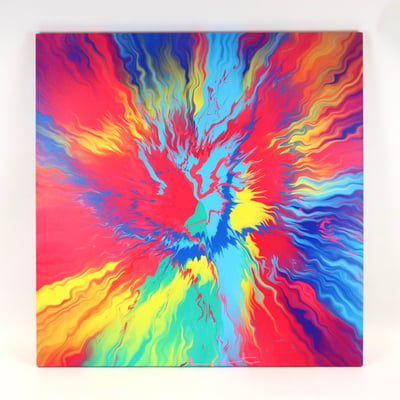
Damien Hirst
The Beautiful Painting (square) - #437, 2023
Painting
Giclée printing
EUR 11,000
Related Articles

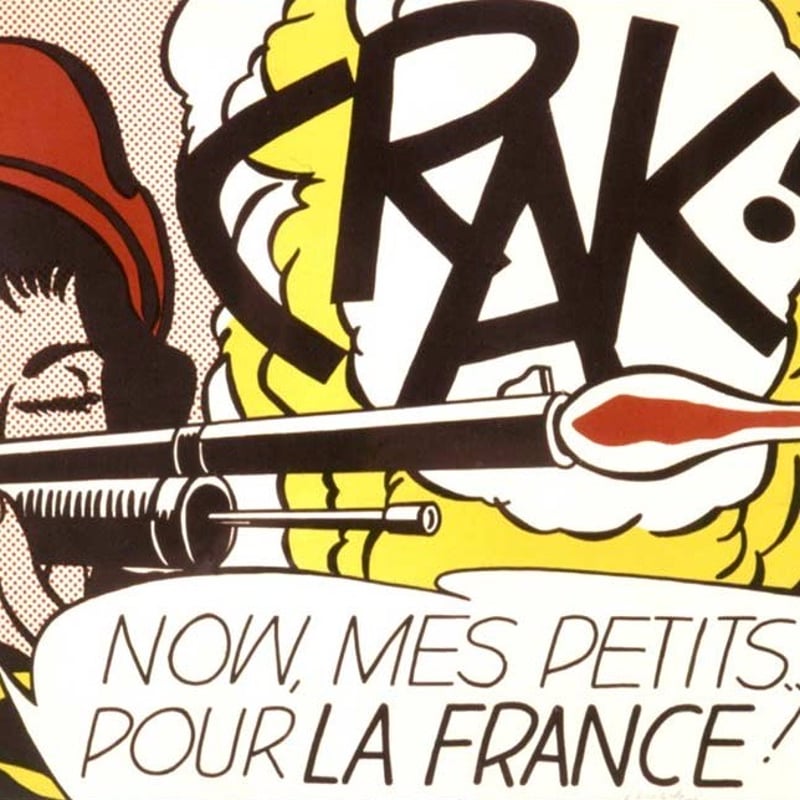
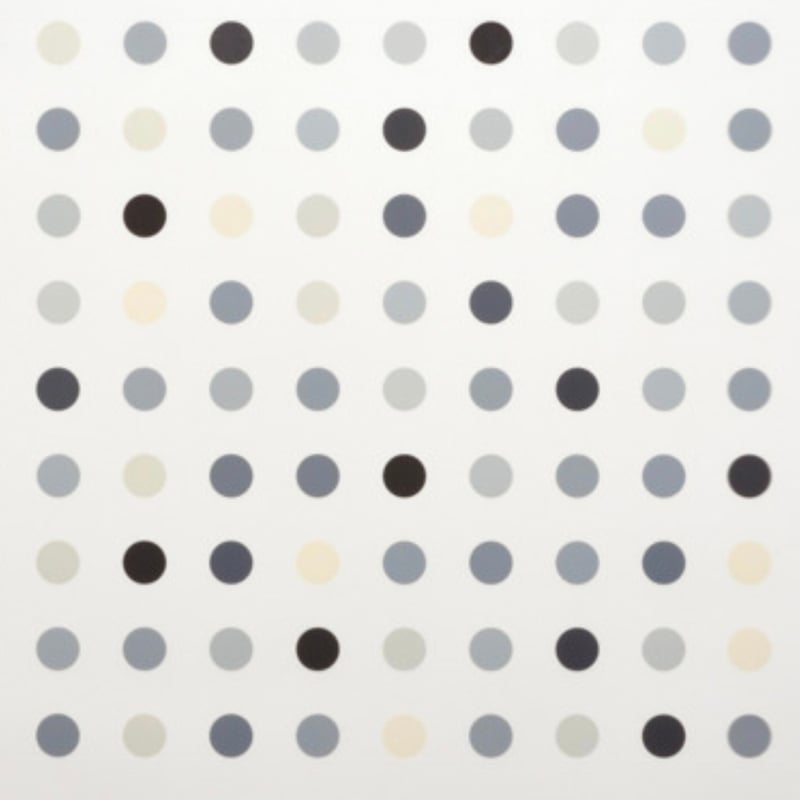

Also known as Dadaism, Dada was a literary and artistic movement that began in 1916 in Zurich, Switzerland. It emerged as a rejection of rationalism and nationalism, which were seen as contributing factors to World War I. The movement had political undertones and was strongly anti-war. Dada activities included demonstrations, gatherings, and the publication of literary and art journals that explored cultural and political topics.

Op Art is a visual art style that uses optical illusions to create the impression of movement, vibrating patterns, flashing, or hidden images. The works are typically abstract, with many well-known pieces in black and white. The roots of Op Art can be traced back to earlier movements like Futurism, Constructivism, Dada, and Neo-Impressionism, particularly in their use of color effects and graphic design.

Postmodernism is an art movement that emerged as a reaction against authority and traditional boundaries, seeking to blur the lines between art and everyday life. It aimed to bridge the gap between the cultural elite and the general public by embracing eclectic mixtures of earlier conventions and styles. Postmodernist art often challenges established norms and celebrates diversity, irony, and pastiche, making it a movement that reflects the complexities of contemporary culture.
Can't find your Answer?
Thank you! Your question has been sent — we'll get back to you shortly.
