
What is appropriation?
- Show All
- Established
- Discoveries
- Show All
Artworks Related to Appropriation
Damien Hirst
Private Listing
Painting
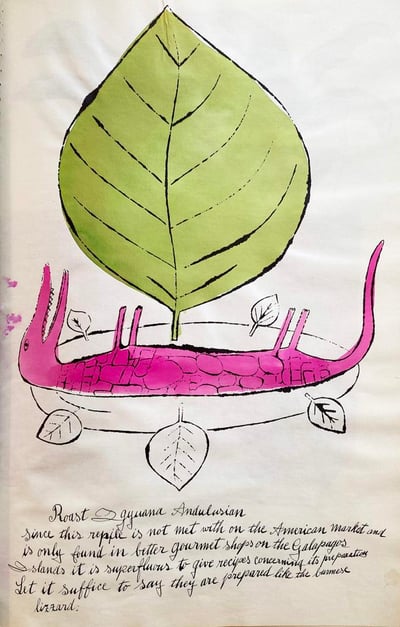
Andy Warhol
Wild Raspberries IV.136A (Roast Iguana), 1959
Limited Edition Print
Offset Print
USD 8,900
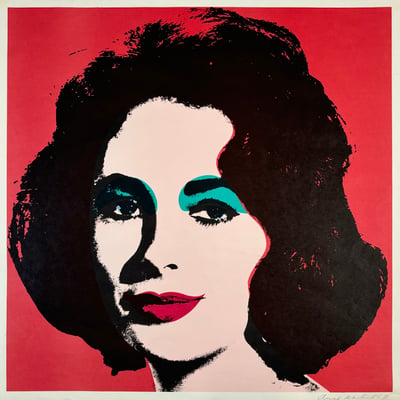
Andy Warhol
Liz, II.7, 1967
Limited Edition Print
Offset Print
Currently Not Available
Roy Lichtenstein
Private Listing
Limited Edition Print
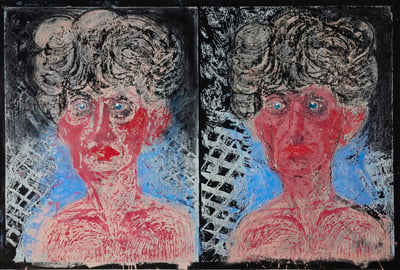
Jim Dine
A Double Feature, 1983
Limited Edition Print
Mixed Media
USD 4,690
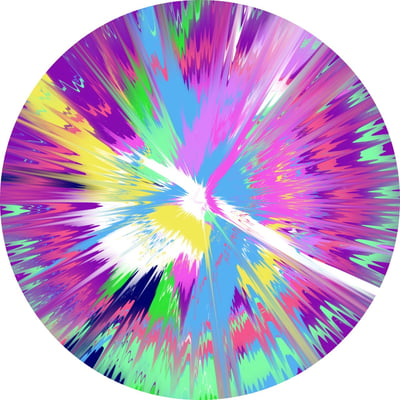
Damien Hirst
Beautiful, Carefully Acquired, Richly Deserved Vapor Painting, 2023
Painting
Mixed Media
USD 6,150
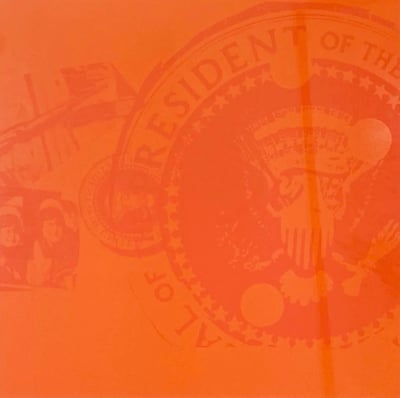
Andy Warhol
Flash - Orange Presidential Seal (T.P.), 1968
Limited Edition Print
Screen-print
USD 20,000 - 25,000
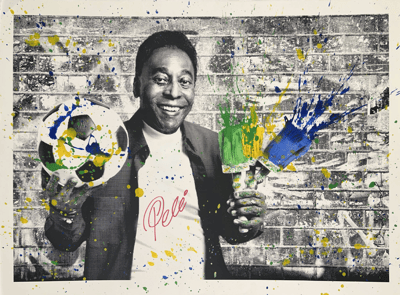
Mr. Brainwash
The King Pele - Brush Portrait, 2016
Limited Edition Print
Screen-print
USD 2,310
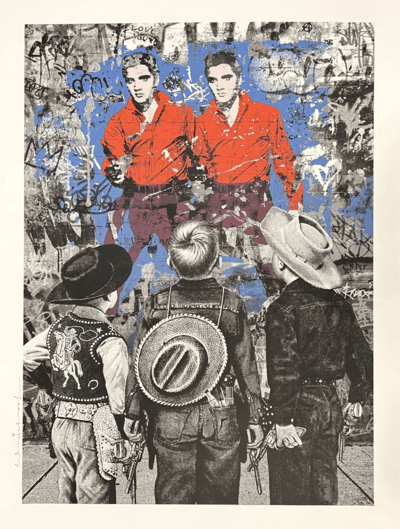
Mr. Brainwash
Playing Cowboy, 2020
Limited Edition Print
Screen-print
USD 3,450
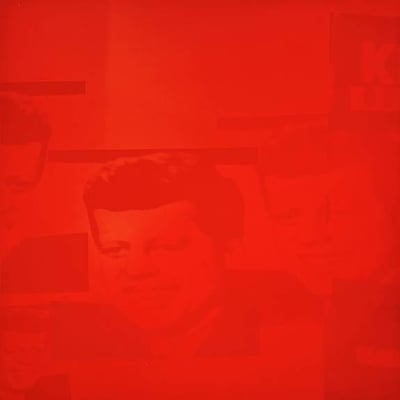
Andy Warhol
Flash - November 22, 1963 (F. S. II.35) (T.P.), 1968
Limited Edition Print
Screen-print
USD 13,900
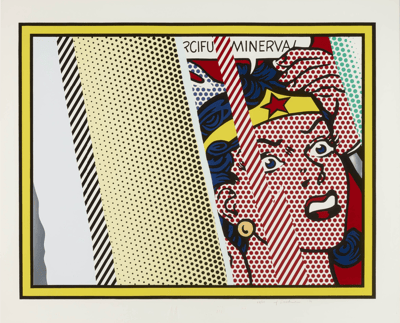
Roy Lichtenstein
Reflections on Minerva, 1990
Limited Edition Print
Mixed Media
Inquire For Price
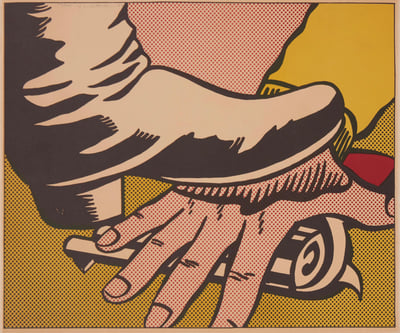
Roy Lichtenstein
Foot and Hand, 1964
Limited Edition Print
Offset Print
Inquire For Price
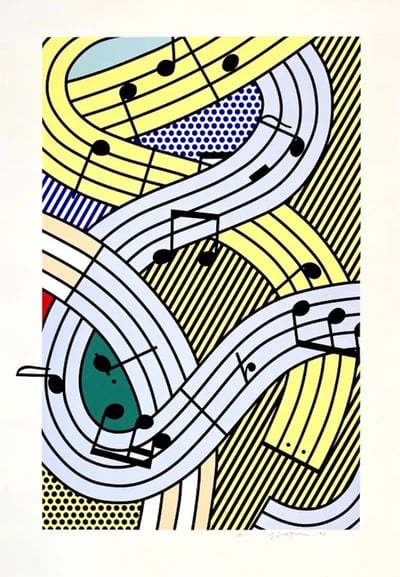
Roy Lichtenstein
Composition III, 1996
Limited Edition Print
Screen-print
Inquire For Price
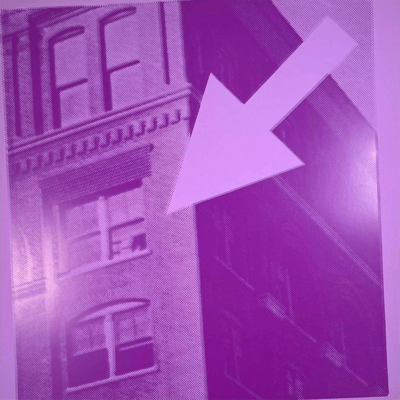
Andy Warhol
Flash - November 22, 1963, II.39, 1968
Limited Edition Print
Screen-print
USD 10,800

Andy Warhol
Flash - November 22, 1963, II.37, 1968
Limited Edition Print
Screen-print
USD 9,600

Andy Warhol
The Witch (F. & S. II.261), 1981
Limited Edition Print
Screen-print
USD 50,000 - 60,000
Related Articles

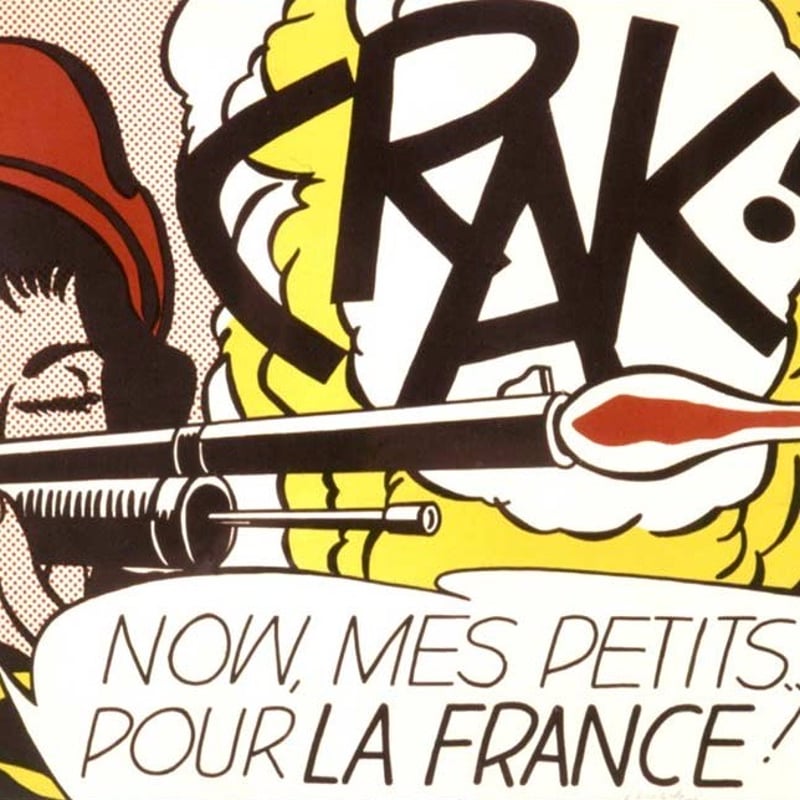
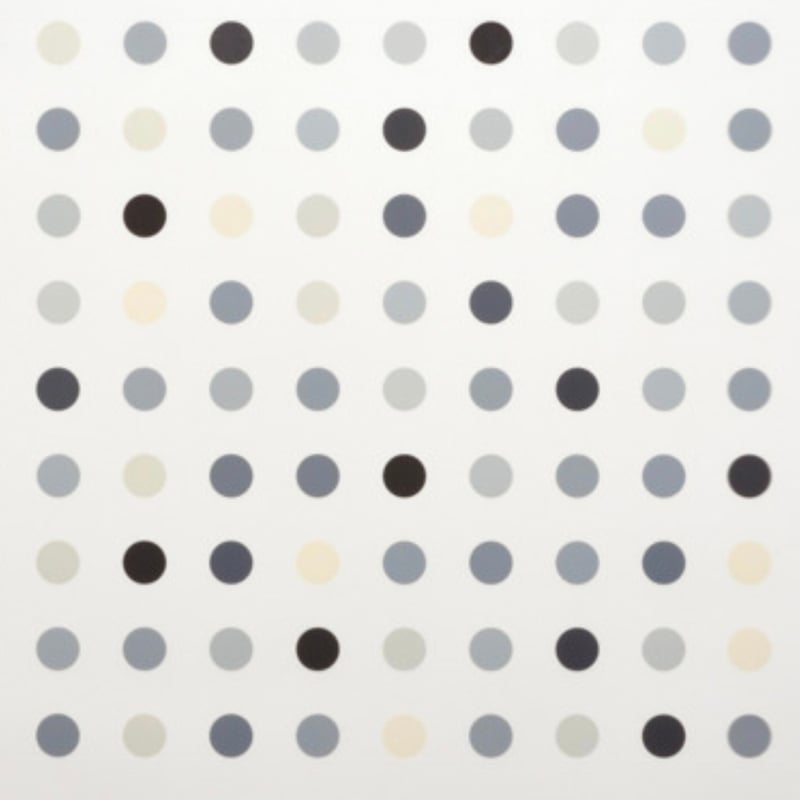

Also known as Dadaism, Dada was a literary and artistic movement that began in 1916 in Zurich, Switzerland. It emerged as a rejection of rationalism and nationalism, which were seen as contributing factors to World War I. The movement had political undertones and was strongly anti-war. Dada activities included demonstrations, gatherings, and the publication of literary and art journals that explored cultural and political topics.
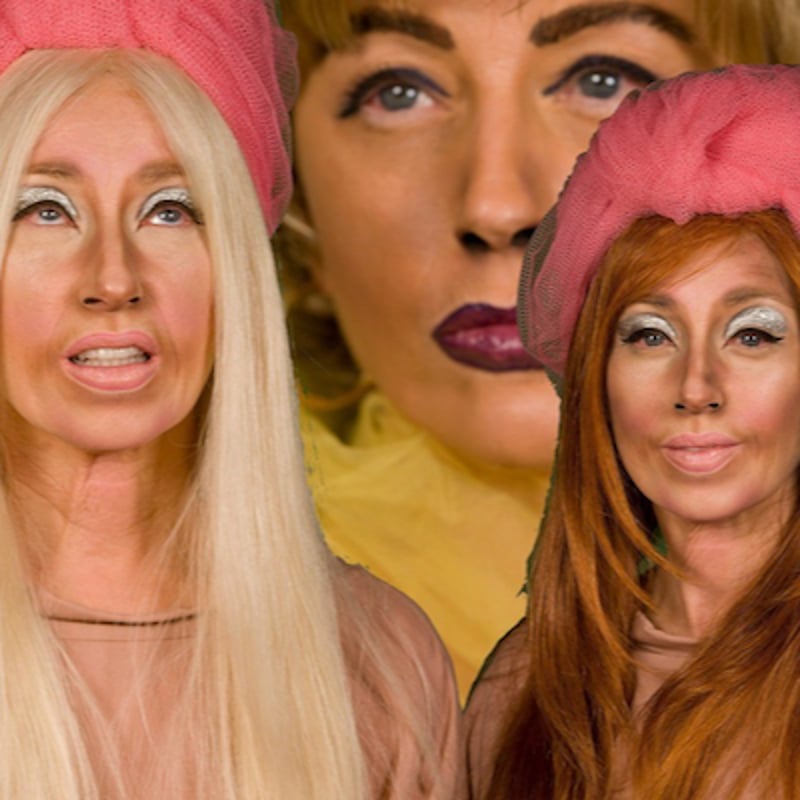
Lowbrow is a derogatory term that refers to certain forms of popular culture. It describes an art movement that began in Los Angeles in the 1970s. The term lowbrow originally refers to a person with little intellectual or refined taste. The Lowbrow art movement, also known as Pop Surrealism, blends elements of underground comics, punk music, hot rod culture, and other subcultures, often with a sense of humor and irony.
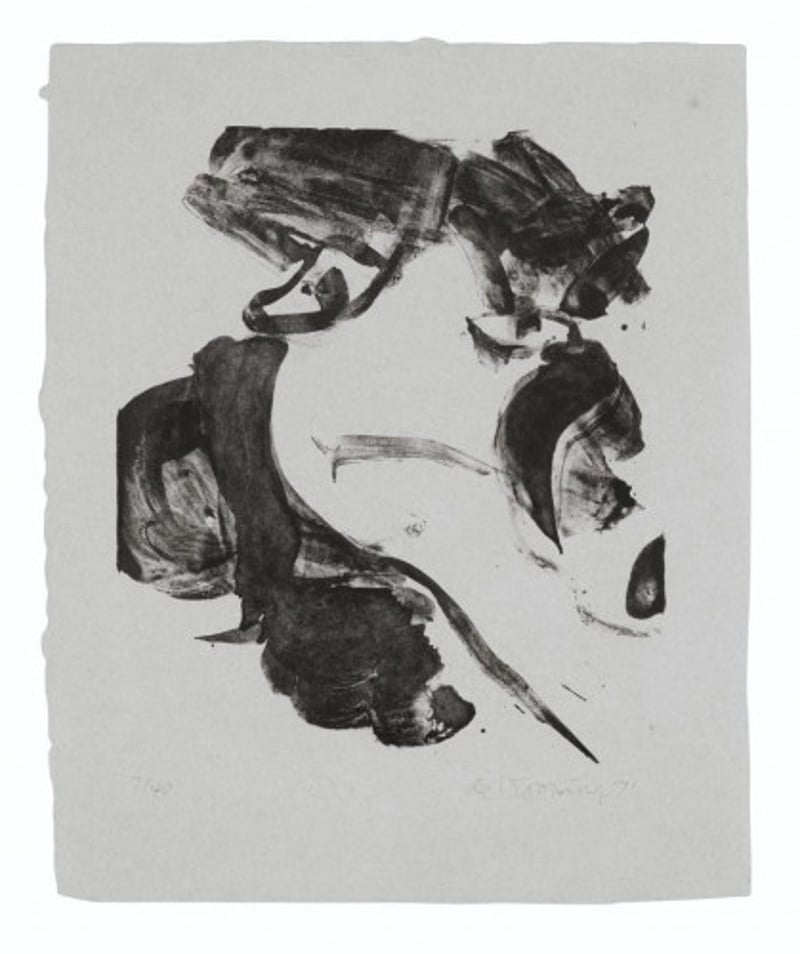
Gestural art is a term that describes painting with freely sweeping brushstrokes. The primary goal of gestural art is to allow the artist to physically express emotional impulses. The varied, yet expressive paint marks are intended to convey the artist's inner thoughts and emotions, which viewers are believed to understand through the dynamic and spontaneous application of paint.
Can't find your Answer?
Thank you! Your question has been sent — we'll get back to you shortly.
