
What is appropriation?
- Show All
- Established
- Discoveries
- Show All
Artworks Related to Appropriation
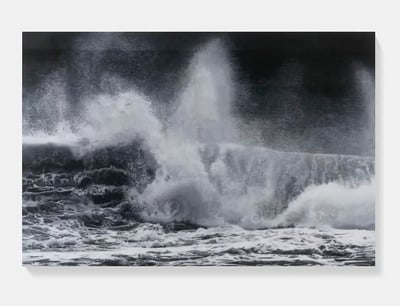
Damien Hirst
Colliding H13-9 from Where The Land Meets The Sea, 2023
Limited Edition Print
Photograph
GBP 7,500 - 9,700
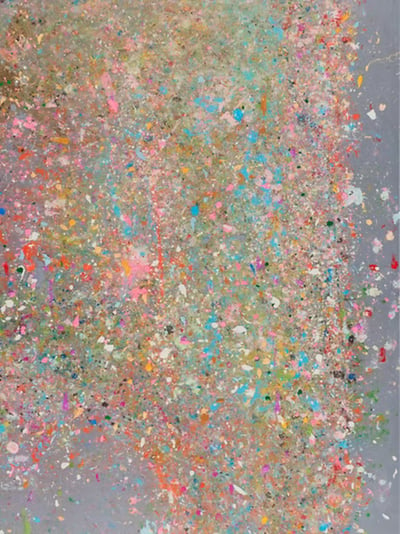
Damien Hirst
Deadman's Cove H13-1 Where the Land Meets the Sea, 2023
Limited Edition Print
Mixed Media
GBP 5,950 - 7,700
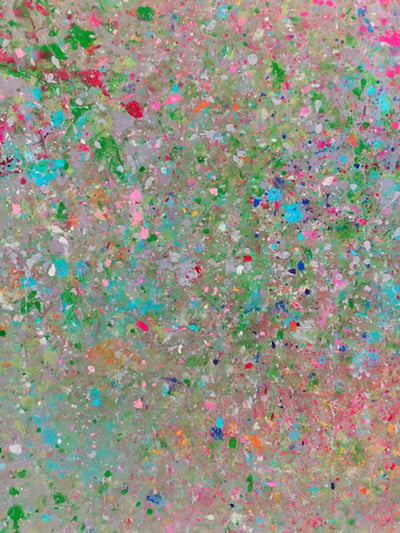
Damien Hirst
Kingsdown Beach H13-2 from Where The Land Meets The Sea, 2023
Limited Edition Print
Mixed Media
GBP 5,950 - 7,700

Mr. Brainwash
Queen of Hearts
Limited Edition Print
Silkscreen
GBP 11,000 - 13,000
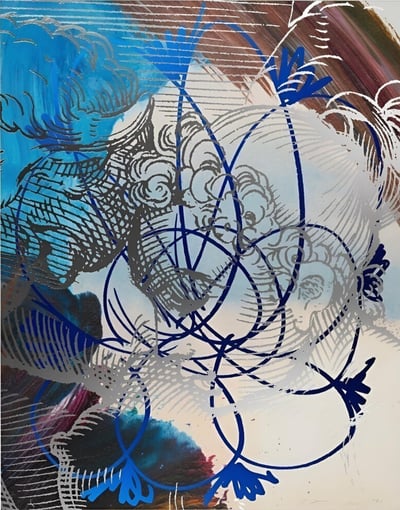
Jeff Koons
Carracci Flower, 2021
Limited Edition Print
Pigment print
GBP 14,000 - 16,000
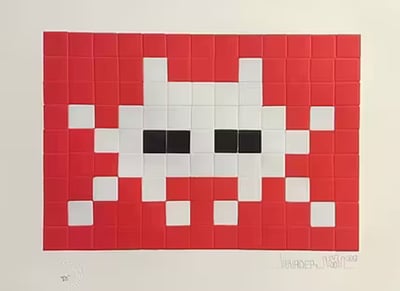
Invader
Invasion White (with Red and Black), 2009
Limited Edition Print
Screen-print
GBP 18,000 - 21,000

Invader
Alert (Blue), 2021
Limited Edition Print
Screen-print
GBP 10,000 - 12,000

Invader
3D Little Big Space, 2022
Sculpture / Object
Acrylic sculpture
GBP 1,620
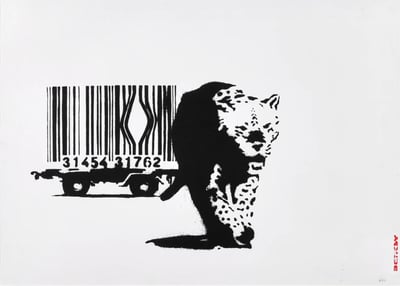
Banksy
Barcode (unsigned), 2004
Limited Edition Print
Screen-print
EUR 25,000 - 30,000
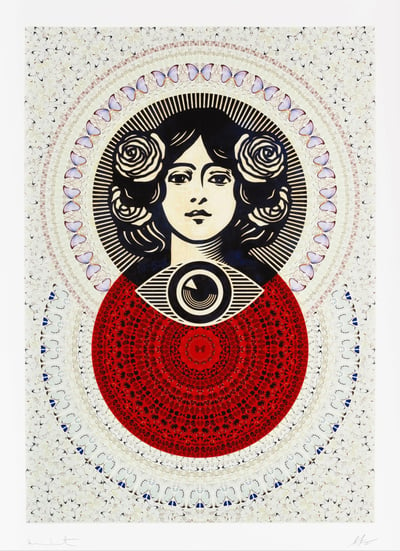
Shepard Fairey
Third Eye Butterfly Mandala (Cream) (Small), 2026
Limited Edition Print
Giclée printing
EUR 5,500 - 7,000
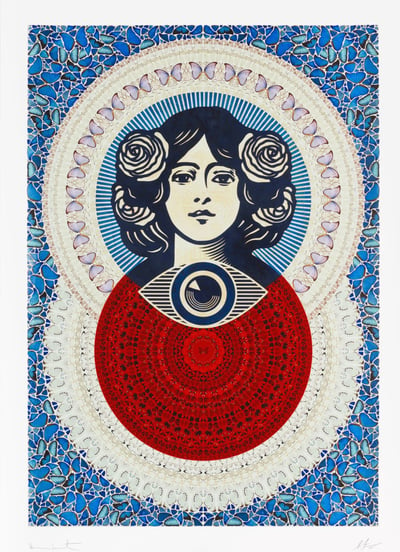
Shepard Fairey
Third Eye Butterfly Mandala (Blue) Small, 2026
Limited Edition Print
Giclée printing
EUR 5,500 - 7,000
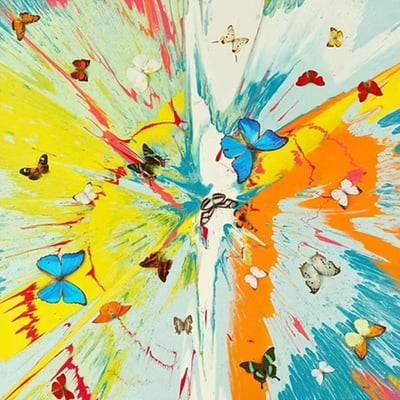
Damien Hirst
Transient Ephemera from The Dreams H19-4, 2025
Limited Edition Print
Mixed Media
GBP 5,500 - 7,100
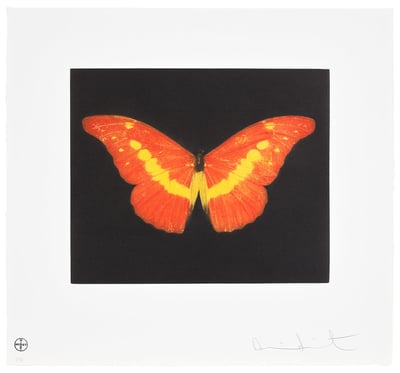
Damien Hirst
To Love, 2008
Limited Edition Print
Etching
GBP 8,500 - 11,000
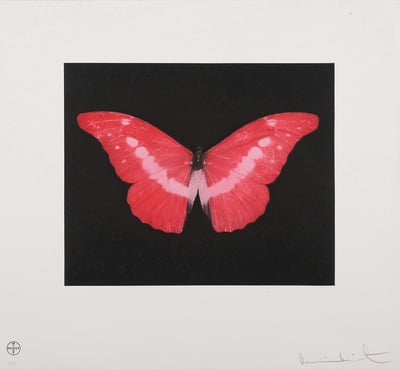
Damien Hirst
To Lose, 2008
Limited Edition Print
Aquatint
GBP 8,500 - 11,000
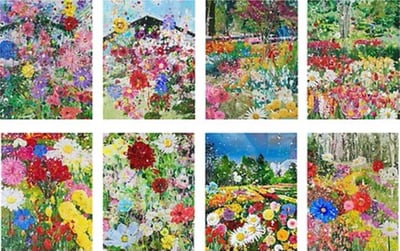
Damien Hirst
The Secrets H14, Full Set, 2024
Limited Edition Print
Mixed Media
GBP 55,000 - 71,500
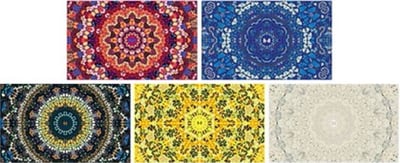
Damien Hirst
The Kaleidoscopes H18, Full Set, 2024
Limited Edition Print
Mixed Media
GBP 60,000 - 78,000
Related Articles


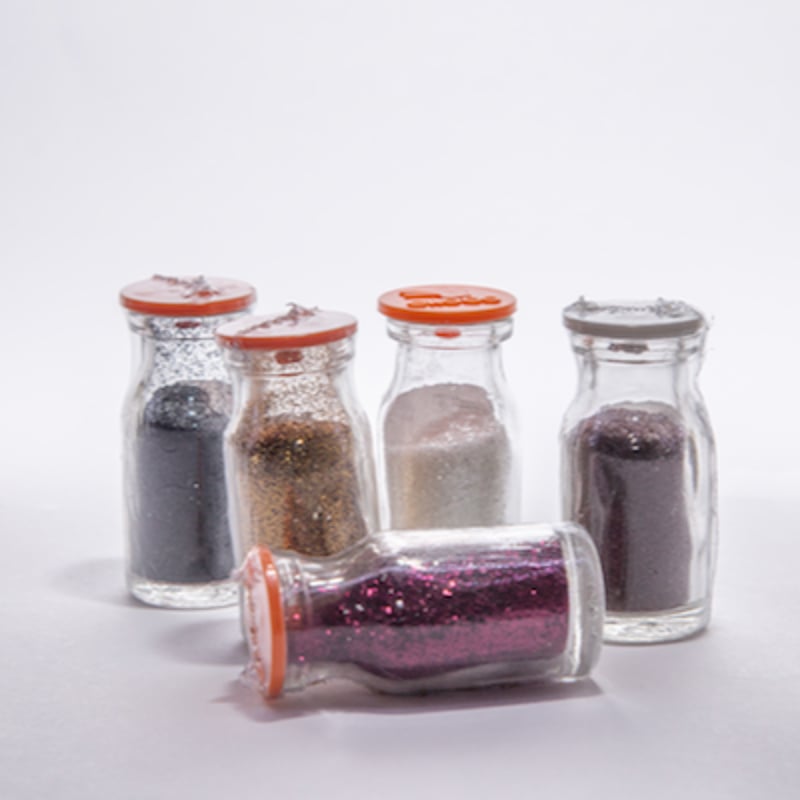
Carborundum is the trademark name for silicon carbide crystals, an abrasive material commonly used in sandpaper, cutting tools, and grinding wheels. Originally, artists used carborundum for grinding lithography stones. In collagraph printmaking, it is applied to plates to create texture and tone gradients, adding depth and contrast to the prints.
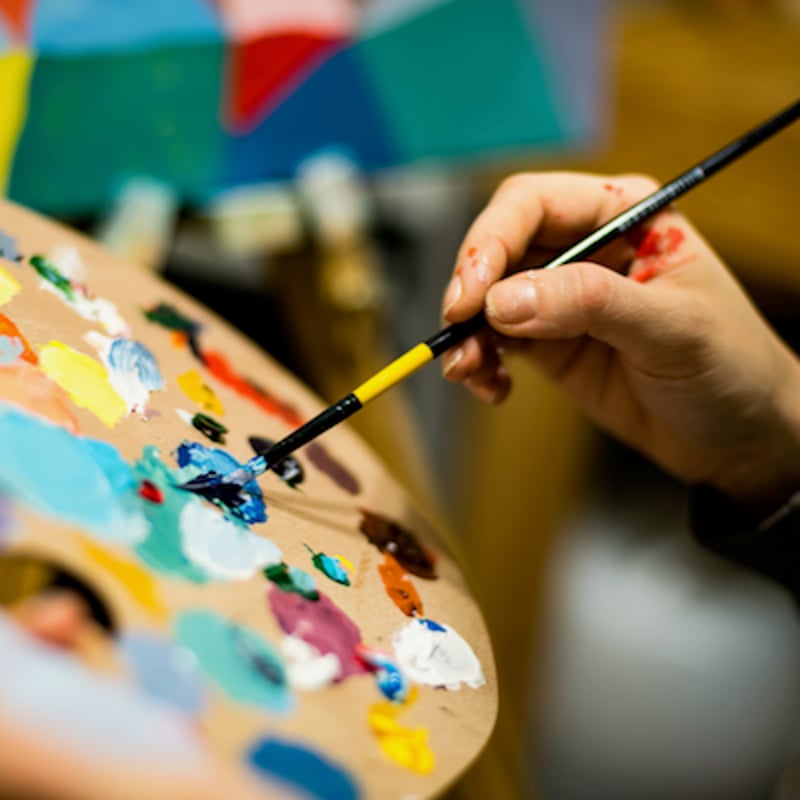
Acrylic paint is a fast-drying paint made from pigment suspended in an acrylic polymer emulsion. It is water-soluble when wet but becomes water-resistant once dry. Acrylic paints offer unique characteristics that are not easily achieved with other media, allowing for effects similar to both oil and watercolor paintings while providing their own distinct qualities.

Futurism was an early 20th-century art movement that sought to capture the energy and dynamism of the modern world. The movement was launched by Italian poet Filippo Tommaso Marinetti, who published the Manifesto of Futurism on February 20, 1909. Futurism denounced the past and passionately embraced technology, industry, and the speed of modern life.
Can't find your Answer?
Thank you! Your question has been sent — we'll get back to you shortly.
