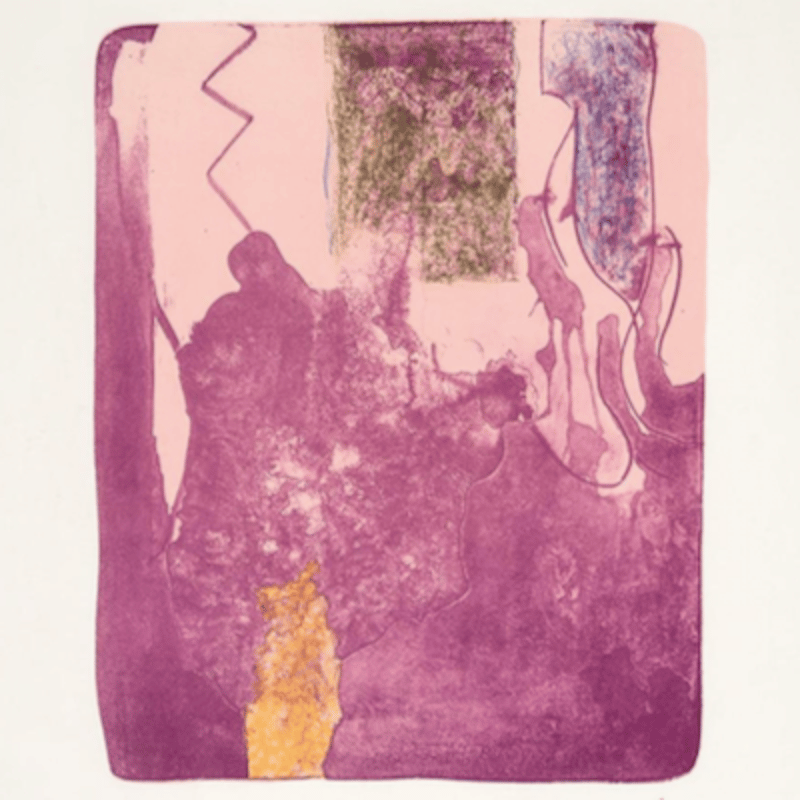
What is abstract expressionism?
- Show All
- Established
- Discoveries
- Show All
Artworks Related to Abstract expressionism
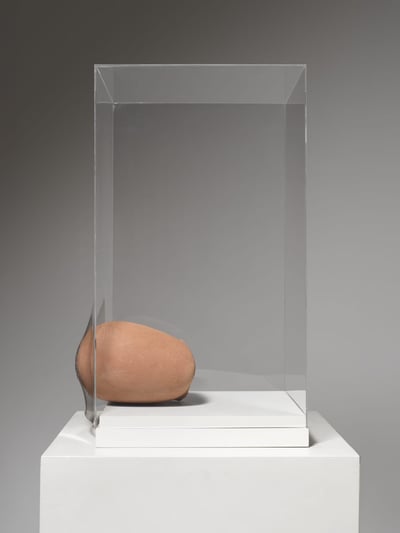
Jordi Alcaraz
Autoretrat somiant, 2026
Sculpture / Object
Mixed Media
EUR 6,500
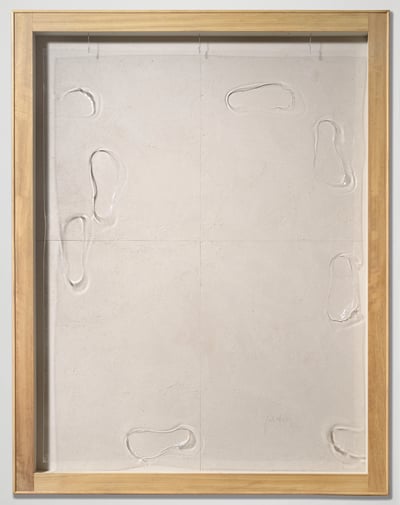
Jordi Alcaraz
Autoretrat caminant, 2026
Sculpture / Object
Mixed Media
EUR 10,000
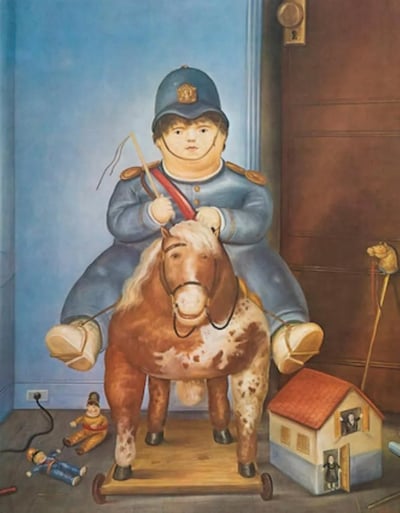
Fernando Botero
Pedrito, 1975
Limited Edition Print
Offset Print
EUR 6,600
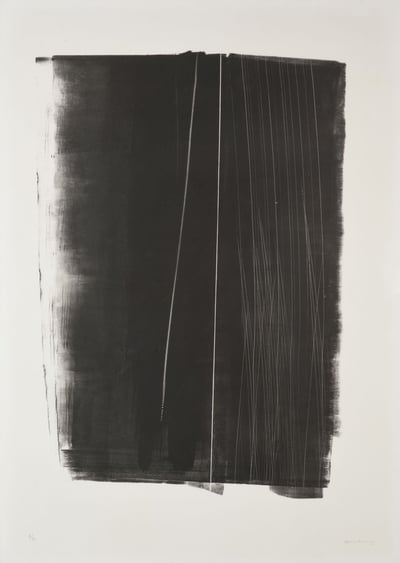
Hans Hartung
L 1973-46, 1973
Limited Edition Print
Lithograph
EUR 1,850
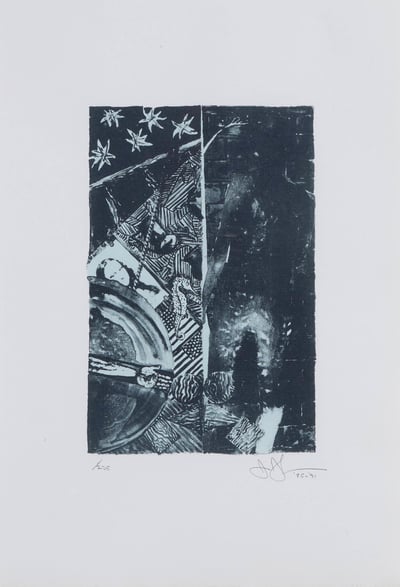
Jasper Johns
Summer (Blue), 1985-91
Limited Edition Print
Lithograph
USD 4,690
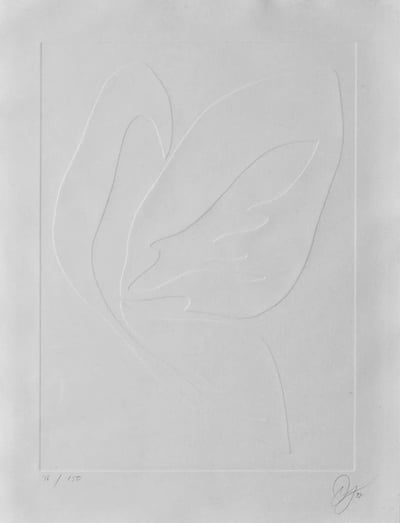
Jack Youngerman
Untitled 2, from the White Portfolio, 1972
Limited Edition Print
Intaglio
Inquire For Price
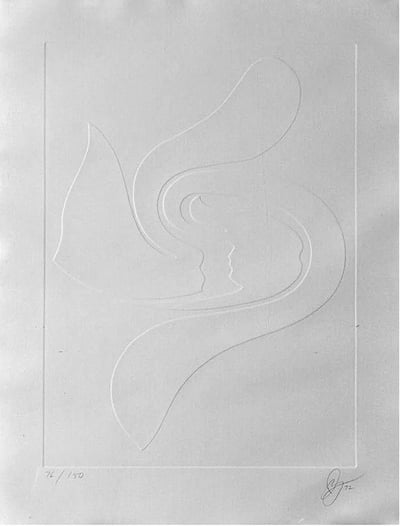
Jack Youngerman
Untitled 1, from the White Portfolio, 1972
Limited Edition Print
Intaglio
Inquire For Price
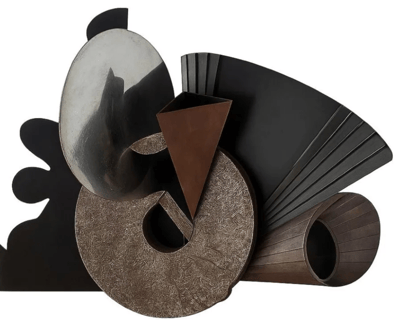
Frank Stella
The Decanter, 1986
Sculpture / Object
Mixed Media
Inquire For Price
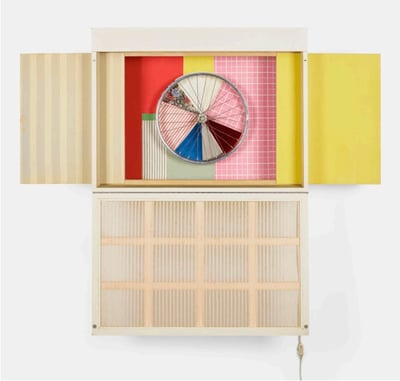
Robert Rauschenberg
Publicon Station IV, 1978
Sculpture / Object
Mixed Media
USD 34,000 - 50,000
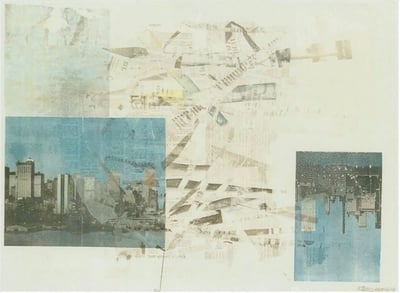
Robert Rauschenberg
Bait (Stoned Moon Series), 1982
Drawing / Watercolor
Mixed Media
Inquire For Price
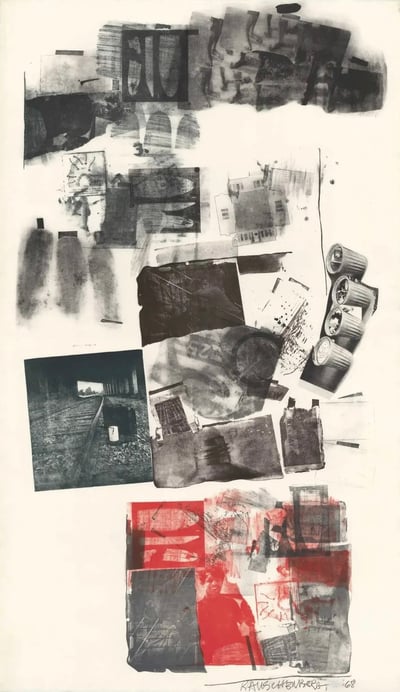
Robert Rauschenberg
Water Stop, 1968
Limited Edition Print
Lithograph
Inquire For Price
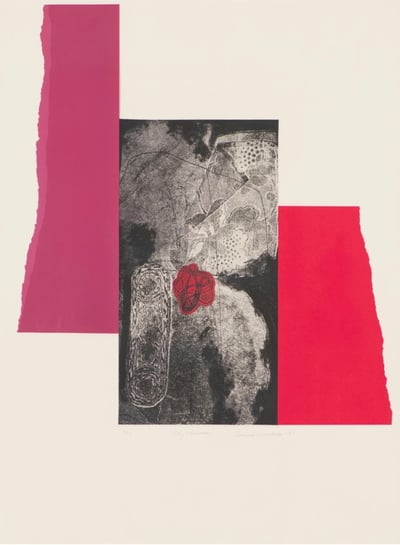
Louise Nevelson
Sky Flower, 1977
Limited Edition Print
Collage
USD 5,000 - 6,000
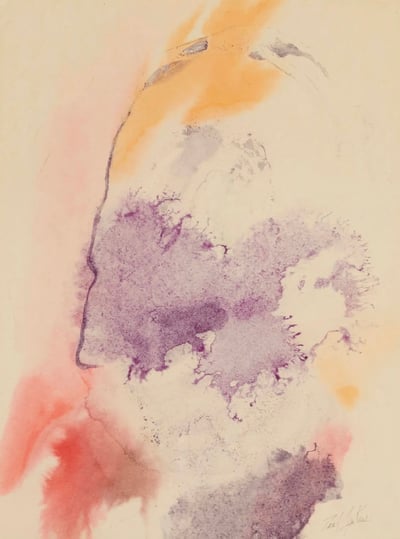
Paul Jenkins
Untitled, 1960
Drawing / Watercolor
Watercolor
Inquire For Price
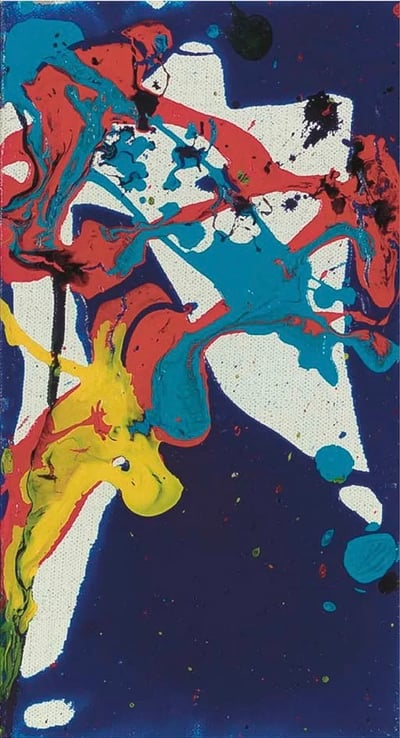
Sam Francis
Untitled, 1988
Painting
Acrylic on canvas
Inquire For Price
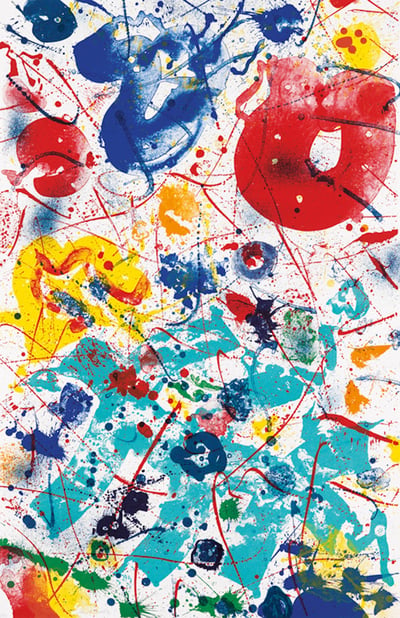
Sam Francis
Untitled (SF-358), 1993
Limited Edition Print
Lithograph
EUR 8,000
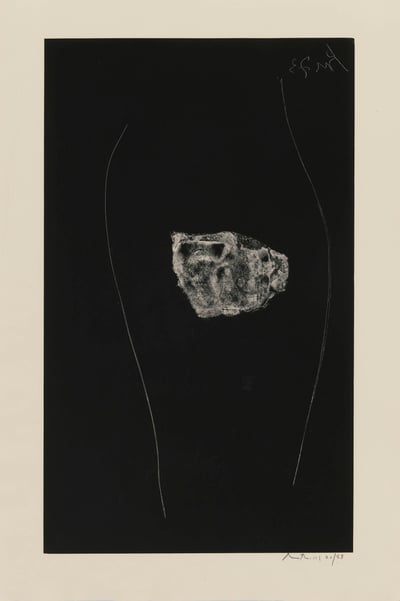
Robert Motherwell
Soot-Black Stone, #5, 1975
Limited Edition Print
Lithograph
USD 1,810
Related Articles
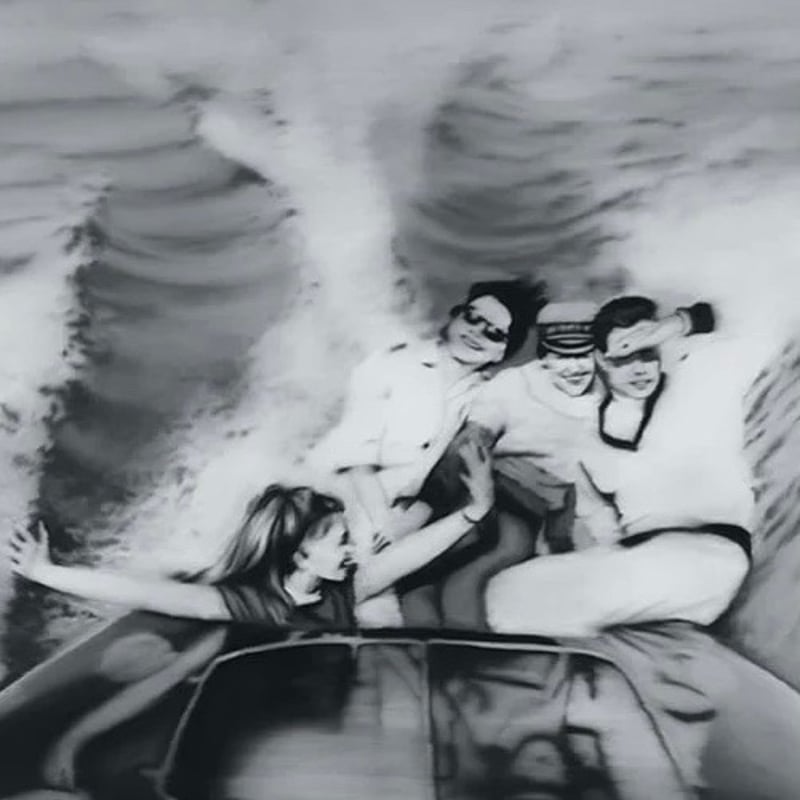
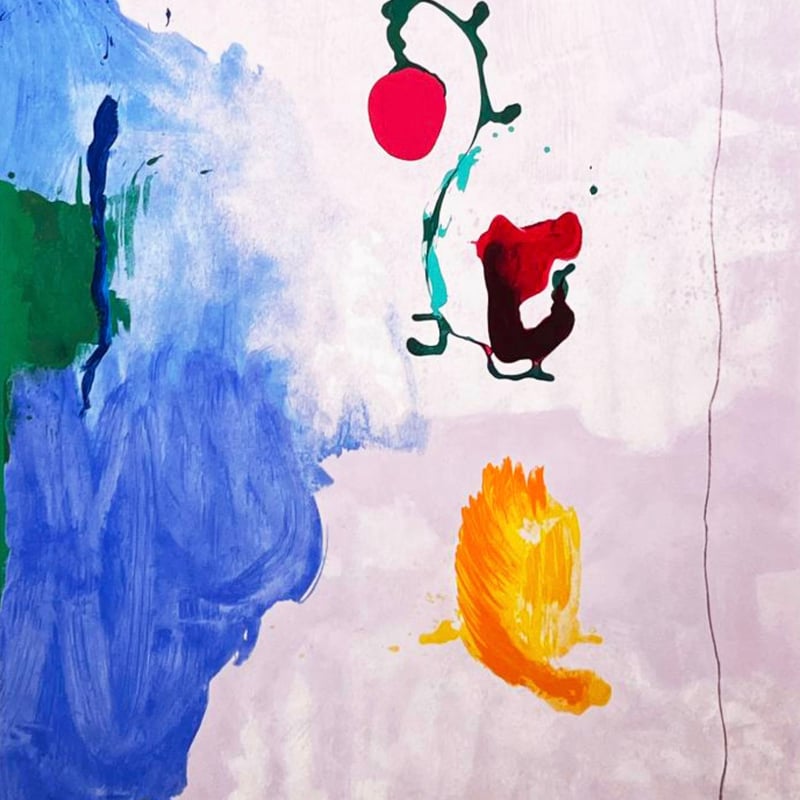
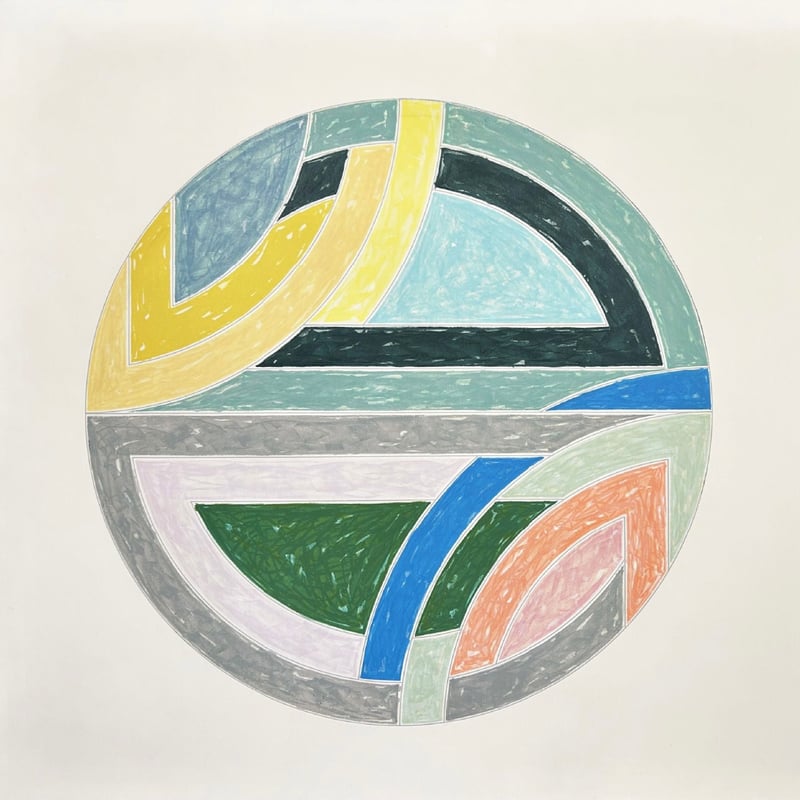

An object in art refers to any tangible thing that exists and can be depicted in a work of art. Sometimes, the object becomes the focal point of a painting, drawing, or sculpture, meaning it is the most important element in the composition. An object can be anything that can be seen or touched, and it is often used to convey meaning or emphasize certain aspects of the artwork.
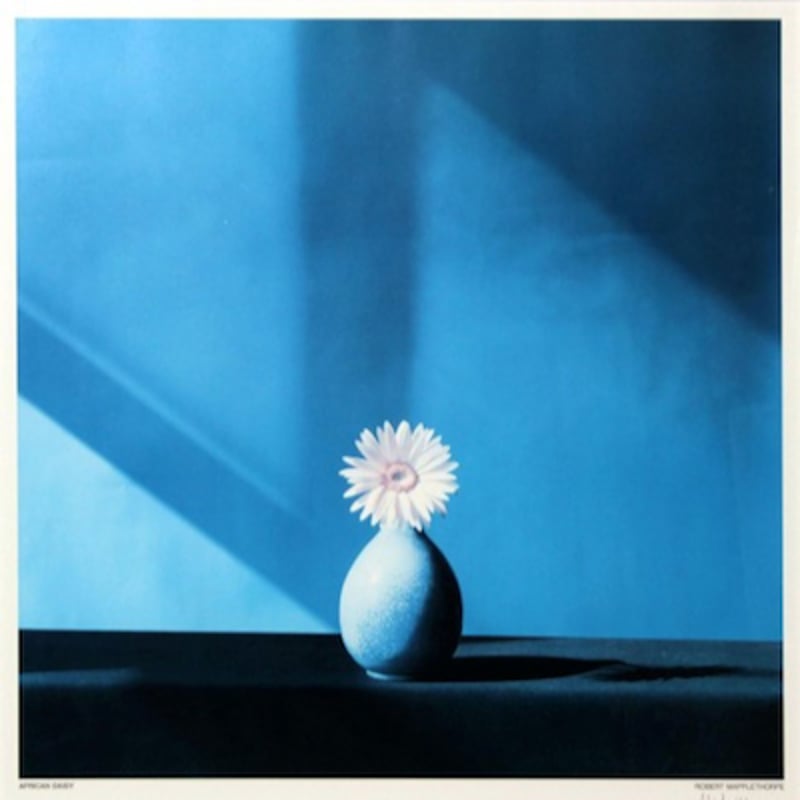
Photogravure is a high-quality printing process that involves etching a photograph onto a copper plate. The plate is inked and pressed onto paper, producing fine art prints with detailed, soft tones and rich textures. Developed in the 19th century, photogravure is renowned for its ability to create art reproductions with exceptional depth and subtlety.
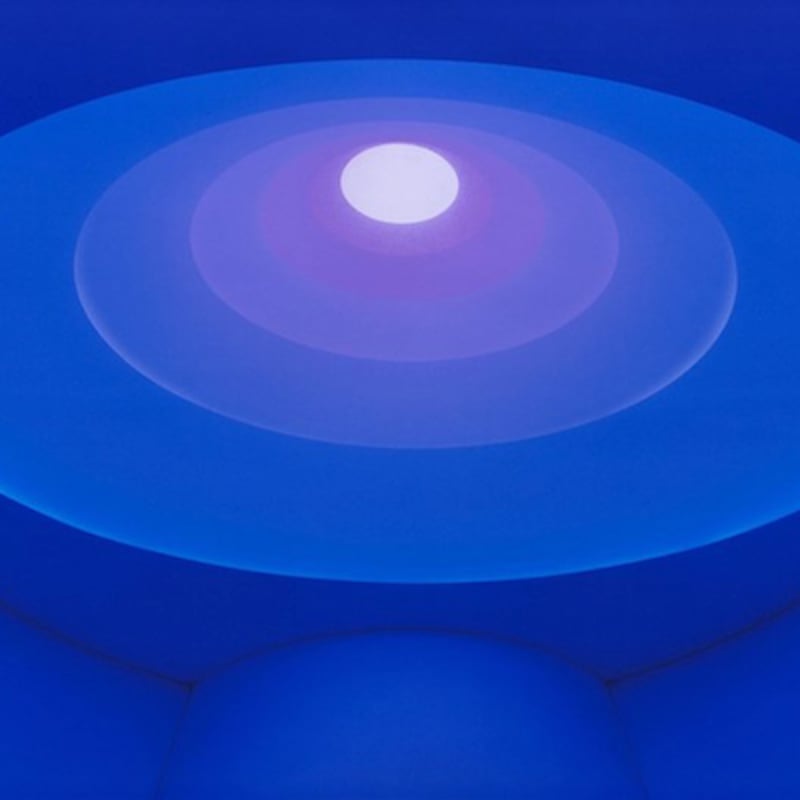
The Light and Space Movement refers to loosely affiliated art movements connected to minimalism, geometric abstraction, and op art that originated in Southern California in the 1960s. Greatly influenced by artist John McLaughlin, these artists focused on sensory phenomena such as light, perception, and space as central elements of their work. They also incorporated cutting-edge technologies from the aerospace and engineering industries to develop light-filled and sensuous objects, creating immersive experiences that emphasize the viewer's perception.
Can't find your Answer?
Thank you! Your question has been sent — we'll get back to you shortly.
